Vodacom Is Taking on South Africa's E-Waste Crisis By Selling Refurbished Phones
Vodacom has sold 51,000 refurbished smartphones through its Good As New programme as South Africa battles the worst e-waste problem in Sub-Saharan Africa. Here's how the telecoms giant is building a circular economy model and why the government is paying attention.
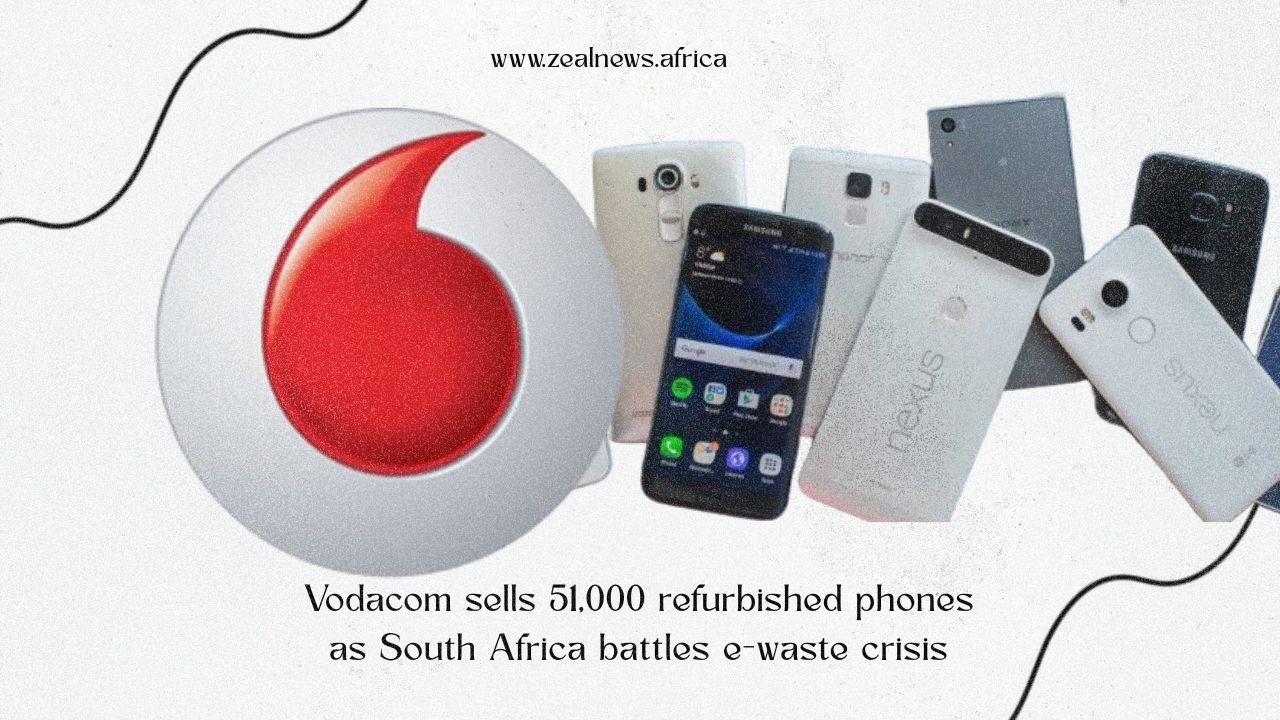
South Africa has a waste problem, and a significant portion of it is sitting in drawers, landfills, and forgotten corners of homes across the country, in the form of old phones.
Across the continent, there is an e-waste crisis, and many nations face this challenge, even in better-performing economies.But beyond all the politics and the GDP figures, this crisis is silently compounding on the ground.
South Africa generates approximately 530,000 tonnes of electronic waste (e-waste) annually, according to the United Nations Global E-Waste Monitor, roughly eight kilograms per person, making it the largest e-waste producer in Sub-Saharan Africa and second only to Egypt across the entire continent.
A significant portion of that waste carries environmental and health consequences: toxic materials leaching into soil, pollution building in communities that rarely reach headlines but bear the brunt of it.
The e-waste crisis is more likely to be a structural one. The global consumer electronics model is built on replacement, not repair.
When a new device comes out, marketing cycles accelerate the desire for it, and the previous phone, still functional, often barely used, most times becomes an inconvenience, looking for the nearest way to get rid of it.
If that pattern is multiplied among millions of users across a country the size of South Africa, the scale of accumulation becomes difficult to ignore. The devices don't just disappear. They go somewhere.
Vodacom's Good As New Programme Is Making the Alternative Real
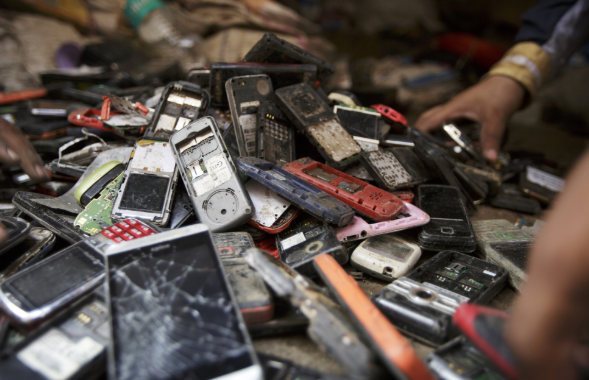
Vodacom's recent announcement on its management of the e-waste crisis is worth examining beyond the corporate press release in which it was announced.
The South African telecoms giant confirmed it has sold more than 51,000 refurbished smartphones through its Good As New programme.
This is a trade-in and resale initiative that repairs used devices and returns them to market at accessible prices rather than sending them to the landfill.
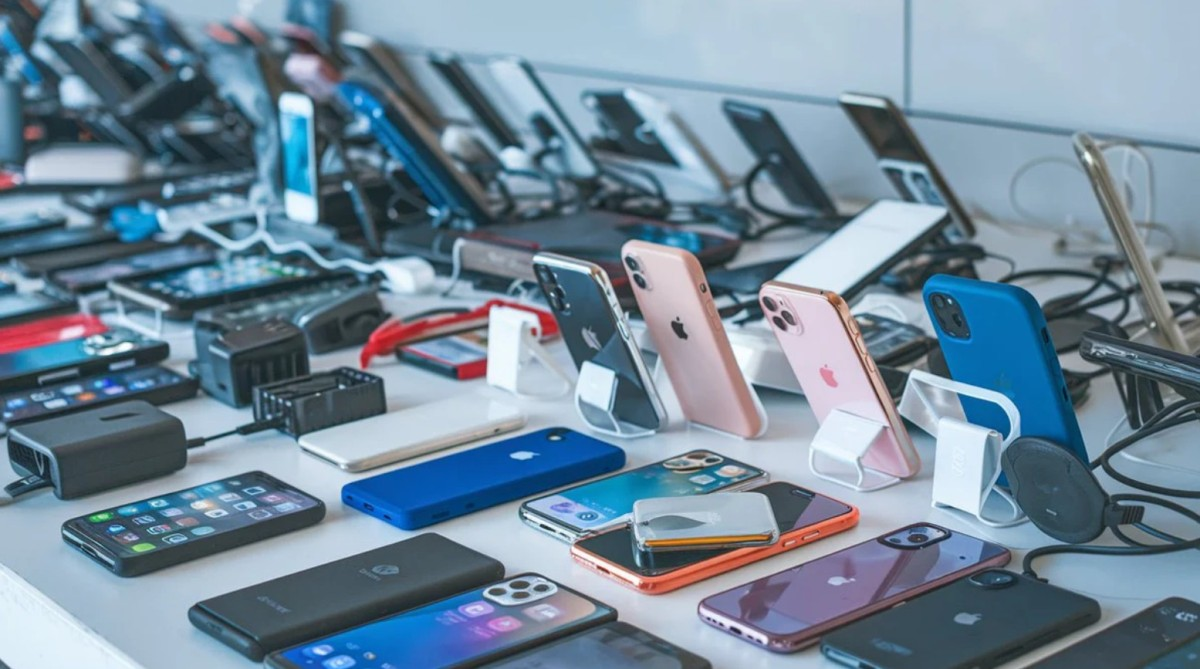
The model is easily understandable and accessible in the best way. Customers bring in eligible Samsung, Apple, Huawei, and Vivo devices to participating stores.
The phones go through an in-store diagnostic test, are checked against a blacklist, and are verified to power on independently.
Devices that pass this test are repaired, restored, and resold, offering buyers quality smartphones at lower price points while extending the life cycle of existing hardware.
The customer trading in the device receives monthly discounts on upgrades or new plans. The phone gets a second life, and landfills get one fewer contribution of waste.
Latest Tech News
Decode Africa's Digital Transformation
From Startups to Fintech Hubs - We Cover It All.
Good As New sits within a sustainability initiative Vodacom calls RedLovesGreen, introduced during the COVID-19 pandemic and since significantly expanded.
In November 2024, the company partnered with Circular Energy, formally recognised by South Africa's Department of Forestry, Fisheries and the Environment, to allow customers to request home pickups for old devices, removing the friction of having to visit a store just to recycle responsibly.
Beyond consumer handsets, Vodacom recycled over 1,273 tonnes of network equipment in its last financial year alone, a figure that rarely makes the news but represents a meaningful volume of hardware that didn't end up as waste.
The programme has drawn attention from the government, which may be its most significant indicator.
In November 2025, representatives from the Department of Communications and Digital Technologies, the Department of Forestry, Fisheries and the Environment, and the Council for Scientific and Industrial Research (CSIR) toured Vodacom's repair and refurbishment facility in Midrand.
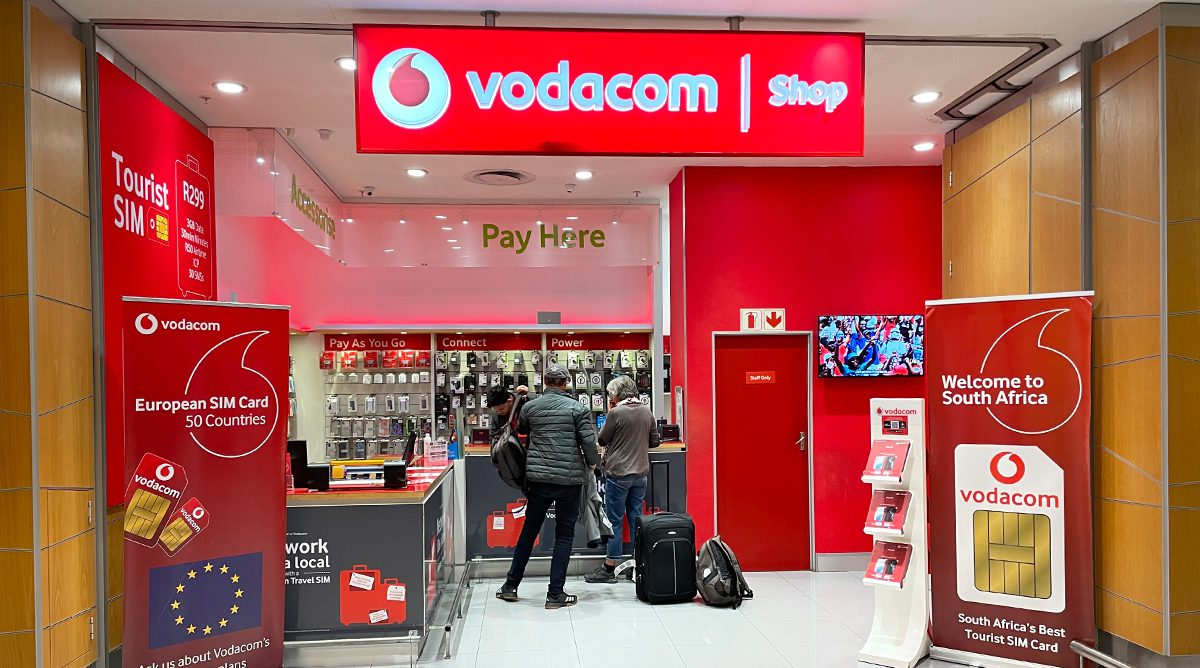

Visits of this nature usually signal something important: a private sector model being considered as a template for a wider national circular economy strategy currently in development.
"Vodacom is supporting a move away from linear consumption patterns, where products are made, used and then discarded," a company spokesperson noted. "This minimises resource consumption and waste by extending the life cycle of products."
51,000 phones are not a solution to a 530,000-tonne problem. But it is proof that the alternative is commercially viable, operationally achievable, and when done at scale, is genuinely consequential.
South Africa's e-waste crisis will not be solved by a single programme from a single company. It will require policy, infrastructure, and a shift in how the entire market thinks about what a phone is worth once you've stopped using it.
Vodacom is not waiting for that conversation to finish before acting. That, at minimum, is a start worth acknowledging.