PayPal Keeps Freezing African Accounts, Someone Needs to Answer For It
PayPal freezed Kenyan accounts and blocked African freelancers. After two decades of exclusion, half-measures, and billions in processed funds, the question is no longer whether PayPal wants Africa, it is whether Africa should allow Paypal in at all.
Imagine waking up to find that the $190 you earned writing for a UK client, money you needed to pay rent, to eat, to keep the lights on, is sitting locked inside a PayPal account you can see but cannot touch.
That was the reality for a Kenyan freelance writer, according to technext24, whose case recently surfaced in reports. He submitted every document PayPal asked for. His contract. His ID and other needed requirements.
But PayPal still limited the account anyway, citing suspicious activity, and kept the funds. No appeal, no refund to the client, just silence, the freelance writer was locked out of his fund of $190, approximately KES 24,500 without any prior notice.
This is not a new story. It is the same story Africa has been living with PayPal for over two decades. We need to ask questions and someone needs to start answering for it.
Twenty Years of Lockout, Then a Press Release
In 2004, PayPal restricted users in Nigeria, Ghana, and several other African countries from receiving funds entirely.
Amidst all the whole happenings not every African country actually lived through the whole PayPal compliance issue equally.
South Africa, Kenya, Egypt, and Morocco retained comparatively fuller access, able to send and receive, because their banking infrastructure and regulatory frameworks aligned more closely with PayPal's compliance requirements and that distinction needs to be outrightly stated.
The official explanation for the restriction was fraud, stolen Western credit cards routed through African IPs. It was presented as a temporary, targeted response but it lingered on to become a 22-year policy.
For most of that period, African accounts existed in a degraded state. You could send money out but not receive it. You could log in and watch a balance you could not withdraw.
You could build an international freelance career, get paid by clients in London or New York, and still have no legitimate way to collect your earnings through one of the world's dominant payment rails.
A 2008 World Bank piece titled "PayPal (not) in Africa" called out the reality of the restriction publicly but the company did not blink nor even gave it a listening ear.
There were some periodic gestures that weren't fully gestures. In 2014, a partnership with First Bank of Nigeria saw the enablement of outbound payments only, send-only, nothing inbound.
After that, in 2021, an integration with Flutterwave helped businesses but did nothing for individual users. Each move came with a press release. Each one left the average African freelancer exactly where they were.
Nigeria is not the headline here, it is a pattern and a case study to understand what Kenya is currently facing. The send-only years, the failed partnerships, the workarounds that helped businesses and ignored individuals, these are not uniquely Nigerian failures.
They are a pattern and Kenya is simply where that pattern is currently most visible and most costly. The mechanism that locked Nigerian and other African freelancers out of their earnings for twenty-two years is the same one freezing Kenyan accounts today. The geography changed but the playbook has not.
In December 2025, PayPal announced it was coming back to Africa through PayPal World, a new cross-border wallet platform, with a planned 2026 rollout across the continent.
The company also committed $100 million to investment and innovation across the Middle East and Africa. Social media responded the way it always does when PayPal mentions Africa, with open contempt and the backlash was loud from different users.
The Kenya Freeze Is Not the Exception, It Is the Pattern
The current wave of account freezes in Kenya has a specific trigger. In February 2024, the Financial Action Task Force placed Kenya on its increased monitoring list, requiring the country to strengthen its anti-money laundering systems.
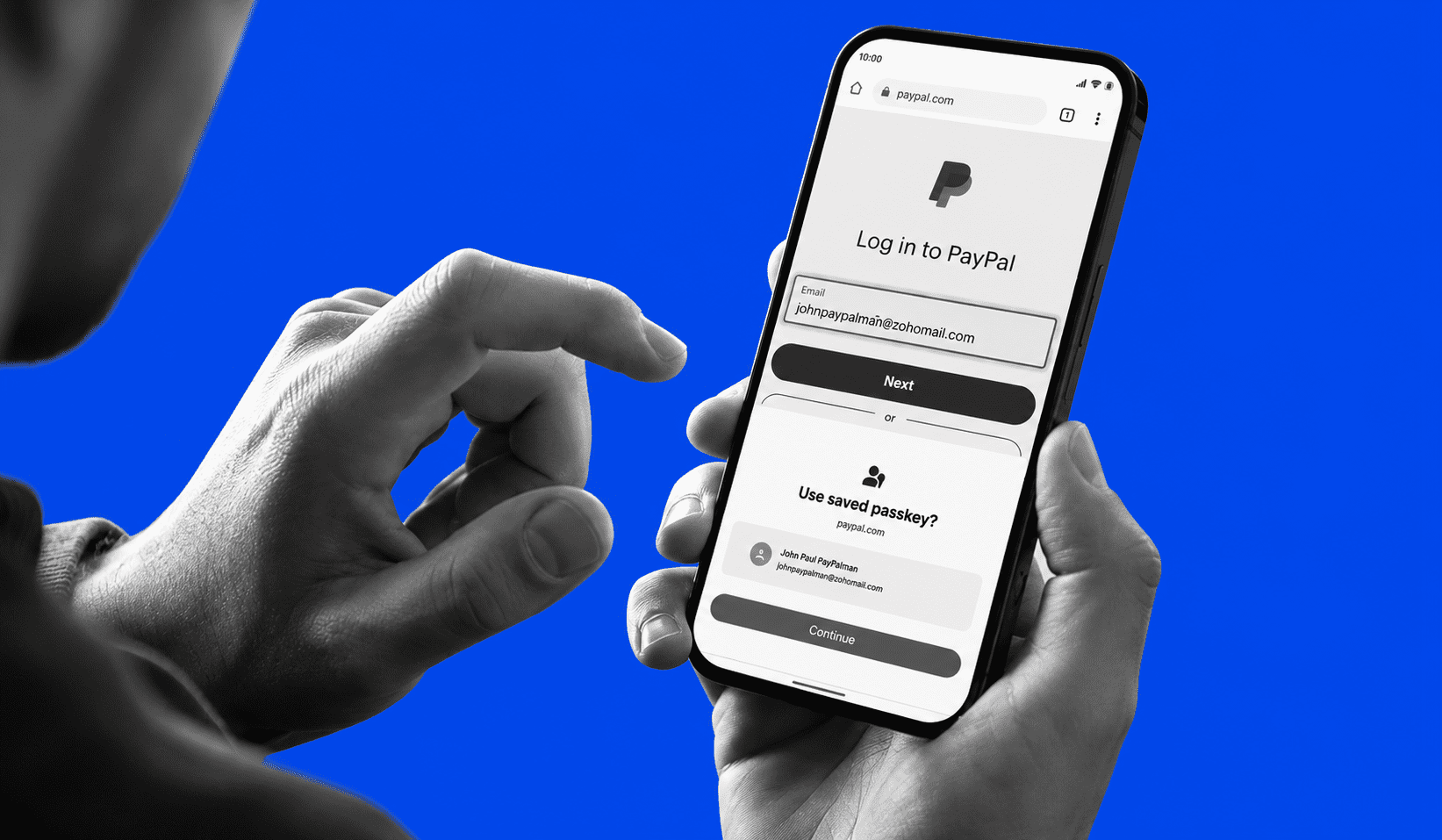
Banks and payment companies responded by tightening compliance checks. PayPal's response was to demand work contracts, bank statements, and proof of a physical home address from Kenyan users who receive international payments.

The last requirement is the cruelest one. In Kenya, most neighbourhoods still navigate by landmarks and informal names, not structured postal addresses.
Asking a Kenyan freelancer for a utility bill tied to a formal street address is asking for something that does not exist for a significant portion of the population. It is compliance designed to fail.
When accounts are found non-compliant, PayPal holds the funds for up to 180 days. If the account remains restricted beyond that, it is deactivated permanently, and the money is not returned to the client who sent it.
Even accounts that survive the review face holds of up to 21 days on future incoming payments. A 2023 survey by Kenyan entrepreneur Sam Gichuru found that around 35% of affected respondents had their funds withheld for more than six months, with some never recovering what was held.
This is not new in Kenya either. In 2018, nearly all Kenyan accounts linked to M-Pesa were frozen without warning during the early phase of PayPal's M-Pesa integration.
They were unfrozen later, also without warning, and without any explanation or apology. A class-action lawsuit has since been filed against the company for seizing customer funds without proper justification. PayPal has not publicly addressed it.
A Market of Data Points, Not a Continent of People
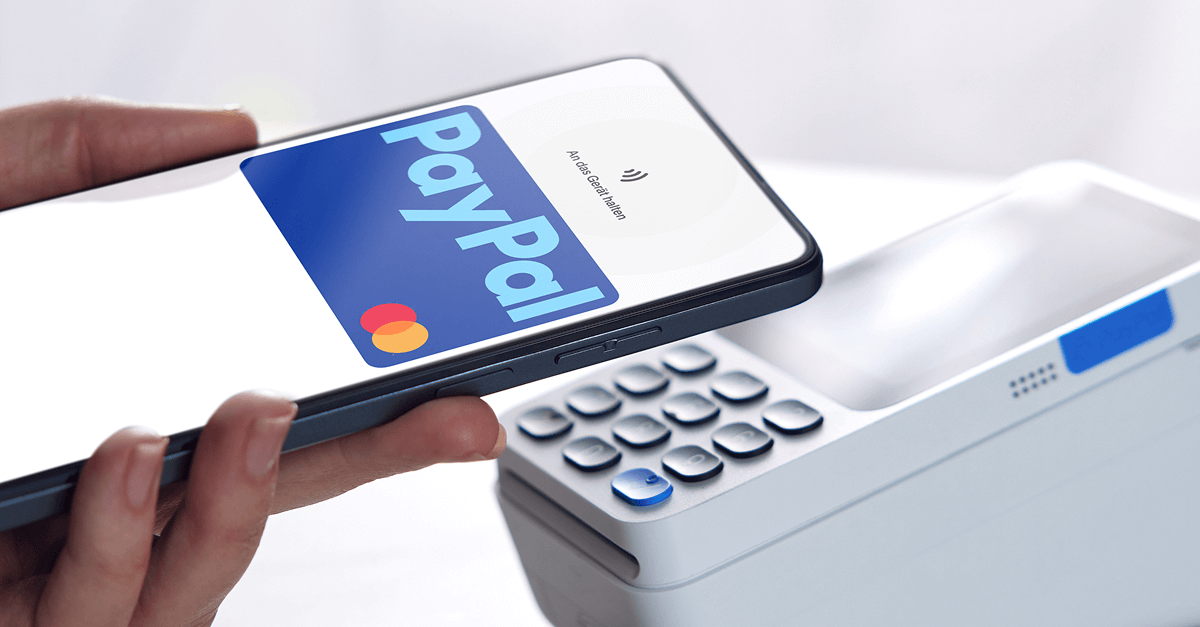
Let's even ask a simpler question first: has PayPal ever actually come to Africa? Every entry has been a proxy, Equity Bank here, M-Pesa there, a Flutterwave arrangement that served merchants and ignored the freelancer waiting on a London payment.
PayPal just has compliance rules and holding periods attached to infrastructure Africans built themselves.
The 2026 PayPal World launch follows the same architecture: a button on someone else's wallet, bearing PayPal's name and risk appetite. That is not arrival. That is franchise management from a distance.
Now here is something worth sitting with. PayPal processed $464 billion globally between January and March 2026 alone. The company holds over 439 million accounts worldwide.
And yet it has no physical offices anywhere on the African continent. It does not publish Africa-specific numbers. It operates through local partners, Equity Bank for withdrawals in Kenya, Safaricom's M-Pesa for a separate integration, Paga for its Nigeria relaunch, and it routinely refers to a continent of 54 nations as "Africa" in its expansion announcements, as though the complexity and diversity of 1.4 billion people resolves into a single checkbox.
When PayPal announced its PYUSD stablecoin expansion to 70 markets, the announcement included Africa. Not Gambia, Kenya or the mention of Ghana but Africa.
The framing matters and needs to be questioned because it exposes exactly how PayPal has always related to the continent, as a risk category to manage, or a market to access, never as a community of people with legitimate livelihoods to protect.
And while frozen funds accumulate, the question no one inside PayPal seems interested in answering is: where does all that held money actually go?
When a Kenyan account gets permanently deactivated with a balance inside, what happens to the funds? PayPal does not return them to the sender and yet the account holder cannot access them.
There is no published disclosure about what becomes of permanently held balances that are permanently locked. For a company processing nearly half a trillion dollars in a single quarter, this is not a small detail and it doesn't need to go unnoticed.
Africa Built Its Own Payments Infrastructure. Governments Should Take Note.
Here is what happened while PayPal was busy managing Africa as a liability. M-Pesa, built in Kenya, now processes KSh 39.39 trillion annually, roughly $300 billion, within Kenya alone.
Africa accounts for 66% to 70% of global mobile money transaction value. Flutterwave, valued at $3 billion at its last funding round, operates across more than 34 African countries.
Paystack, which Stripe acquired for $200 million in 2020, has now become the default payment layer for Nigerian startups and thriving fintechs.
Chipper Cash, Grey, Wise, Payoneer, and GeegPay filled the international freelance payments gap that PayPal refused to fill.
African freelancers adapted. They routed payments through friends abroad. They used VPNs to work around geographic restrictions. They built careers through platforms that did not treat their geography as a crime. They survived. What they did not get was the accountability they were owed.
This is the moment for African governments, Kenya's included, to stop treating PayPal as a neutral infrastructure provider and start treating it as a foreign financial actor that has frozen domestic earnings, withheld livelihoods, and operated on the continent for two decades without a single office or a single meaningful accountability structure.
If a Kenyan bank froze a customer's funds for six months without justification and then permanently seized them upon deactivation, regulators would respond. Why does a foreign payment company get a different standard?
PayPal's 2026 expansion push is not generosity. It is market correction, a belated admission that Africa's fintech ecosystem matured without them, and that they need Africa more than Africa needs them.
The $100 million commitment is real money, but it does not compensate for a generation of freelancers who lost income to account freezes, or the Kenyan writer who submitted every document PayPal asked for and still had his $190 taken.
But here is what genuinely does not add up. PayPal is aggressively pushing back into a continent whose accounts it is simultaneously freezing. The same company announcing a $100 million African commitment is the same company holding a Kenyan freelancer's $190 with no functional appeal.
So what is PayPal seeing in Africa that Africans are not seeing in themselves? Because you do not commit that kind of money to a market you consider a liability.
PayPal knows what Africa is worth.PayPal knows what Africa is worth. The two-decade ban was never purely about risk — it was about timing. Waiting until African fintech matured enough that they could enter through a side door, on their own terms, without ever answering for the years they spent locking people out.