The US Is Reducing Its Visa Embassies in Africa to 20, Did Anyone Ask What Happens to the Other 34 Countries?
The US has reduced its African visa processing embassies from 50 to just 20 hubs, covering 54 nations. But this is not an isolated move. It is the latest in a sustained pattern of visa bonds, immigrant visa suspensions, and green card rule changes that have been quietly narrowing access for Africans.
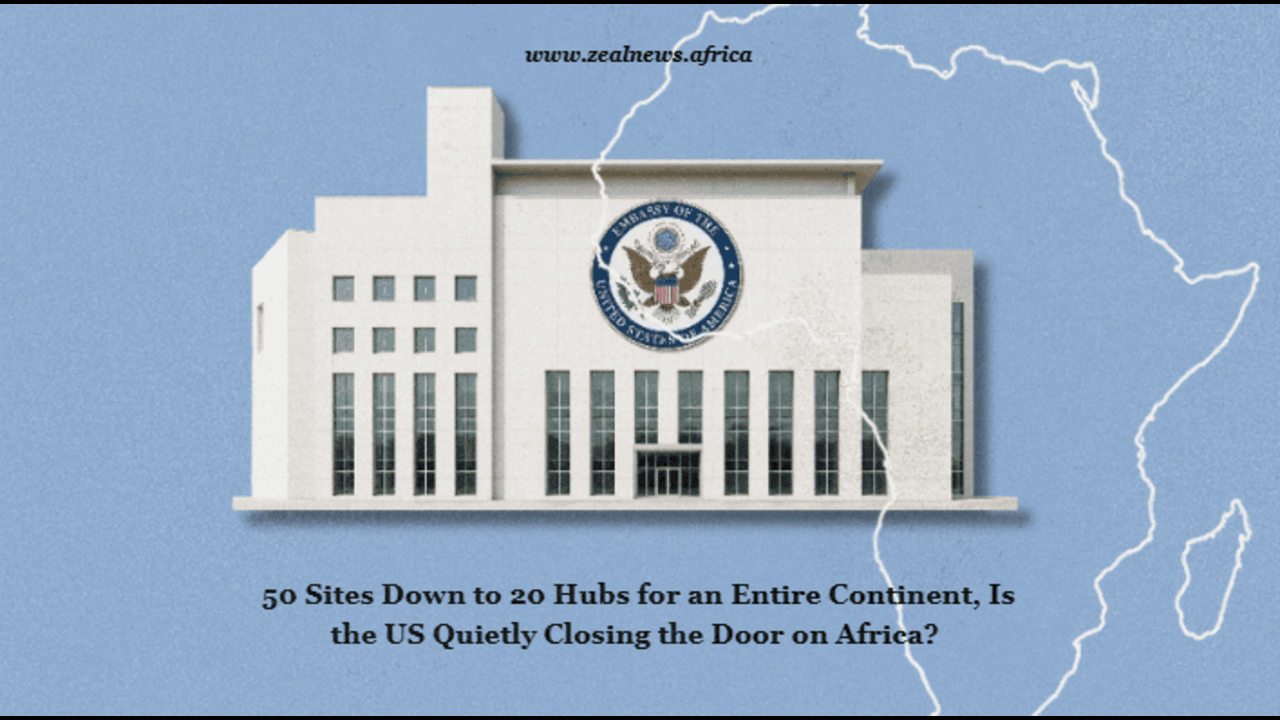
There are 54 countries in Africa. Independent nations, each with its own government, its own capital, its own passport, its own citizens with their own reasons for wanting to travel that they plan to.
But the United States government is now deciding that just 20 African countries are sufficient entry points for the entire continent to access US visa processing.
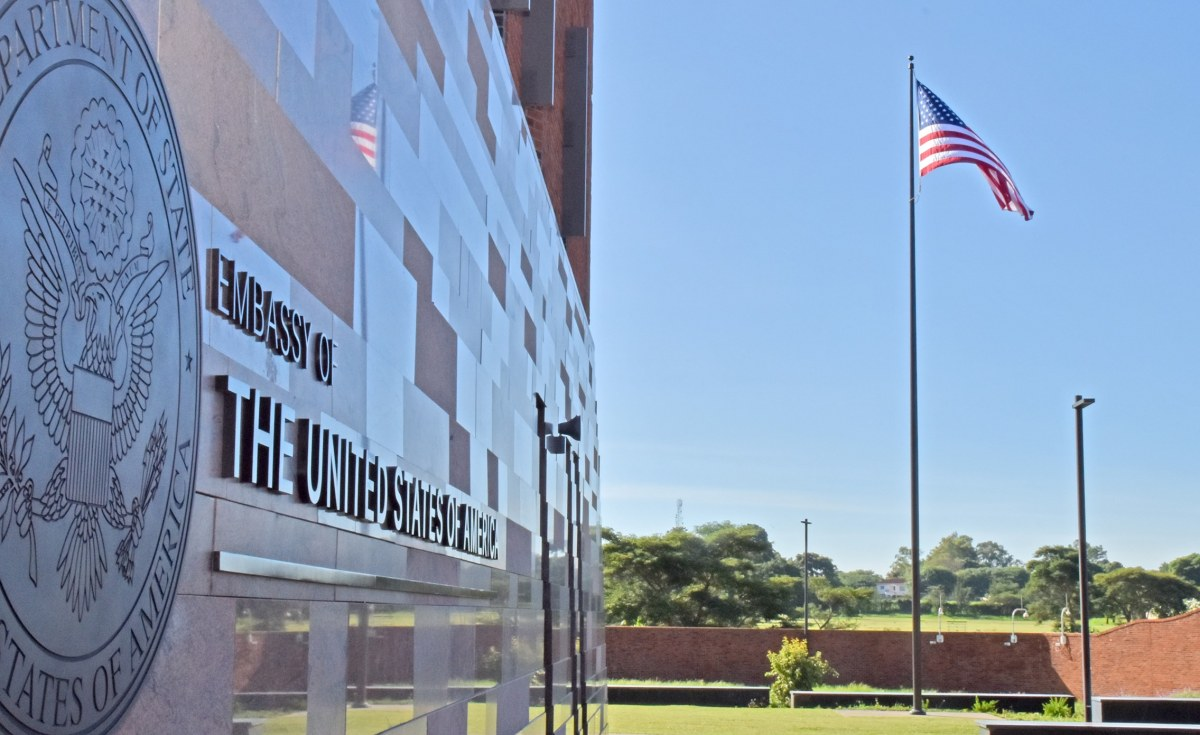
The directive, approved by Secretary of State Marco Rubio, reduces the number of US embassies and consulates in Africa capable of processing visa applications from roughly 50 sites down to 20 designated hubs expected to take effect in June 2026.
The announcement arrived with no ceremony, most of the coverage has focused on the logistics and how to effectively pass this policy. The deeper question is what this actually says, and what it sits on top of.
This Did Not Start With a Memo — It Started With a Pattern
To fully understand the magnitude of this embassy reduction, you have to understand the trail it follows and how it finally came here.
All of this is not an isolated policy, it is the latest move in a sustained campaign that has been methodically tightening every door through which Africans, and particularly Nigerians, access the United States.
In January 2026, the US implemented a partial suspension of immigrant visa issuances to nationals of Nigeria and 18 other countries, most of them African, citing public assistance usage and security concerns under Presidential Proclamation 10998.
That suspension covered green cards, B-1, B-2, F, M, and J visas, essentially the full range of legal pathways.
Before that, the US government had initially introduced a visa bond program beginning with two African countries in August 2025 and has been expanding aggressively.
In April 2026, citizens of 50 countries, largely in Africa, Latin America, and South Asia, were required to post bonds of between $5,000 and $15,000 just to apply for a B1 or B2 visa.
And this payment does not give a sure guarantee to entry or access to fully get a visa. It was a directive to foreigners to just apply and live with the outcome of what they got.
Nigeria is on that list. So are Ghana, Tanzania, Senegal, Togo, Liberia, countries that now simultaneously face a bond requirement and a reduction in the number of sites where they can even submit that application.
Then, just two weeks before the embassy reduction was announced, the Trump administration announced that green card applicants already living legally in the United States would have to return to their home countries to complete their applications, reversing over fifty years of established immigration practice.
World Relief, a humanitarian organisation, according to US News and World Report, described the likely outcome of this: if families are told the non-citizen member must return to their country of origin to process an immigrant visa, but immigrant visas are not being processed there, it is a Catch-22 that will effectively create indefinite family separation. That is the context within which the embassy reduction lands.
Twenty Hubs for Fifty-Four Nations, Do the Maths
The 20 designated visa processing hubs are Lagos, Nairobi, Johannesburg, Cape Town, Accra, Abidjan, Addis Ababa, Dakar, Dar-es-Salaam, Djibouti, Kampala, Kigali, Kinshasa, Lomé, Luanda, Malabo, Monrovia, Port Louis, Praia, and Yaoundé.
That means a citizen of Sudan, Libya, Tunisia, Madagascar, Niger, Chad, Mali, Burkina Faso, Somalia, Zimbabwe, Mozambique, Botswana, Namibia, Eswatini, Comoros, or Eritrea, among others, now has no local embassy option.
They must arrange international travel to a hub country, absorb the cost of that journey, secure accommodation, and navigate the immigration requirements of a third country, all before they can even sit in front of a US consular officer.
For countries with direct flight connections and established travel infrastructure, this is expensive but manageable. For landlocked nations or areas with limited air connectivity, the logistics are formidable.
The US State Department's own language acknowledges this: the new rules mean citizens of non-hub countries will face formidable travel challenges and costs. That sentence is in the official memo. The administration wrote it, published it, and proceeded anyway because why not; the United States government answers to itself and not any other nation.

And the processing backlogs that existed before this reduction are not small. Non-immigrant visa wait times in Nigeria alone were already exceeding six months before the hub system was announced.
Concentrating the entire continent's visa traffic into 20 locations will not shorten those queues. It will extend them, and the people waiting longest will be from the countries furthest from a hub, carrying the highest travel costs, most of whom are applying for visas they may not receive because their country is also on a partial suspension list or a visa bond programme.
That is not an accident of poor planning. It is the predictable outcome of compounding restrictions.
The Framing Nobody Is Challenging
The US government has consistently framed its immigration tightening as a global measure, a policy applied universally in the interest of national security, public assistance management, and immigration control.
And technically, the language of these proclamations does not outrightly say Africa, it lists countries, but when the visa bond program launched with Malawi and Zambia, then expanded to The Gambia, Mauritania, and Tanzania, then added another 32, and then 12 more, the geography of that list is not subtle but clear.
The same pattern holds for the partial visa suspension that hit Nigeria and 18 others in January 2026, or the embassy hub reduction that now applies only to Africa.
The question that almost nobody is asking is the most obvious one: does everyone who wants a US visa actually go to America and stay there? The answer is clearly no. People apply for US visas for tourism, education, business meetings, family visits, and conferences.
Many of them contribute directly to the US economy when they arrive. The US generates significant revenue from visa application fees alone, and the bond requirement adds another $5,000 to $15,000 on top of that, money that is only returned if the applicant complies fully with visa terms.

The financial structure of this system is not charitable. The US is not doing Africa a favour by maintaining embassies.
What the consistently high African visa application numbers actually demonstrate is demand for what America offers, universities, medical facilities, business networks, diaspora family connections. That demand exists because African applicants have legitimate reasons to travel.
Treating that demand as a problem to be managed through successive restrictions, bonds, suspensions, and hub consolidations does not make the demand disappear. It just makes the people who carry it more invisible to the institutions they are trying to reach.
Fifty-four nations and just twenty embassies, coupled with months of waiting, will now be the new order for the US visa. Thousands of dollars in bonds will now be paid before a single question is answered.
This is what managed exclusion looks like when it is dressed in the language of administrative efficiency and government policies.