The Samsung Most People Don't Know: From the World's Tallest Building to the Future of Biotechnology
Samsung is far bigger than the smartphones it is famous for. From building the Burj Khalifa and manufacturing semiconductor chips to advancing biotechnology and shipbuilding, the South Korean conglomerate is quietly shaping industries that power modern life across the world.
There is a strange thing that happens whenever Samsung launches a new smartphone or any sort of mobile device.
Within minutes, hours, and maybe some days, the internet begins another familiar conversation that we all might have been part of at one point in time: The usual debate of Samsung versus Apple or any other brand of phone, ranging from camera comparisons, battery tests, and who has the best foldable phones. Who copied who? Who did it better?
It is perhaps the most successful misunderstanding about Samsung.
While millions of people are debating whether Samsung makes better phones than Apple, Samsung itself is quietly building cargo ships longer than football fields, constructing some of the world's most iconic buildings, manufacturing the semiconductors powering modern technology, developing biopharmaceuticals, and helping shape industries most people never realise it is part of.
The smartphone sitting in your hand might be Samsung's most visible product, but it is far from being its biggest story. In fact, it may also be one of the least consequential products within Samsung's much larger ecosystem.
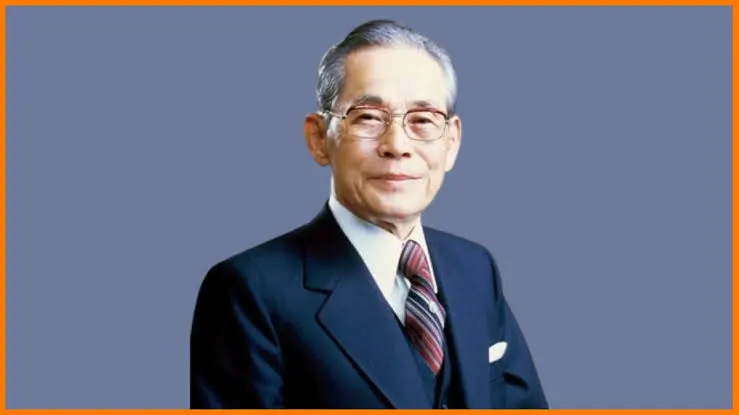
Founded in 1938 by Lee Byung-chul as a small trading company in South Korea, Samsung began exporting dried fish, vegetables, and noodles.
Nearly nine decades later, it has become one of the world's largest conglomerates, operating across industries that rarely appear together in the same conversation.
The company is simultaneously involved in construction, finance, shipbuilding, biotechnology, semiconductors, consumer electronics, displays, engineering, and energy solutions.
That diversity is perhaps what makes Samsung one of the most fascinating companies of the modern era.
It is difficult to compare Samsung to almost any other technology company because Samsung is not simply a technology company. It is an ecosystem disguised as a brand.
The Company Behind More Things Than Most People Realise
Samsung's relationship with technology stretches far beyond the devices consumers see on store shelves.
There is an irony in people comparing Samsung smartphones to iPhones without realising that Samsung manufactures components that have powered generations of Apple's products.
The competition exists, but so does the partnership. That paradox alone best captures how unusual Samsung's position within global technology really is.
The company remains one of the world's leading semiconductor manufacturers, producing memory chips used across industries ranging from artificial intelligence and cloud computing to automobiles and consumer electronics.
Latest Tech News
Decode Africa's Digital Transformation
From Startups to Fintech Hubs - We Cover It All.
Samsung led the global DRAM market with a 38% share in Q1 2026 and became the world's top automotive memory chip supplier in 2025 with a 40% share, overtaking Micron.
In many ways, Samsung is helping build the digital infrastructure powering technologies that consumers associate with entirely different brands. Then there are the displays. Millions of people spend hours every day looking at screens manufactured by Samsung without ever knowing it.
From smartphones to televisions and next-generation foldable displays, Samsung's influence extends across devices consumers may never associate with the company itself.
Modern technology is increasingly interconnected, and Samsung has quietly positioned itself not simply as a participant in that ecosystem but as one of the businesses helping hold significant portions of it together. Samsung Group's roughly 60 affiliates now generate revenue equivalent to about a fifth of South Korea's entire GDP.
Perhaps that is why reducing Samsung to smartphones increasingly feels like describing an entire city by talking only about one of its buildings.
Samsung Isn't Just Building Products. It's Building Industries

Somewhere in Dubai stands the tallest building ever constructed by humanity. Samsung helped build it. The Burj Khalifa remains one of the most recognisable architectural achievements of the modern world, yet very few people associate it with Samsung.
Through Samsung C&T Corporation, the company was one of the principal contractors responsible for bringing the project to life.
Thousands of kilometres away, Samsung Heavy Industries is building some of the world's largest vessels, including LNG carriers, oil tankers, and offshore platforms that help move global commerce across oceans every single day.
The contrast is remarkable. One division is helping construct skyscrapers touching the clouds, while another is manufacturing the ships carrying global trade beneath them.
The average person might wake up in a Samsung-built apartment, transfer money through infrastructure powered by Samsung technology, watch content on a Samsung display, and interact with products containing Samsung components without consciously engaging with the brand beyond the smartphone in their pocket.
Samsung employs over 260,000 people worldwide, roughly half of them outside South Korea. At that scale, Samsung begins to look less like a consumer electronics company and more like an industrial story. That story becomes even more interesting when viewed through the lens of the future.
The company has invested significantly in biotechnology through Samsung Biologics, which has become one of the world's leading contract manufacturing organisations for biopharmaceutical products. Its Songdo campus now holds roughly 784,000 litres of bioreactor capacity, the largest single-site biologics manufacturing complex on Earth.
At a time when healthcare innovation increasingly depends on biotechnology, Samsung has quietly positioned itself within another industry shaping the decades ahead.
Artificial intelligence, semiconductors, biotechnology, construction, energy infrastructure, advanced manufacturing, and consumer technology are often discussed separately. Samsung operates across all of them simultaneously. Very few companies can say the same.
The Bigger Lesson Hidden Inside Samsung's Story
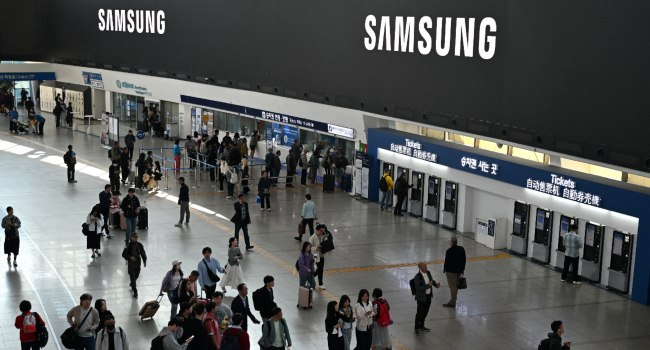
There is perhaps another reason Samsung's story matters beyond business itself. It challenges how we think about innovation.
Latest Tech News
Decode Africa's Digital Transformation
From Startups to Fintech Hubs - We Cover It All.
Modern conversations around technology companies often revolve around singular products. The next phone. The next laptop. The next software update. Innovation becomes something measured by annual launches and keynote presentations.
Samsung offers a different model. Its greatest innovation may not be any particular product but its ability to quietly remain relevant across entirely different industries for almost ninety years.
The lesson is subtle but important. Sustainable growth is rarely about building one successful thing. Sometimes it is about building multiple things capable of surviving multiple futures.
Long before artificial intelligence became fashionable, Samsung was manufacturing semiconductors.
Long before foldable smartphones became commercially viable, it was investing in display technologies.
Long before biotechnology became one of the world's fastest-growing industries, Samsung had already entered the space.
The company's story is ultimately less about diversification and more about imagination. It is a reminder that businesses do not always have to become better versions of what they already are. Sometimes, they become something much bigger altogether.
The next time Samsung launches another smartphone, millions of people will once again compare it to an iPhone or other phone brands. There is nothing wrong with that conversation.
It is simply incomplete. Because somewhere else in the world, Samsung might simultaneously be helping build the future of medicine, constructing tomorrow's infrastructure, manufacturing the technology powering global innovation, or building the ships carrying world trade across the oceans.
The phone was never really the whole story. It was simply the part we could hold in our hands.