When Your Identity Lives Online, Who Should You Trust With It? Ghana's New Rule Opens A Conversation About Digital Identity
Ghana's decision to make biometric identity verification compulsory opens a bigger conversation about digital identity, fraud prevention, data sovereignty, and whether governments are building secure systems worthy of the trust citizens place in them.
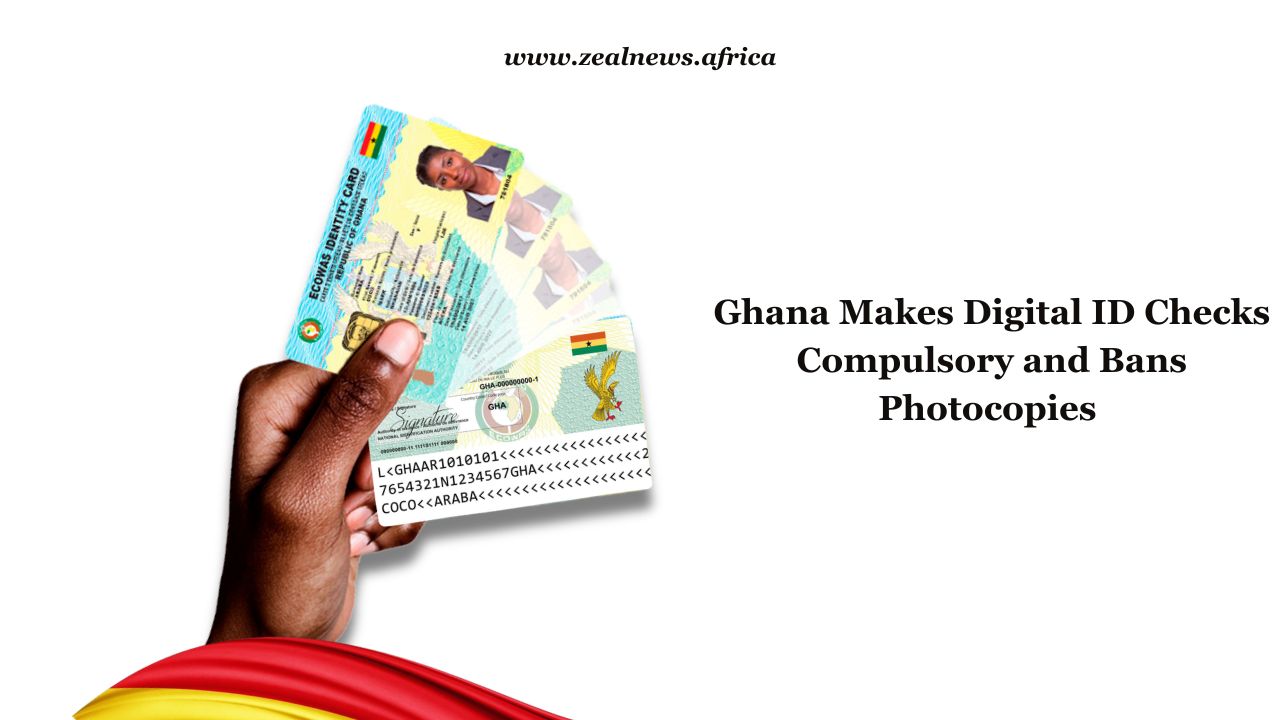
For decades, proving who we are has been remarkably simple. We hand over an identity card at a bank counter, submit a photocopy to a government office, or upload a scanned document while creating an online account.
Somewhere along the way, we collectively decided that seeing an identity card was the same thing as verifying one. The digital age has exposed just how dangerous that assumption can be.
A photocopy does not prove identity. Neither does a laminated card sitting inside someone's wallet. It merely proves that a document exists. Whether the person holding it is actually the person it belongs to is an entirely different question.
This week, Ghana decided to clarify the circumstances behind those matters enough to change the law.
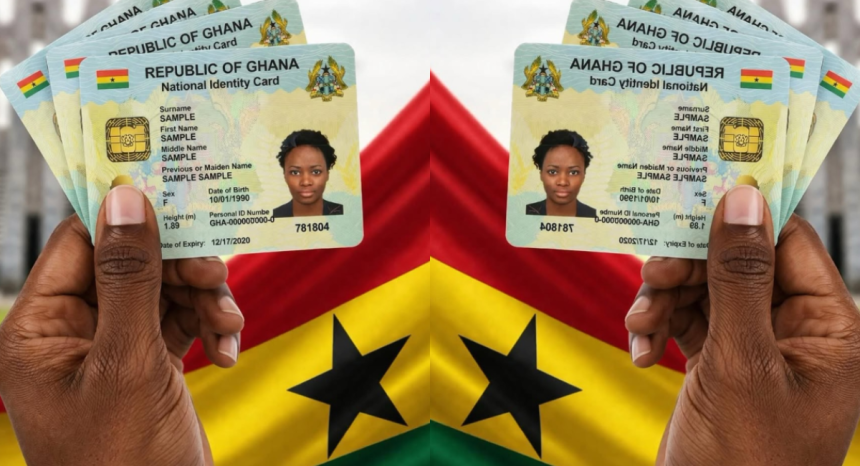
Under new regulations announced by the National Identification Authority (NIA), organisations can no longer rely on photocopies or visual inspections of the Ghana Card when conducting transactions.
Instead, biometric verification has become mandatory, requiring institutions to verify identities through the country's official verification system digitally. Those who fail to comply risk significant fines and possible prosecution.
At first glance, it looks like a story about fraud prevention in Ghana. It is that, but it is also something much bigger.
It is a story about what identity means when it no longer lives inside our pockets but inside databases. It raises questions about who owns our data, where it lives, who protects it, and whether governments across Africa are building digital identity systems quickly enough to prevent fraud, but slowly enough to protect citizens from becoming vulnerable in entirely new ways. Because the future of identity is not arriving. It is already here.
The Problem Was Never the Card. It Was Always Verification
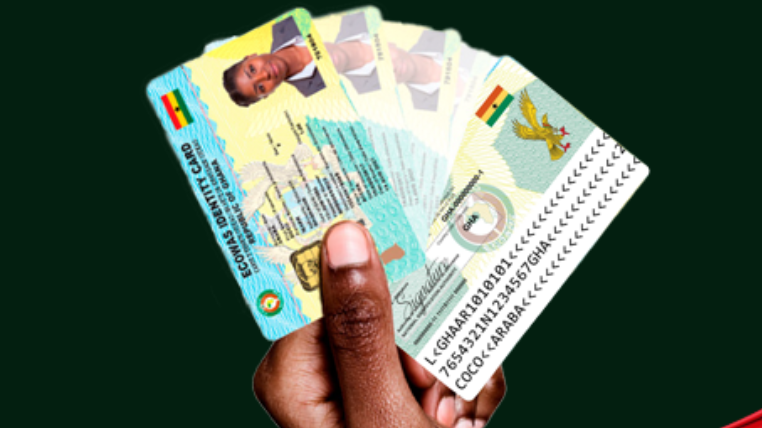
Identity fraud is one of the fastest-evolving crimes in the digital economy precisely because criminals no longer need to steal money first. New account fraud alone rose 13% year-on-year in 2025, driven largely by weak identity verification at onboarding. Sometimes, stealing identity is enough.
Across the world, identity theft has become the gateway to financial fraud, SIM swap scams, illegal account openings, money laundering, and cybercrime.
A convincing photocopy, a stolen image uploaded online, or leaked personal information from a previous database breach can sometimes provide criminals with enough information to impersonate someone else. Globally, identity fraud cost an estimated $50 billion in 2025, with early indicators suggesting 2026 will surpass that figure.
Ghana's new directive quietly acknowledges something governments have been reluctant to say publicly for years: possessing an identity document and verifying an identity are two different things.
The clarity of that matters because national identity cards have become passports into modern life. The Ghana Card now covers an estimated 19.4 million people, roughly 86% of eligible residents, meaning the new rule reaches nearly the entire adult population at once.
Today, identity systems sit underneath almost everything we do. They determine whether we can open bank accounts, receive government services, register SIM cards, obtain passports, vote, or, increasingly, access digital financial services.
Nigeria's National Identification Number (NIN), India's Aadhaar system, Estonia's digital identity framework, and Ghana's Ghana Card all represent variations of the same global trend.
Governments are gradually transforming identity from something physical into something digital and interoperable. The more connected these systems become, however, the more valuable they become to criminals.
A forged photocopy might once have allowed someone to open a fraudulent account. Today, compromised identity systems potentially create risks across entire financial ecosystems.
Ghana's decision, therefore, is less about banning photocopies than it is about changing what trust looks like in the digital age. Trust is moving away from visual confirmation towards digital verification. That shift is happening everywhere.
The Digital Identity Race Africa Is Quietly Running
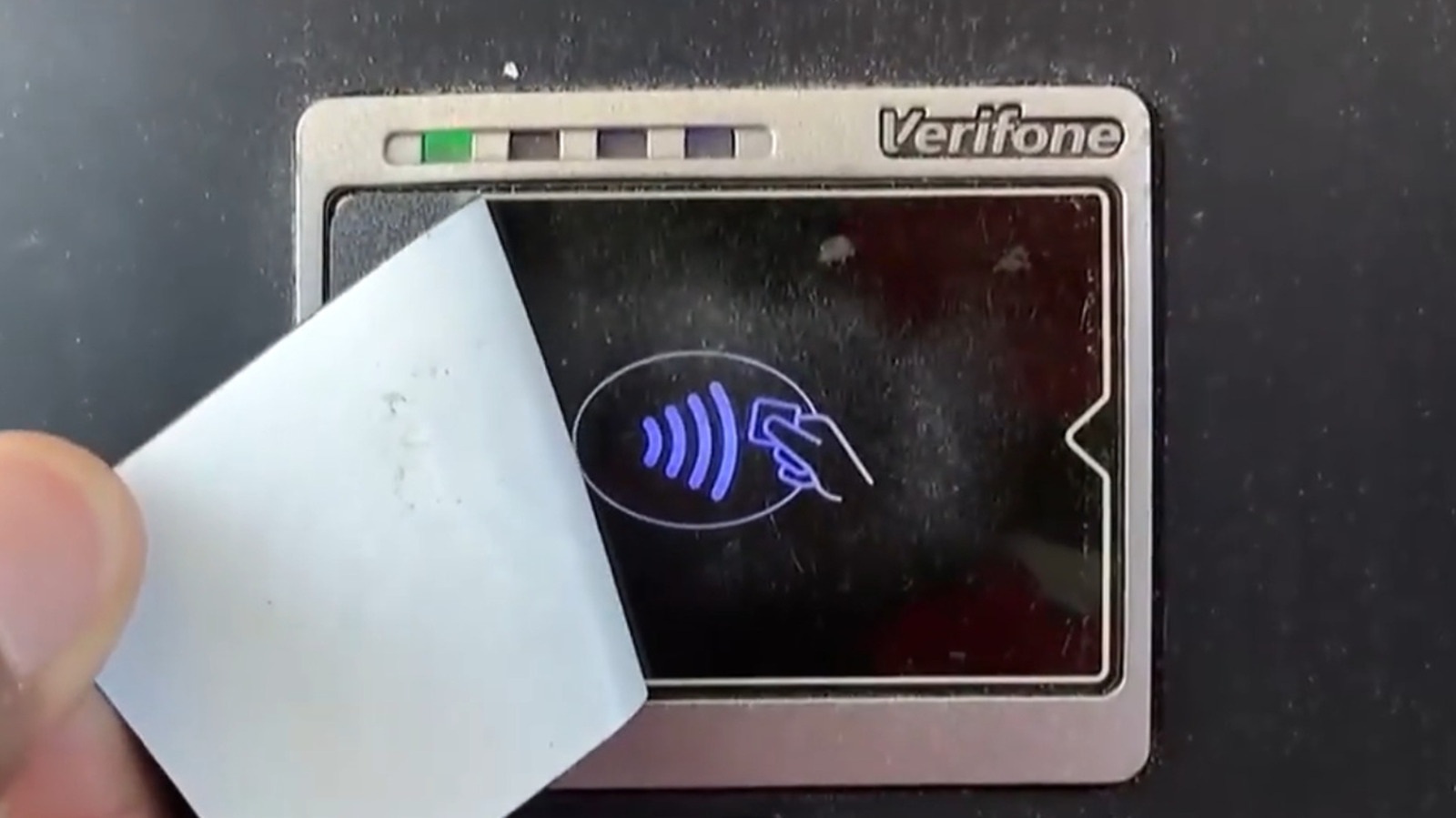
Africa is currently experiencing one of the world's largest digital identity transformations. Governments are racing to digitise populations that were historically underserved by formal identification systems, and the benefits of these steps are enormous.

Roughly 800 million people in Sub-Saharan Africa still lack official identification, according to World Bank ID4D data, nearly half of the global total waiting to be untapped. Digital identities can expand financial inclusion, improve service delivery, reduce corruption, and make public institutions more efficient.
Yet beneath that optimism lies another conversation that receives significantly less attention: Where exactly is Africa's digital identity infrastructure living?
Data has become one of the world's most valuable resources, and digital identity systems have become some of the largest repositories of citizen information ever assembled by governments.
Fingerprints, facial recognition data, iris scans, signatures, addresses, financial information, and behavioural patterns now sit inside databases that require extraordinary levels of protection.
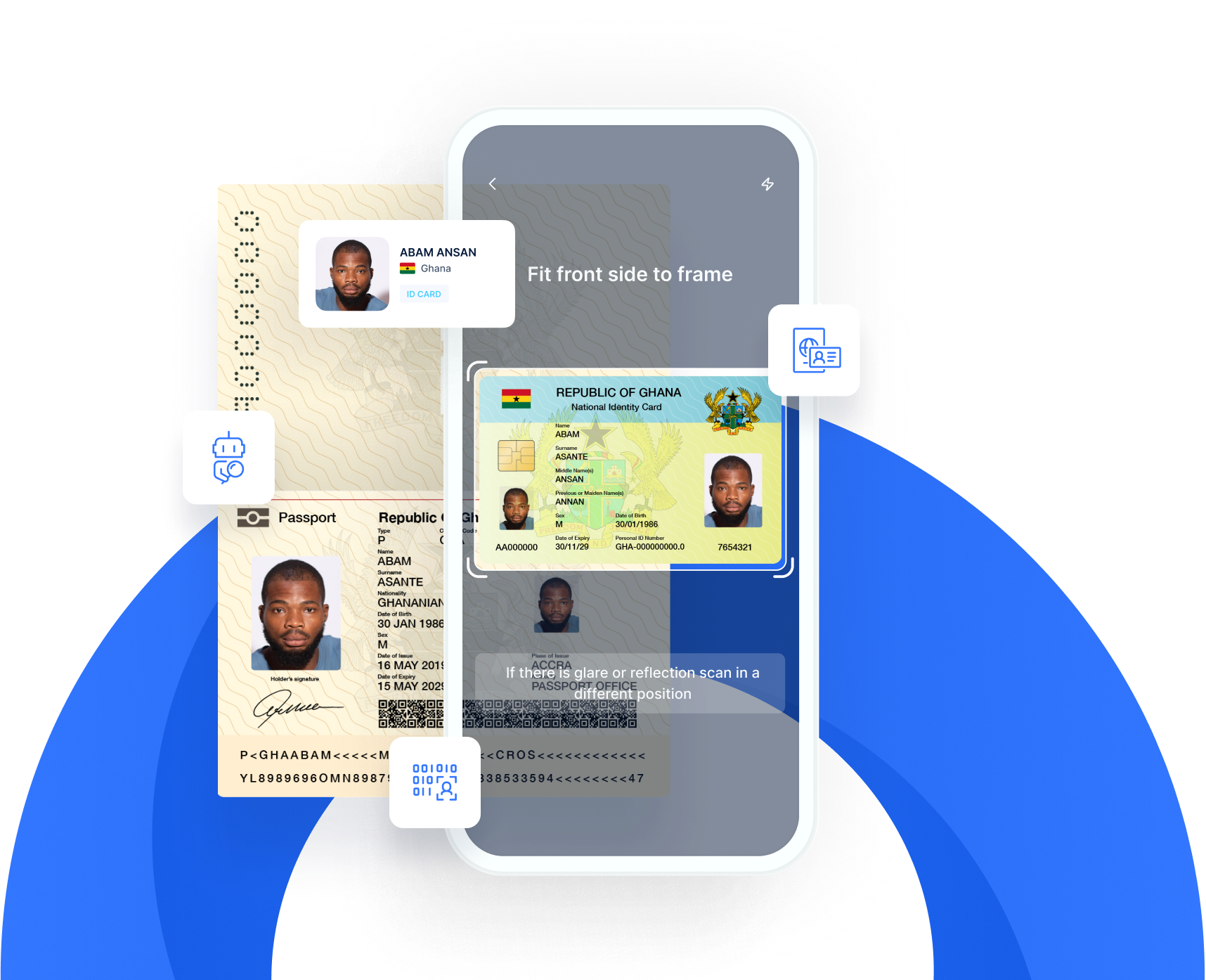
Unfortunately, building identity systems and securing identity systems are not always progressing at the same speed. Several African countries still depend significantly on foreign cloud infrastructure and overseas data centres for different aspects of their digital ecosystems.
Others continue building domestic data centre capabilities that are expanding rapidly but remain unevenly distributed across the continent.
The question is no longer simply whether countries have digital identities. It is whether they have the infrastructure required to securely manage them. According to the World Bank ID4D Global Findex Database 2025, close to 2.8 billion people still have no access to a government-recognized digital identity for secure online transactions.
So there is no doubt that data sovereignty has become one of the defining conversations of modern governance.
Who owns the servers hosting national identity information? Which country's laws apply when breaches occur? What happens when political disputes, sanctions, cyberattacks, or infrastructure failures interrupt access to systems that citizens rely upon daily?
These questions sound theoretical until an entire nation's banking system, telecommunications infrastructure, or identity verification platform becomes temporarily inaccessible.
Digital identity is ultimately an infrastructure conversation disguised as a technology conversation.
Fraud Has Become Digital. Security Must Become Digital Too
The reality is that fraud has evolved faster than many institutions. Banks are increasingly deploying biometric authentication systems. Telecommunications providers are strengthening SIM registration requirements.
Financial technology companies are investing heavily in fraud detection technologies. Governments are expanding digital verification frameworks. Criminals, unfortunately, are evolving alongside them.
Artificial intelligence now makes it possible to generate convincing forged documents, cloned voices, and manipulated images at unprecedented speed. Deepfake use in biometric fraud attempts jumped 58% year-on-year.
Deepfake technologies continue improving. Social engineering scams have become increasingly sophisticated, while data breaches continue to expose millions of records globally every year.
In that environment, asking someone to submit a photocopy of an identity card increasingly resembles asking them to protect their home with a paper lock.
Digital fraud demands digital responses. Ghana's approach offers an important lesson here. The most interesting part of the policy is not necessarily that verification is becoming mandatory. It is that responsibility that is also becoming mandatory.
Businesses can no longer simply say they looked at an identification card and accepted it in good faith. Verification itself becomes part of institutional responsibility.
The principle behind this extends far beyond Ghana. If governments expect citizens to trust digital identity systems, then governments must build systems worthy of that trust.
Institutions must invest in security. Businesses must prioritise verification over convenience. Citizens must understand that protecting their digital identities is becoming as important as protecting their bank accounts.
Digital trust is no longer optional infrastructure. It has become an economic infrastructure.
The Bigger Question Is Not About Fraud. It Is About the Future of Trust
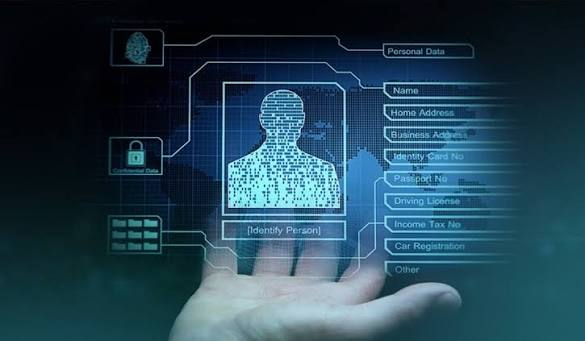
Perhaps the most important question Ghana's announcement raises has very little to do with fraud itself: What happens when our identities become entirely digital?
For younger generations, physical documents are already becoming secondary. Mobile banking, digital wallets, online government services, and biometric verification are steadily replacing paper-based systems across industries.
The future being imagined by governments is remarkably frictionless. Your fingerprint becomes your password. Your face becomes your identification document. Your phone becomes your wallet. Your identity becomes instantly verifiable from almost anywhere in the world.
That future promises enormous convenience. It also demands unprecedented responsibility.
Because every technological advancement creates two simultaneous realities. One where innovation expands opportunity, and another where failures become significantly more consequential than they once were.
A lost identity card can be replaced. A compromised national identity database presents a different kind of challenge altogether.
This is why conversations about digital identity can never simply be conversations about technology. They are conversations about governance, economics, cybersecurity, infrastructure, privacy, and ultimately, public trust.
Ghana's decision may have begun as an anti-fraud measure, but its implications travel much further than national borders.
The photocopy is never really the whole story. The story is that we are slowly building societies where proving who we are increasingly depends not on what sits inside our wallets, but on what lives inside databases we cannot see.
The real question is whether the institutions building those systems will earn the trust they are asking citizens to give them.
Because in the digital economy, identity is becoming more valuable than almost anything else we own, and perhaps that is why protecting it should concern everyone.