Nine Years, $156 Trillion, and 323 Million Users: Binance Wants to Be More Than an Exchange
Nine years after its founding, Binance has grown from a crypto exchange into one of the world's largest financial platforms, serving 323 million users and processing over $156 trillion in trading volume as it helps shape the future of global finance.

Nine years ago, Binance was little more than an idea backed by a whitepaper, a $15 million token sale, and a cryptocurrency industry that fewer than six million people on Earth cared about.
Today, its user base alone is larger than the population of most countries, its lifetime trading volume has crossed $156 trillion, and nearly half of the world's cryptocurrency holders use its products.
Somewhere along the way, Binance stopped being just another crypto exchange. The more interesting question now is when exactly that happened.
Because exchanges simply facilitate transactions. Financial infrastructure shapes how people access money itself. And Binance increasingly looks like it wants to become the latter rather than remain the former.
Founded in 2017 by Changpeng Zhao (better known as CZ) and Yi He, Binance launched at a time when cryptocurrency was still treated as a niche experiment. Bitcoin itself was less than a decade old, institutional investors were largely absent from the industry, and few could have predicted that digital assets would eventually become part of conversations happening in boardrooms, governments, and financial institutions across the world.
Within just 165 days of launching, Binance became the world's largest cryptocurrency exchange by trading volume. What followed was not simply growth but expansion in every direction imaginable. The company began building an ecosystem that stretched far beyond buying and selling cryptocurrencies.
The Rise of Binance Mirrors the Rise of Crypto
Today, Binance's products span payments, education, blockchain infrastructure, decentralised applications, savings products, tokenised assets, institutional services, and traditional finance offerings. What started as an exchange has slowly become something much broader: a financial platform attempting to sit at the intersection of crypto and traditional finance.
Its numbers tell part of that story. Binance now serves more than 323 million registered users across over 100 countries. In the first half of 2026 alone, its user base grew by approximately 7%, while institutional users increased by 9%.
Its lifetime trading volume has crossed $156.4 trillion, with an additional $11.4 trillion processed during the first six months of this year.
To appreciate how extraordinary that growth is, it helps to remember where the industry itself began. When Binance launched in July 2017, fewer than six million people worldwide owned cryptocurrency.
Today, that number exceeds 741 million. Binance's 323 million users represent roughly 43% of all cryptocurrency holders globally. The rise of Binance, then, is also the story of cryptocurrency becoming mainstream finance.
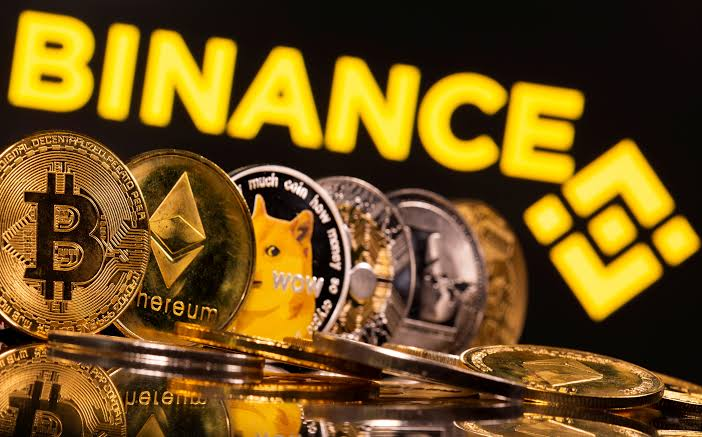
For much of the last decade, crypto was dismissed as speculative internet money or a passing technological fad. Yet somewhere between the emergence of stablecoins, institutional adoption, spot ETFs, and blockchain-based financial products, that narrative began changing.
Financial institutions that once questioned cryptocurrency are increasingly building products around it. Binance has grown alongside that transition.
Its significance is perhaps most visible in emerging markets. Across Africa, Southeast Asia, and Latin America, cryptocurrency adoption has often been driven less by speculation and more by necessity.
Cross-border payments remain expensive, access to investment products remains uneven, and millions of people remain underserved by traditional banking systems. For many users, crypto became less about replacing money and more about accessing financial services that were previously unavailable or prohibitively expensive.
Platforms like Binance became the infrastructure through which that access was delivered. The company has spent years quietly expanding that infrastructure.
Binance Pay facilitates crypto payments globally. Binance Earn offers savings and yield products. Binance Academy has educated millions of users about blockchain technology, while BNB Chain has grown into one of the world's largest blockchain ecosystems, powering thousands of decentralised applications.
Trust Wallet,acquired in 2018, has become one of the most widely used self-custody crypto wallets globally.
Beyond Crypto: Binance's Next Bet on Finance
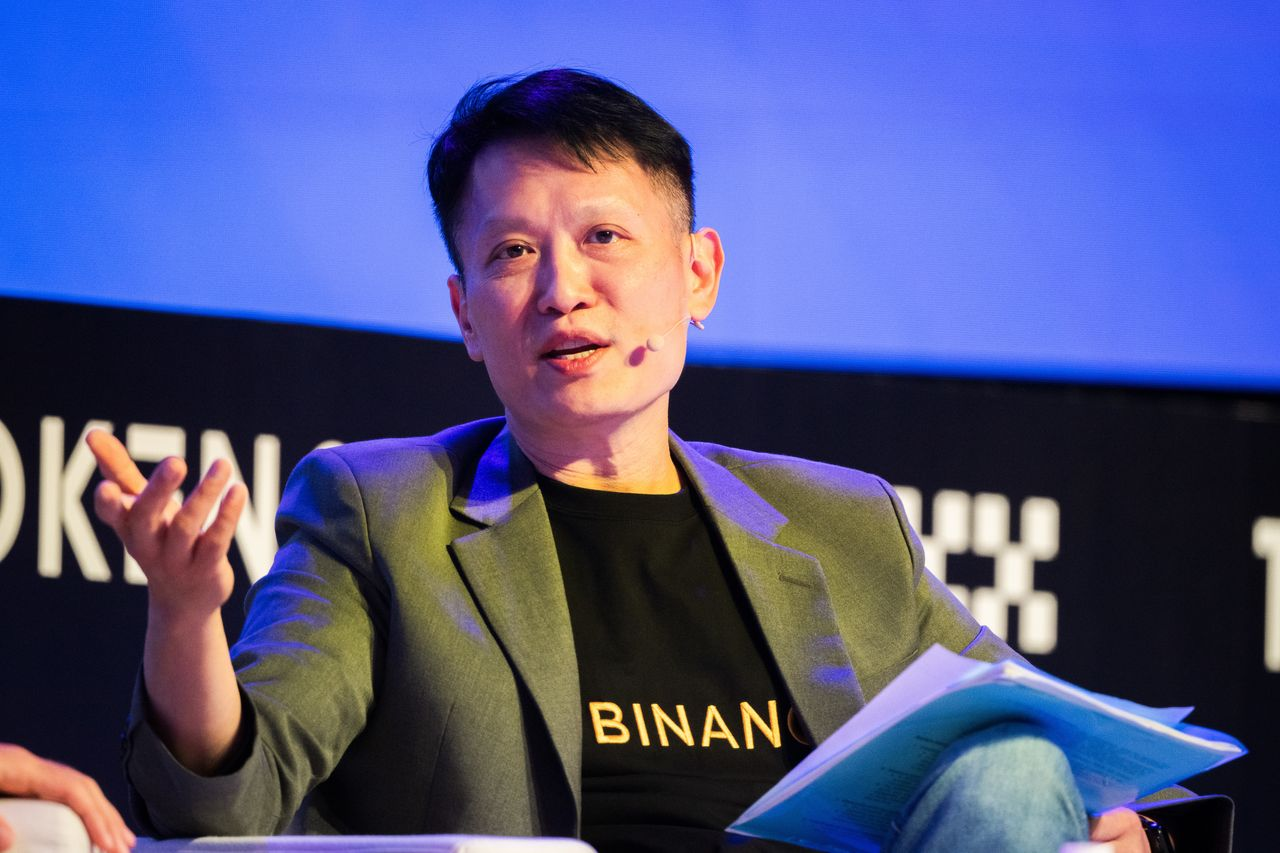
Increasingly, Binance appears to be betting on something bigger than cryptocurrency itself. Its next chapter may not be about building a larger crypto company but about building the financial infrastructure that connects both traditional and digital finance.

Over the past year, the company has expanded into traditional finance products, including stock trading, exchange-traded funds (ETFs), and tokenised securities. Since March 2026, its TradFi products have generated more than $80 billion in monthly trading volume.
Direct stock products reportedly reached $1 billion in assets under management within their first month, while tokenised US securities crossed $100 million in assets under management within two weeks of launch.
That expansion signals an ambition taking shape across global finance. The future financial platform may not distinguish between crypto, stocks, payments, or savings accounts as separate worlds.
Instead, they may simply become different services sitting inside the same ecosystem. Binance increasingly appears to be positioning itself for that future.
Its journey has not been without challenges. Regulatory scrutiny across multiple jurisdictions has forced the company to rethink leadership structures, strengthen compliance frameworks, and adapt to rapidly changing global regulations.

Yet despite those challenges, Binance remains the world's largest cryptocurrency exchange by trading volume and continues to grow its global footprint.
Nine years in, perhaps the most remarkable thing about Binance is not its $156 trillion trading volume or its 323 million users. It is that a company founded when cryptocurrency itself occupied the fringes of finance is now helping shape conversations about what finance could look like over the next decade.
The numbers matter. But what they point to matters even more. Binance is no longer simply riding the wave that cryptocurrency created. It is attempting to build the infrastructure that the next chapter of finance might run on.
Whether that ambition ultimately succeeds remains to be seen. Nine years ago, Binance was trying to convince the world that crypto mattered. Today, it is asking a different question entirely: what happens when financial infrastructure no longer looks like a bank, a stockbroker, or an exchange, but all three at once?
Nine years in, that question may prove to be Binance's biggest milestone yet.