Why YouTube May Never Convince Most Users to Pay For Premium
Why do so many people refuse to pay for YouTube Premium? YouTube's generous free tier, manageable ads, and unmatched content library may explain why most users never feel the need to subscribe.
Every few months, YouTube nudges its interface a little harder toward Premium. You’d find longer ad break here, a "try it free" banner there, and every few months, most users close the tab, mute the ad and keep watching.
This widespread resistance is a rational response to a platform that already gives away too much for free to make paying feel urgent.
YouTube's Free Tier Is Already a Complete Product
Unlike most freemium platforms, YouTube's free version is not a stripped-down demo. It is the full library with every documentary, tutorial, music video, film essay, podcast clip and live stream sitting behind the exact login wall as the paid tier. The only real difference is friction not access.
When people search "how to fix a leaking tap" or "how to file taxes as a freelancer," they are not thinking about subscription tiers. They are thinking about solving a problem and YouTube solves it instantly, free of charge.
A platform that solves problems without asking for money first does not train its users to associate value with payment. It trains them to associate value with YouTube itself, subscription or not.
A user who gets what they came for without paying rarely pauses to consider what they might be missing. There is no visible ceiling reminding them a better version exists behind a paywall, because functionally, nothing essential feels absent.
Ads and Buffering Are Annoying But Not Painful Enough
YouTube Premium's main pitch rests on removing two irritants: advertisements and inconsistent video quality on weaker connections.
Both are real annoyances but neither is severe enough to push most users toward a recurring monthly charge.
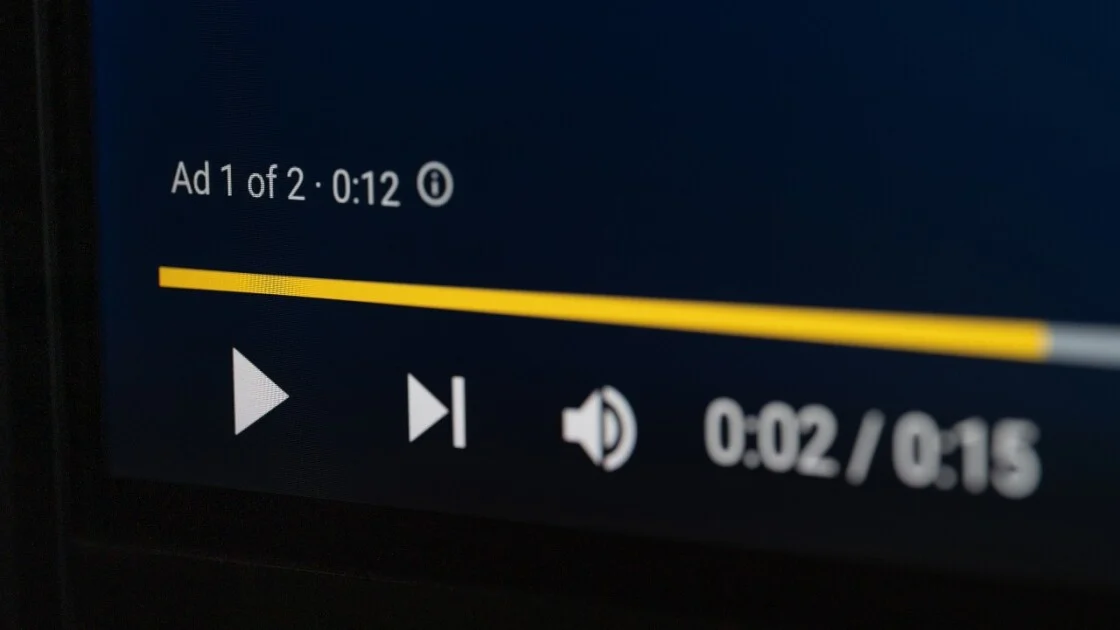
Ads on YouTube are skippable within five seconds in most cases and mid-roll interruptions rarely exceed thirty seconds. Compare this to television advertising, where breaks can run several minutes with no skip option, and the irritation threshold suddenly looks manageable.
Users have been conditioned for decades to tolerate ads as the cost of free content. YouTube's ad load, while heavier than it used to be, still sits below the pain point that forces mass conversion.
Buffering and quality drops are a connectivity issue as much as a platform one. Users with strong internet rarely face this problem which removes an entire segment of potential subscribers from the pool Premium is even trying to convert.
The Spotify Comparison Exposes the Real Gap
Spotify's free tier is deliberately handicapped. Users cannot choose specific songs on mobile without shuffling first. Ad breaks interrupt entire albums mid-listen and offline listening does not exist.
The free experience is engineered to feel incomplete, almost punishing, so that the leap to Premium feels more like basic functionality.
This is the core difference. Spotify's free tier sells frustration. YouTube's free tier sells satisfaction.
Latest Tech News
Decode Africa's Digital Transformation
From Startups to Fintech Hubs - We Cover It All.
Staying on Spotify free for years while affording the subscription genuinely resembles self-sabotage, because the platform withholds core features that most competitors offer by default.
Staying on YouTube free, by contrast, costs a user almost nothing beyond patience for a skip button. One platform makes free feel like punishment. The other makes free feel like a gift. Users respond accordingly.
YouTube's Scale Makes Free Access Feel Like an Obligation
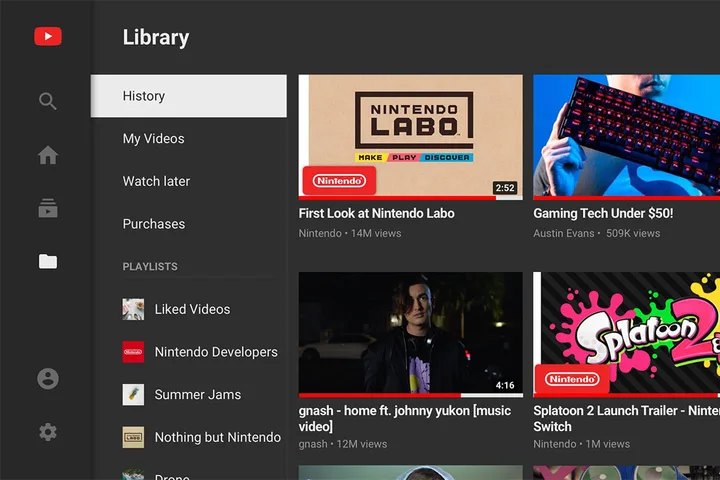
YouTube is not just another streaming app competing for attention. It functions as the largest digital video library ever assembled, spanning education, entertainment, journalism, music and archival footage that exists nowhere else online.
Keeping that library free is a structural necessity of what YouTube has become.
When a resource reaches the scale of a public utility, users begin to expect open access as a baseline, not a privilege.

Students rely on it for lectures. Small business owners rely on it for tutorials. Journalists rely on it for footage. Musicians rely on it for exposure.
A platform this deeply embedded in daily digital life cannot easily wall off its core function without facing backlash disproportionate to the ad revenue gained.
YouTube already profits enormously from advertising at this scale. Keeping the core experience free is, in a sense, the least it can offer back to the users who built that scale in the first place.
What This Means for YouTube's Premium Strategy Going Forward
None of this means Premium has no audience. Households with multiple viewers, heavy background-music listeners and offline commuters find genuine value in the subscription.
However, these use cases represent a minority of YouTube's user base and not the majority Premium would need to become the platform's dominant revenue model.
Until YouTube either degrades free access meaningfully, which risks alienating the audience that makes it valuable, or introduces features so essential that going without them feels like missing out, most users will keep tolerating the occasional ad.
An already-generous free product plus a moderate irritation threshold rarely equals a subscription conversion.
YouTube may keep pushing Premium banners, testing ad placements and experimenting with pricing tiers across different regions. But the platform's own generosity, built over nearly two decades of open access, remains its biggest obstacle to selling a paid upgrade most users never feel they truly need.