Why France Often Feels Like Africa's Second Team at the World Cup
Why does France often feel like Africa's second team at the World Cup? The colonial history, migration patterns, and African heritage behind the French national team tell the full story.
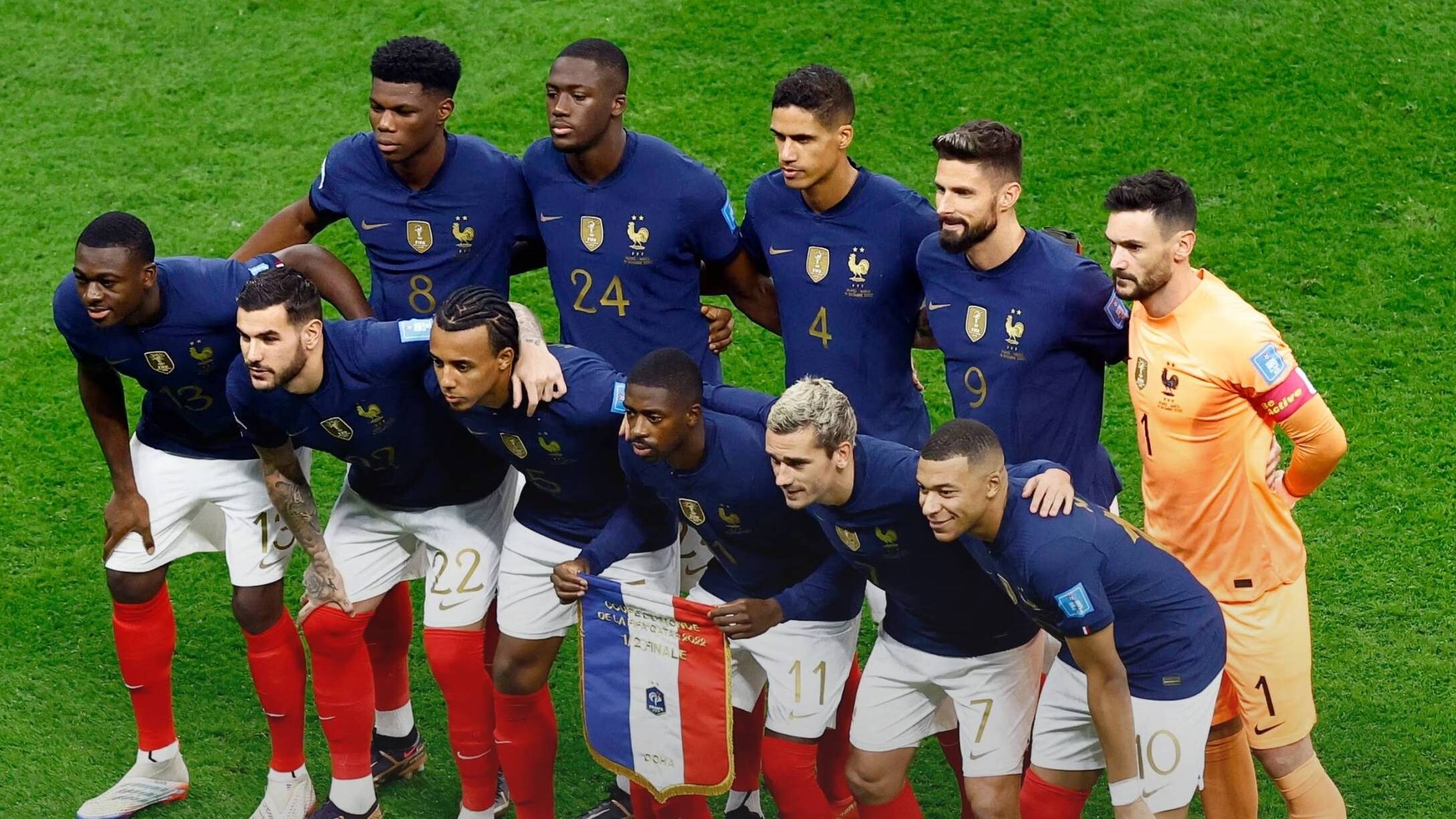
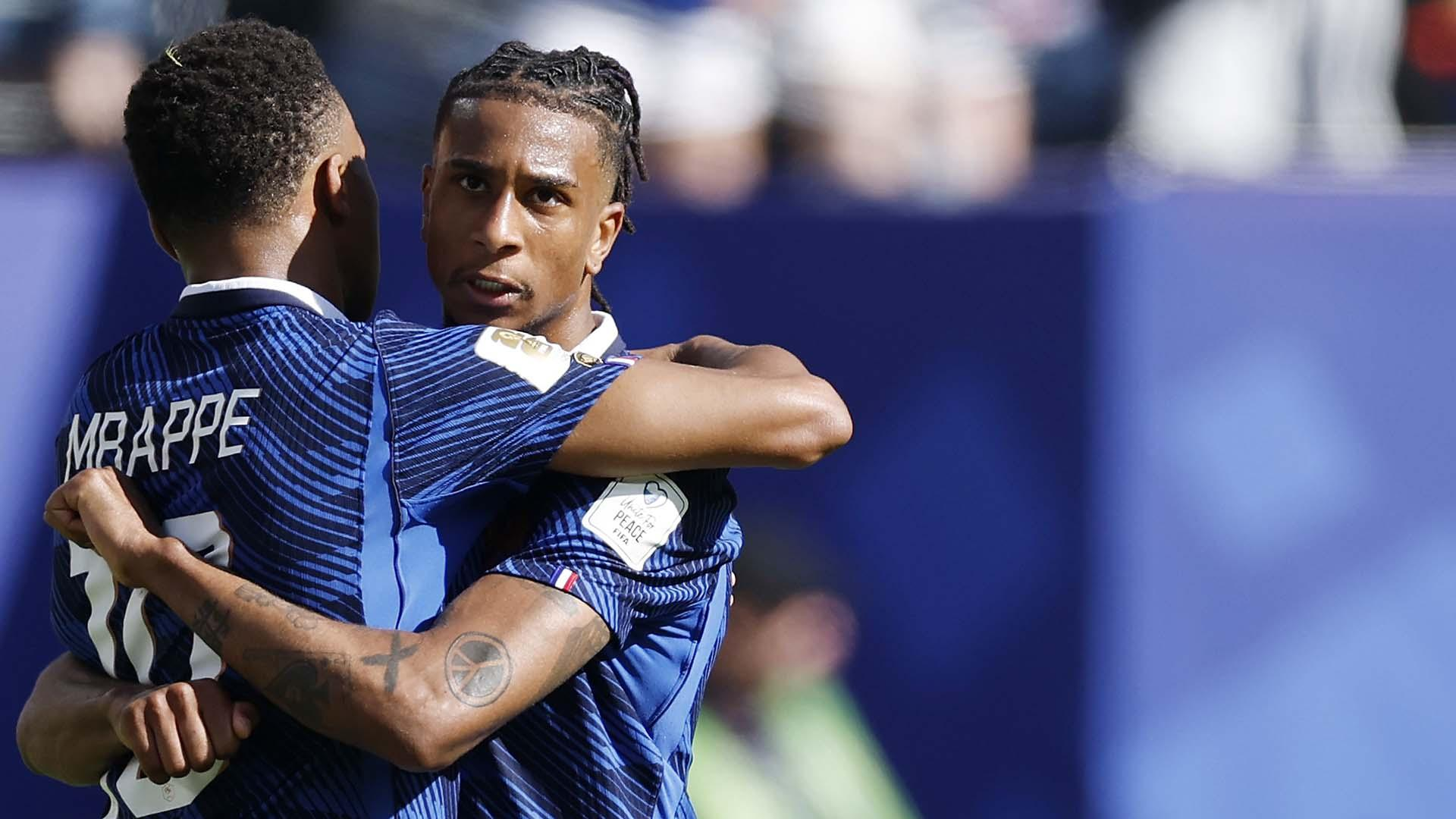
Long before Morocco, Senegal, Ivory Coast and every other African side had exited the 2026 World Cup, millions of Africans were already wearing the blue of France, with clips of Kylian Mbappé, Ousmane Dembélé and Michael Olise on timelines and their names on their lips.
When Senegal, Morocco and the rest of the continent's representatives were eliminated one after another, that support did not disappear. It simply shifted.
France became, for a large number of the African football audience, the unofficial second team, a side that carries African blood even when it does not carry an African badge.
This is a sentiment based on a traceable history, and answering why France has so many players of African descent means walking through colonialism, migration policy, football economics and identity politics all at once.
Why Does France Have So Many Players of African Descent?
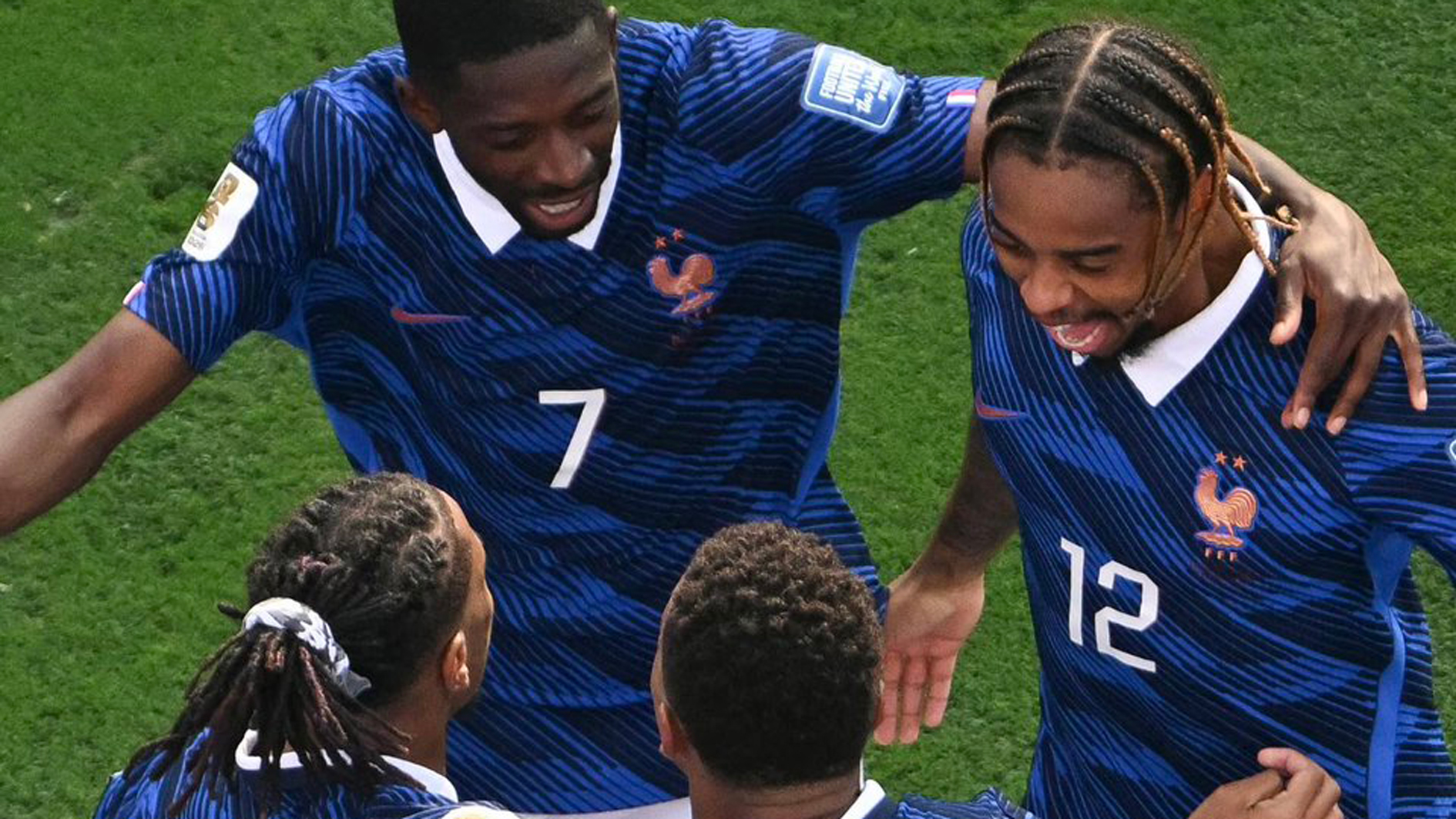
At the 2026 World Cup, France's squad again illustrated the trend. Captain Kylian Mbappé has a Cameroonian father and an Algerian mother. Ousmane Dembélé's family traces back to Mali, Mauritania and Senegal.
Michael Olise carries Nigerian and Algerian heritage. Bradley Barcola's father is Togolese. Désiré Doué's family has roots in Ivory Coast.
Aurélien Tchouaméni connects to Cameroon, N'Golo Kanté to Mali, William Saliba to Cameroon, Dayot Upamecano to Guinea-Bissau, Ibrahima Konaté to Mali and Jules Koundé to Benin.
The goalkeeper, Brice Samba, was born in the Republic of Congo before moving to France as a child.
This is not a recent trend. France's 1998 World Cup winning squad relied on Marcel Desailly, Zinedine Zidane, Lilian Thuram and Thierry Henry, all with roots outside metropolitan France.
Two decades later, the 2018 winning squad went further, with a large majority of the roster coming from families with heritage outside mainland France. The 2026 edition simply continues a lineage that stretches back nearly a century, to Raoul Diagne, a player of Senegalese descent who became France's first Black international in 1931.
France's Colonial History and Football Are Deeply Linked
A full understanding of why France keeps producing African-descended footballers will have to be traced back to French colonial policy itself. Unlike the British model of indirect rule, France pursued a policy of assimilation across its African colonies.
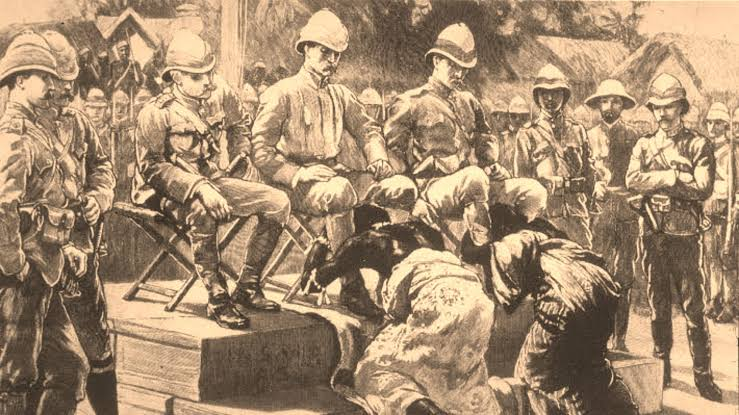
This is an approach built around the idea that colonized Africans could become French through language, education and culture. Though this policy did not deliver equality, it did establish a legal and cultural pipeline between French West Africa, French colonies in the Caribbean, North Africa and the metropole itself.
That pipeline would shape who could migrate to France, who could hold French citizenship and eventually who could play for the French national team.
Colonial ties created the conditions while migration turned those conditions into demographic reality.
Postcolonial Immigration Built France's Football Talent Pool
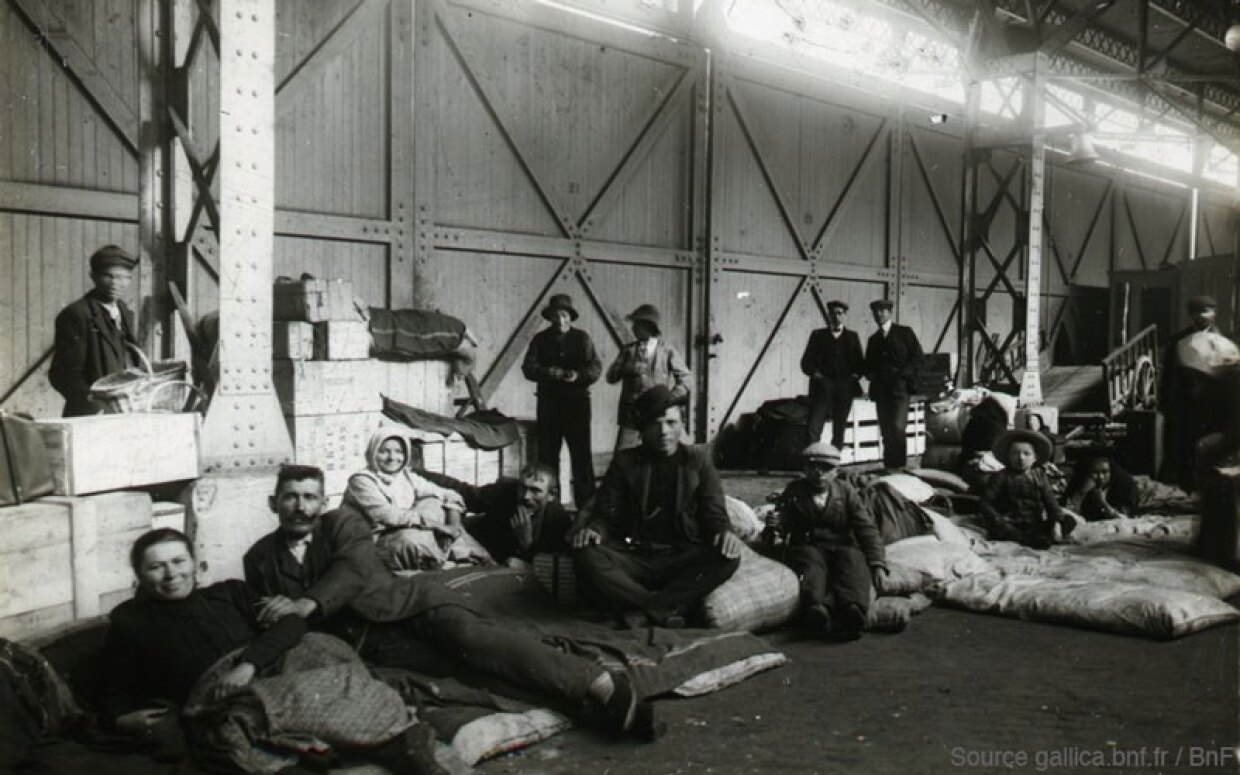
The real surge began after World War II. France needed labour to rebuild and it drew heavily on former colonies in West and North Africa, including Senegal, Mali, Algeria, Morocco, Cameroon, and Ivory Coast.
Families settled in cities like Paris, Marseille and Lyon, often in working class suburbs known as banlieues. These neighborhoods became, almost by accident, football factories.
Clubs and academies in and around these suburbs recruited heavily from local communities, and French football's development system, widely regarded as one of the most effective in the world, absorbed and trained the children of these immigrant families alongside everyone else.
Bondy, the Paris suburb where Mbappé grew up, is a direct product of this postcolonial settlement pattern. So is much of the current national team roster.
Why African-Descended Players Choose France Over Their Ancestral Nations
Eligibility rules allow a player to represent a country through birth, parentage or extended residency, which means many of these footballers technically qualify for an African nation as well as France.

Most choose France anyway and the reasons are practical.
France offers stronger youth infrastructure, more competitive domestic leagues, larger broadcast exposure and a national team with a genuine chance at winning the World Cup.
Michael Olise, who could have represented England, Algeria or Nigeria, has said his footballing idols growing up were French stars like Zinedine Zidane and Thierry Henry.
Such early cultural attachment, formed inside France rather than in the ancestral homeland, often outweighs heritage alone by the time a player reaches senior level.
The "Africa FC" Label and Its Critics
Online, France's squad is frequently nicknamed Africa FC, a label meant partly as celebration and partly as commentary on how thoroughly African talent underwrites French success.
The criticism cuts both ways. Some African football stakeholders view the trend as a form of talent drain, arguing that federations across the continent lose players who could have strengthened national sides that continue to underperform at World Cups relative to the individual quality produced from their communities.
On the other side, French far-right figures have used the same roster to question whether these players are authentically French at all, a line of attack that dates back to reactions against the 1998 winning team and has resurfaced against modern players like Rayan Cherki, whose decision to play for France over Algeria drew backlash from Algerian fans.
What France's Squad Reveals About Football and National Identity
France's roster is a mirror. It reflects a colonial history that tied African populations to French citizenship, a postwar migration wave that rebuilt French cities with African labour and a football development system efficient enough to convert that demographic reality into World Cup silverware.
That is why African fans keep adopting France once their own countries are out. It is not really about switching allegiance. It is about recognizing a team built, in large part, from players whose names, families, and features carry Africa's own story into the world's biggest stage.