Reps Drop Their Own Bill for Tinubu's as State Police Push Moves Closer to Reality.
President Bola Tinubu has asked lawmakers to approve a bill that could pave the way for state police. Here's why the proposal has returned, what it seeks to change and why this time feels different.
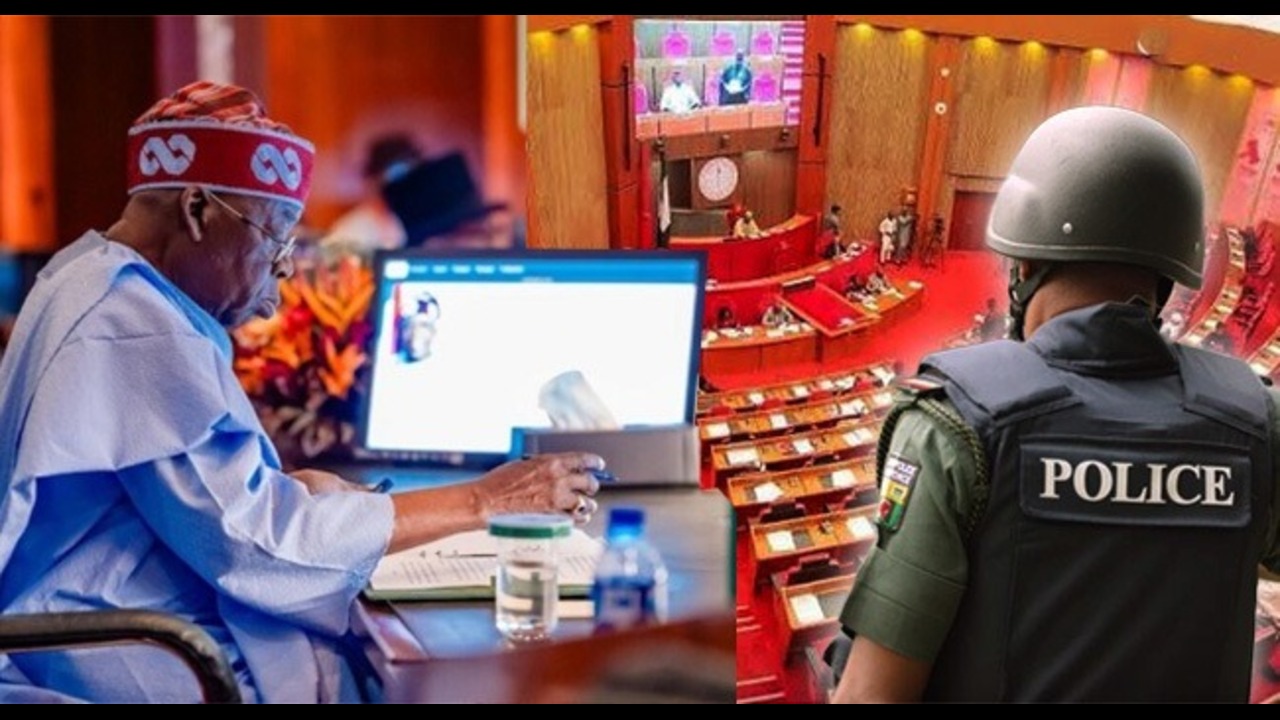
State police have never stayed far from Nigeria's political conversation because every time insecurity dominates the headlines, the proposal finds its way back into public debate.
The idea has featured in constitutional discussions since Nigeria returned to democratic rule in 1999, but it gained greater momentum from the mid-2010s as kidnappings, banditry and communal violence spread across different parts of the country.
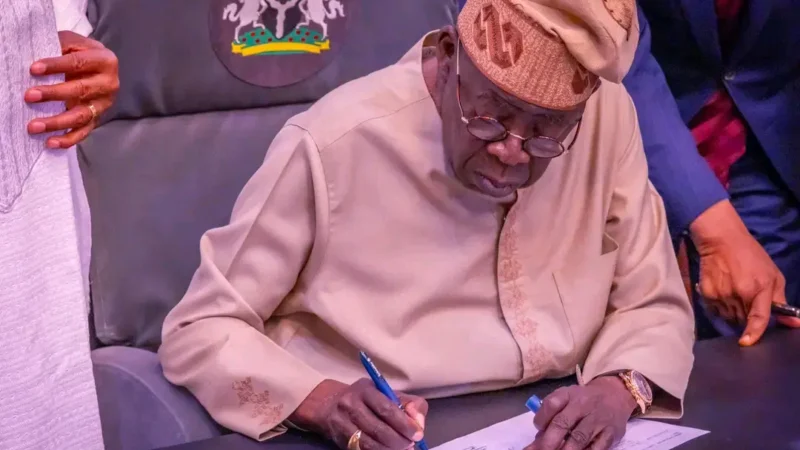
On July 15, 2026, President Bola Tinubu gave the debate fresh momentum by transmitting an executive bill to the House of Representatives seeking constitutional amendments that would allow states to establish their own police services.
What makes this latest push different is what has happened around it.
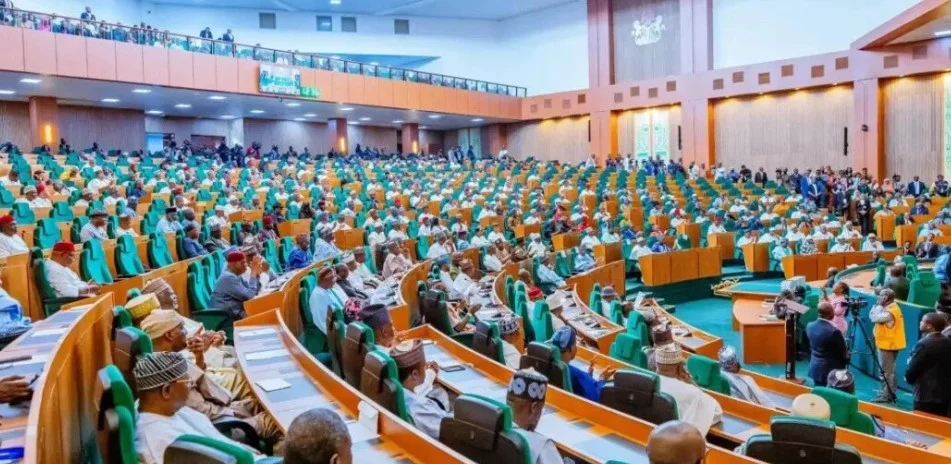
The Senate has already passed its own version of a state police amendment, while the House of Representatives had earlier approved a similar proposal before setting up a committee to harmonise both bills.
Also on July 15, Rather than continue with that process, lawmakers resolved to drop further consideration of the House-sponsored proposal and instead work on Tinubu's executive bill, bringing both the Presidency and the National Assembly behind the same proposal at a crucial stage.
A Title Without the Power
State police keep resurfacing because the problem it is meant to address has not gone away.
Kidnappings, bandit attacks, communal violence and other violent crimes have repeatedly tested a policing system controlled from Abuja. Governors carry the title of chief security officers of their states, yet they have no direct control over the police officers deployed there.
That disconnect has kept one question alive for years: can a single police force effectively meet the security needs of a country as large and diverse as Nigeria?
What Two Police Forces Would Actually Look Like
Tinubu's bill seeks to amend the 1999 Constitution to allow states to establish their own police services while the Nigeria Police Force continues to handle federal responsibilities.
If passed, Nigeria would no longer rely on one policing structure alone. The Nigeria Police Force would continue to handle national responsibilities, while states would have the constitutional backing to establish police services focused on local security.
The bill also outlines safeguards aimed at helping both systems work alongside each other. Even then, state police would not appear overnight. Each state would still need to pass its own law, build the necessary institutions, recruit officers and provide the funding to keep the service running.
If the Idea Sounds Good, Why Has It Taken So Long?
If creating state police were straightforward, Nigeria would probably have done it years ago.
The debate has never been about whether the country needs better security. It has been about how to improve policing without creating a different set of problems.
The argument itself is easy to understand and an officer who knows the terrain, understands the local language and is familiar with the community is often in a better position to spot threats early and respond quickly when trouble begins.
The questions come after that.
How do you stop state police from becoming another political tool? Can every state afford to recruit, train and equip a professional police service? And when crimes cross state boundaries, where does the responsibility of state police end and that of the federal police begin?

Those are the same questions that have followed every serious attempt to create state police, and lawmakers will have to answer them as the bill moves through the constitutional amendment process.
How Close Is Close?
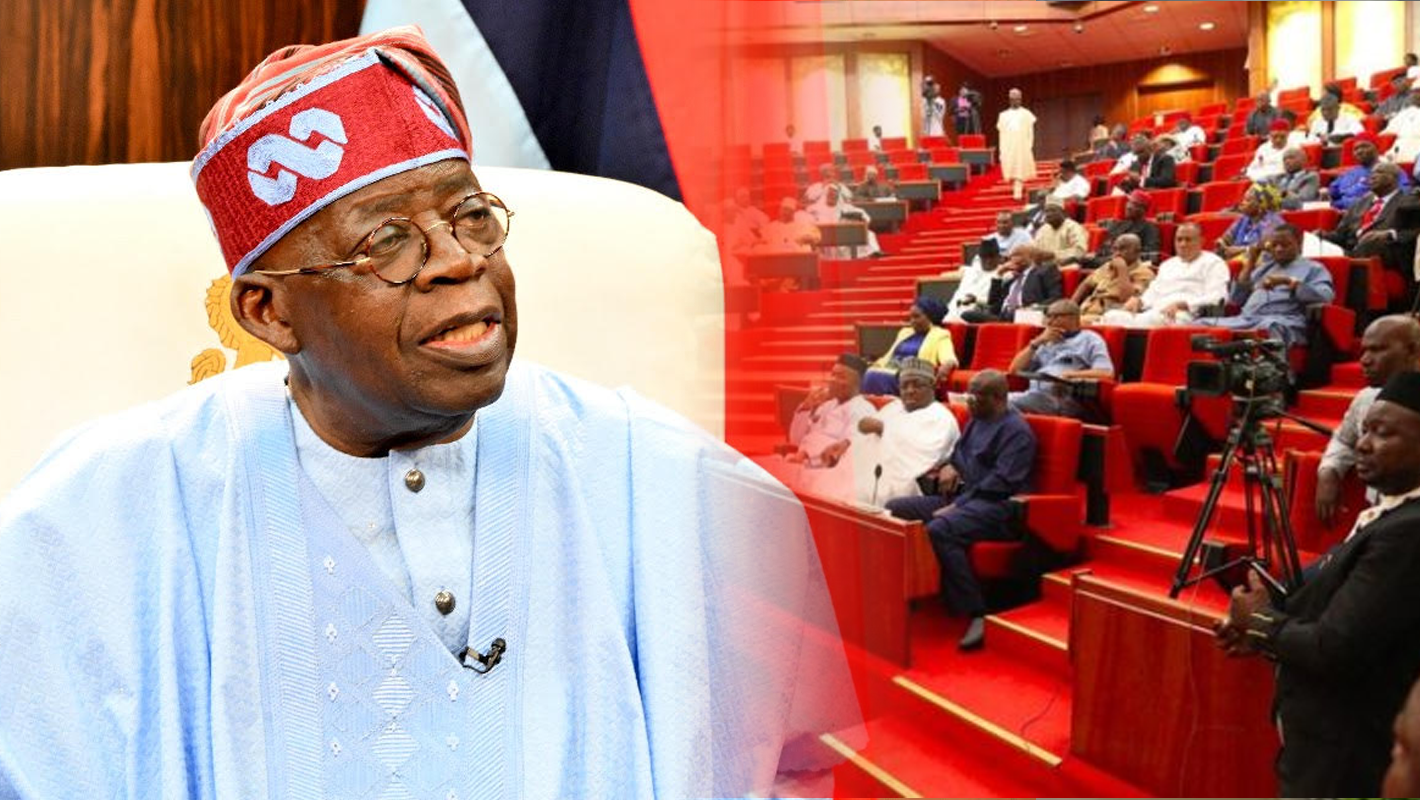
The bill will now go through the remaining stages of the constitutional amendment process.
If it secures the required support at the National Assembly, it must also be approved by at least two-thirds of the state Houses of Assembly before it can become part of the Constitution.
That means the proposal has cleared an important hurdle, but it is still some distance from becoming law.
For years, state police has moved between campaign promises, committee rooms and constitutional debates without making it into the Constitution.
Tinubu's bill does not guarantee that this attempt will succeed.
What it does is place the proposal further along the legislative process than many of its previous attempts, making this one of the closest Nigeria has come to turning a long-running debate into law.