The Continent Picked Mexico: Why Africans Are Rooting Against South Africa at World Cup 2026
As xenophobic attacks displace thousands of African migrants from South Africa, World Cup 2026 has given the continent an unlikely outlet and Mexico a million unexpected fans.
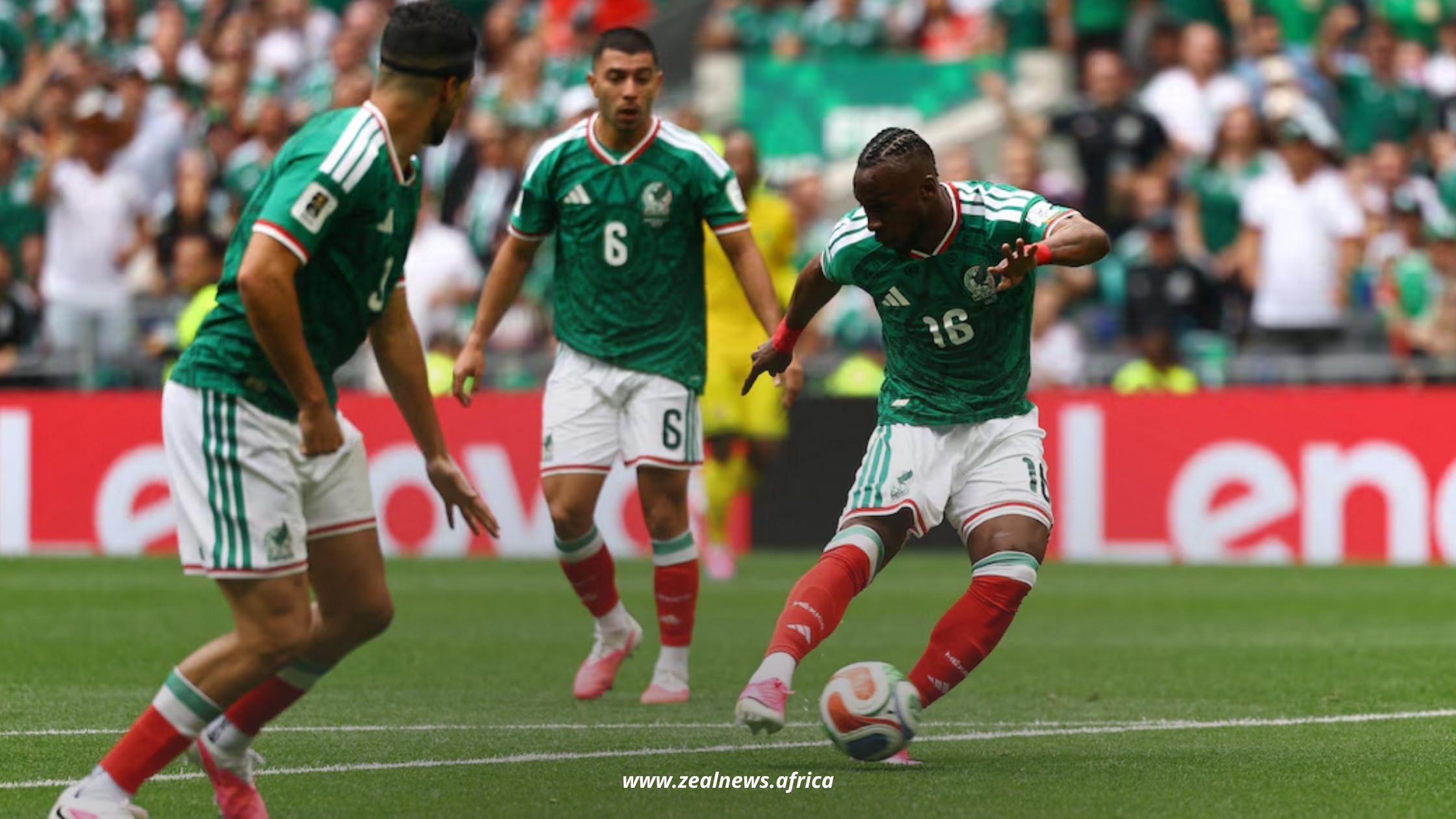
When Mexico kicked off the FIFA World Cup 2026 against South Africa on June 11, something unusual was happening on social media platforms across the continent.
Many Africans who share zero football allegiance with El Tri were screaming "Viva México" with suspicious enthusiasm and the popular song from the animation movie, “Coco” playing in the background of every football-related video, way before the match started.
The Mexico vs South Africa World Cup 2026 opening match became an accidental referendum on something that has been festering for months: the escalating xenophobic violence targeting African migrants inside South Africa's borders.
And when Julián Quiñones put Mexico ahead in the ninth minute, the celebration across many African cities had nothing to do with tactics or tournament loyalty. It had everything to do with the current unity situation.
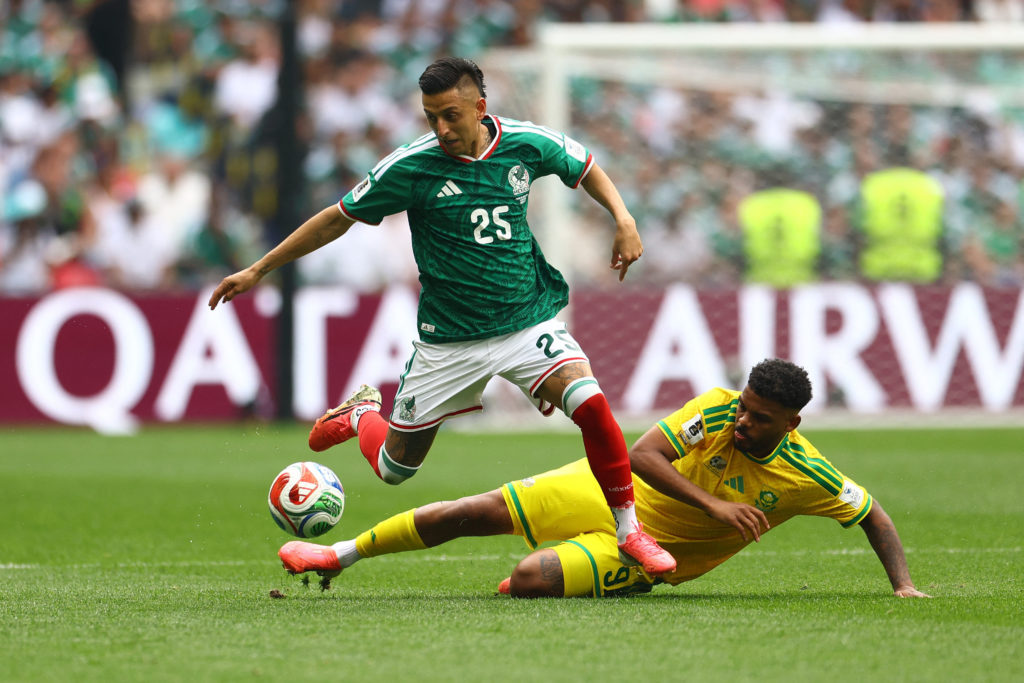
Why Africans Are Rooting Against South Africa at World Cup 2026 And May Keep Doing So
Just days before the tournament opener, more than 3,000 Malawians, including hundreds of children, were sheltering in an open field in Durban after fleeing the escalating anti-immigrant threats and attacks with many saying repatriation was their only option.
Nigeria had repatriated a first group of 260 nationals and planned to move out more citizens in the coming days. Ghana, Mozambique and Malawi had carried out similar operations in recent weeks.
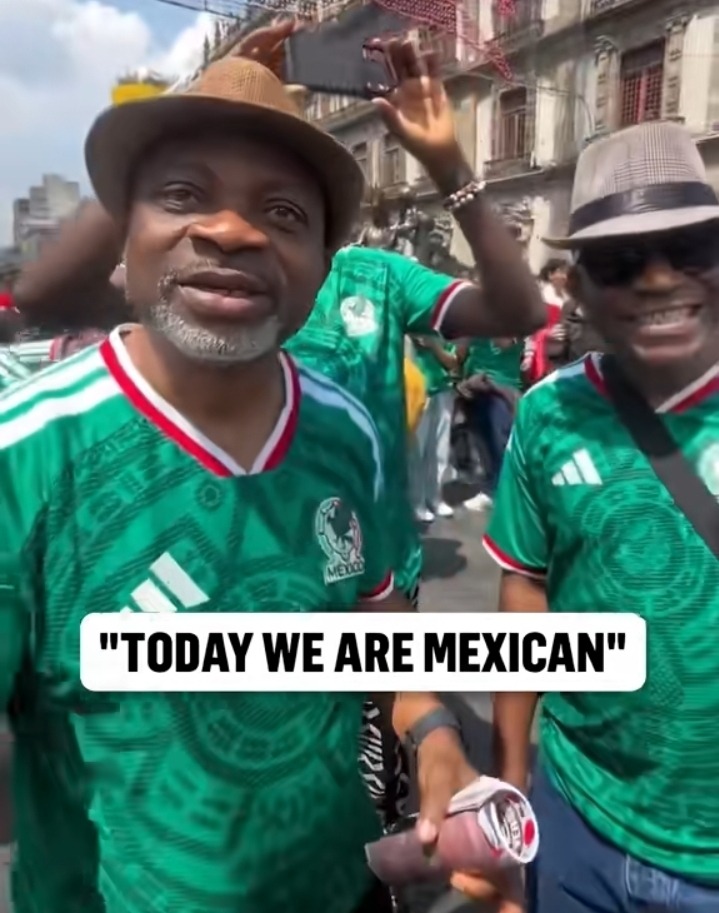
This is the backdrop against which the South African team jogged out onto the pitch at Estadio Azteca. And the continent was doing something they called “hate-watch.”
In April and May 2026, a citizen-led movement called March and March, which advocates stricter immigration enforcement, organised demonstrations against undocumented migrants in major cities including Pretoria, Johannesburg and Durban, with violent and sometimes fatal results.
Mobs armed with clubs, machetes and spears attacked foreign nationals in the streets, accusing them of taking opportunities meant for locals.
Zimbabwe, Ghana and Nigeria are the three countries with large diaspora populations in South Africa. They have openly condemned the violence and urged their nationals to stay safe.
This is why Africans were rooting for Mexico. And if Bafana Bafana advances past the group stage, expect that coalition to hold, with a different country getting the support this time.

"If South Africa Played Itself, I'd Support the Stadium" — Football Humour as Political Language
The political tension between South Africa and the rest of the continent has been generating its own genre of content online. One widely shared joke captured the mood perfectly: "If South Africa was playing against itself, I'd support the stadium." Another: "We need to stop the hate and start supporting every team playing against South Africa" A third: "If South Africa wins, we will still congratulate Mexico."
This is not ordinary banter. This is football humour functioning as political language and this tradition runs far deeper than FIFA rankings.
In contexts where direct political confrontation either goes ignored, gets suppressed or simply exhausts itself against a wall of official indifference, humour becomes the carrier of collective feeling. African social media spaces have long understood this.
The jokes about South Africa at this World Cup aren't the same as, say, bantering England for losing penalty shoot outs. They are pointed. They are angry underneath. They are making an argument.
The laughing face emoji is doing diplomatic work that formal condemnations haven't been able to finish.

The jokes don't express confusion or generality; they express a very specific frustration with a country that received shelter from the rest of Africa during apartheid and has since developed a documented pattern of turning on the neighbours who once harboured its exiles.
During apartheid, ANC leaders found refuge in countries such as Zimbabwe, Tanzania and Ghana. Today, those same countries are watching their nationals flee South African cities with their belongings on their backs. That irony is not lost on the continent, and the football memes are its most viral expression.
From March and March to Mexico vs South Africa: The Political Score That Mattered
The 2-0 final score in the Mexico South Africa opening match gave the continent something it needed.
Raúl Jiménez scored the second goal in the 67th minute off a free header at the back post, getting his long-awaited World Cup moment.
These sporting contexts give room for the collective expression of rage. You can't hold a march against another country's domestic policy. You can't organise a boycott of a national football team with any real structural impact.
But you can publicly, loudly, joyfully support whoever is playing against them. The World Cup gave millions of Africans a stage and a scoreboard.
Human Rights Watch warned of a new wave of xenophobic attacks as anti-immigration groups intensified protests and vigilante-style actions targeting foreign nationals but the international headlines moved on. The jokes didn't.
The jokes turned into a Group A allegiance. The jokes are now watching Bafana Bafana's next fixture with the same energy.
The Continent Is Not Done Talking
South Africa has a complicated, painful relationship with this subject. Since 2008, when 62 people were killed in xenophobic attacks, the country has been grappling with intermittent but widespread violence against African and Asian foreign nationals, often refugees, asylum seekers, and both documented and undocumented migrants.
That is nearly two decades of a pattern that formal diplomacy has not broken.
What football humour does is refuse to let that pattern become background noise. It reintroduces the conversation where South Africa perhaps least expected it: in the World Cup, in front of a global audience, through a language of mockery that is both funny and completely serious.
Mexico won 2-0. The continent felt it and for the rest of the 2026 FIFA World Cup, whenever South Africa takes the pitch, the FYPS will light up again not because anyone particularly loves whoever is on the other side, but because collective memory travels with the ball.