South Africa Has 537 Political Parties. Is That Democracy or Delusion?
South Africa has 537 registered political parties, but only 18 hold seats in Parliament. Read what this means for democracy, voter choice and the country's political future ahead of the 2026 local elections.
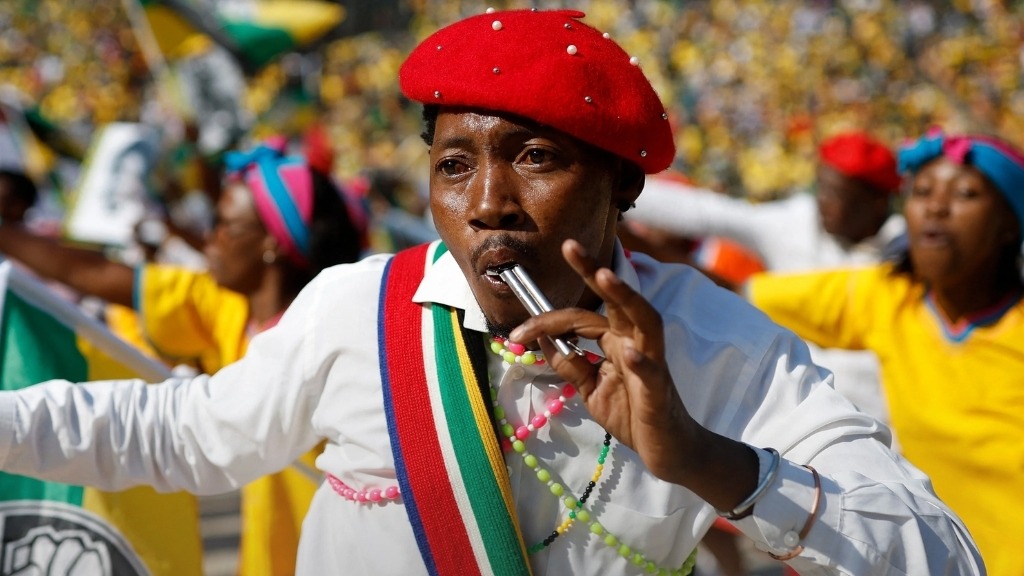
There are currently 537 political parties registered with South Africa's Electoral Commission (IEC) and that singular number has become the subject of heated debate across social media and newsrooms alike.
For a country of roughly 63 million people, that means a party should serve at roughly 117,000 citizens.
The figure has reignited a familiar conversation in South African politics with that one question ringing in the air: does this level of political party proliferation reflect a thriving democracy, or a system so fragmented it borders on farce?
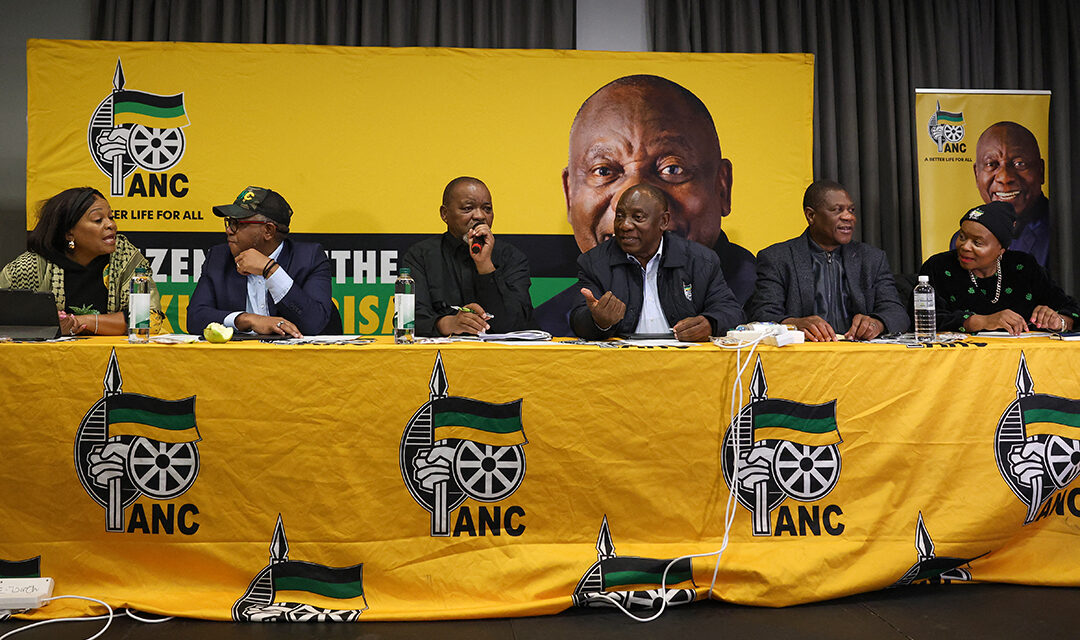
How South Africa Ended Up With 472 Registered Political Parties
The IEC has registered 62 new political parties since the 2024 general election. Of the 537 total, 301 are registered to contest elections nationally, while 236 operate at provincial, district or metro level.
This surge follows the African National Congress losing its outright parliamentary majority for the first time since 1994. This is a shift that convinced many political entrepreneurs, community leaders and disillusioned party members that now is the moment to launch something new.
Registering a political party in South Africa is relatively straightforward and inexpensive, which lowers the barrier to entry considerably. If you add a population frustrated with load shedding, unemployment and service delivery failures, the urge to launch a new political movement becomes obvious.
Some of these parties are serious, community rooted, and built around genuine local grievances. Others exist mostly on paper, registered but never active in a single ward.
Only 18 Political Parties Actually Hold Power
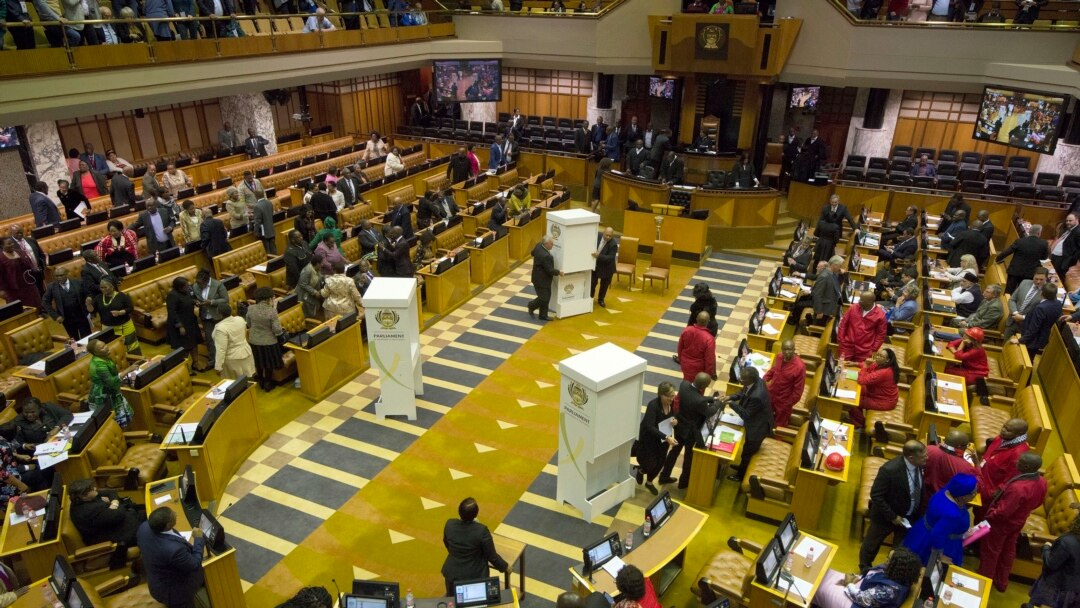
Of the 537 registered parties, only 18 currently hold seats in the 400 seat National Assembly. That means roughly 96% of all registered political parties in South Africa have never won a single seat in the country's national legislature.
The gap between registration and representation is where the democracy versus delusion argument actually plays out.
This is not something unique to South Africa. Proportional representation systems tend to encourage smaller parties because even a modest vote share can translate into a seat. However, the gap in South Africa is unusually wide.
A party can register nationally, print manifestos, run a campaign and still walk away with zero representation, having spent money and mobilized volunteers for a result that changes nothing in Parliament.
Democracy or Delusion? What the Numbers Actually Mean
Supporters of the surge argue this is exactly what a healthy multiparty democracy should look like. Political analysts have described the rise as a reflection of a strong democratic spirit, arguing that South Africans increasingly see the ballot as a legitimate tool to demand change rather than resorting to protest alone.
Under this reading, 537 parties represent citizens exercising a constitutional right that apartheid denied them for generations, and choosing to build alternatives rather than sit back during elections.
Critics see it differently. They argue that a political landscape this crowded dilutes accountability rather than strengthening it.
Voters heading into the November 2026 local government elections will face ballots crowded with dozens of unfamiliar names, many representing parties with no track record, no clear policy platform, and no realistic path to a seat.
Instead of clarifying political choice, fragmentation confuses it, making it harder for voters to tell which parties are serious contenders and which are vanity projects or protest gestures with a logo.
There is also the question of longevity. Party registration numbers are not static.
A churn of parties appearing, going dormant and disappearing from the list within months of each other, is itself a sign that many of these registrations are not durable political projects built to contest election after election.
There is also a structural cost. The IEC now has to manage vetting, funding oversight, and ballot logistics for a field that has grown by dozens of entrants in under two years, even as it prepares for the 2026 municipal elections between November 2026 and January 2027.

Public funding and administrative capacity are being stretched by a field expanding faster than the institutions built to regulate it.
What This Means Ahead of the 2026 Local Government Elections
The truth sits between the two extremes. A high number of registered political parties is not inherently dangerous and it is not proof of a broken system either.
What matters more is whether voters can navigate that many choices meaningfully, and whether the IEC can maintain electoral integrity as the field keeps growing heading into the 2026 local government elections.
South Africa's coalition era, which began after the 2024 general election produced a Government of National Unity, has already shown that fragmentation at the top forces parties to negotiate and share power rather than govern unilaterally.
Whether that dynamic trickles down to municipal councils packed with dozens of small, unrepresented parties remains an open question.
For now, 537 is more of a mirror that reflects genuine political appetite, real frustration with established parties and a system that makes starting a party easy.
Whether that appetite translates into better governance, or simply a longer ballot paper, will only become clear once votes are counted after the next election.