$100 Oil Could Boost Nigeria's Revenue. What Will It Cost Nigerians?
Nigeria could earn more from $100 oil, but higher crude prices could also mean rising petrol, transport, diesel and food costs for Nigerians.
Oil markets are on the rise again. Brent crude climbed to $97.34 a barrel this week and this is its highest level since July with U.S. West Texas Intermediate touching $92.63.
The trigger is the continued, widening conflict in the Middle East, with Iran now threatening retaliation over the Strait of Hormuz.
Analysts at Goldman Sachs have raised their Brent forecast to $85 for December, with some scenarios pointing toward $100 or higher if the standoff drags into 2027.
For Nigeria, whose budget and debt repayments still hinge on crude sales, this sounds like good news. But there is a link between global oil prices and the average Nigerian's wallet and it is far more complicated and far less kind.
More Oil Dollars for Abuja, But Not for Everyone
Nigeria currently pumps around 1.7 to 1.8 million barrels of crude per day. When Brent rises, the government's oil revenue projections rise with it, on paper.
Higher crude prices mean more dollars flowing into the government purse, better foreign reserves, and an easier time meeting debt obligations tied to oil-backed loans.
However, a significant share of that crude output is already spoken for. Nigeria has long-standing commitmentsto oil majors, trading houses, and banks that hold forward claims on crude production. These are arrangements used to repay loans taken in earlier, leaner years.
That means a large percentage of every extra dollar earned from $100 oil never reaches the treasury in a form ordinary citizens can feel.
The windfall exists mostly in fiscal projections and debt-servicing capacity, not in the pockets of households already stretched thin.
Why There's No Cushion at the Pump Anymore
Nigeria removed its petrol subsidy in 2023, opening the downstream sector to full deregulation.
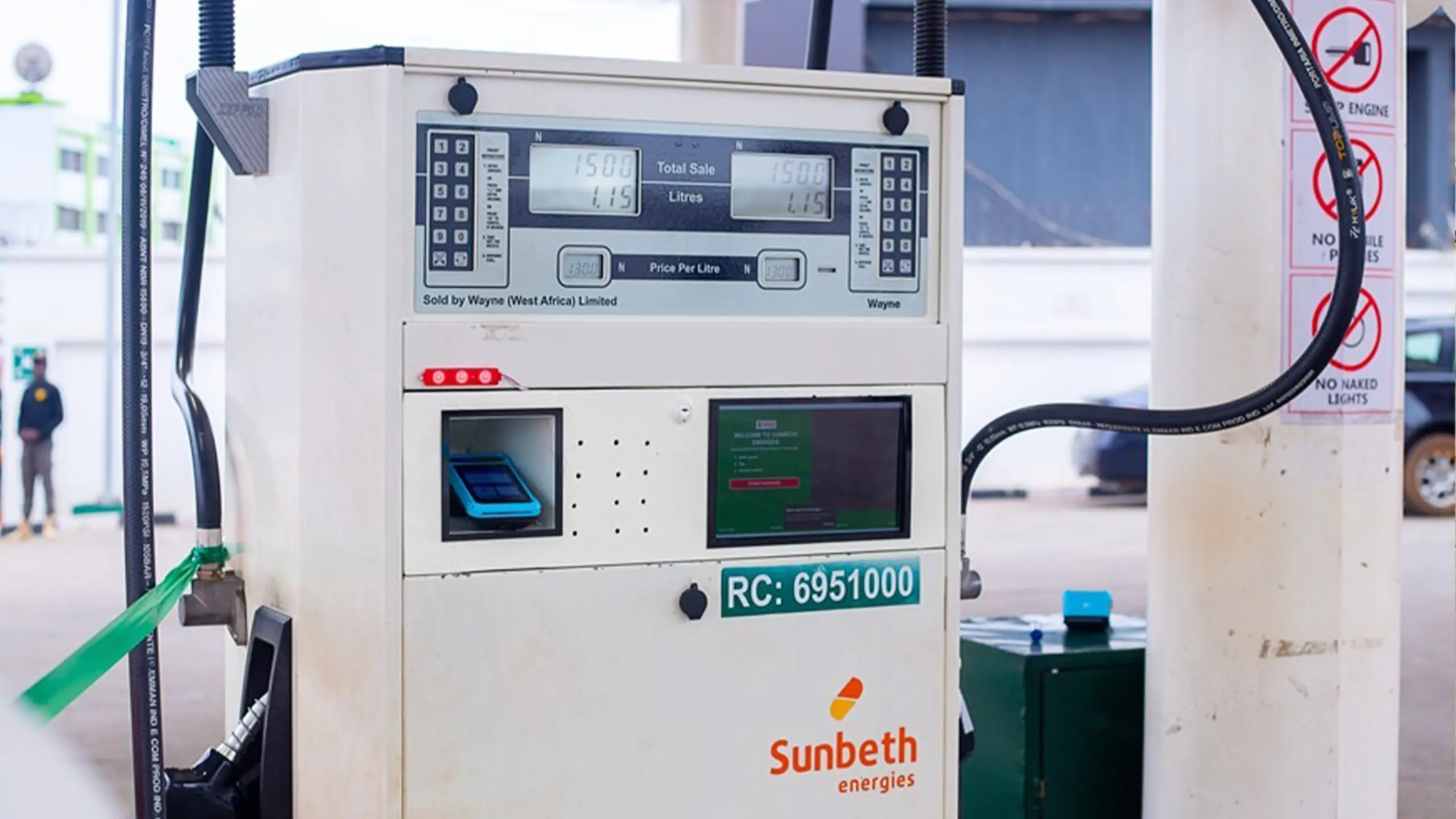
Since then, pump prices move in near-real time with global crude benchmarks and the naira's exchange rate. There is no cushion left to absorb shocks.
The landing cost of petrol, what it costs to bring a litre into the country before markup, has already climbed to roughly N1,314 per litre as of early September, according to industry marketer data.
Depots across Lagos, Warri, Port Harcourt, and Calabar have posted back-to-back price increases in just the past week and this is driven directly by rising global crude costs.
Diesel has followed the same trajectory, with some depots pushing prices above N1,900 per litre.
Under the old subsidy regime, the government absorbed part of that shock. Today, every dollar increase in Brent moves almost frictionlessly into what a motorist pays at the pump.
The Refinery That Still Needs Dollars
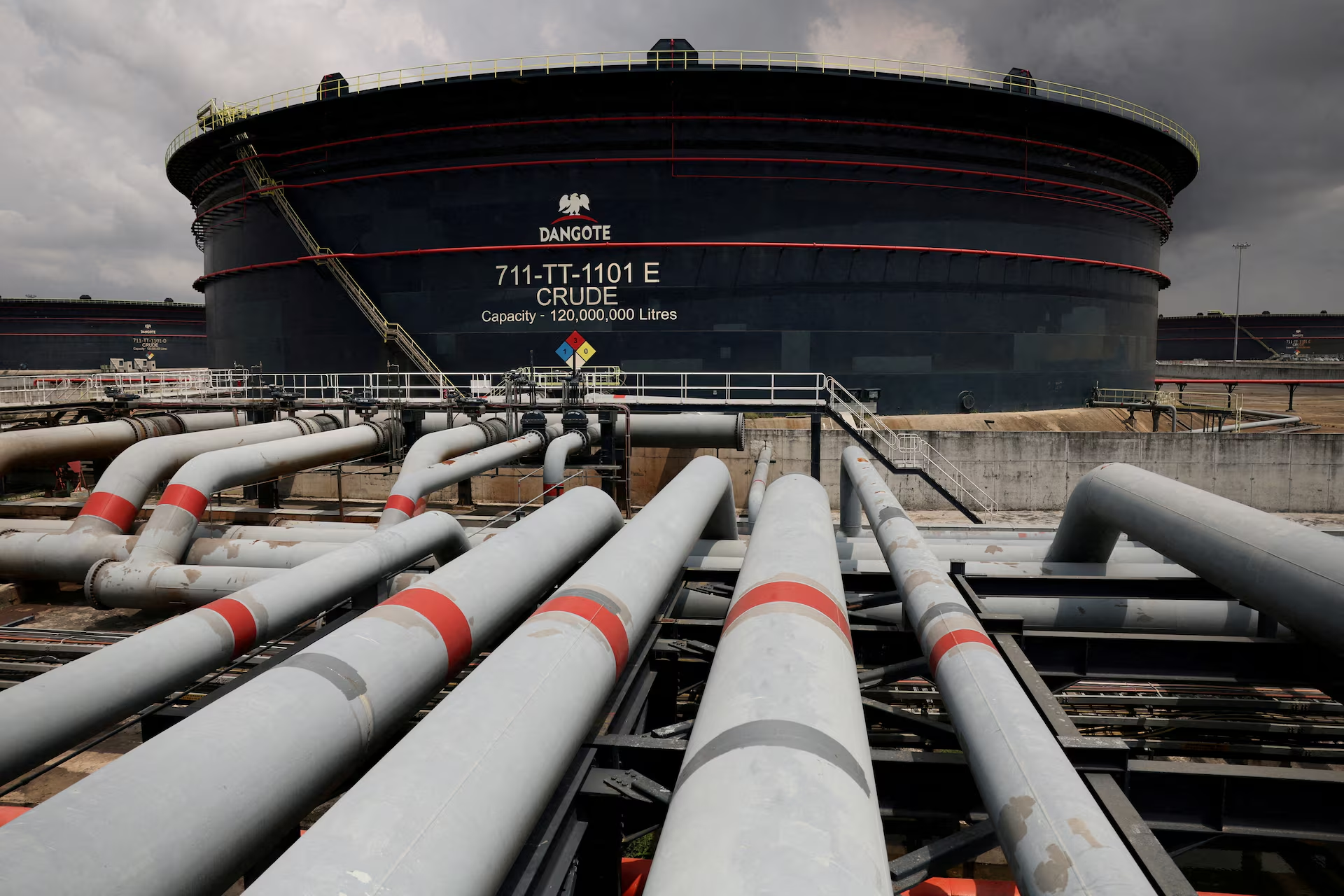
Many Nigerians assumed the Dangote Refinery would protect the country from these market fluctuations once it began producing locally refined petrol at scale. That has not fully materialised.

The refinery still needs to import a portion of its crude feedstock, and its pricing is tied to the same dollar-denominated global benchmarks as imported fuel.
Nigeria's naira-for-crude arrangement, meant to let local refiners buy crude in local currency, has been repeatedly renegotiated and, for a period this year, was suspended entirely in favour of dollar-based sales.
The result is, even fuel refined on Nigerian soil, from partly Nigerian crude, tracks international oil prices and the naira's exchange rate almost as closely as imported petrol does.
Local refining has improved supply reliability and cut foreign exchange outflow on imports, but it has not decoupled Nigerian pump prices from a war thousands of kilometres away.
When Petrol Prices Move, Food Prices Follow
Petrol and diesel are not isolated commodities in Nigeria's economy. They are connected to almost every other price.
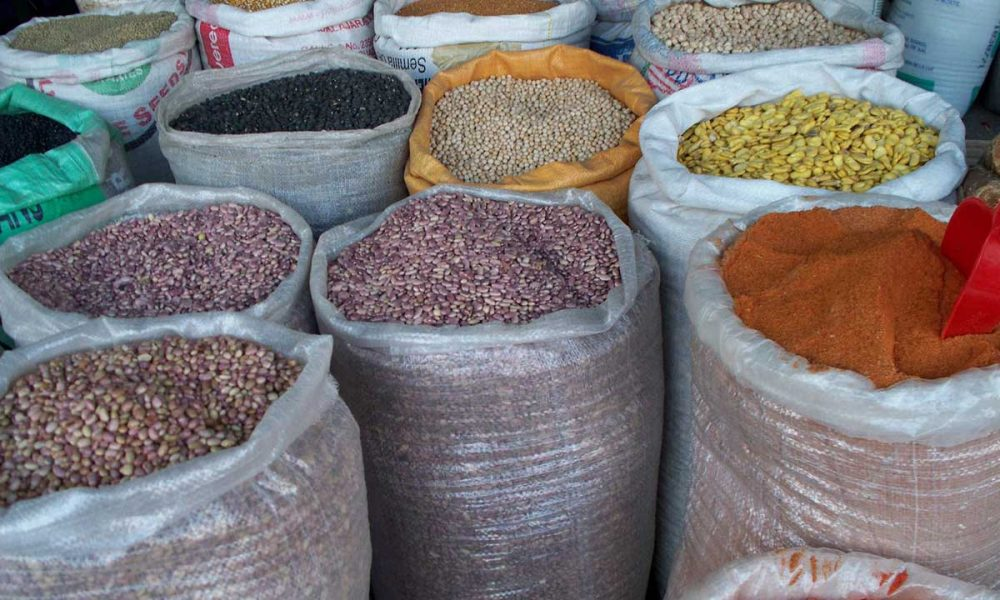
Diesel powers the generators that keep small businesses, markets, and even hospitals running through unreliable electricity supply. It powers the trucks that move tomatoes, rice from the north to the south, and fish from the coast inland.
When landing costs rise because Brent is climbing, transport costs for food rise almost immediately.
A trader moving perishables over long distances passes that cost to the next buyer, who passes it to the market woman, who passes it to the household.
Food inflation in Nigeria has consistently tracked fuel price movements more closely than it tracks harvest cycles or rainfall.
The Everyday Cost Nigerians Will Carry
For the average Nigerian, $100 oil translates into higher transport fares for commuters who have no public transit alternative, higher generator fuel costs for small business owners already battling epileptic power supply, and higher prices for staple foods that depend on road haulage.
Informal sector workers, who make up the majority of Nigeria's labour force and have no fixed income to adjust upward, absorb the brunt of this without any corresponding wage increase.
Meanwhile, government revenue gains from higher crude prices often show up in macroeconomic indicators, reserves, exchange rate stability, credit ratings, long before they show up as targeted relief for citizens.
A Boom on Paper, a Burden in the Market
Nigeria's history with oil price cycles has followed a familiar pattern: booms strengthen the government's balance sheet while ordinary citizens face rising living costs with little insulation.
Without deliberate policy choices, such as strategic reserves, targeted transport subsidies, or a stabilisation fund that channels windfall revenue into inflation relief, $100 oil risks repeating that pattern.
The Middle East conflict driving this price surge remains unresolved, and analysts expect volatility to persist.
For Nigeria, the question now is how the country can build any real cushion between global crude markets and the price of garri at the local market, before the next spike arrives.