Africa Doesn't Have China's Structural Advantages. What Can It Learn From Its Energy Transition?
Africa cannot replicate China's financial firepower or political system, but it can adapt what made its energy transition work — better infrastructure coordination, smarter public finance, greater scale, policy consistency and faster project execution
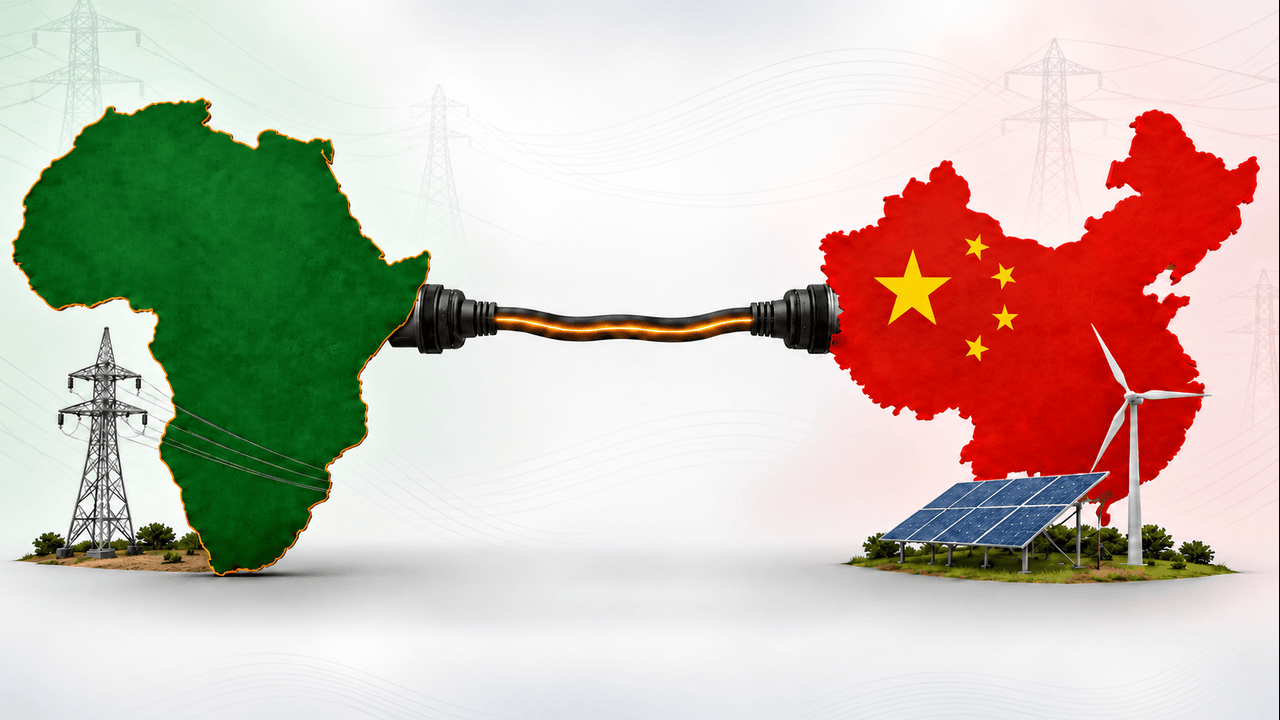
It is about the tailor who cannot work when the power goes out, the clinic struggling to keep vaccines cold and the factory spending heavily on diesel just to keep its machines running.
For around 600 million Africans who still have no access to electricity, even that unreliable supply remains out of reach.
Closing this gap will be expensive. The IEA estimates that reaching universal electricity access will require about $15 billion in investment every year.
China has already built an energy system on a scale few countries can match.
Over the past five years, it installed more than 1,300 gigawatts of renewable capacity,according to a Boston Consulting Group report. In 2025 alone, China added 430 gigawatts of wind and solar power.
But China’s transition is not a perfect success story. Coal still plays a major role in its energy system, while parts of the electricity grid have struggled to absorb the rapid growth in renewable power.
Africa cannot follow the same path. Most African governments do not have China’s financial resources, manufacturing strength or ability to direct investment over several decades.
So, which parts of China’s energy transition could actually work in African countries and which mistakes should the continent avoid?
Africa Can Build Around the Grid, Not Just the Power Plant
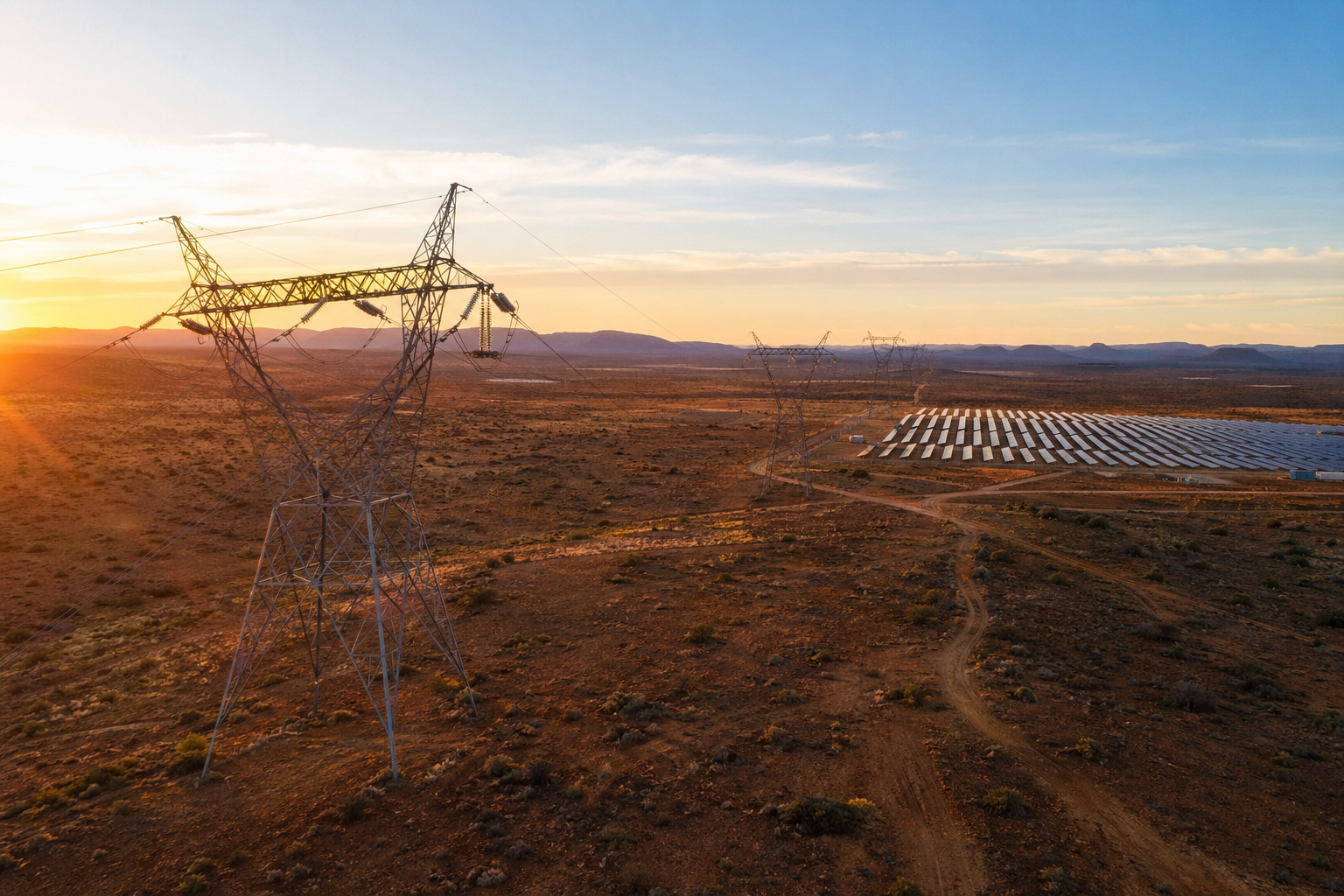
A lot of what made China's renewable expansion possible sits behind the solar panels and wind turbines.
BCG found that major renewable projects in China typically move from final investment decision to grid connection two to five times faster than comparable projects in the US and Europe. China also invested heavily in transmission and distribution as its power system expanded.
That is important for Africa. Adding hundreds of megawatts of generation does not help much if the network cannot carry the electricity to homes, factories and businesses.
This is already shaping energy policy across the continent. West African countries, for example, are working toward a more integrated regional electricity market, allowing power to move across borders and helping countries share generation capacity.
For countries with relatively small electricity systems, sharing power across borders can also create a larger market for investment.
Public Money Can Help Unlock Private Investment
China had a major financial advantage. State-owned banks, companies and government institutions could direct capital toward strategic industries for years.
Most African governments do not have that kind of room to spend.
The IEA estimates that less than $2.5 billion a year is currently directed toward new electricity-access connections in sub-Saharan Africa, far below what is needed to reach universal access.
That makes the role of public money different. Governments do not necessarily have to pay for every power plant or transmission line themselves. They can use guarantees, concessional loans and other forms of risk-sharing to make projects more attractive to private investors.
South Africa is already trying this approach through a new Credit Guarantee Vehicle backed by the World Bank and other development partners. The programme is designed to reduce investment risks in infrastructure, including electricity and transmission, and is expected to mobilise about $10 billion in private capital over ten years.
Africa Needs to Turn Its Minerals Into Industries

China's energy transition also created an industrial base around solar panels, batteries and electric vehicles.
Competition between companies helped push costs down and build supply chains at enormous scale and China's energy-transition technology exports reached about $147 billion, growing at roughly 18% a year over the past decade.
Africa benefits from those lower technology costs, but much of the continent's role in the clean-energy supply chain still sits further upstream.
Countries export minerals needed for batteries and other technologies, then import many of the finished products.
The Democratic Republic of Congo and Zambia are examining ways to develop a regional battery precursor industry, but building that kind of industry requires enough demand and investment to support it.
This is where regional integration becomes important again.
AfCFTA, regional power pools and cross-border infrastructure can help create larger markets for industries that may struggle to survive if they depend on demand from one country alone.
The scale may have to come from the region rather than the country.
Energy Plans Have to Survive Beyond the Announcement
China's successive Five-Year Plans helped keep its energy strategy moving in the same direction for decades.
African countries also have long-term energy plans, but turning those plans into projects that actually reach construction and operation is where the issue lies.
Mission 300 is one attempt to close that gap. By mid-2026, 30 African countries had developed National Energy Compacts setting out the reforms, investments and targets they intend to pursue as part of the effort to connect 300 million people to electricity by 2030.
Kenya, for example, has moved into implementation work around its compact, including efforts involving transmission and private investment.
Plans still need financing, regulation, procurement and construction before they produce electricity.
Africa Should Learn From China's Energy Mistakes Too
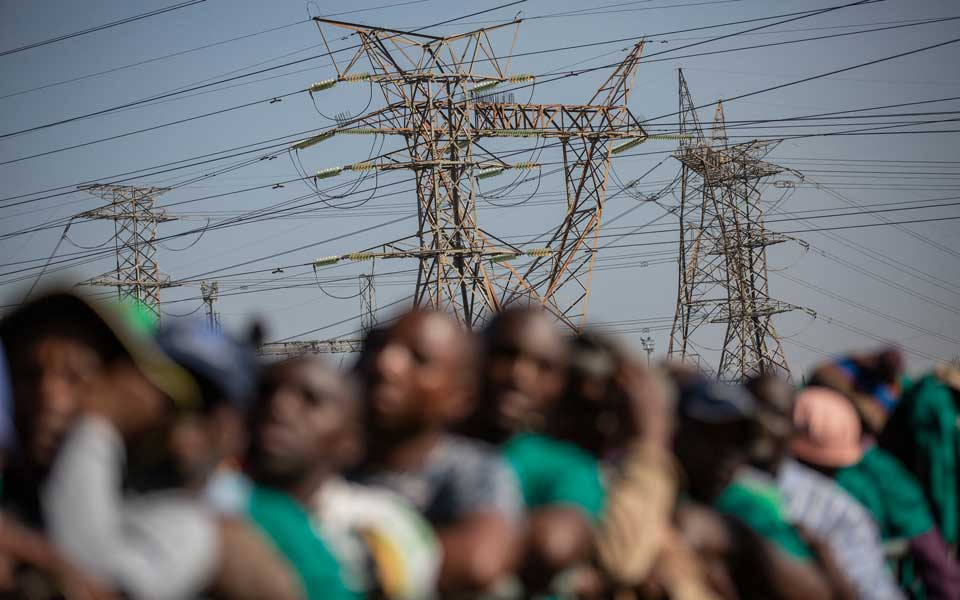
China's approach produced enormous growth, but it also created problems that African countries should pay attention to.
Intense competition and government support helped companies scale quickly, but they also contributed to overcapacity and weak profitability in some parts of the energy industry. Local government borrowing has also created financial pressures.
China has also built renewable generation faster than its grid could always absorb it. BCG found that solar curtailment rose from about 3% in 2021 to 7% in 2025, while wind curtailment increased from 2% to 6% over the same period.
African countries need to watch this closely. Announcing large generation targets means little if the power cannot be delivered reliably.
China's experience points to a problem that goes beyond building more generations. The different parts of the system have to keep up with one another.
Africa’s energy transition will not be won by announcing the largest solar project or setting the boldest target. It will be won by countries that can connect power generation to functioning grids, dependable financing, regional demand and institutions capable of completing projects.
China cannot provide a model Africa can simply copy, but it offers a useful warning: scale only works when the entire system grows with it.