If You Want to Be Part of the Dangote IPO, Read This
Dangote Refinery's ₦2.15tn IPO explained in simple terms, from the ₦5,250 minimum subscription and retail investors to the company's $14.3bn expansion plan, investment risks, and what potential shareholders should understand.
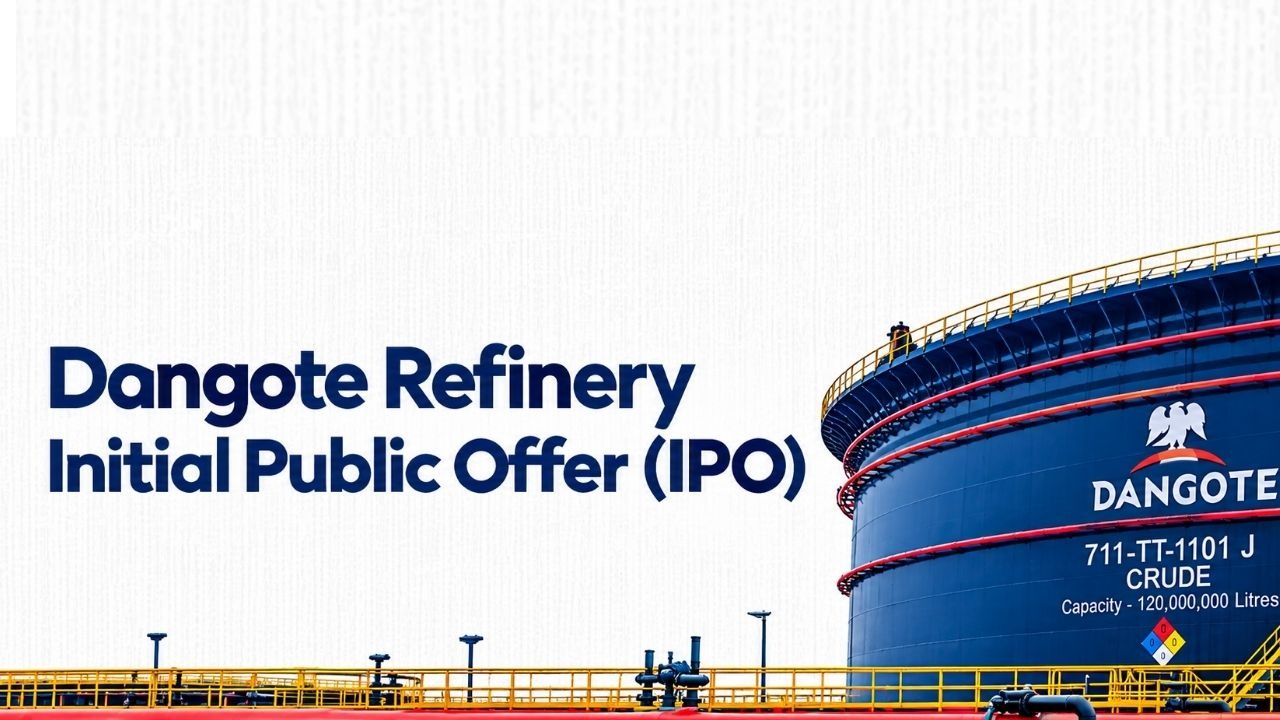
A friend of mine has been interested in the Dangote Refinery IPO since speculation about its listing first emerged. Let's call him Kunle.
Kunle has been following the plan around the Dangote Refinery and has been waiting to be part of it. So when the announcement of the ₦2.15 trillion IPO started appearing everywhere this September, like many Nigerians, his first question was simple: "So how much do I need to become a Dangote shareholder?"
The answer surprised him: this is not only an IPO for people carrying millions around; the offer has been structured to allow retail investors to participate from as little as 10 shares, costing ₦5,250.
But before Kunle started imagining himself as Dangote's newest business partner, there was one small problem: he did not really understand what an IPO was, and honestly, I have a strong opinion that he's not alone.
The ₦2.15tn Question
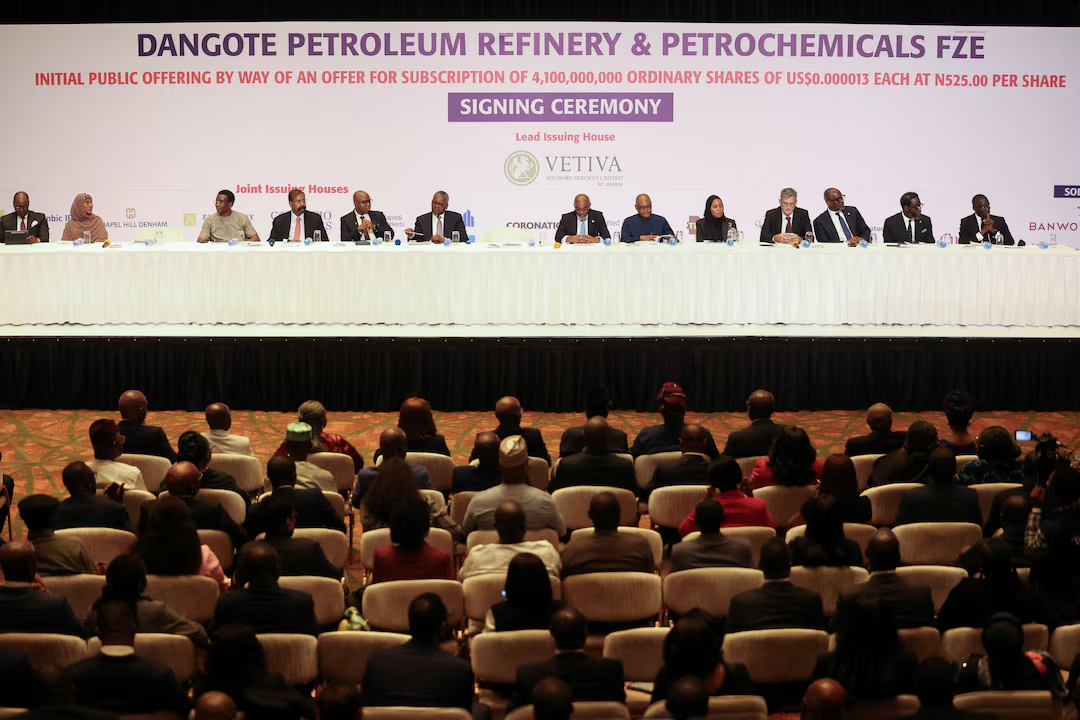
Let's pause and unpack what this is all about. An Initial Public Offering, or IPO, is simply the process through which a private company offers shares to the public and moves towards becoming publicly traded.
In Dangote Refinery's case, the company is offering 4.1 billion ordinary shares at ₦525 each, which could raise about ₦2.1525 trillion if fully subscribed.
The offer is scheduled to run from September 14 to October 13, 2026, with the shares expected to be listed on the Nigerian Exchange afterwards.
So what exactly are people buying? A small ownership interest in the company.
If someone applies for 10 shares, they are not buying ten litres of petrol; they are buying ten units of ownership in Dangote Petroleum Refinery and Petrochemicals, subject to the terms and risks in the prospectus.
And this is where the IPO becomes interesting. Picture a giant room where people arrive with very different amounts of money, one eyeing millions of shares, another considering only the minimum 10.
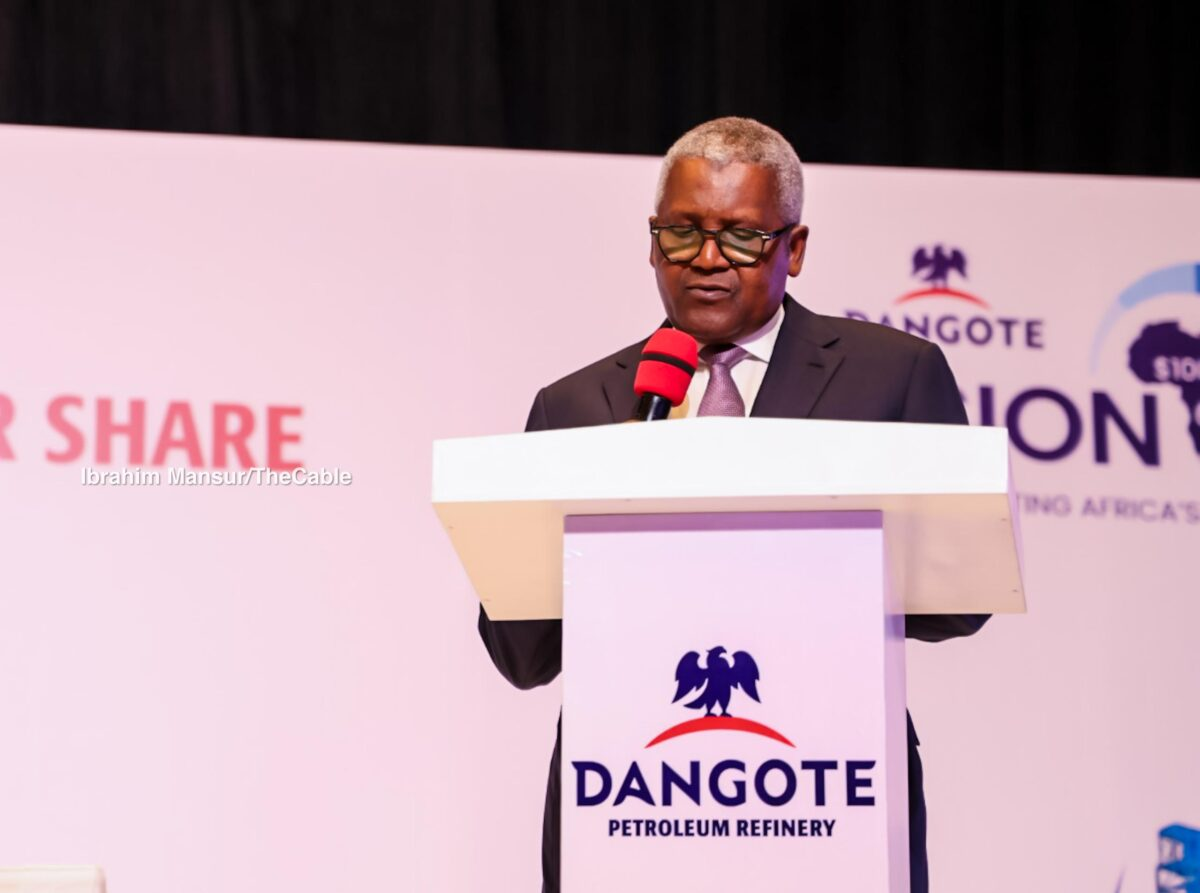
Dangote has said the offer is designed as a "people's IPO," with an ambition to attract millions of retail investors across Africa. But everyone is buying into the same company.
This is not just another company offering shares to the public; it is being described as Africa's largest-ever IPO, putting the transaction on a scale the continent has not seen before, something to understand rather than simply rush into.
What Is Your Money Actually Funding?
This is where the story becomes bigger than “I want to own Dangote shares.”
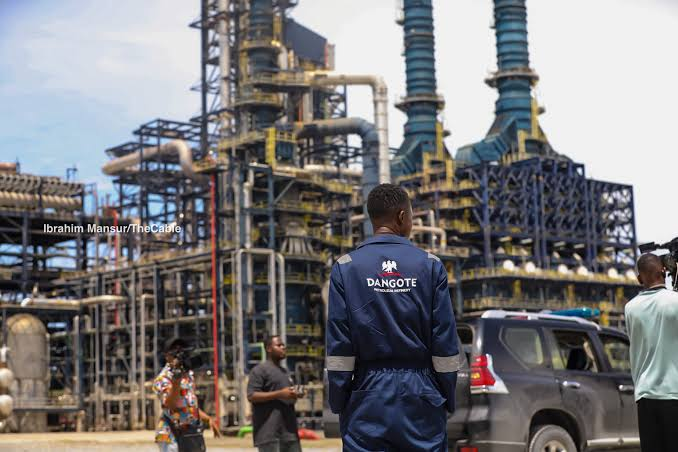
The refinery is already operating at approximately 700,000 barrels per day, but Dangote plans to almost double that capacity to 1.4 million barrels per day by 2029 through a roughly $14.3 billion expansion programme. The IPO, then, is partly a bet on what the refinery can become, not simply what it is today.
The money raised will go toward refinery equipment, utilities, infrastructure, construction and installation. The IPO alone is not enough to fund the entire $14.3 billion programme; the company expects to combine the proceeds with future profits and other financing.
There is also another reason investors are paying attention: The refinery reported$1.82 billion in profit after tax in the first half of 2026, compared with a $476 million loss for the whole of 2025, according to its prospectus. Its financial performance has therefore improved significantly, although investors should remember that past performance does not necessarily predict how the company will perform in the future.
This is the part people sometimes skip: a profitable company can still face risks. Oil prices can change, refining margins can fall, crude supply can get harder to secure, and expansion projects can cost more than planned.
That is why an IPO prospectus is not merely a document to scroll past before pressing subscribe; it is where you go to find the uncomfortable questions too.
And there is another important thing to remember: the stock market is not a get-rich-quick scheme. Buying shares at ₦525 does not mean those shares will suddenly make someone wealthy; the value of an investment can move in either direction.
Before You Start Counting Your Shares
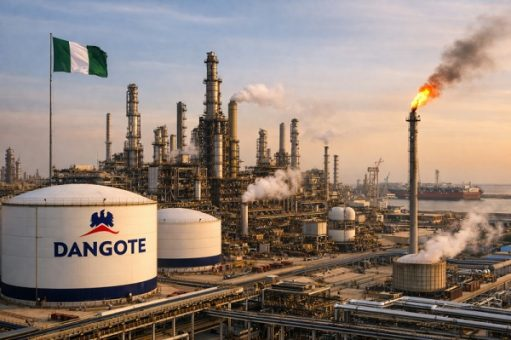

Now, back to Kunle. He has calculated what 10 shares would cost. Then 100. Then 1,000- mathematics that nobody asked him to do.
But before anyone gets carried away: owning shares does not automatically mean making money. The price can rise, but it can also fall, even for a company that performs well.
Investors like Kunle need to understand the business, valuation, risks, offer terms, and their own circumstances before deciding. Patience is also part of the stock market; investing is generally not about putting money in today and expecting a life-changing return tomorrow.
The prospectus also contains an incentive for retail investors: those who qualify and hold at least the minimum subscription for the required period can receive additional bonus shares, subject to the stated conditions. But bonus shares should not become the reason someone ignores the risks and terms of the listing.
And no, this is not meant to discourage anyone from participating. It is simply an explanation of what everyone is suddenly shouting about, so that interested people can approach the opportunity with a clearer head.
Retail investors also do not need to be sitting in a stockbroker's office to participate. There are approved digital and financial platforms through which eligible investors can subscribe, but anyone interested should check the Dangote IPO's official information and use only the approved channels listed there, rather than downloading an app because someone mentioned it online.
So before you start calculating how many shares you can buy, ask yourself:
Do I actually understand what an IPO is?
Have I read the prospectus?
Do I understand the risks attached to the company and the market?
Am I making a decision because I understand the investment, or because everybody on social media is talking about it?
That last question may be the most important one.
Because the Dangote Refinery IPO is such a significant moment for Nigeria's capital market, it is important for prospective investors to understand the opportunity, the company, the offer terms, and the risks involved before making a decision.
Africa has not seen an IPO of this size before, and the attempt to bring millions of retail investors into ownership of one of the continent's most significant industrial assets could have implications beyond Dangote Refinery itself.
If you are considering investing, do your own research, read the approved prospectus carefully, and seek advice from an appropriately qualified financial professional where necessary.
The Dangote IPO may be an opportunity for investors to participate in the ownership of one of Africa’s largest industrial projects. As with any investment, understanding what you are buying, how the investment works, and the terms of the offer is an important part of making an informed decision.