Could Niger State Become Nigeria’s Solar Power Hub by 2030?
Niger State wants 1GW of solar power by 2030. But can that ambition translate into reliable electricity for homes, businesses and industries?
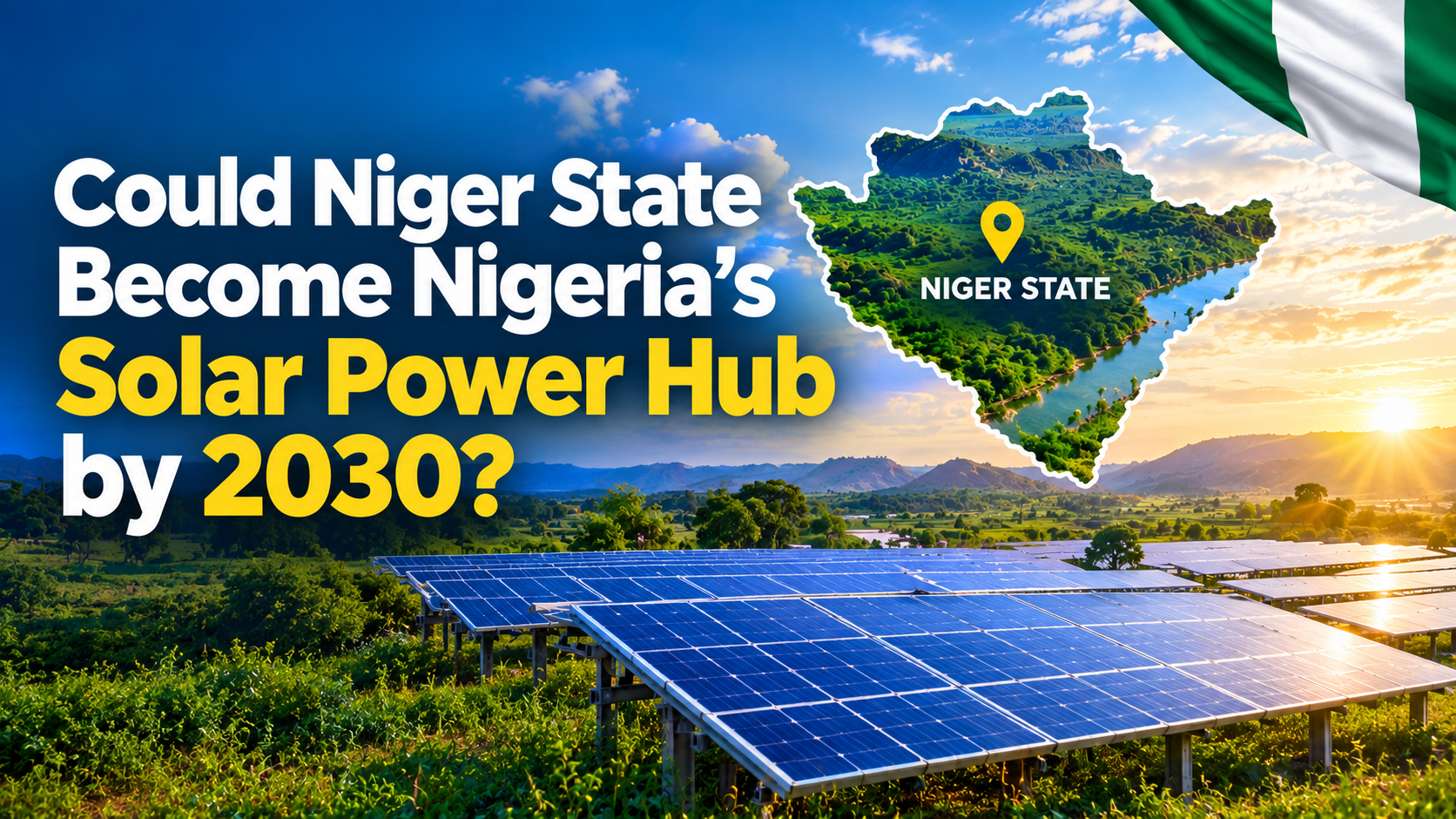
What if one of Nigeria’s biggest opportunities to solve its electricity problem is sitting in plain sight — under the sun?
Niger State is betting that solar power can become a major part of its economic future. The state government says it wants to build up to 1 gigawatt of solar energy capacity by 2030, positioning Niger as one of Nigeria’s leading solar power-generating states.
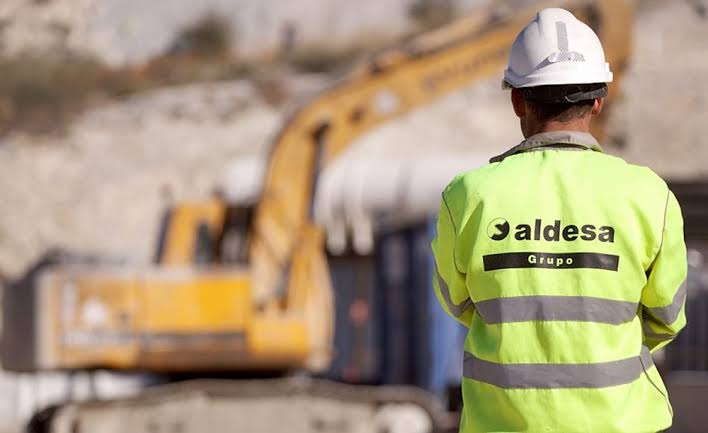
Governor Umaru Bago recently reaffirmed the ambition while receiving a delegation from ALDESA Group, a renewable-energy subsidiary of the China Civil Engineering Construction Corporation (CCECC).
The government says it has also secured funding for another 200-megawatt solar project, with the bidding process already underway.
But producing electricity is one thing, because turning that electricity into reliable power for homes, businesses and industries is another.
Niger State Is Betting Big on Solar
The plan is ambitious.
The additional 200MW project would add significantly to Niger State’s renewable-energy capacity, while the broader 1GW target suggests that the government sees solar as more than a short-term electricity project.
It wants renewable energy to become part of the state’s wider development strategy.
For a state with large areas of land and strong sunlight, solar offers an opportunity to generate electricity without depending entirely on Nigeria’s already strained national grid.
But reaching 1GW will require more than announcing projects.
The state will need financing, reliable equipment, skilled workers, transmission infrastructure and a system capable of moving the electricity to where it is actually needed.
Why Is The 200MW Project Important?
The newly announced 200MW project could become an important test of how serious the state’s solar ambitions are.
According to Governor Bago, funding has already been secured and bids have been opened to interested companies. He also invited CCECC to submit its proposal, stressing that every bid would go through the government’s procurement process.
That means the project is moving beyond an idea and into the competitive bidding stage.
CCECC has already expressed interest in expanding its renewable-energy partnership with the state.
During the meeting, its Executive Director, Austin Qi, highlighted the company's renewable-energy projects in Nigeria and other parts of the world.
The company says its work is guided by safety, quality and sustainability, but for Niger State, the bigger question is what happens after construction.

A solar farm can generate enormous amounts of electricity, but without adequate transmission and distribution infrastructure, some of that power may never reach the people and businesses that need it.
Can 1GW Really Change Niger State?
This is where Niger State's ambition becomes more interesting.
If the government eventually reaches 1GW of solar capacity, the impact could extend beyond electricity generation.
Reliable power could make it easier for businesses to operate, reduce dependence on diesel generators and support industries that currently spend heavily on alternative sources of electricity.
It could also create opportunities around solar installation, maintenance, engineering, battery storage and other parts of the renewable-energy supply chain.
But the target should not be judged only by the number of megawatts announced.
The real measure will be how much electricity is actually generated, how consistently it reaches consumers and whether households and businesses can afford to use it.
Nigeria has seen plenty of ambitious power projects before. The difficult part has often been turning infrastructure announcements into reliable electricity on the ground.
Niger State therefore has an opportunity — but also a serious test ahead.
If it can combine investment, infrastructure and proper implementation, the 1GW target could help turn the state into an important renewable-energy centre.
If not, it could become another impressive number that looks better on paper than it does in people's homes.
For now, Niger State is betting on the sun.
By 2030, the question will be whether that bet produced enough power to change everyday life.