Nigeria’s Smaller Naira Notes Are Disappearing, and Nobody Seems to Be Talking About It
₦50, ₦100 and smaller naira notes are becoming harder to find in Nigeria. Did we stop printing them, or has something else happened to our money?
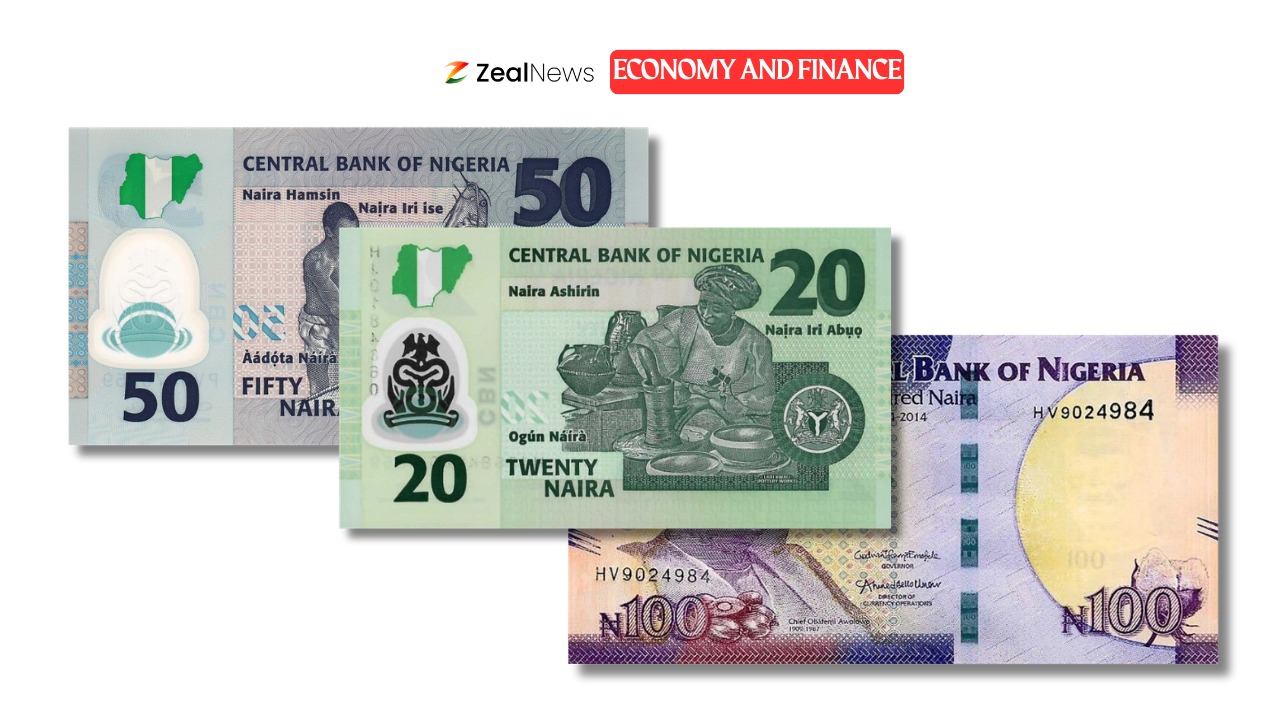
Imagine entering a bus, paying your fare and waiting for your change, only for the driver to reject your two ₦50 notes and say, “Nobody spends this money again.”
Wait, what?
Since when did money issued by the Central Bank of Nigeria become something people could casually reject? The woman had legitimate Nigerian currency, yet the driver believed the notes were practically useless.
And honestly, this situation raises an interesting question. What exactly is happening to our money?
Remember when ₦50 could buy you something useful? When ₦100 could cover a small expense and ₦200 could sort out a few things without leaving your pocket empty? Those days feel increasingly distant.
Today, finding somewhere to spend ₦5, ₦10 or ₦20 is becoming difficult.
Even ₦50 and ₦100 notes are losing their usefulness in everyday transactions. Before long, we might find ourselves treating ₦200 as the smallest money worth carrying.
But these notes have not all been officially withdrawn. So, why are they becoming harder to find, and why do some people refuse to accept them?
Did Nigeria Stop Printing Smaller Naira Notes?
In July 2026, CBN Governor Olayemi Cardoso addressed concerns about the scarcity of smaller denominations. According to Premium Times, he attributed their declining availability largely to the growing popularity of digital payments. He maintained that the notes remained legal tender.

In simple terms, the CBN believes fewer Nigerians need smaller notes because more transactions now happen electronically.
And you can see why. People transfer money for lunch, send ₦500 to friends and pay for purchases with their phones. Some roadside businesses even accept transfers now.
But have you ever tried transferring ₦200 at a roadside shop when your network suddenly decides to disappoint you? Or stood there waiting for an alert while the seller insists that no payment has arrived?
Sometimes, cash is simply easier.
Millions of Nigerians still depend on physical money for transport fares, market purchases and everyday expenses. Not every trader has reliable internet access, and not every customer wants to depend on a banking app to buy something small.
The CBN has also identified other challenges affecting currency availability, including people holding onto notes and limited access to ATMs dispensing smaller denominations.
So, the situation is not simply about Nigerians abandoning cash. The availability of smaller notes matters too, particularly for people who still need them for daily transactions.
And then there is the issue nobody can ignore: the rising cost of practically everything.
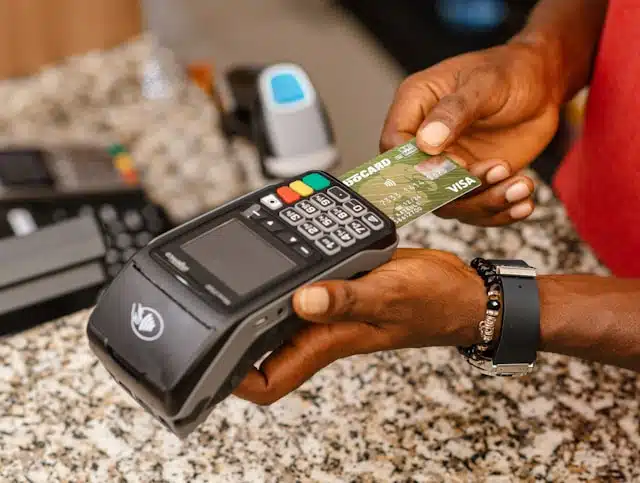
Has Everything Become Too Expensive for ₦50?
When last did you buy something with ₦50 and feel like you got your money's worth?
These days, that amount might not even cover the smallest item on your shopping list. Transport fares have increased, food prices keep climbing, and ordinary household expenses can leave you wondering how you managed to spend so much.

Inflation has changed what Nigerians can afford. As prices rise, smaller denominations become less useful for purchases that once cost considerably less.
This also affects businesses. Imagine running a shop where most items cost hundreds or thousands of naira. You might rarely need ₦5 or ₦10 notes to complete a transaction, especially when customers increasingly pay with larger denominations or transfer money.
Transport operators face similar challenges. When fares increase, drivers need different amounts of change, and the smallest notes become less practical for everyday transactions.
Over time, people start preferring larger notes because those are what they actually use.
However, there is a difference between a note buying less than it used to and people refusing to accept it altogether.
When a trader tells you nobody accepts ₦50 anymore, you might take that note somewhere else. But if the next person says the same thing, spending it becomes a struggle. Eventually, you stop carrying it because you have better things to do than argue over your own money.
That is how a note can remain legal tender while becoming increasingly difficult to use in practice.
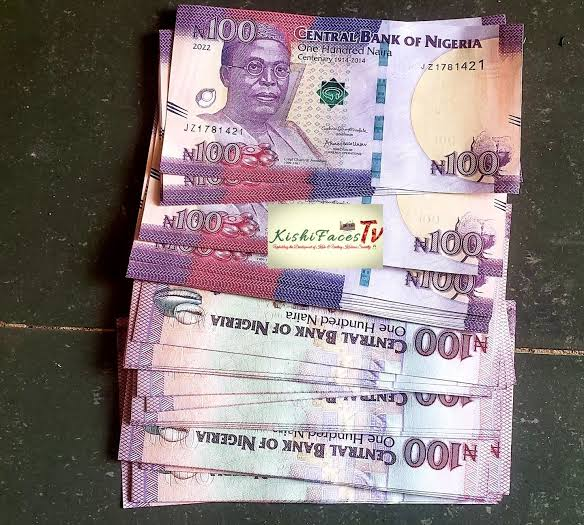
Is ₦200 Becoming Nigeria's New ₦50?
The frustrating thing about this situation is how quickly we adapt to it.
When a seller cannot return ₦50, you might accept a sweet instead. If a trader promises to give you your balance later, you may leave without collecting it. Sometimes, you simply let the money go because you are rushing somewhere.
But imagine losing small amounts like that several times a week.
For someone managing a tight budget, those little losses matter. Every naira counts when you are trying to pay for transport, buy food and handle other daily expenses. Having to surrender your change because nobody has smaller notes is hardly convenient.
There is also a question worth asking the CBN. If these denominations remain legal tender, are enough of them being produced and distributed to meet the needs of Nigerians who still rely on cash?
Digital payments are becoming more popular, but cash remains necessary for plenty of everyday transactions. The country cannot assume that everyone can switch to electronic payments simply because more people now use them.
There is also the question of what Nigerians should do when businesses refuse to accept legitimate banknotes. Many people may not know how to respond, especially when they are trying to catch a bus or buy something at a market.
The CBN's position that these notes remain legal tender is important, but Nigerians also need clarity about currency availability and practical ways to address refusals.
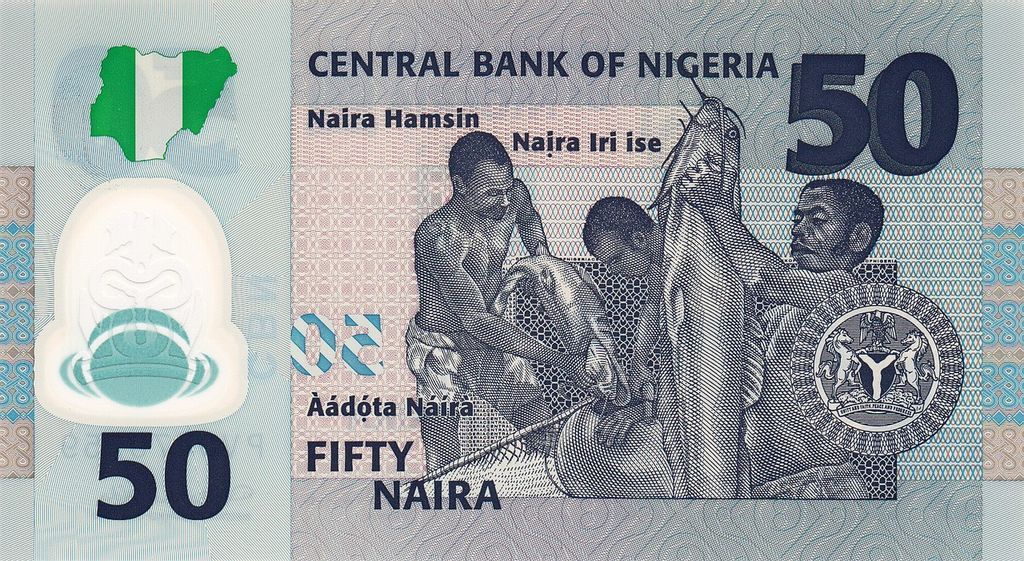
Ultimately, the issue goes beyond whether smaller denominations are still being printed. It concerns whether people can access and use the money they need for ordinary transactions.
Think back to the woman on that bus. She was not trying to buy anything extravagant or conduct some complicated financial transaction. She simply wanted to make payment, but two ₦50 notes became a problem because the driver believed nobody wanted them.
That small encounter says a lot about how Nigerians experience the changing value of money. Prices rise, businesses adjust, and ordinary people find themselves making compromises over amounts that should be straightforward to spend.
We may continue using transfers and larger denominations, but that does not make the needs of cash users disappear.
If the Central Bank says ₦50 is still money, why are Nigerians finding it increasingly difficult to spend it?