UK Flights Face Second Day of Disruption After Air Traffic Control Glitch
A major air traffic control system failure in the UK caused widespread flight cancellations and delays for two days, affecting tens of thousands of passengers. The technical glitch at NATS led to significant disruption at key airports like Heathrow, with airlines and authorities working to manage the ongoing backlog and rebook stranded travellers.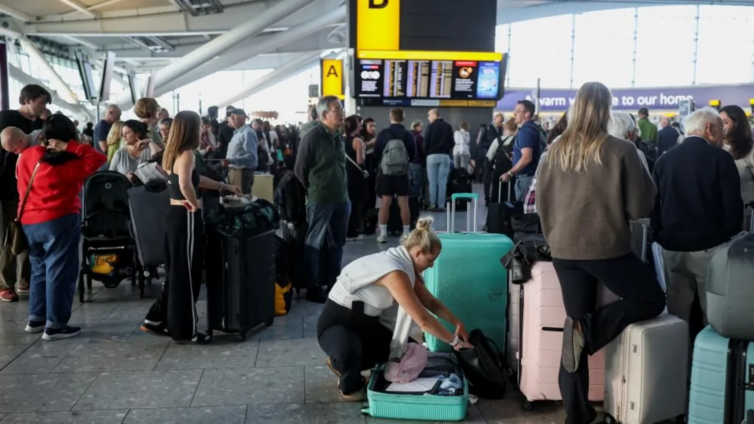
Flight disruption continued across the United Kingdom for a second consecutive day after a technical fault in the National Air Traffic Services (NATS) flight data processing system caused widespread cancellations and delays. Although NATS restored the system on Tuesday evening, the resulting backlog, aircraft repositioning problems and crew scheduling difficulties continued to affect tens of thousands of passengers on Wednesday.
NATS chief executive Martin Rolfe apologised for the disruption and said a full investigation would examine why the recovery took longer than expected, while Transport Secretary Heidi Alexander confirmed the incident was not caused by a cyberattack.
The disruption reportedly led to up to 1,000 cancelled flights on Tuesday, with EasyJet cancelling about 200 and British Airways more than 100, while airports including Heathrow, Gatwick, Manchester and Birmingham experienced significant delays.
Heathrow temporarily restricted departures and later diverted 13 inbound flights because of limited capacity, while airlines including Ryanair and Wizz Air criticised NATS and called for improvements to the UK's air traffic management system.
The disruption also affected international services, with some long-haul flights between Heathrow and South Africa experiencing substantial delays and passengers facing missed connections and difficult rebooking options.
Passengers reported spending hours waiting for information at airports and aboard aircraft as airlines struggled to manage the disruption and limited gate availability. British Airways advised passengers whose flights had been cancelled not to travel to the airport and urged all travellers to check their flight status directly with their airline before setting out.
Alexander said it would take time for services to return to normal, while stressing that lessons from the incident should be used to strengthen the resilience of the UK's aviation system.