Beyond Nigeria, Ghana and South Africa: 8 African Countries the World Keeps Overlooking
Beyond Africa’s famous names are 8 countries with surprising stories the world rarely talks about.
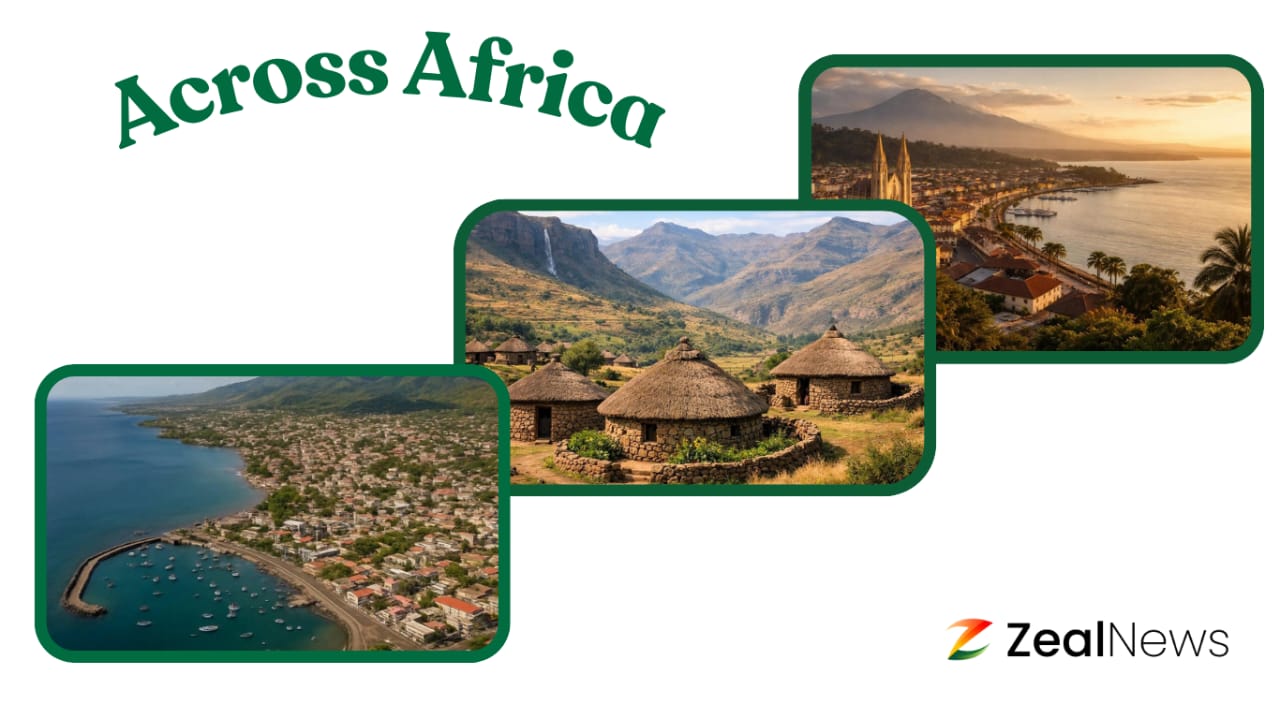
Ask someone to name African countries, and Nigeria, Ghana, South Africa, Kenya and Egypt might come up quickly. But what about the countries that rarely make conversation?
Africa has 54 internationally recognized countries, each with its own history, culture and surprises. Some have unusual geography, others speak unexpected languages, and a few occupy strategic positions that influence global trade.
Here are eight countries worth knowing beyond their names.
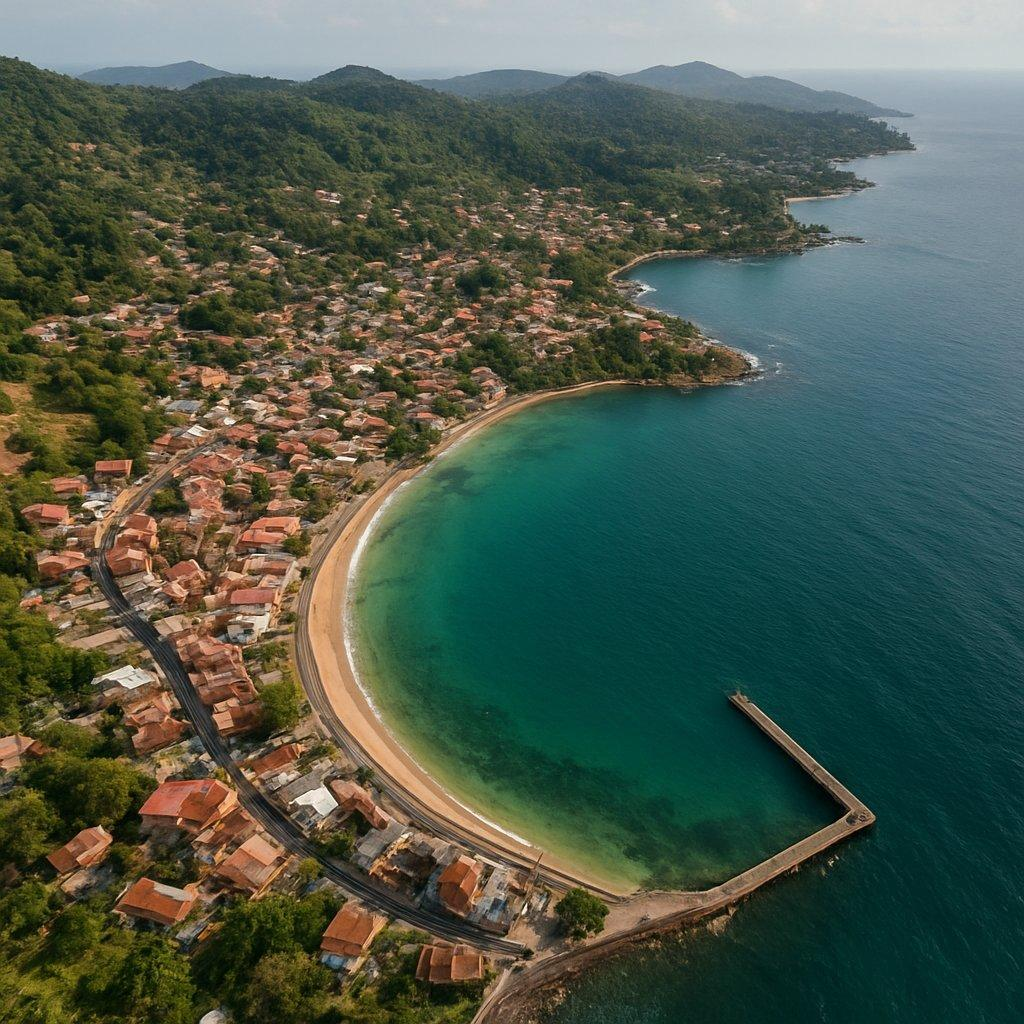
1. São Tomé and Príncipe: The Island Nation Known for Cocoa
Off Central Africa's coast lies São Tomé and Príncipe, a small island nation known for volcanic landscapes, tropical forests and cocoa production.
Its past includes Portuguese colonial rule, plantations and forced labour. Today, cocoa, coffee, fishing and tourism contribute to its economy.
The country may be small, but its history shows how an island many people struggle to locate on a map became connected to global trade.
2. Comoros: Where African and Indian Ocean Cultures Meet
This country is located between Madagascar and Mozambique, Comoros has a culture shaped by African, Arab, Persian and French influences. Its official languages are Comorian, Arabic and French.
The country is also known for ylang-ylang, a fragrant flower used in perfume production. Despite its beautiful islands and rich cultural connections, Comoros faces economic challenges and receives relatively little international attention.
Its story reminds us that Africa's history extends far beyond its mainland borders.
3. Lesotho: The Country Surrounded by South Africa
Can you name an independent country completely surrounded by another country? The answer is Lesotho, a mountainous kingdom enclosed entirely by South Africa.
This country is known as the Kingdom in the Sky, it has spectacular highlands and a distinctive Basotho culture.
But its mountains are more than scenery. Lesotho supplies water to South Africa through major water-transfer projects, making the small kingdom important to its much larger neighbour.
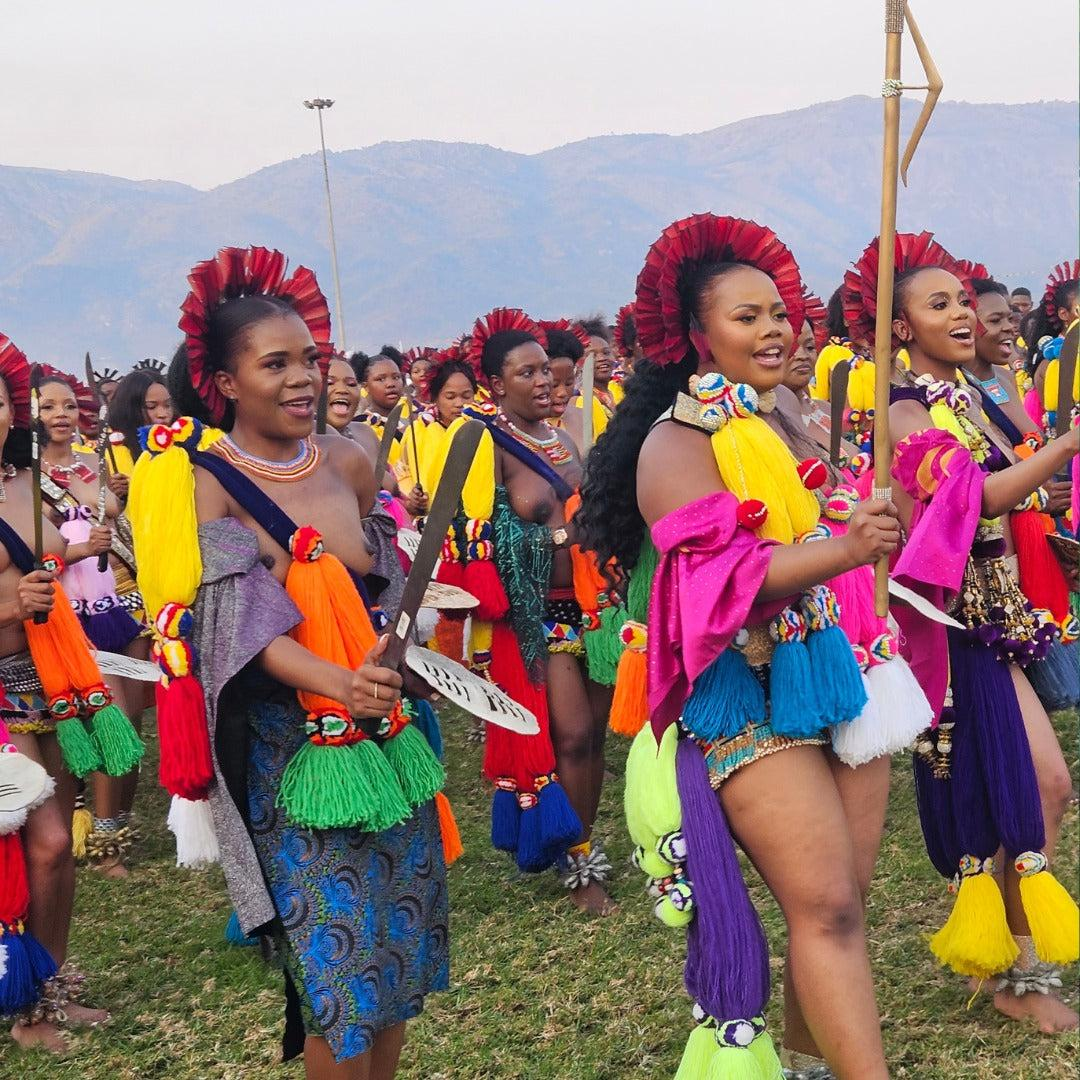
4. Eswatini: The Country Many Still Call Swaziland
If you still recognize the name Swaziland, there is a reason. In 2018, King Mswati III announced that the country's official name would become Eswatini, meaning “land of the Swazis.”
This landlocked kingdom lies between South Africa and Mozambique, and its traditions include the annual Umhlanga, or Reed Dance.
Yet Eswatini also faces debates over political freedom and economic opportunity. Its name change highlights how countries sometimes reclaim identities that better reflect their own languages and heritage.

5. Equatorial Guinea: Africa's Spanish-Speaking Country
Spanish is not a language many people immediately associate with Africa, but Equatorial Guinea is a Spanish-speaking country in Central Africa.
Its linguistic heritage comes from Spanish colonial rule. The country also recognizes French and Portuguese as official languages, alongside indigenous languages spoken by its communities.
Oil discoveries transformed its economy from the 1990s, but wealth has not been shared equally, and concerns about political freedoms remain.
Its existence challenges the assumption that African countries speak only English, French, Arabic or indigenous languages.
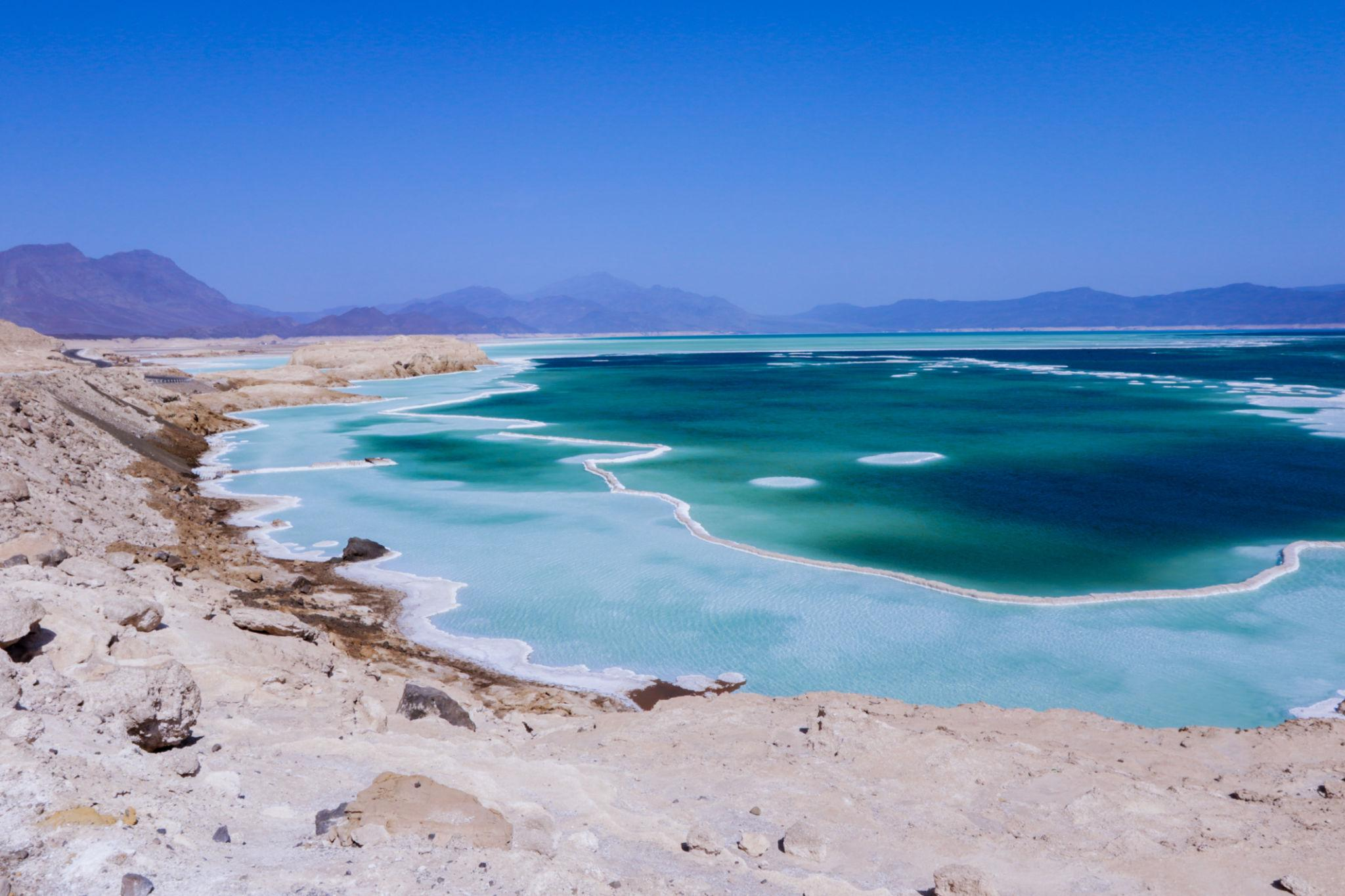
6. Djibouti: A Small Country With Global Strategic Importance
Djibouti sits near the Bab el-Mandeb Strait, a crucial shipping passage linking the Red Sea and the Gulf of Aden.
Its location has attracted foreign military bases, including those used by the United States, China and France. Its ports are also vital to Ethiopia's landlocked access to international trade.
Despite its small size, Djibouti plays a significant role in shipping and regional security. It is a reminder that global importance is not always measured by a country's land area.
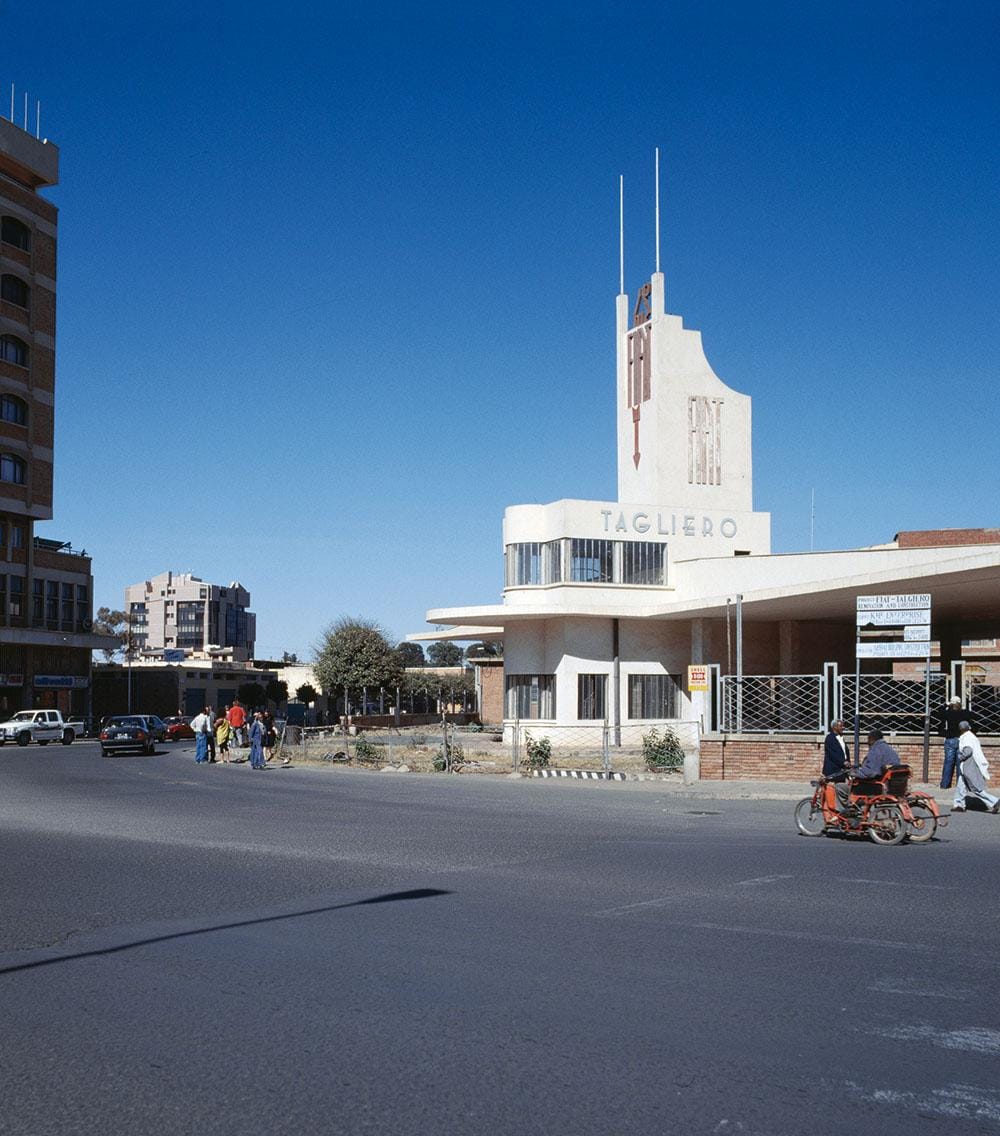
7. Eritrea: Home to an Unexpected Architectural Treasure
The capital of Eritrea, Asmara, is famous for its remarkably preserved modernist architecture. UNESCO added the city to its World Heritage List in 2017.
Eritrea gained independence from Ethiopia in 1993 after a long struggle. Its modern history has included war, prolonged national service and serious concerns about human rights.
Although these issues often dominate discussions about the country, Eritrea also has rich musical, culinary and cultural traditions that deserve attention.
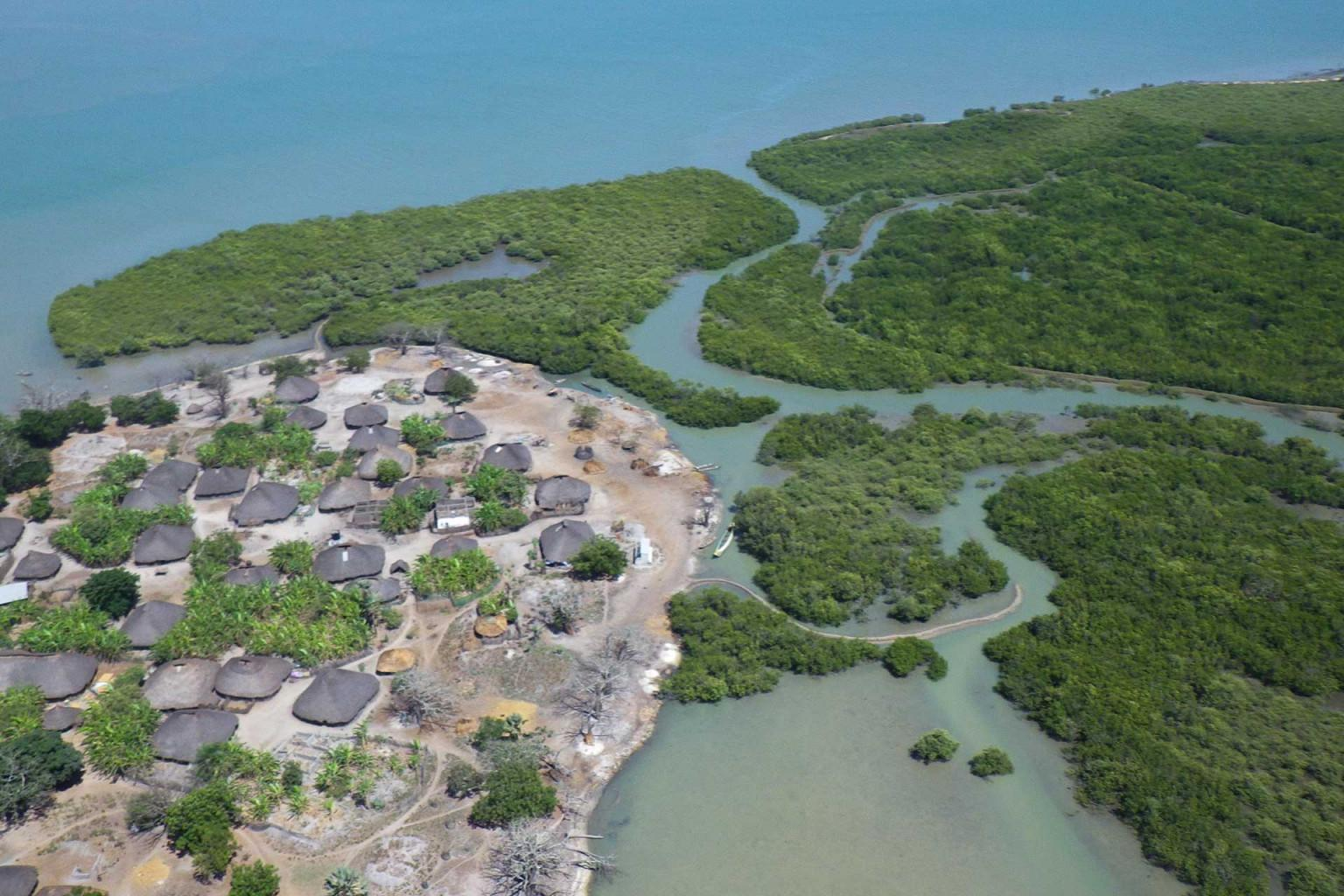
8. Guinea-Bissau: The Country With a Remarkable Island Archipelago
They are often overshadowed by larger West African countries, Guinea-Bissau has a distinctive Portuguese-speaking heritage and a fascinating natural landscape.
It gained independence from Portugal in 1973, with Portugal recognizing it in 1974. Its culture includes Portuguese-based Creole and several African languages.
One of its greatest natural treasures is the Bijagós Archipelago, a group of islands known for mangroves, wildlife and communities with long maritime traditions.
Despite repeated political instability, Guinea-Bissau has a history and cultural identity that extend far beyond the crises often associated with it.
Conclusion: Africa Is Bigger Than the Names We Know
These eight countries are not truly invisible, but they simply receive less international attention than some of their neighbours.
From Lesotho's water resources to Djibouti's strategic shipping routes and Equatorial Guinea's Spanish-language heritage, each offers something unexpected.
Africa is not short of fascinating stories. Sometimes, we just need to look beyond the countries that dominate the headlines.