After Six Weeks and 40 Million Affected Nigerians, the FCCPC Has Suspended Its Digital Lending Rules On Telcos
The FCCPC has suspended its DEON digital lending rules for telecom operators, ending a six-week airtime lending blackout that affected 40 million Nigerians. The decision follows a prolonged dispute over regulatory authority and compliance in Nigeria's digital lending space, raising fresh questions about oversight, consumer protection, and the structure of the telecom-fintech ecosystem.
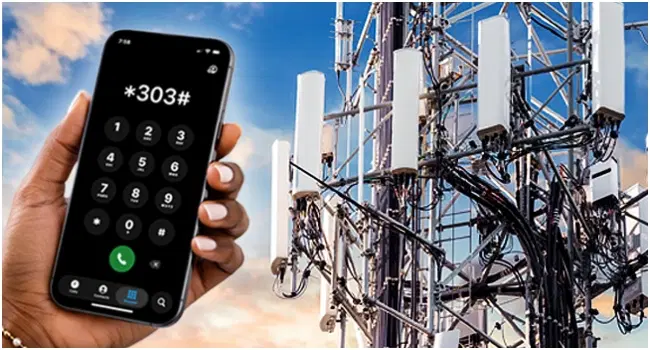
If you ever borrowed airtime on your phone, that quick MTN XtraTime or Airtel Advance that kept you connected until your next recharge, then the past six weeks affected you as a result of airtime lending suspension, and the resumption of its services definitely brought relief.
Nigeria's consumer protection regulator spent most of 2025 trying to bring telecom operators under a new digital lending framework. The telcos refused the move, courts weighed in, and the services were suspended amidst the whole legal battle.
And then, quietly, the regulator has stepped back, without a public statement, without a press conference, and before a court had even decided whether the regulation was lawful in the first place.
What Was the DEON Regulation, and Why Did It Catch Telcos Off Guard?
Nigeria's digital lending market had become a well-documented problem. Predatory loan apps, aggressive recovery tactics, opaque charges, and harassment that crossed into criminality had drawn enough attention that something had to be done.
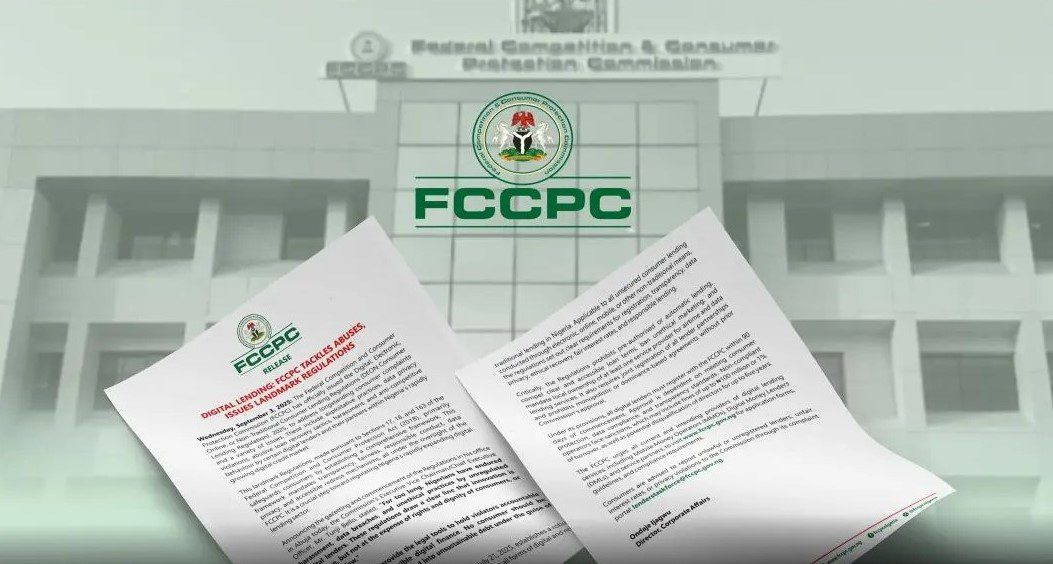
The Federal Competition and Consumer Protection Commission (FCCPC) responded in July 2025 with the Digital, Electronic, Online or Non-Traditional Consumer Lending Regulations, known as DEON.
The framework required any entity offering credit repayable from future payments to register with the commission, operate transparently, and follow ethical recovery standards. On paper, the logic was sound. The collision came and was felt in the application.
Telecom operators read the definition and immediately saw that their airtime advance products — MTN's XtraTime, Airtel Advance, Glo's Borrow Me Credit — fell within DEON's scope.
A subscriber borrowing airtime against their next recharge is, technically, a form of short-term credit. The FCCPC agreed. But the telcos, and later the Wireless Application Service Providers Association of Nigeria (WASPAN), disagreed on a different basis: not whether airtime lending is credit, but whether the FCCPC had any authority over it at all.
Their position was that telecom-enabled services fall under the Nigerian Communications Commission (NCC), not the FCCPC, and that applying DEON to them was a regulatory overreach.
The FCCPC gave operators a 90-day compliance window in mid-2025, extended the deadline to January 5, 2026, then extended it again to April. When enforcement finally arrived, the telcos did not comply; they suspended services instead.
So What Happened When the Telcos Refused?

MTN filed a notice to the Nigerian Exchange on April 16. Airtel and Globacom followed. In one move, a ₦300–400 billion annual airtime lending market froze, and roughly 40 million subscribers lost access to a service many had come to treat as basic financial infrastructure.
WASPAN filed at the Federal High Court in Lagos on April 14. Justice Ambrose Lewis-Allagoa issued an interim injunction the very next day, restraining the FCCPC from enforcing DEON against WASPAN members.
A separate suit, filed by Nairtime Holdings and Nairtime Nigeria, argued that telcos could not cut off their USSD channels and billing access mid-contract to comply with a new regulatory directive. The Abuja Federal High Court agreed and ordered MTN and Airtel not to disrupt Nairtime's licensed operations.
The FCCPC applied to lift the Lagos injunction. The court refused, and through all of this, MTN held its position longest. As late as May 4, three weeks into the suspension, CEO Karl Toriola told investors that XtraTime would only return after either a court ruling setting aside DEON or a clear regulatory directive from the relevant authority.
How Did It End, and Why Does the Ending Matter?
On May 22, the FCCPC suspended enforcement of DEON. There was no official statement or any press release. The decision was confirmed through ALTON's public applause and telcos flipping their services back on.
Airtel and Globacom resumed on May 25. MTN followed shortly after, citing the suspension as the basis for reinstatement, a reversal from the firm stance its executives had taken just three weeks earlier.
ALTON Chairman Gbenga Adebayo welcomed the development as a mature institutional recognition that the NCC is the primary regulator of telecom services, noting its importance for industry stability and investor confidence.
What ALTON did not address, and what the FCCPC has not publicly explained, is the sequencing. The final court ruling on DEON's legality in the telecoms space is still scheduled for July 20, 2026.

Which means the commission stepped back from enforcement before a court had decided whether that enforcement was ever lawful to begin with.

The regulation existed in plain sight, and the deadline was extended twice. Courts also blocked real-time enforcement. The telcos defied, suspended services, and waited. After all of that — the legal battles, the petitions, the six-week blackout — the FCCPC quietly stepped back without explanation.
That question does not yet have a public answer. The July court date might provide one. Until then, XtraTime is still working, DEON is suspended, and the institutional dispute that triggered all of this remains unresolved.
Whether the July ruling reopens the fight or quietly buries it, the six-week freeze has already shown what happens when two regulators claim the same space, and the people caught in the middle are the 40 million who just wanted airtime.