Rare Vintage Photos Emerge from Knicks' Last Championship in 1973 NYC
The summer of 1973 in New York City was defined by an electric atmosphere, ignited by the Knicks' NBA championship. This period saw the city's iconic landmarks transformed, from the vibrant graffiti on subway trains to the nascent World Trade Center reshaping the skyline, capturing a unique blend of sports triumph and cultural shifts.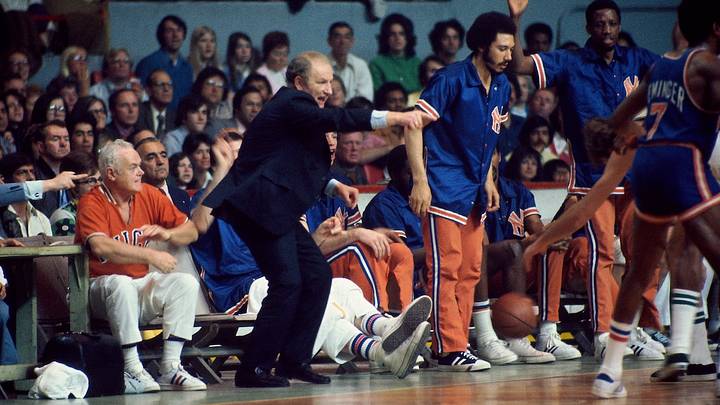
The summer of 1973 heralded a collective high across New York City, extending beyond the vibrant streets of the Village to a widespread wave of sports euphoria. The city entered a semi-permanent state of celebration after the New York Knicks clinched the NBA title on May 10, 1973. This period was marked by significant shifts, from the gleaming new skyscrapers downtown redefining Manhattan’s skyline to the thunderous rock concerts shaking Madison Square Garden. The tone for the entire summer was unmistakably set the moment the world-champion basketball team arrived back in the city, an energy palpable from the sun-baked street celebrations to the graffiti-adorned subway trains, capturing the signature '70s buzz everywhere, even amidst the midday Midtown rush.
The city was already at a fever pitch even before the summer officially began. On May 12, the New York Knicks touched down at JFK International Airport, having dethroned the Los Angeles Lakers on their home court to secure the NBA Championship. The team's reception was far more than a welcome home; it was a glorious riot. Port Authority police struggled to control the roaring crowd, which nearly swarmed the tarmac, establishing a manic, victorious atmosphere that permeated a legendary New York summer where the energy never subsided.
Times Square in the summer of 1973 presented a stark contrast to its modern-day appearance. A snapshot from the first day of June, nearly a month after the Knicks' historic victory, revealed the "Crossroads of the World" devoid of electronic LED billboards. Instead of today's glowing video animations, the heart of the theater district featured stationary painted panels, flashing colored tubes, and neon signs advertising iconic brands such as Coca-Cola and Castro Convertibles, embodying a more mechanical, old-school version of New York’s most renowned landmark.
From the late 1960s into the early 1970s, New York City’s subway system transformed into an expansive canvas for a new generation of graffiti artists. Commuters frequently found themselves riding in what amounted to rolling galleries of spray paint and marker tags, featuring works from pioneers like JULIO 204 to the widely recognized TAKI 183. The metallic bodies and glass windows of the Broadway Line, rather than showcasing clean, modern aesthetics, served as a dynamic, city-wide art exhibition.
Further down the BMT lines, summer '73 was in full swing at Coney Island, the southernmost tip of Brooklyn. This iconic destination offered a sun-baked escape from the city’s concrete heat, dominated by the towering wooden structure of the legendary Cyclone roller coaster. The scene was characterized by boardwalk strollers, cracked pavement, and classic cheap thrills at attractions like the Haunted Mansion. While the Knicks reigned supreme in Manhattan’s climate-controlled arenas, Brooklynites at the shoreline had their own distinct ways of keeping cool.
While the Knicks were conquering the basketball world in mid-May, the city's baseball scene faced a different fortune. A pivotal moment saw beloved New York Mets first baseman Ed Kranepool taking a swing against the Houston Astros at Shea Stadium in Corona, Queens. The Mets ultimately lost this May 5 matchup, a defeat that concluded a brutal four-game losing streak and caused them to tumble from first to third place in the NL East. Although the Mets famously rallied later that year with their