The Cultural Inheritance Problem: When Tradition Becomes a Barrier to Critical Thinking
Tradition gives us identity, but when does it become a cage? This cultural commentary examines inherited practices, the silence of compliance, and why critical thinking is not the enemy of culture but the force that keeps it honest and relevant.
Somewhere, right now, something is being done to a person, not out of hatred, not out of malice, but out of love. The deep, unquestioned, generational kind of love that does not see itself clearly enough to ask whether what it is doing is right.
The elders are usually present in some council. The issue is debated, judged, and expected to follow a particular pattern, one that honours the culture passed down across generations.
And if the person involved objects, the response comes swiftly, with absolute authority: this is how it has always been done.
That sentence may be the most powerful, and the most dangerous, sentence in the history of human civilization. We call it tradition, dress it in reverence, and most of us build entire identities around it.
But when stripped of sentiment, tradition is a repeated behaviour that enough people agreed to, long enough ago, that nobody remembers the original agreement.
Anything we call tradition today was first conceived in the mind of someone. That someone thought it up, enforced it through whatever means were available, and others followed. Then following became expectation. Expectation became law. The law became sacred, and the moment a thing becomes sacred, asking questions about it starts to feel like a kind of blasphemy.
Morality Has a Passport. It Changes When You Cross Borders.
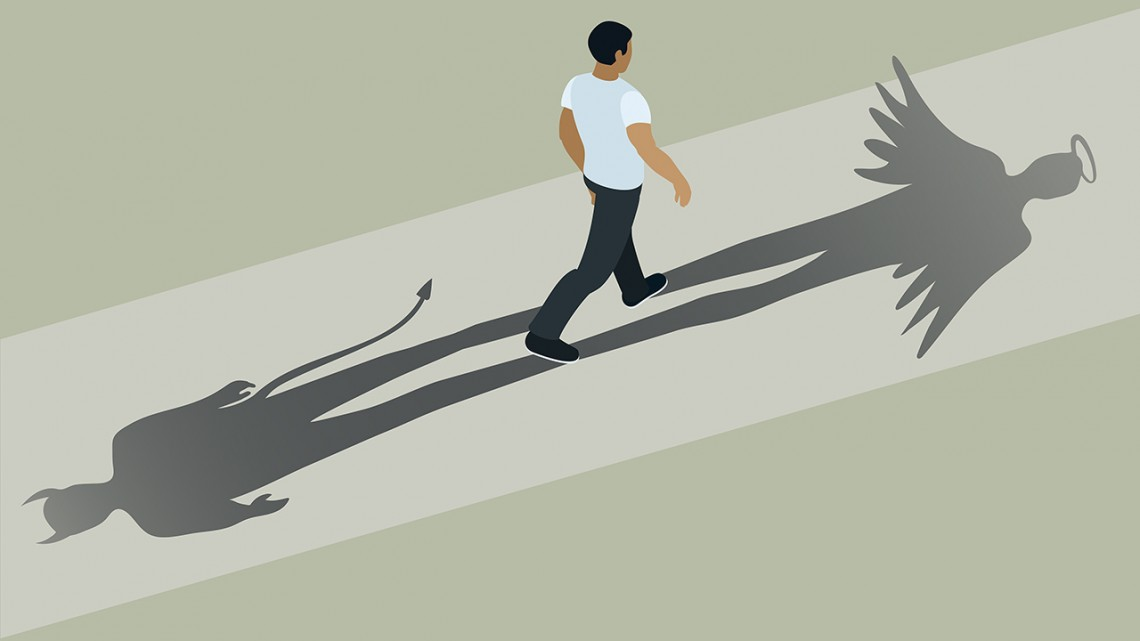
Consider this: what is perfectly normal in one place is deeply offensive in another. What one community calls respect, another calls suppression. What one family calls protection, another calls control.
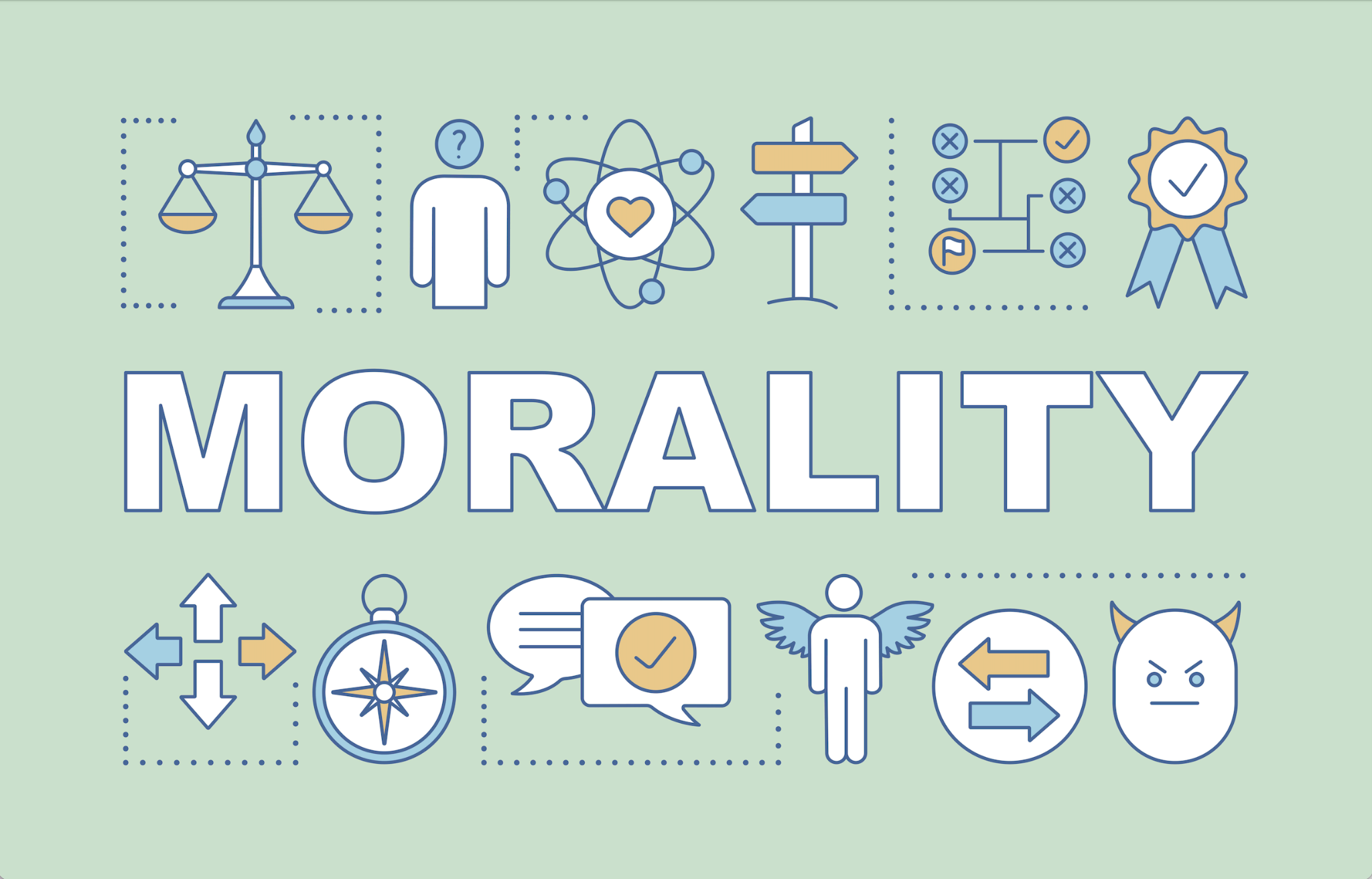
Morality is not a fixed coordinate on a map. It is a product of geography, upbringing, religion, class, and the particular stories a community has chosen to keep telling itself. Nobody is born with a moral code, they are handed one.
This is not a relativist argument that nothing is wrong. Some things are wrong regardless of the longitude you are standing on. The real question is whether tradition has become a sanctuary where wrong things go to feel protected, whether cultural framing is being used, sometimes deliberately, often unconsciously, to immunise practices from examination.
Think about it. You know the traditions in your world that make you slightly uncomfortable when you think about them too long. The ones you participate in because the cost of refusing is social exile.
The ones where, if you voice a single doubt, the room turns cold, and you suddenly become the person who has forgotten where they came from.
And yet those same traditions were not handed down from a mountaintop. A person made that decision. A group of people ratified it. Time passed. Now it carries the weight of eternity. Laws have been changed. Systems dismantled and rebuilt. Medical understanding has reversed itself multiple times within a single century.
But the tradition stays, because tradition is no longer really about the practice. It is about identity, and identity, unlike law, does not respond well to logic.
When Loyalty to the Past Becomes a Violence Against the Present
There is a particular cruelty in inheriting a harm and calling it heritage. It is one thing to carry a tradition that is inconvenient or simply outdated. It is another thing entirely to carry one that diminishes a person, restricts their choices, reaches into their body, or tells them that who they are is incompatible with belonging.
Culture
Read Between the Lines of African Society
Your Gateway to Africa's Untold Cultural Narratives.
The argument is always the same: our parents did it, their parents did it, and they turned out fine. But did they? Or did they simply never get to say whether they were fine, because that, too, was not permitted? Silence is not proof of consent. Endurance is not proof of rightness.
A person can survive something and still carry the shape of it inside them for the rest of their life. The absence of complaint is often just the evidence of a lesson learned about what happens when you complain.
In March 2024, the Gambian parliament advanced a bill that would have made the country the first in the world to reverse a ban on female genital mutilation, a practice affecting more than 230 million women and girls globally, according to UNICEF.
The bill’s sponsor framed the 2015 ban as a Western imposition, arguing that Gambians, up to 96% of whom are practising Muslims, should be free to practise their faith as they see fit. That argument; tradition weaponized as identity, identity weaponized as silence, defines the core tension of the debate.
Jaha Dukureh, who underwent the procedure and lost her sister to it, told Al Jazeera that its loudest defenders of some traditions are often those without lived experience of its harm. In July 2024, lawmakers voted 34 to 19 to reject the repeal bill, a hard-won victory, not a settled conversation. The question remains: what does it say about a tradition when its strongest defenders are rarely those it is done to?

At what point does loyalty to the past become a violence against the present? At what point do the living owe more to the dead than to themselves, or to the people around them who are breathing right now and bearing the consequences of inherited decisions they never agreed to?
It is worth noting that this discomfort is not unique to any single culture. Practices across the world, from inheritance customs that exclude daughters to initiations designed around endurance rather than meaning, to doctrines that require silence from the very people most affected, have each, at some point in history, faced the same challenge: someone stood up and asked why, and the room turned cold.
Critical Thinking Is Not the Enemy of Culture
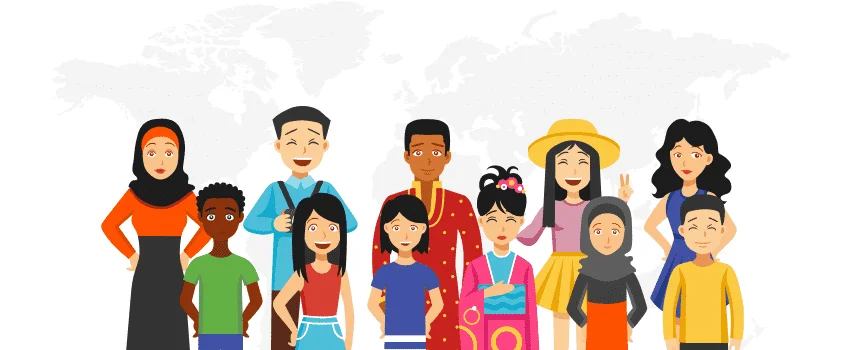
Critical thinking is not the enemy of culture. It is what makes culture worth keeping. A tradition that cannot survive a sincere question was never as strong as it claimed to be.
The things worth preserving hold up under scrutiny. They do not need to be protected from examination. They do not need you to stop thinking in order to be honoured.
There is no elder sitting somewhere who will officially declare the era of unexamined tradition over. That permission will not be granted. It never is. Every generation that has ever pushed back on inherited practice did so before the world agreed with them — not after. They were called disrespectful.
Some were told they had forgotten where they came from. Some of them did not forget at all. They had simply decided that where they came from was not the only thing that mattered.
In South Africa’s Eastern Cape province alone, 41 young men died during the 2024 traditional initiation season, boys who entered the bush in full health and did not return alive. The government has responded with laws requiring initiation schools to be registered, yet illegal schools persist, and deaths in registered ones continue.
Many cases are linked to preventable causes, dehydration, septic infections from unsterilized tools, and abuse by caregivers. The rite itself, isolation, instruction, and passage into manhood, holds deep cultural value, which is what makes the issue so complex.

Former health minister Zweli Mkhize told parliament that 476 young people died over five years, all before completing initiation. A tradition that produces both meaning and death is not beyond examination; it demands it.
Now to question a tradition is not to erase it. It is to look at it squarely and decide what it deserves. Some things deserve to be carried forward because they are genuinely beautiful, connective, and human: the food, the language, the music, the ceremonies that promote unity, the rituals of grief and celebration that remind us we belong to something larger than ourselves. These are worth protecting.
Culture
Read Between the Lines of African Society
Your Gateway to Africa's Untold Cultural Narratives.
But they do not all come in the same package. The beautiful and the harmful arrived together, wrapped in the same cloth, and the work of every generation is learning to tell them apart.
A Prison Is Still a Prison, Even With Familiar Walls
Human rights are not a foreign imposition. They are a minimum, a floor below which no tradition earns the right to descend, regardless of how long it has been descending. The body of a child. The autonomy of a woman.
The dignity of a person whose identity does not fit the inherited script. These are not cultural variables. They are not negotiable depending on what century the surrounding practice began.
So the real question is not whether tradition matters, of course it does. The question is whether it matters more than the people it is being applied to. Whether the collective story outweighs the individual life.
Whether we have quietly agreed, without saying it out loud, to trade critical thought for comfort, to keep the peace by keeping everything the same, and to call that peace culture.
A 2024 Equality Now analysis of twenty African countries found that gender inequality in marriage, divorce, custody, and property rights is being reinforced by discrimination embedded in both legal systems and customary laws. In Nigeria, widows’ inheritance rights are often ignored or contested by in-laws despite protections in civil law.
In Kenya, a 2022 High Court ruling declared provisions of the Succession Act unconstitutional for stripping widows of inheritance rights upon remarriage, but the law has not been amended, and many remain unaware of the ruling.
Across sub-Saharan Africa, widows also face prolonged mourning practices alongside loss of property and economic independence. None of these is framed as cruelty, it is framed as culture, and that is the tension.

Our ancestors were human, brilliant, creative, survival-driven human beings who built systems out of the resources, knowledge, and fears available to them at the time. Some of what they built was extraordinary.
Some of it was a product of context that no longer exists. The work is not to dismiss them. The work is to finish what they started, and finishing it means being honest about which parts still serve life, and which ones have quietly become its opposite.
A prison with good food and familiar faces is still a prison. The most dangerous kind is the one the inmates have learned to call home.