Who Are Uganda's Ghetto Kids, The Street Dancers Who Reached The World Cup Final Without A Single African Team On The Pitch?
Uganda's Ghetto Kids have gone from Kampala's streets to the FIFA World Cup final halftime show alongside Shakira and Burna Boy. Their remarkable journey reflects the power of talent, opportunity, and Africa's growing cultural footprint on the global stage.
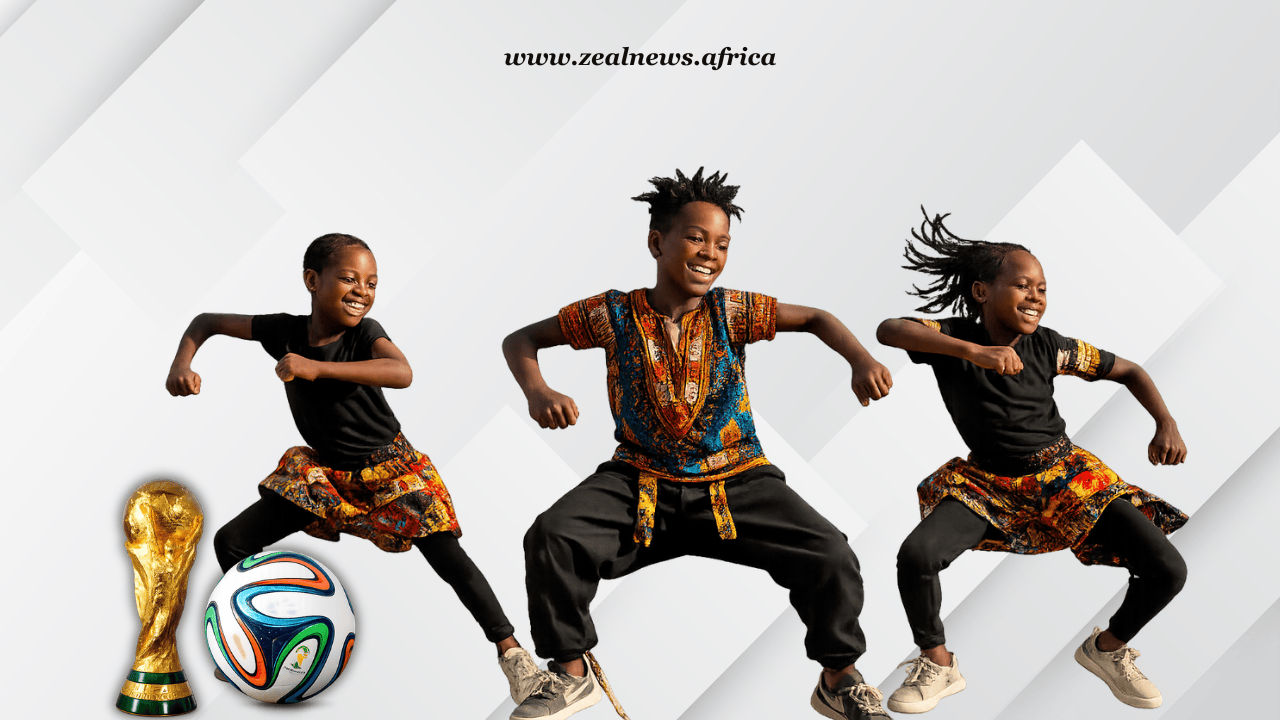
Spain has lifted the World Cup as this year's champions, and the arguments that always follow a final have already started since the final whistle was blown yesterday.
And while some are asking whether this was Lionel Messi's last dance on football's biggest stage and if it was worth it. Others are celebrating the arrival of a 19-year-old Lamine Yamal as the tournament's newest phenomenon.
That is usually how a World Cup gets remembered, through trophies, goals, and the names printed across the backs of jerseys.
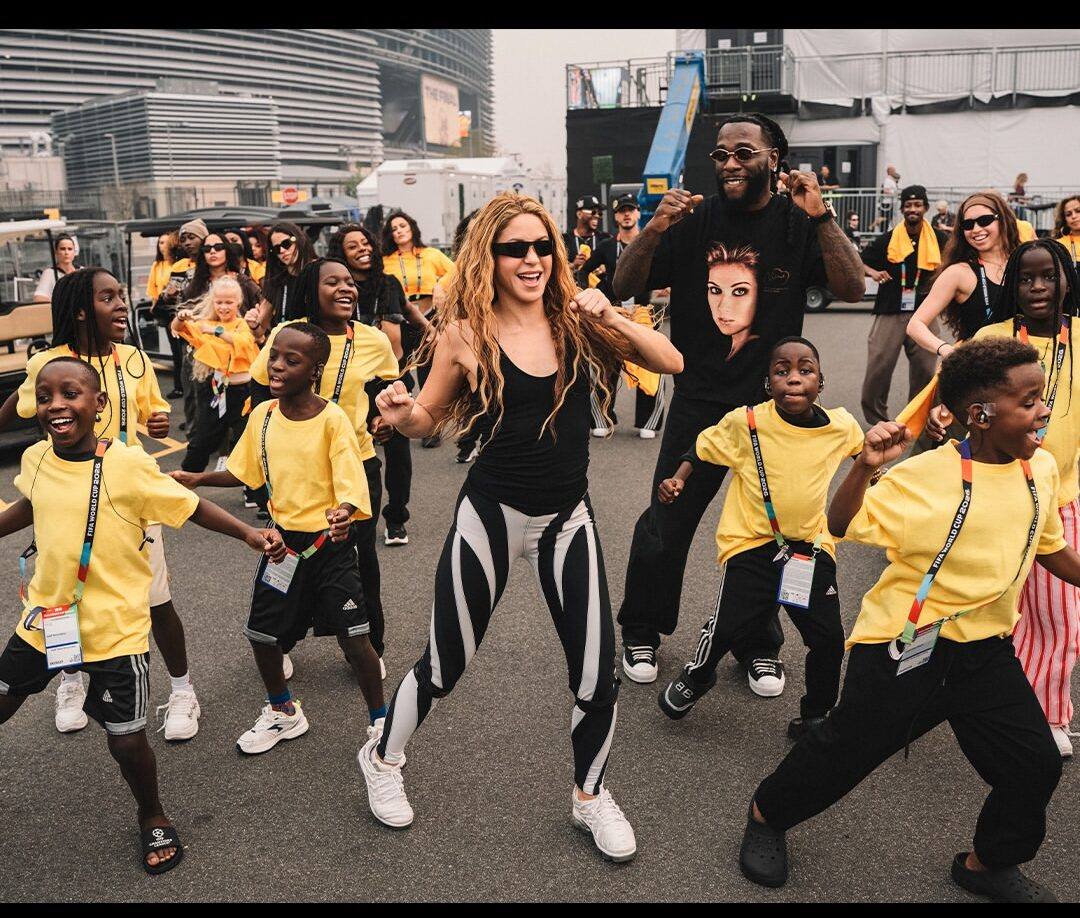
But during the halftime of the final itself, on one of the most-watched stages in global sport, a group of children from Kampala stepped out alongside Colombian superstar Shakira and Nigerian Afrobeats icon Burna Boy and briefly pulled the world's attention somewhere else entirely.
It's no doubt that no African nation reached the final, everyone is aware of that, but the Uganda's Ghetto Kids got there anyway, and represented Uganda including the African heritage at large.
Uganda's Ghetto Kids route to that stage did not begin at MetLife Stadium. In many ways, their journey says as much about Africa's growing cultural footprint as it does about the children themselves.
Who Are The Ghetto Kids From Uganda: A Foundation Built Long Before Any Camera Arrived
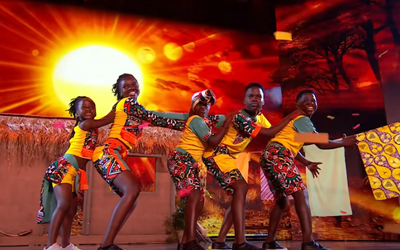
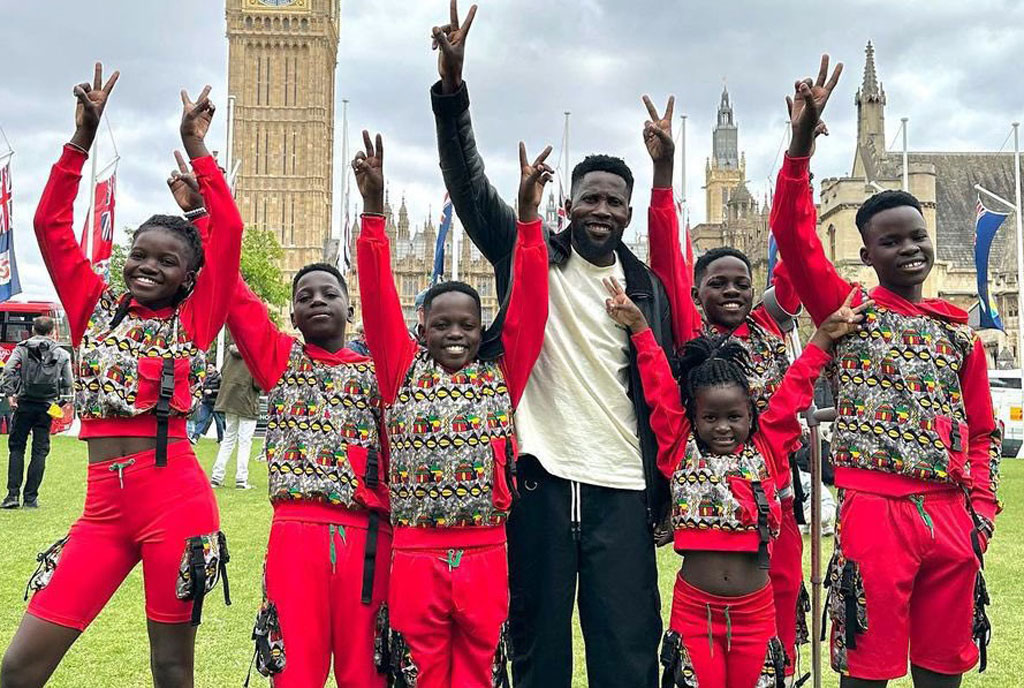
The Ghetto Kids did not set out to become entertainers. Dauda Kavuma founded the group in Kampala in 2014 through the Triplets Foundation Uganda, built to provide shelter, education, food, and opportunity to vulnerable and orphaned children living in the city's informal settlements.
Dance became the language through which that opportunity reached them, not the original point of the project.
Many of the children carry difficult histories behind them, having lost parents or faced circumstances that could easily have written their stories differently.
What held the group together in its early years was community rather than any pursuit of fame.
Their breakthrough arrived almost by accident, when videos of their performances began circulating online and their acrobatic routines and unmistakable joy travelled far past Uganda's borders.
International recognition followed in stages: an appearance in French Montana's multi-platinum video for "Unforgettable," performances tied to the 2022 FIFA World Cup in Qatar, a Golden Buzzer moment on Britain's Got Talent in 2023, and stages across Europe and beyond.
By the time this year's World Cup final arrived, it was simply the newest chapter in a story the group had already been writing for years.
An Invitation That Started With A Dance Nobody Commissioned
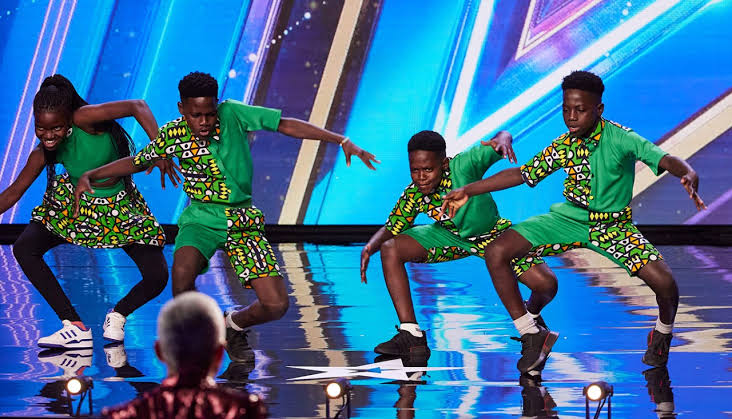
The way that invitation reached them says something about how global culture increasingly works. Shakira did not find the Ghetto Kids through a record label or an international talent agency.
She found them because they created their own routine to "Dai Dai," her official FIFA World Cup 2026 anthem with Burna Boy, and posted it online like millions of other creators reacting to the same cultural moment.
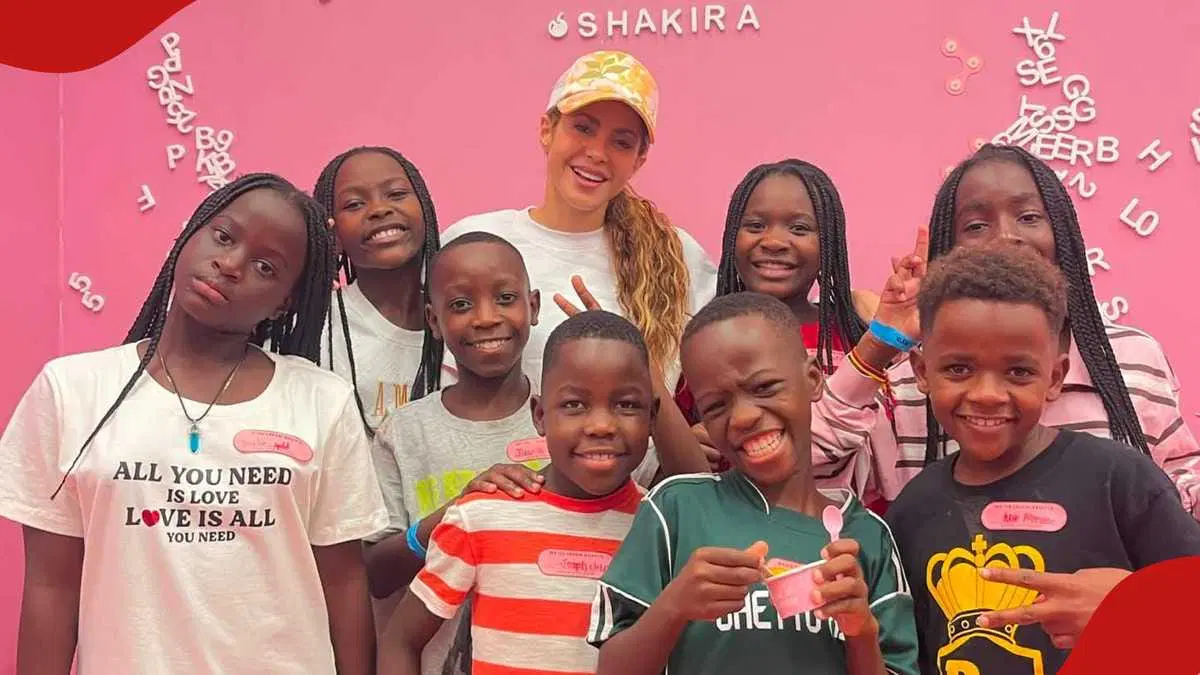
This time, the internet answered back. Shakira publicly invited the group to perform alongside her at the World Cup final halftime show, later describing her time with the children as magical.
That sequence of events points to something that gets overlooked whenever conversations about Africa and talent come up.
Talent has rarely been the continent's shortage. Visibility has. What Africa has often lacked is not gifted children but the bridges connecting that talent to the opportunities capable of matching it, and the Ghetto Kids are what happens when one of those bridges appears on its own.
Perhaps that is one of the quiet lessons hiding inside their story. The internet has changed who gets discovered and where opportunity begins.

Today, various dances recorded on the streets of Kampala became an invitation to perform before millions of people on one of the world's biggest stages tomorrow.
A Continent Increasingly Exporting Culture Rather Than Crisis
For decades, conversations about Africa's place in the world leaned heavily on natural resources, political crises, or economic statistics.
Increasingly, the continent's exports look and sound different. They arrive through Afrobeats, through dance troupes out of Kampala's streets, through film, fashion, and storytelling that travel on their own momentum.
They also challenge one of the continent's oldest narratives, that Africa's greatest contributions are confined to its resources rather than its people.
This World Cup final carried that shift in miniature. Nigeria showed up through Burna Boy. Uganda showed up through the Ghetto Kids. Colombia arrived through Shakira. All of these individuals at the World cup finals.
Football simply became the meeting point for all three, and the moment quietly challenged an old assumption: that opportunity only flows downward from wealthy institutions.
The Ghetto Kids were not discovered because of privilege. They were discovered in spite of its absence, which is likely why so many people connect with their story as deeply as they do.
There is something particularly fitting about that happening at the World Cup. Football has always sold itself as the world's game, but perhaps its greatest moments are not always found in the ninety minutes between two teams.
Sometimes they happen when cultures meet on the same stage and remind us that representation comes in more than one form and whilst this is the first edition of the World cup halftime show time, it has shown more than we can admit.
What The Ghetto Kids Leave Behind After The Final Whistle
Four years from now, another World Cup will arrive. Football fans will remember where they were when Spain became champions, and historians will debate where this final ranks among the great ones.
The Ghetto Kids will probably be somewhere else entirely by then, dancing on another stage and chasing another unlikely opportunity, because stories like theirs rarely stop at one destination.
For all the talk of trophies and football legends, one of the most memorable moments of this World Cup happened away from the scoreline, when children from Kampala stood beneath the brightest lights, with Shakira and Burna boy, in world sport and reminded millions of people that talent does not recognize geography.
Four years from now, another nation will lift the trophy and another generation of football stars will emerge.
What the Ghetto Kids leave behind is something different, a reminder that sometimes the stories worth remembering are not the ones holding the trophy, but the ones that should never have made it to the stage and somehow did.
Africa did not win the World Cup, but still participated fully and danced at the final.