The New Risk of Public Spaces: Becoming Someone Else’s Content
Filming in public is not automatically illegal in Nigeria, but posting it may be a different matter. Content creators and unsuspecting strangers alike need to understand the boundaries of privacy rights, consent, and where the law currently stands.
Have you ever found yourself in a content, or a friend told you they were in a video they never agreed to be in? Not as the main character, just there, walking past a camera in a market, sitting behind someone in a restaurant, or caught mid-expression in a prank someone thought was hilarious.
For most people, the reaction is somewhere between mild discomfort and complete unbothered. But for a growing number of Nigerians, that casual appearance in someone's viral video is turning into something more serious, and the conversation around it is long overdue.
Public Does Not Mean Permission
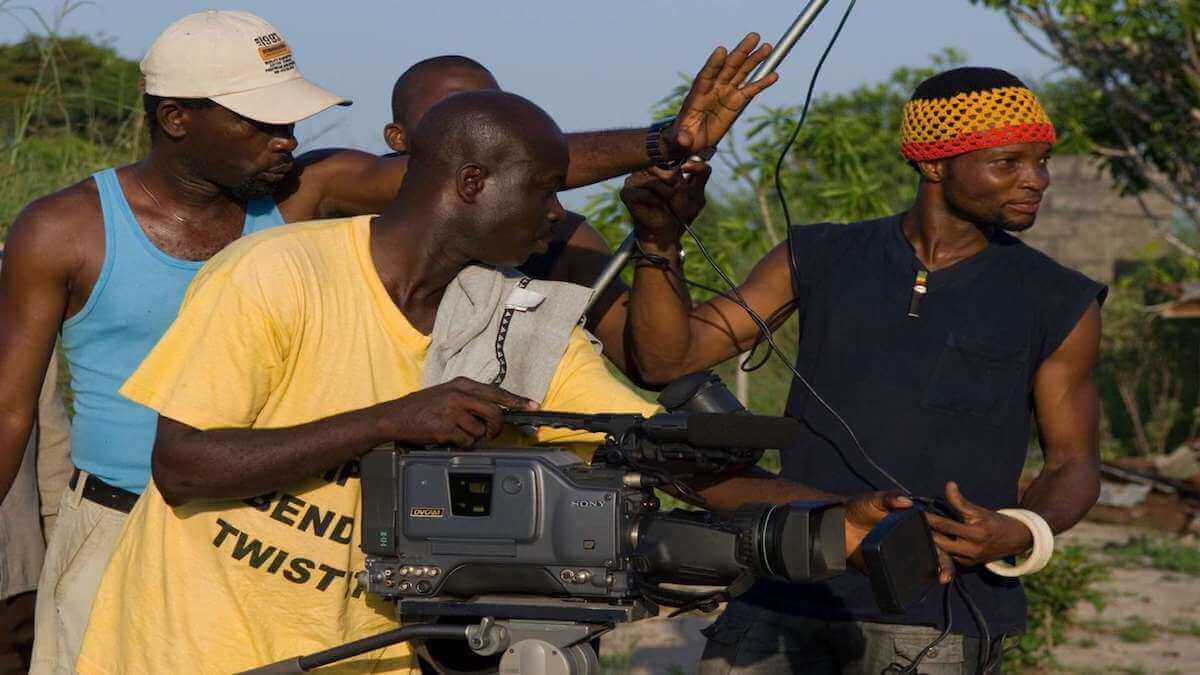
There is a widespread assumption in Nigeria's creator economy that filming in public spaces is automatically legal. Streets, markets, bus stops, and restaurants have quietly become open-air studios for content creators chasing authentic reactions, real personalities, and the kind of unscripted energy that algorithms reward.
Millions of views have been built on this formula. The assumption fuelling it, that a public setting means anything goes, is only partially true.
There is no express provision in Nigerian law that prohibits filming in public. But that is only half the conversation. Section 37 of the Constitution guarantees the privacy of Nigerian citizens, and while it predates social media by decades, legal interpretation is increasingly being stretched to account for digital realities.
The bigger legal question is not whether filming in public is illegal, it often is not. The question is what happens after the camera stops rolling.
Filming and publishing are not the same act. A video sitting on a personal device is a very different thing from a video uploaded to a platform where it attracts two million views, drives advertising revenue, and turns an unsuspecting market trader into a meme.
The moment content moves from recording to publication, especially monetised publication, different legal considerations begin to apply. The issue often begins when content is posted, monetised, or used in a way that affects a person’s dignity, privacy, or reputation.
When the Person Who Didn't Consent Becomes the Story
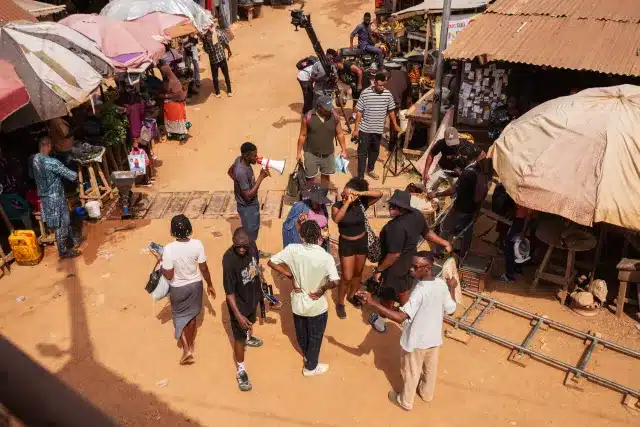
Prank videos are where this tension becomes most visible. A creator with a camera sets up a scenario in a busy public space, pulls in a stranger, and films their reaction. The stranger never signed anything. They were never told they would appear in content that could be seen across Nigeria and beyond.
In many cases, they find out the way one man recently did, when friends started asking him when he had become an actor, only for him to discover he had appeared in a commercially released film, captured at a location where a notice had been posted but never personally brought to his attention. The matter ended in mediation, not every case will.
Digital rights experts are clear about what the law expects in such situations. If someone in a public space tells a creator they do not want to be recorded, filming is expected to stop. If they have already been captured, creators are advised to blur their face or any identifying details before publishing.
The act of remaining in a public space is not the same as consenting to appear in someone’s content. Prank content, in particular, is often viewed as problematic, not because filming occurred, but because the individuals involved did not give permission to be included in the final video.
Can creators actually be sued? Yes. Potential claims may include privacy violation, defamation, reputational harm, and breach of data protection laws. Whether such claims succeed depends on context: whether the person is identifiable, whether consent was obtained, whether the content is commercial in nature, and whether publication caused measurable harm.
Two videos that appear almost identical can produce very different legal outcomes depending on how the subject is portrayed and what the content ultimately communicates.
A Law That Is Still Catching Up With the Camera in Everyone's Hand
Social Insight
Navigate the Rhythms of African Communities
Bold Conversations. Real Impact. True Narratives.
The most honest thing that can be said about Nigeria's current legal framework for public filming is that it was not built for this moment. The Constitution offers privacy protections. Data protection law provides additional safeguards around personal information.
The Nigerian Data Protection Commission has begun warning creators against filming unsuspecting individuals for entertainment or monetisation purposes. But there is no dedicated legal framework for viral videos, creator-led media, or social platform content. Courts are left to apply laws that were written before smartphones existed to situations lawmakers never anticipated.
That gap is not just a legal problem, it is an awareness problem. It raises a question that cuts deeper than legal technicalities: how many people actually know when their rights are being infringed? Most individuals who appear in someone else’s content without consent are unaware they may have legal recourse.
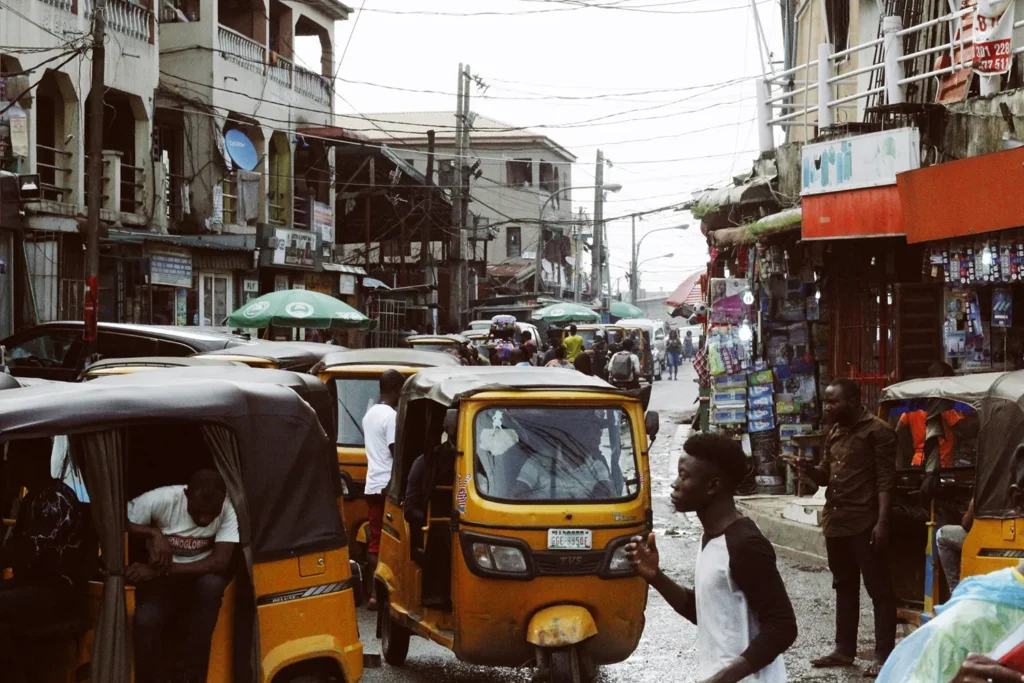
At the same time, many creators filming in public spaces do not clearly understand where their rights end and someone else’s begin. Nigeria’s creator economy is expanding rapidly, millions of creators, billions of views, and a monetisation ecosystem built on content featuring real people in real spaces.
The law is catching up slowly. The cameras are moving much faster and somewhere between those two speeds, ordinary Nigerians are appearing in content they never agreed to, finding out from friends, and only then starting to ask whether anyone should have asked them first.