Lagos Real Estate Is Broken, And We Need to Talk About It.
Lagos has a 3.4 million unit housing deficit. Rents climbing, and mortgages out of reach. TMO breaks down the land, supply, and affordability crises, so why is the industry still silent?
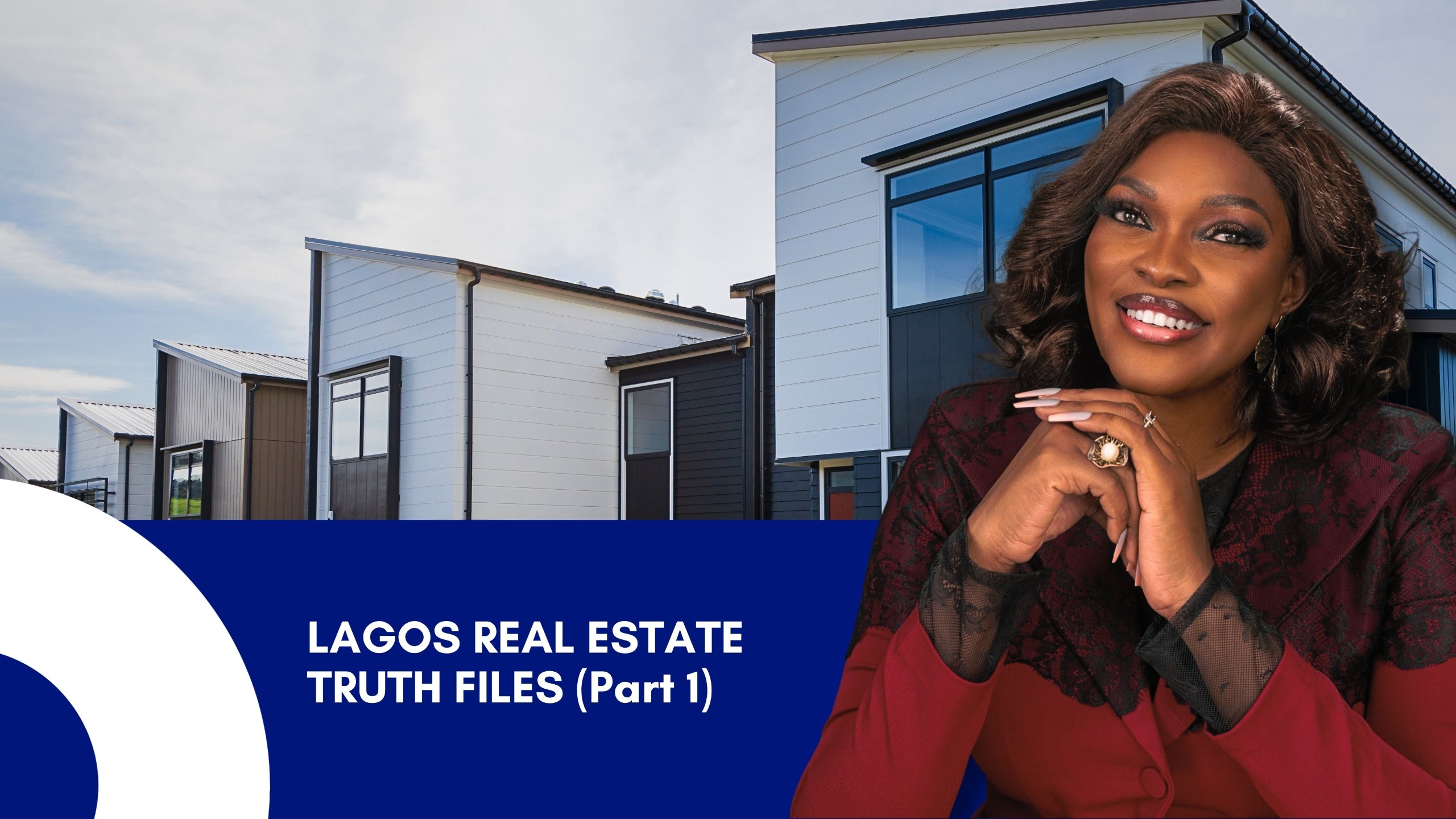
The Crisis Hiding In Plain Sight: What Is Really Wrong With Real Estate In Lagos
There is a rule I live by in business: you cannot solve a problem you refuse to name.
In real estate, Lagos has spent decades celebrating its booms: the high-rise towers, the gated estates, the billion-naira transactions, while quietly ignoring the structural fractures beneath the surface.
The skyline gets shinier, the Instagram listings get more impressive, and yet, millions of Lagosians cannot afford where they live, do not own what they occupy, and are one bad landlord away from homelessness.
I have spent years working in this market as a developer, an investor, and an educator. I have seen firsthand what the glossy brochures do not show. And I believe it is time for those of us in the industry to speak plainly about what is actually broken, because the data is no longer ambiguous.
The Scale of the Problem
Let us start with the numbers, because they are staggering.
According to the State of Lagos Housing Market Report, Volume 3, produced by the Roland Igbinoba Real Foundation for Housing and Urban Development, the city's housing deficit has grown by 15% since 2016, reaching 3.4 million units as of 2025. Read that again. Not 3.4 million people without a home. 3.4 million units short of what this city needs to house its people with dignity.
Of that deficit, over 618,000 homes currently in use are classified as inadequate; structurally unsafe, severely overcrowded, or lacking clean water, sanitation, and electricity. These are not empty statistics. These are families.
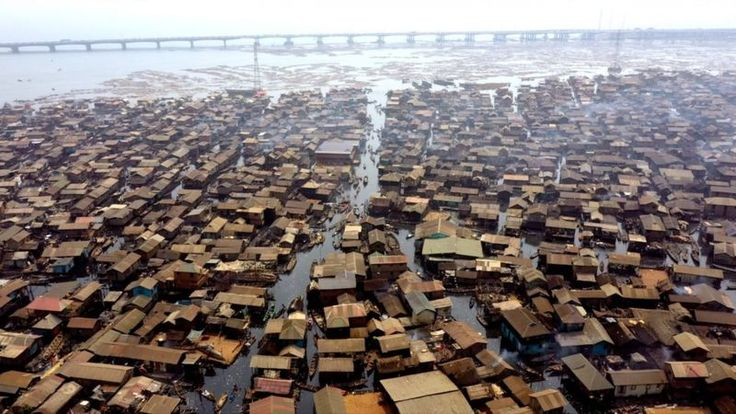
And the city is not slowing down. Lagos currently houses an estimated 16.5 million people, with projections suggesting that figure could reach 24.4 million by 2035. We are building for yesterday while tomorrow is already arriving.
The Problems We Must Name
After years in this industry and months of deliberate research, I have identified the core challenges that are holding Lagos real estate back. They fall into three interconnected categories.
1. The Land Problem
Land is the foundation of everything in real estate. It is also, in Lagos, one of the most dangerous places to put your money if you do not know what you are doing.
Title fraud and documentation chaos remain the single most feared risk for buyers and developers alike. Omonile disputes, multiple sales of the same parcel, fake documents, defective Certificates of Occupancy, and unclear ownership histories are not rare exceptions; they are a regular feature of the market.
Social media is littered with stories of buyers who discovered title defects years after purchase, sometimes after building. Entire investments wiped out. Families displaced. No accountability.
Compounding this is the sheer cost of acquiring titled land in accessible locations. Land prices in Lagos have outpaced income growth dramatically, pushing developers either into high-cost prime areas where only luxury projects pencil out, or into peripheral locations where infrastructure is so poor that buyers cannot justify the commute.
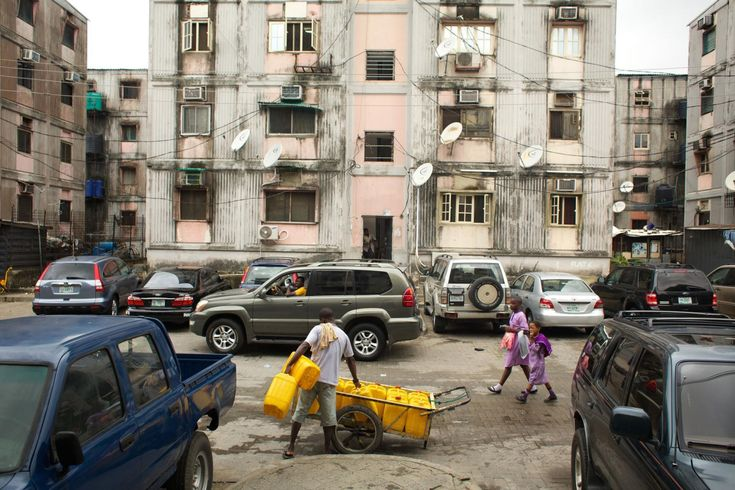
Then there is the threat of government acquisition and demolition, canal setbacks, coastal regulations, urban renewal projects, which hangs over many properties like a quiet sword. The fear of building on government-acquired land without knowing it keeps informed buyers cautious and leaves uninformed buyers vulnerable.
Social Insight
Navigate the Rhythms of African Communities
Bold Conversations. Real Impact. True Narratives.
And even when buyers do everything right, the system itself adds friction. Governor's Consent delays, Certificate of Occupancy processing bottlenecks, and bureaucratic registration queues routinely stretch simple transactions across months or years, adding cost and discouraging investment at scale.
2. The Housing Supply Problem
The developer side of this equation is equally broken — and it directly explains why the gap keeps widening.
Between 2023 and 2024 alone, the cost of key building materials more than doubled. Cement rose from ₤4,000 to ₤8,800 per bag. Iron rods went from ₤800,000 to over ₤1.6 million per ton.
Blocks doubled in price per unit. For developers trying to deliver affordable housing, these numbers are catastrophic. A project that was financially viable in 2022 may now be loss-making before the roof goes on.
Yet while the luxury segment has continued to attract investor attention, with Ikoyi, Banana Island, Victoria Island, and Eko Atlantic seeing annual price appreciation rates of 20 to 60% in 2024, the low and middle-income segment, where the vast majority of demand sits, remains chronically underserved.
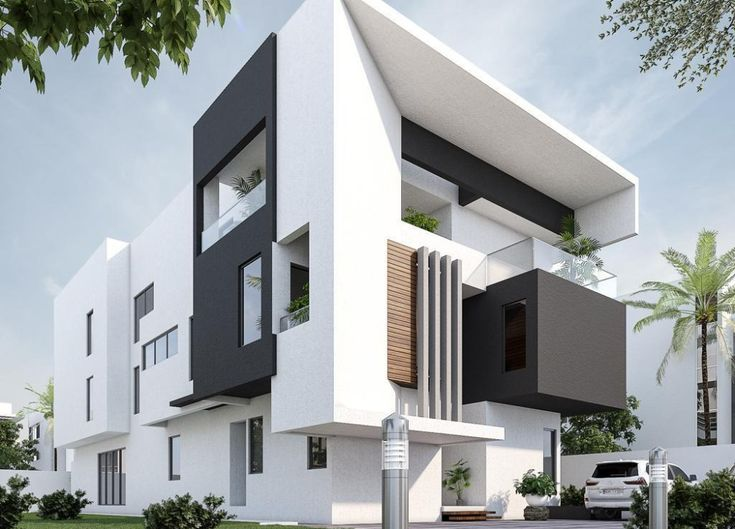

The result is a market in profound imbalance. Developers follow the margins to luxury, the mass market goes unhoused, and the deficit compounds year after year.
Infrastructure deficiency deepens this crisis further. In Lagos, developers frequently absorb the cost of building their own roads, drainage, water supply, and power backup just to make projects viable.
These infrastructure costs get priced into the units, and then people wonder why affordable housing is not being built.
Add to that the consistent failure of urban planning enforcement: illegal developments blocking drainage canals, inconsistent zoning compliance, unchecked densification in flood-prone areas.
These are not just planning failures. They are economic ones. They increase demolition risk, reduce property values in surrounding areas, and erode buyer confidence across entire corridors.
3. The Affordability Crisis
This is the sharpest pain point for ordinary Lagosians, and it is getting worse.
Rents have risen so dramatically relative to incomes that a generation of working professionals in this city effectively cannot build equity. They earn, pay rent, and have nothing left to save toward ownership. They move further from work, pay more in transport, and this treadmill never stops.
More than 70% of Lagos residents are still renters, trapped not by choice but by a system that has never been designed to let them out.
And within that rental market, the tradition of demanding one or two years of rent upfront, a relic of a trust-deficit economy, continues to place crushing financial burdens on young professionals and low-income households who are already stretched.
The mortgage market offers little relief. Despite the existence of institutions like the Federal Mortgage Bank of Nigeria, the NMRC, and more recently the MREIF, Nigeria's mortgage volume remains critically low relative to demand, constrained by high interest rates, inadequate income documentation, land title inefficiencies, and macroeconomic instability.
Social Insight
Navigate the Rhythms of African Communities
Bold Conversations. Real Impact. True Narratives.
Mortgage rates have been hovering between 25 and 30%, meaning the vast majority of property transactions in Nigeria remain entirely cash-based.
Mortgage penetration in Nigeria sits at just 5%, a fraction of what it needs to be for a country of this size and ambition. In South Africa, it is over 30%. In the UK, over 65%.
The gap is not just a financial statistic. It is a measure of how many people have been locked out of the single most powerful wealth-building tool available to the middle class.
What the Solutions Might Look Like
I will not pretend the answers are simple. They are not. But I believe they begin with clarity, and with the courage of industry stakeholders to stop pretending the system is working.
A few directions I believe deserve serious attention:
Land title reform at scale. A credible, accessible, and fast-tracked title verification and registration system, with real accountability for fraud, would unlock enormous latent confidence in the market. The technology exists, but the political will is the variable.
Incentivised affordable housing delivery. Developers respond to incentives. If government creates genuine fiscal and regulatory advantages for affordable housing projects, reduced land acquisition costs, tax relief, fast-tracked approvals, supply will follow.
The luxury-only development pipeline is a symptom of misaligned incentives, not developer greed.
Mortgage market reform. The MREIF initiative, offering Nigerians access to long-term mortgage facilities at 9.75% over 20-year tenures, is a meaningful step.
But it requires execution at scale, not just headline announcements. The gap between policy and delivery in Nigerian housing finance has historically been enormous.
Infrastructure investment in growth corridors. Areas like Ibeju-Lekki and Badagry represent real expansion potential, but only if public infrastructure investment precedes or accompanies private development, not follows it a decade later.
Transparency across the transaction chain. From agent to developer to lawyer to government official, trust is the commodity most lacking in this market.
Professionalisation, regulation, and accountability frameworks for real estate practitioners are not bureaucratic luxuries. They are prerequisites for a healthy market.

Now, I Want To Hear From You
I share this not to criticise Lagos or Nigeria. I share it because I love this market, I am deeply invested in its potential, and I believe we are at a critical inflection point.
Nigeria's real estate sector is projected to grow to an estimated $2.61 trillion by 2025, with residential real estate holding the largest share — driven by a young, urban, ambitious population. The opportunity is real. But opportunity without structural reform will only widen the gap between those who benefit and those who are left behind.
Social Insight
Navigate the Rhythms of African Communities
Bold Conversations. Real Impact. True Narratives.
So I want to hear from you.
Does this reflect the reality you have experienced in the Lagos market; as a buyer, a renter, a developer, an investor, or a professional?
What do you think the real estate industry most urgently needs right now: policy reform, technology, investor behaviour change, professional standards, or something else entirely?
Drop your perspective in the comments. I am building a body of thinking around this, and I believe the most important ideas in this conversation are sitting inside the people already living and working in this market every day.
The more clearly we name the problem together, the closer we are to solving it.
This article was written by Tope Mark-Odigie (TMO), real estate entrepreneur, financial literacy advocate, and founder of REB360, a property investment platform operating across Nigeria, Dubai, the UK, and the US. It is part of the Lagos Real Estate Truth Files, an ongoing series examining the structural challenges and emerging opportunities shaping Nigeria's property market.
TMO also hosts The Game of Money, a conference and community series focused on financial empowerment for Africans at home and in the diaspora.
Follow for more on wealth, real estate, and building legacies that last.