Can You Be Honest on Someone Else’s Bill? Food Influencing and the Cost of Truth
Nigeria's food influencer space is booming, but when restaurants foot the bill, can creators really tell the truth?
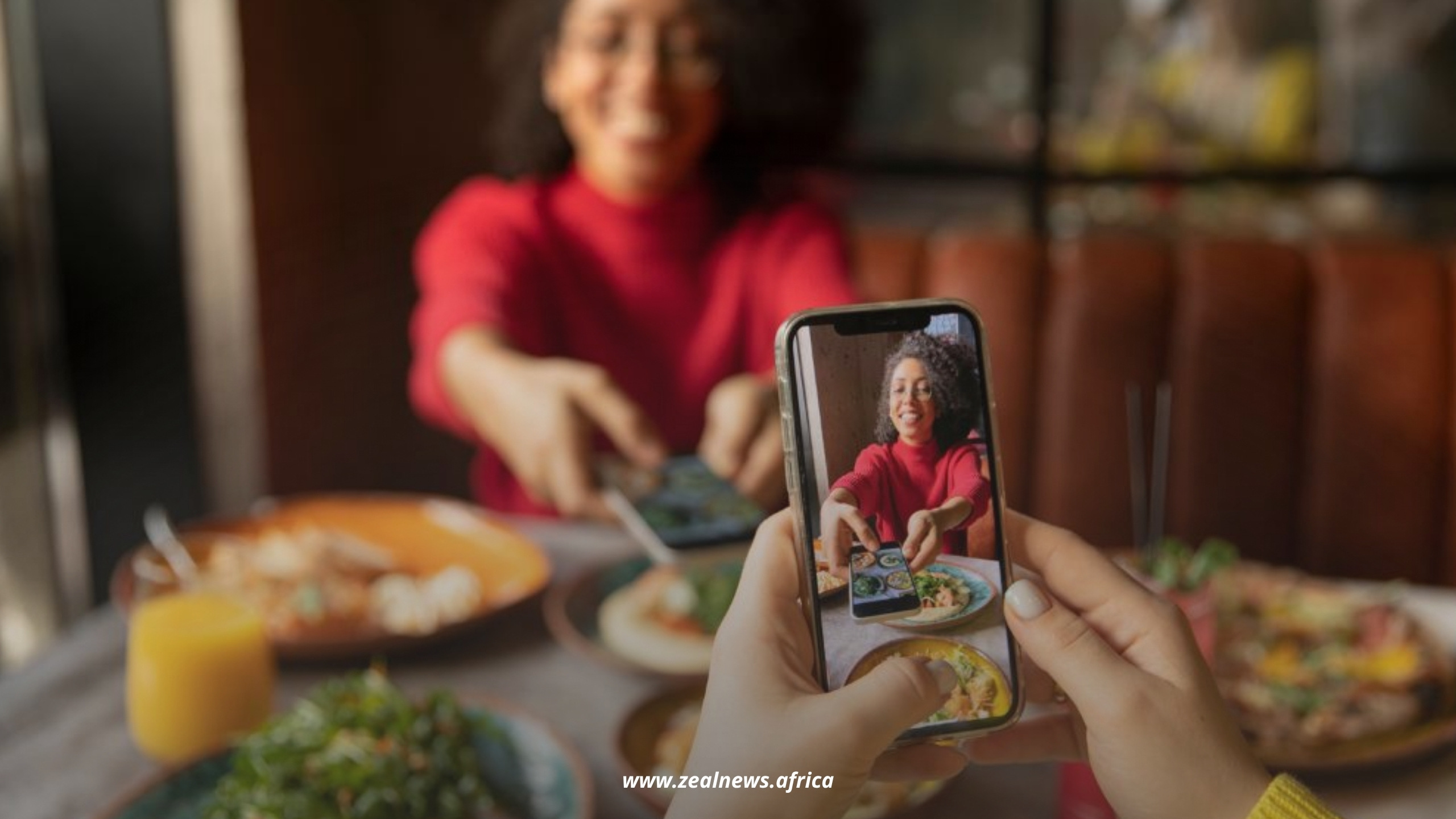
If you have a picky palate, you probably eat the same three things every time you go out. But on the rare occasion you decide to try somewhere new, you are not going in blind — you are going in with a food influencer's word as your guide. The question is, how much is that word actually worth?
Nigeria's food influencer space has exploded over the last few years. Creators with thousands, sometimes millions, of followers are shaping where people eat, what they order and how much they spend.
A single video of someone biting into a perfectly sauced suya or a towering burger can send a restaurant from empty to fully booked overnight. That kind of power is real. So is the question of whether it is being used honestly.
The Free Meal Problem
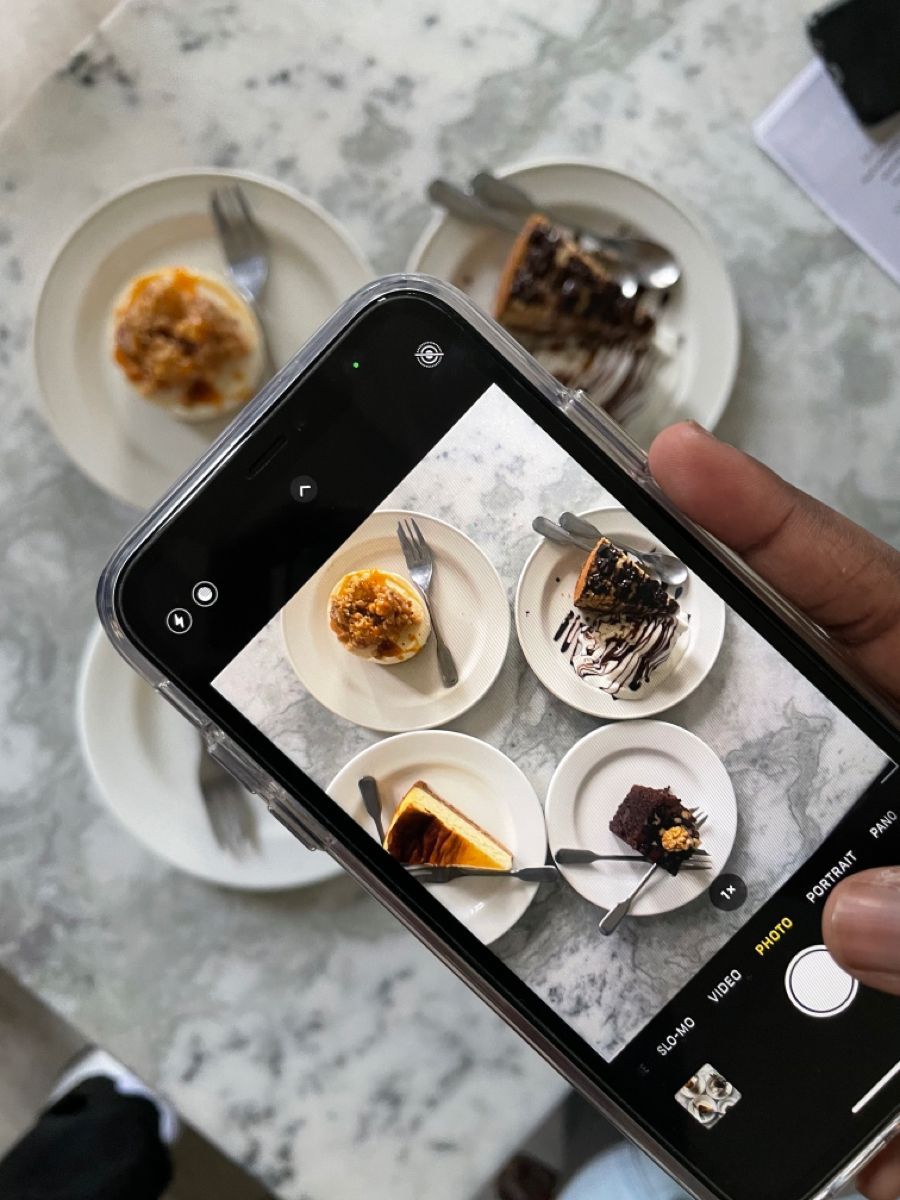
A significant portion of what you see on your timeline under the banner of "food reviews" is not so natural. Restaurants invite influencers for hosted experiences like free meals, curated menus, sometimes even payment, in exchange for content.
The influencer eats well, shoots a reel and posts it. The restaurant gets visibility. Everyone wins, except you.
Because what you watched was not a review. It was an ad with good lighting and a personality you trust.
The problem is not that creators are evil or that restaurants are running a scam. The problem is structural.
When someone eats on your bill, the entire dynamic of honesty shifts.
Even if the food was genuinely good, the creator is not going to tell you that the service was slow, that the portion sizes shrank since they visited or that the aesthetic you see required very specific camera angles.
There is too much on the line socially and professionally to say any of that.
Nobody Is Disclosing Anything
Unlike countries like the UK or the US where advertising standards require influencers to label paid partnerships, with actual consequences for failing to do so, Nigeria has no enforced equivalent.
There is no regulation compelling a food creator to disclose that their dinner was complimentary. Some do it voluntarily. Most do not.
And even when they do, it tends to be a small "gifted" tag buried in a caption that you might not read.
Disclosure is the difference between a recommendation and an advertisement. When that line disappears, your ability to make an informed decision disappears with it.
You are watching a commercial and being asked to receive it as a friend's honest opinion.
How to Actually Navigate Influencer Food Reviews
This is not a call to stop watching food content but there are smarter ways to consume it.
Check for disclosure. If a creator visited a restaurant and there is no mention of whether the meal was gifted or paid, treat the review with distance. Honest creators say so upfront.
Look for patterns. A creator who posts exclusively positive reviews are just promoters.
Find creators who have, at some point, said a place was not worth it. That track record makes their positive reviews mean something.

Go to the comments. Real diners who paid out of pocket often share their unfiltered experiences there, and they have no PR relationship to protect.
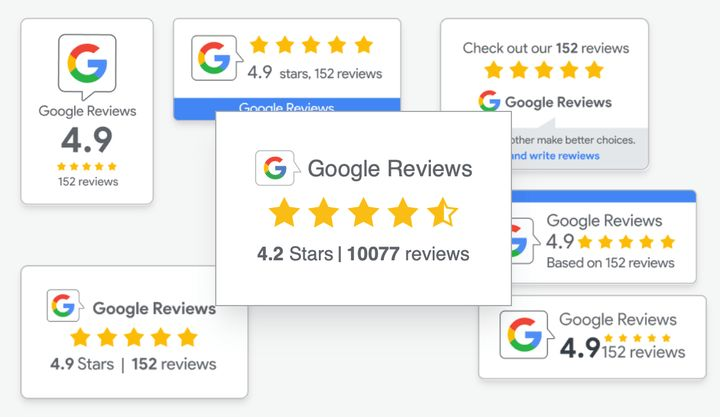
Cross-check with Google reviews. A restaurant can look incredible on Instagram and have a 3.1 on Google Maps. That gap is the information you need before making a booking.
Finally, manage expectations. Even an honest review reflects one person's experience on one day. Food is variable, chefs change. Use it as a starting point, not a guarantee.
The Real Cost
The Nigerian food influencer space is not broken beyond repair, but it is running on trust it has not fully earned.
The creators who are genuinely honest, who disclose, who criticise, who tell you when something is not worth your money, are doing something quietly radical in a space engineered to only say yes.
Find those ones. Follow them and the next time a reel makes you want to spend N15,000 on a new spot, ask yourself one question: did they pay for that meal themselves?