Can ‘Animal Farm’ Still Offend Power? What the New Film Must Get Right
A new Animal Farm film is hitting cinemas, but early signs suggest a softer, safer version of Orwell’s brutal warning about power. From the 1954 adaptation to Andy Serkis’s take, what must this film get right and what happens if it doesn’t?
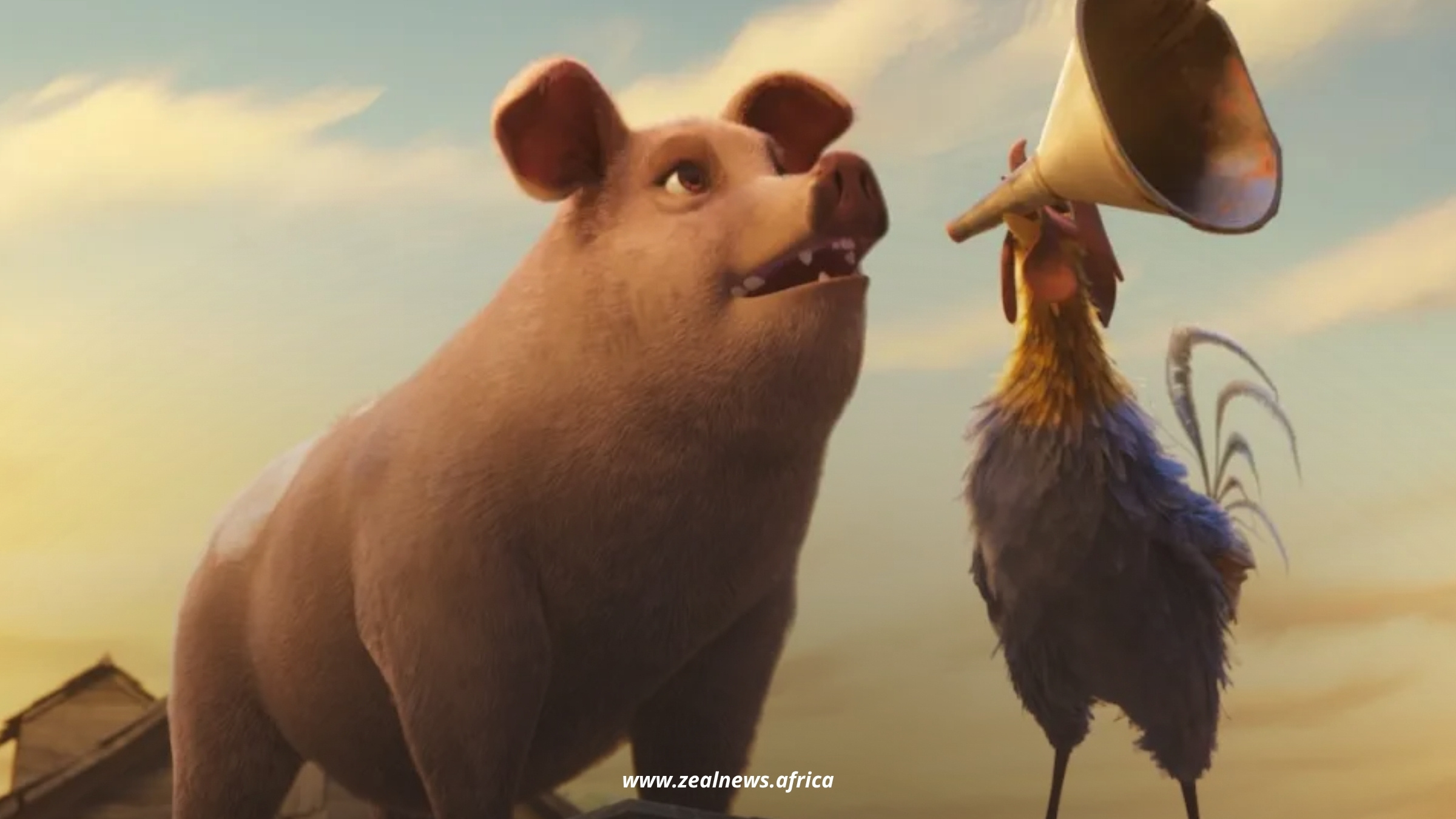
George Orwell wrote Animal Farm in 1943 and couldn't find a publisher for two years. They were afraid. Not because of the prose rather, because of what it meant.
A story about farm animals overthrowing their human master, only to be ruled by pigs who became the same as the humans they replaced.
In 1945, with Stalin still an Allied war hero, nobody wanted to print that.
The fact that it eventually got published, became a school syllabus staple across the world and is now being turned into an animated film by Andy Serkis, with Seth Rogen voicing Napoleon, should tell you something about how comfortable power has gotten with being criticised.
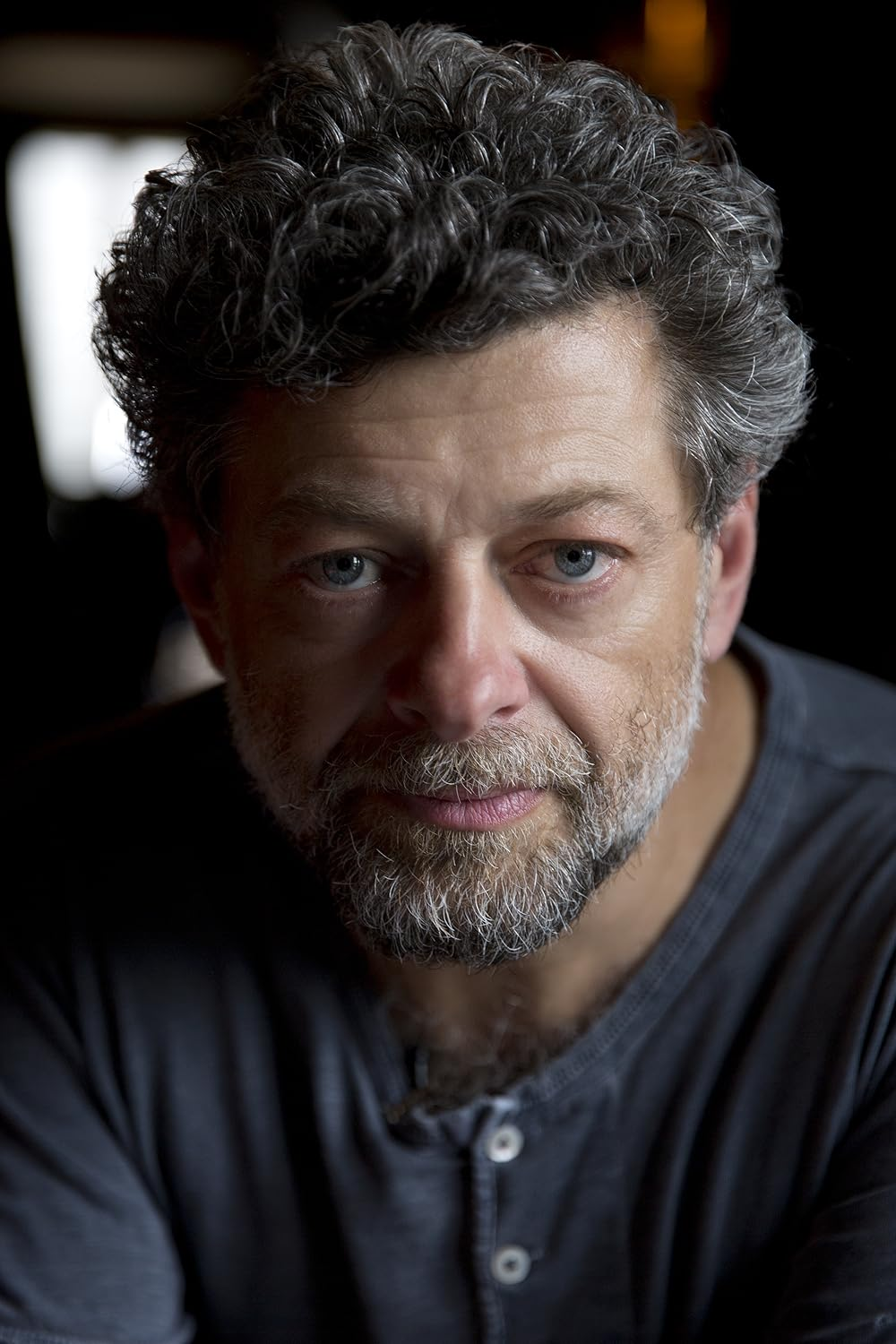
The question isn't whether Animal Farm is still relevant. It obviously is. The question is whether this new film has the nerve to say so.
What the Book Actually Is
If you read Animal Farm in school and thought it was just a story about communism going wrong, you only got half of it.
Yes, Orwell was writing about the Soviet Union. Old Major is Marx, Napoleon is Stalin, Snowball is Trotsky, and Squealer is every state media apparatus that has ever existed.
However, the deeper argument is older and colder than any single political system. Orwell was saying that power corrupts. Not sometimes. Not in the wrong hands. Always.
Every revolution contains the seed of its own betrayal, because the people who lead revolutions are still people, or in this case, pigs.
What makes the book devastating is the details. The slow rewriting of the Seven Commandments until they say the opposite of what they originally said.
Boxer, the loyal, hardworking horse, being sold to the knacker's yard the moment he is no longer useful, while Squealer tells everyone he died peacefully in hospital.
The other animals know something is wrong but are unable to articulate it because they can barely remember what things were like before.
That creeping, exhausting normalisation of injustice is the real subject of the book, and it is not a historical subject. It is a current events subject.
What the 1954 Film Got Right (and What It Didn't)
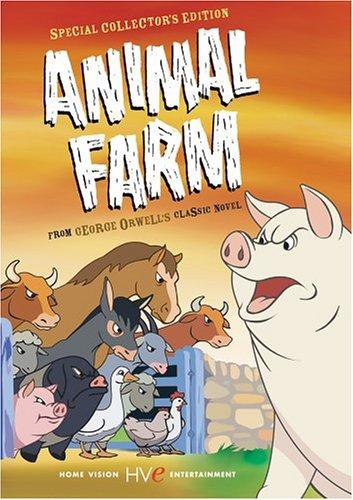
The Halas and Batchelor adaptation from 1954 is the one worth watching if you haven't. It was the first British animated feature film ever made, and for a cartoon produced in the early fifties, it is genuinely grim.
The animation is stark, the tone is cold and it does not treat the audience like children who need to be protected from the material.
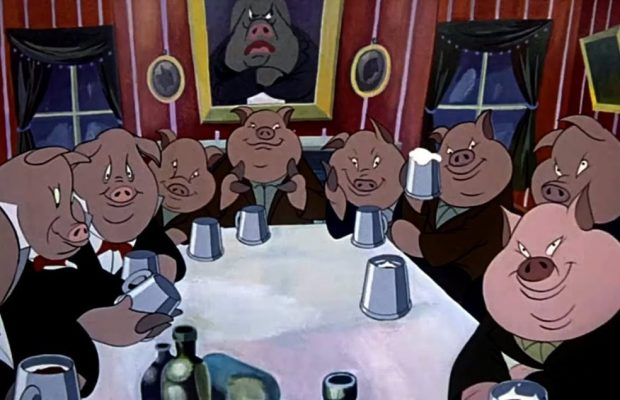
Boxer's fate is handled with real weight and the corruption of the pigs is shown without irony or comic relief softening the blow.
Where it stumbles is the ending. In Orwell's book, the final scene is the animals looking through the farmhouse window at the pigs and the humans drinking together and being unable to tell which is which.
There is no resolution. That is the ending.

The 1954 film, however, changed it. The animals rebel again and overthrow Napoleon.
It sounds like a small adjustment, but it is not. It completely inverts the meaning.
The book's entire point is that the cycle does not stop. Giving the animals a victory is a lie Orwell specifically chose not to tell.
What the New Film Is Working With
Andy Serkis's version, arriving in cinemas, May 1, 2026, has already screened at Annecy and London film festivals, and the reviews have been unkind.
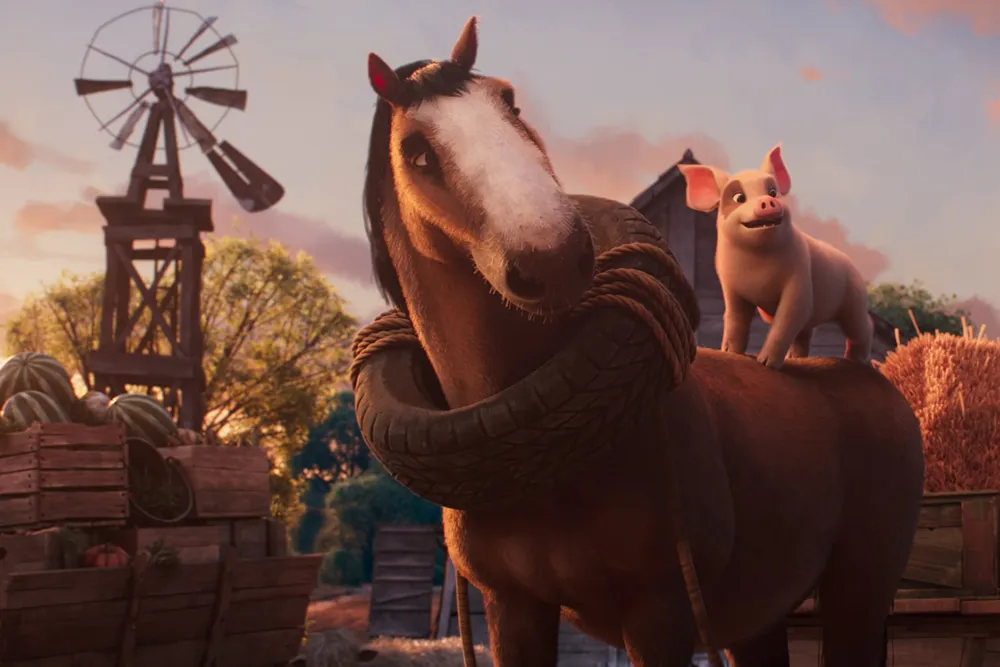
The criticisms follow a familiar pattern: fart jokes, a new piglet protagonist named Lucky who functions as an audience surrogate, celebrity voices doing celebrity voice work, and, again, a hopeful ending.
The film apparently updates the allegory from Stalinism to something more contemporary which is not a bad instinct.
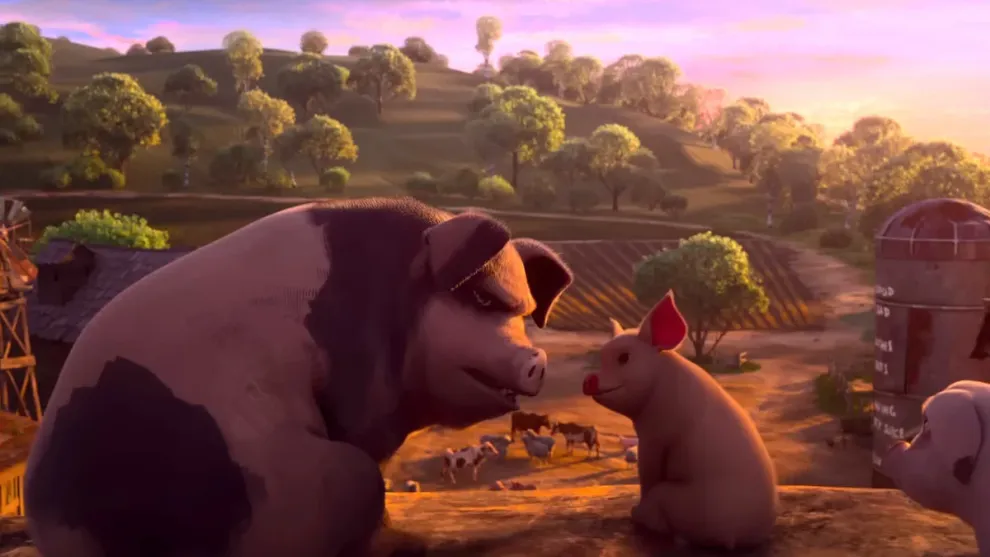
Orwell intended the allegory to travel. The problem is that updating the targets while softening the conclusion defeats the purpose entirely.
What It Must Not Water Down
Boxer has to break your heart. In the specific way Orwell intended — a good, honest creature destroyed by a system that used his loyalty against him, while everyone around him was gaslit into believing it didn't happen.
If the film pulls that punch, it has failed at the most important scene in the book.
Squealer has to be believable. The scariest thing about propaganda is not that it is obviously false. It is that it almost makes sense.
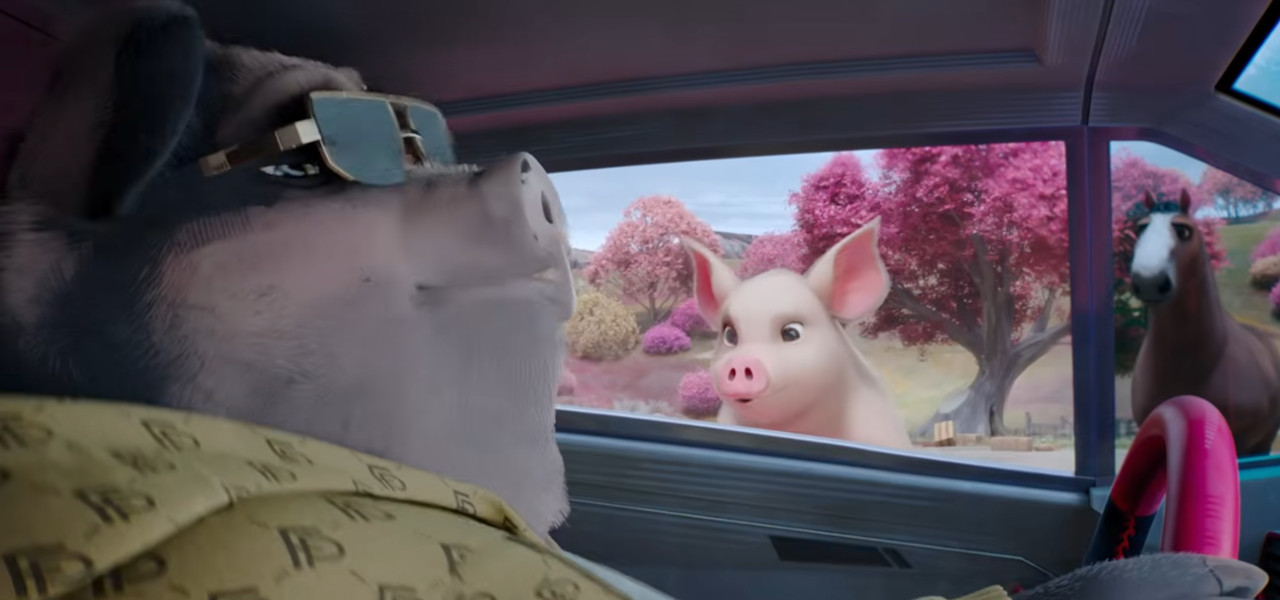
Squealer's speeches work because the animals are tired and confused and want to believe him. If the film plays Squealer as a cartoonish liar, it misses the point. He has to be the kind of voice you have heard before.
And the ending cannot be hopeful. This is non-negotiable. The moment the animals win, the story becomes a different story — one Orwell did not write and would not have written.
The whole architecture of Animal Farm points toward that final image of pigs and humans at the same table, faces blurring into each other. Take that away and you have a movie about a farm. Orwell wrote a mirror.
The book survived being banned, being taught badly and being reduced to a phrase — "all animals are equal, but some animals are more equal than others" — that people quote without really sitting with what it means.
It can survive this adaptation too. But it would be a shame if a story about the falsification of history became, itself, a falsification of the story.