Not Everything Is Colonialism: The Conditioning We Continue Ourselves
Colonialism left structural damage, but many of the everyday rules we still enforce today are self-sustained. This explores how Africans continue to reproduce inherited hierarchies in beauty, language, and culture.
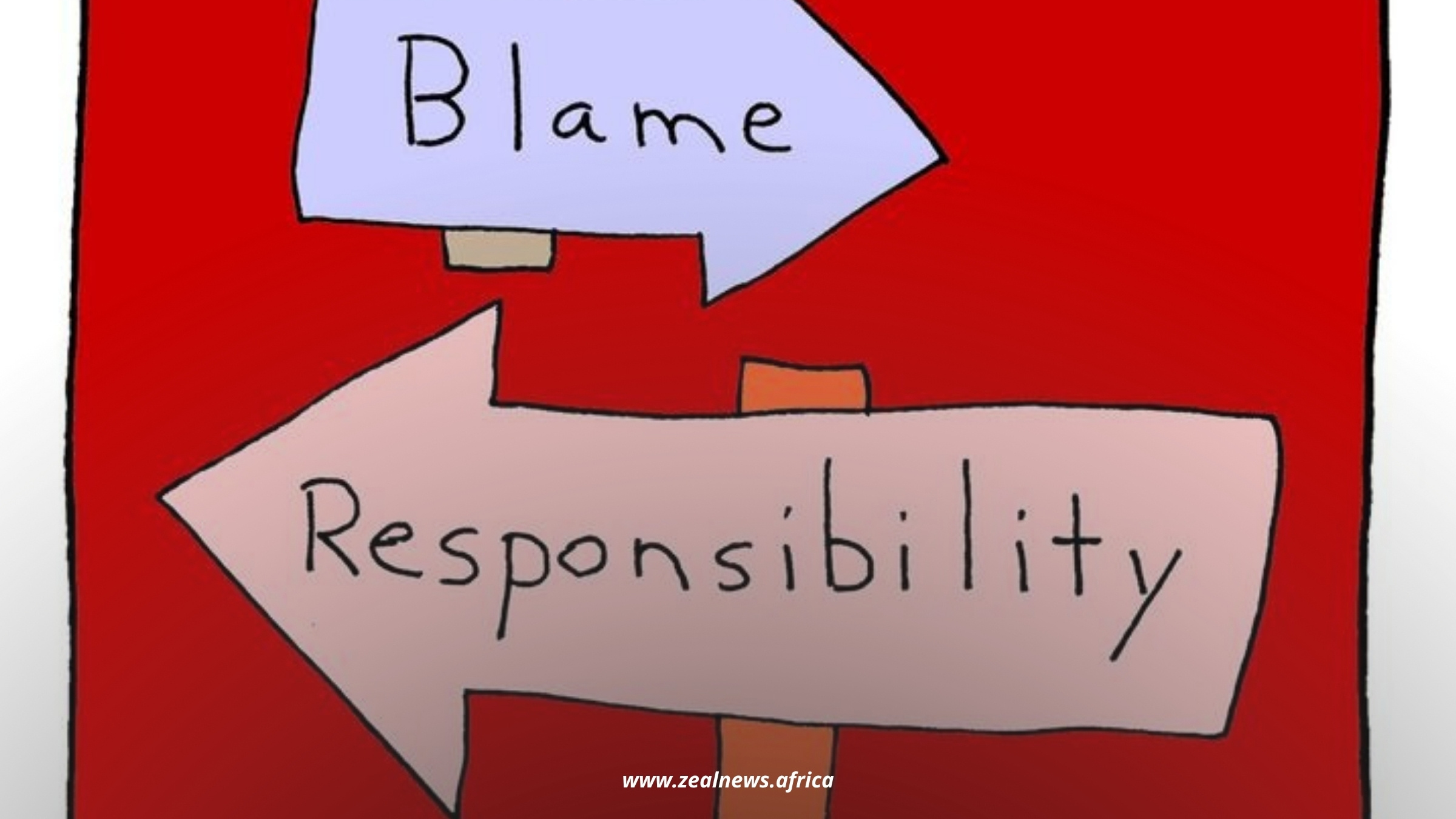
At some point, we have to stop blaming colonialism for things we are actively choosing to do to ourselves. This is not because colonialism was not real — it was, and its structural damage is still very much present.
However, we have been using it as a blanket explanation for every way we diminish ourselves and each other has become its own kind of avoidance — a very convenient one.
We Picked Up the Whip
The British left Nigeria in 1960. That was over sixty years ago. And yet, a woman can walk into a Lagos office with her full Afro, her outfit pressed, her competence intact and still be quietly pulled aside and told she looks "unprofessional."
Now, not by a coloniser but by another Nigerian. And even sometimes by a Nigerian woman.
This is not colonialism. This is us.
The idea that natural African hair is inherently untidy or inappropriate for formal settings did not fall from the sky.
It was planted, yes. But we are the ones watering it daily. We are the ones writing the dress codes, sitting on the hiring panels, raising children with the same anxieties we were raised with.
The conditioning is so deep that many of us do not even register it as conditioning. It just feels like common sense.
"You want to be taken seriously, don't you?" As if seriousness lives in a bone-straight wig or a low cut. As if the texture of your hair has anything to do with the quality of your thinking.
The Traditional Clothes Conversation
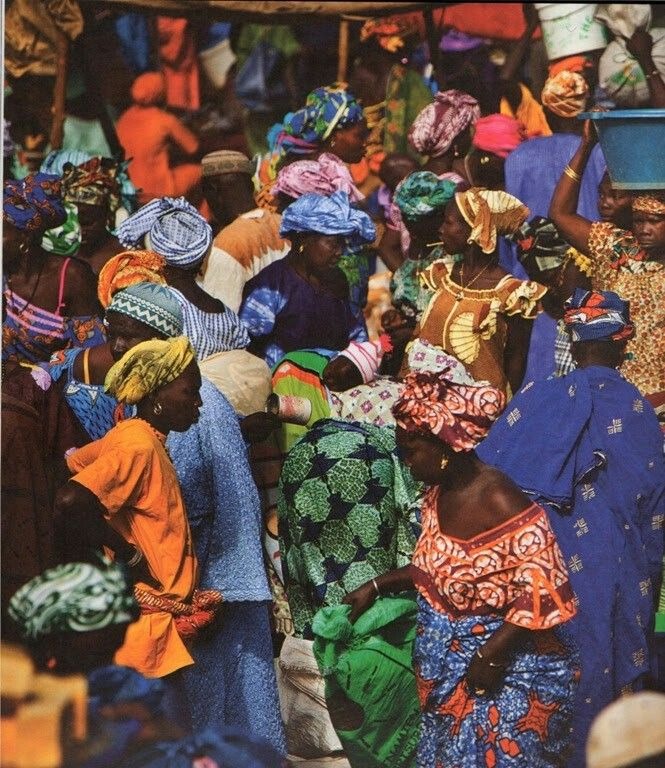
Our traditional fabrics like Aso-oke, adire, ankara carry history, identity, ceremony, yet, they have been largely pushed into the category of "occasion wear."
You wear them to owambes. You wear them to Christmas. You do not wear them to work on a Tuesday, because work on a Tuesday belongs to blazers and trousers and anything that does not could be tagged "too local."
Too local. Said about things that are from here. Said about things that are ours.
Nobody is forcing this. There is no British official standing at the entrance of offices demanding Oxford shirts. The enforcement is internal now.
We have absorbed the hierarchy — Western is formal, African is festive — and we reproduce it without being asked.
Social Insight
Navigate the Rhythms of African Communities
Bold Conversations. Real Impact. True Narratives.
The fact that wearing traditional clothes to work still reads as a statement, still feels like a deliberate act of cultural assertion rather than a neutral choice, says everything.
The default is still Western. Everything else is extra.
It Is, However, Not So Simple
Most of us know. We are not operating in ignorance. We have seen the discourse, read the think-pieces, some of us are even writing the articles and we still want the things.
We still want the sleek wig for the interview because we know how we feel in it. We feel polished, credible in a way that, fairly or not, the world responds to.
We still want to look corporate and prim because that definition got there first and it got deep. The conditioning did not just tell us what was acceptable. It told us what was desirable, and desire is much harder to unlearn than a rule.

Now, to break from these shackles, we need to understand that there is a difference between making a pragmatic choice and mistaking that choice for a natural one.
A difference between saying "I am wearing this because the world rewards it and I need those rewards right now" and saying "this is just what looks good."
One is self-awareness. The other is how the cycle continues. The goal is not purity — nobody is asking anyone to throw out their wigs or show up to a board meeting in full traditional regalia as a protest.
The ask is just to know the difference between what you want and what you were taught to want, and to stop enforcing the latter on people who made a different choice.
What We Tell Our Children
The transmission of this conditioning happens in a hundred small moments.
It happens when a mother relaxes her daughter's hair at eight years old because "it's easier to manage." Or when aunties at family gatherings praise the child who speaks English without an accent more than the one who is fluent in Yoruba or Igbo or Hausa.
It shows up when a father discourages his son from traditional music because "that's not a real career."
Nobody is being malicious and that is the bitter truth. The conditioning is being passed down with love, with the genuine belief that this is preparation for the real world.
And maybe it is — because the Nigerian corporate world still operates on these terms. But who built those terms? And who keeps rebuilding them every day?
Blaming Colonialism Has a Deadline
When a Nigerian company's HR policy implicitly penalises natural hair, colonialism did not write that policy.
Social Insight
Navigate the Rhythms of African Communities
Bold Conversations. Real Impact. True Narratives.
When Nigerian gatekeepers decide who looks "professional enough" to represent a brand, colonialism is not in that meeting room.
When we raise children to be ashamed of their mother tongues, colonialism is not at that dinner table. We are.
Until we are honest about that, we will keep waiting for an apology from someone who already left, while quietly continuing the work they started.