Nigeria Summons South African Envoy, but the Bigger Problem Remains Unresolved
Nigeria has summoned South Africa’s acting High Commissioner to a meeting in Abuja over reported attacks on Nigerians and their businesses. This move highlights renewed diplomatic concern and a recurring pattern in relations between the two nations.
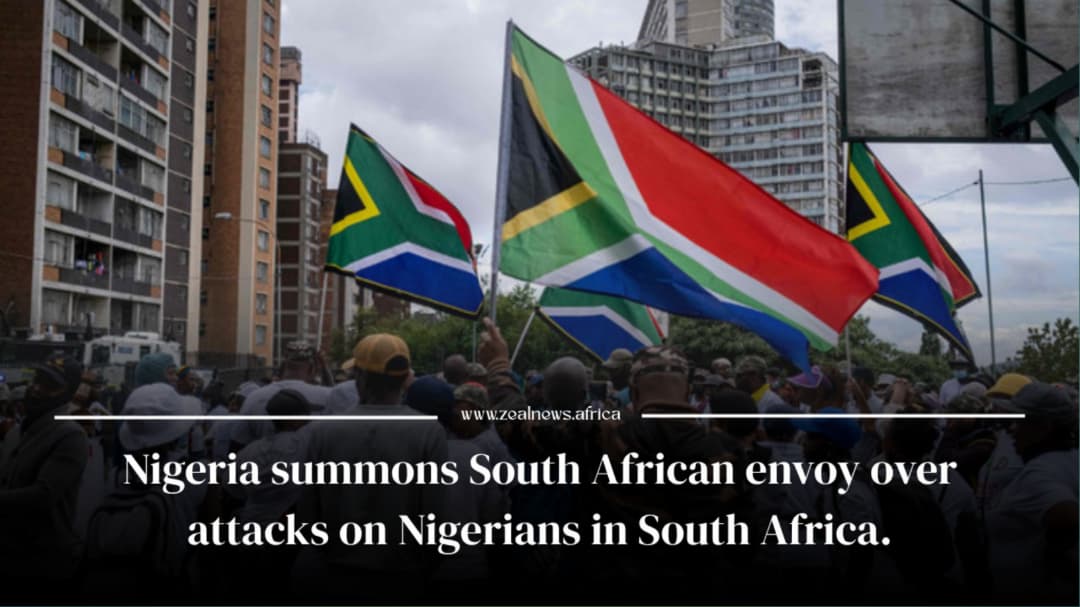
Nigeria has summoned the Acting High Commissioner of South Africa, Bobby Moroe, following renewed reports of attacks on Nigerians and Nigerian-owned businesses in South Africa.
According to the Ministry of Foreign Affairs, the envoy is expected to appear at a meeting scheduled for Monday, May 4, 2026, at the ministry’s headquarters in Abuja.
The ministry said the engagement is meant to formally communicate Nigeria’s “profound concern” over recent developments, including reports of harassment, violence, and destruction of businesses owned by foreign nationals, particularly Nigerians.
The discussions will focus on ongoing protests by groups within South Africa and documented cases of mistreatment of Nigerian citizens.
While the meeting itself is a routine diplomatic move, it reflects a recurring issue that has continued to surface between both countries.
A Familiar Diplomatic Pattern
Source: Google
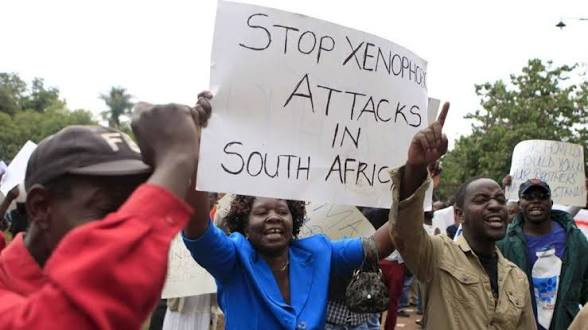
Nigeria’s decision to summon the South African envoy follows a pattern that has appeared before whenever tensions rise over the treatment of foreign nationals in South Africa.
The process is usually straightforward. Reports of attacks or unrest emerge, videos and eyewitness accounts circulate, public concern builds. Governments respond with statements, and in some cases, diplomatic meetings are arranged.
This time is no different.
The Nigerian government’s invitation to the South African envoy is a formal way of seeking clarity and expressing concern. It also signals that the situation is being taken seriously at a diplomatic level.
But it also raises a question of why these meetings keep happening under similar circumstances
What Diplomacy Alone Cannot Fix
Source: Facebook
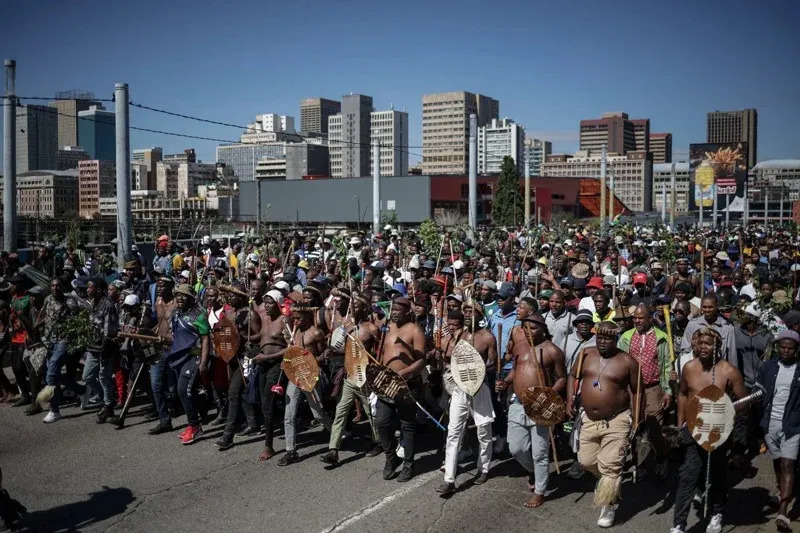
Diplomatic meetings are important, but they often come after tensions have already escalated.
In most cases, the issues behind these incidents are not diplomatic misunderstandings between governments. They are tied to conditions within local communities, including economic pressure, unemployment, and social frustration.

In such environments, foreign nationals can sometimes become visible targets during moments of tension, especially those running small or informal businesses.
This is where the limit of diplomatic action becomes clear. Governments can meet, exchange concerns, and issue statements, but the deeper conditions that fuel unrest are not easily resolved through official talks alone.
That gap between diplomatic response and local reality is part of why these incidents tend to reappear.
A Broader African Challenge
The situation also highlights a wider question about movement and coexistence within Africa.
Across the continent, there is growing emphasis on regional integration, trade, and freer movement between countries. But in practice, the experience of migrants in some places does not always reflect that ideal.
When economic pressure rises at the local level, it can sometimes shape how outsiders are perceived, especially in communities where competition for livelihoods is already intense.
This creates a contradiction between policy direction and everyday experience. While African countries continue to push for greater cooperation, social tensions around migration remain a recurring challenge.
Nigeria’s engagement with South Africa sits within that wider reality.
Related read: Xenophobia in South Africa: The Act Of Biting the Hands That "Freed" You
Beyond Diplomatic Engagement
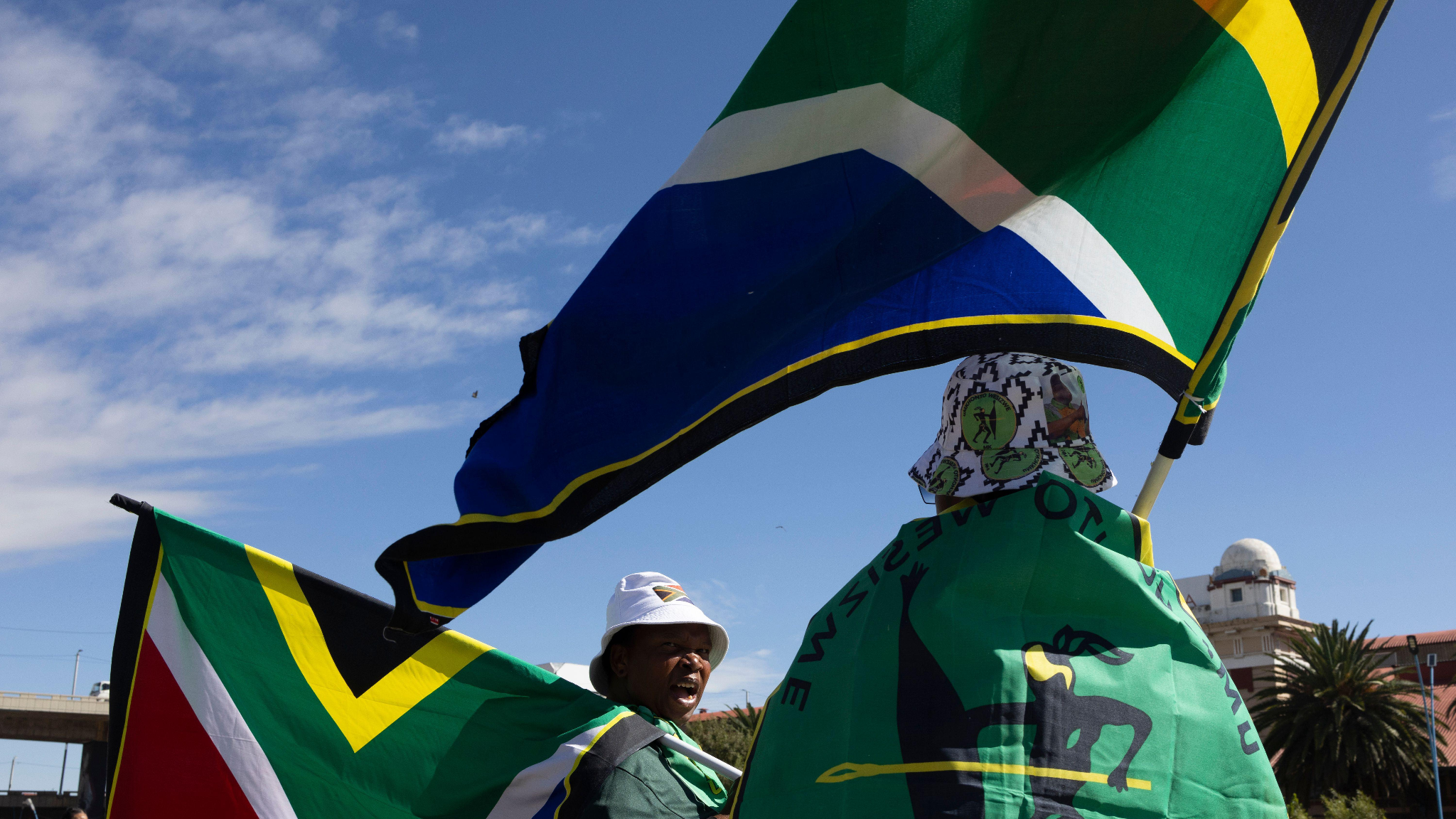
The meeting scheduled for Monday in Abuja is expected to address immediate concerns and clarify South Africa’s position on recent incidents.
It is also a reminder of how often both countries have had to engage on similar issues in the past.
The 2019 crisis, in particular, sparked a significant diplomatic row,with Nigeria recalling its High Commissioner and boycotting the World Economic Forum on Africa in protest.
Nigeria’s move is a standard diplomatic response, but it also reflects something deeper, that these incidents continue to require attention at the highest level, without a clear sign that the cycle is slowing down.
What happens after the meeting will likely determine whether tensions ease again or whether another familiar cycle begins to form.
For now, both countries are once again at the table, trying to manage a situation that has proven difficult to fully resolve.