Tinubu’s Airline Relief Addresses One Problem, But IATA Flags a Bigger One
IATA has named Nigeria among countries with aviation charges above global averages, even as Tinubu approves airline debt relief and fuel talks, highlighting deeper cost pressures in the sector.
For many Nigerians, expensive flight tickets have become almost expected.
Whether you are booking a domestic trip or planning an international journey, the cost of flying often feels far higher than it should.
Now, a new report from the International Air Transport Association (IATA) is giving official backing to that frustration.
Speaking at its Focus Africa Conference in Addis Ababa, Ethiopia, IATA named Nigeria among African countries where aviation charges are higher than the global average, alongside Ghana, Angola, Kenya, and the Democratic Republic of Congo.
According to the association, aviation charges across Africa are about 15 percent higher than global averages, with multiple taxes, fees, and levies contributing to the rising cost of air travel.
For passengers, that may explain a question many have asked for years: why does flying in Nigeria remain so expensive?
Why Nigeria’s Airlines Needed Help
Nigeria’s airlines have not exactly been operating in comfortable conditions.
In recent months, operators have repeatedly raised concerns about soaring operational costs, with aviation fuel remaining one of their biggest headaches.
Earlier this year, airlines warned that rising jet fuel prices were making business increasingly difficult and could begin affecting operations if nothing changed.
That pressure pushed the federal government to step in.
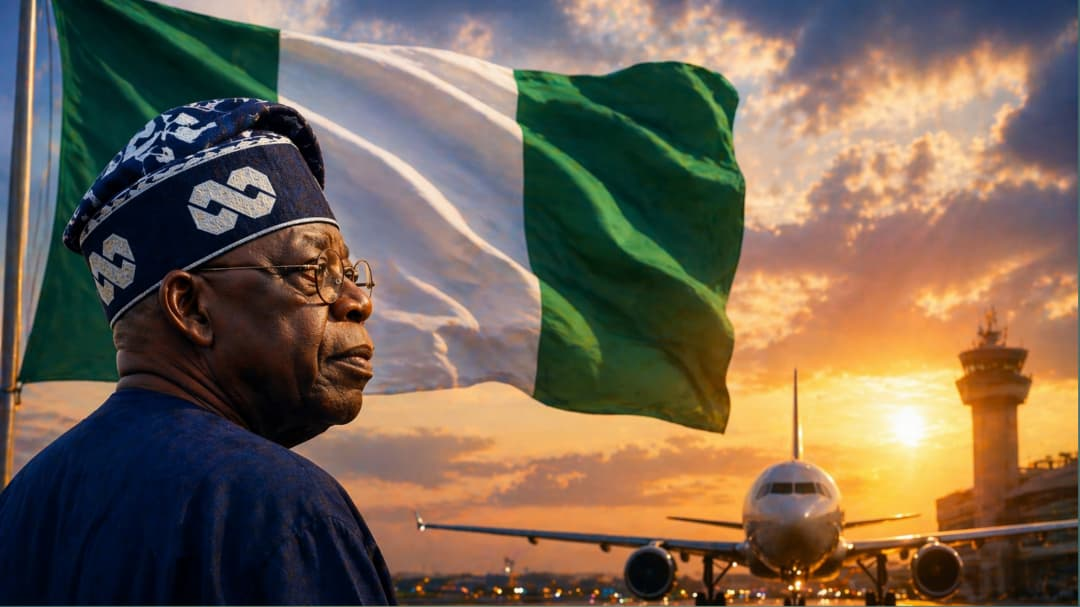
Tinubu’s approval of 30 percent debt relief was designed to reduce some of the immediate financial burden on local carriers already navigating a difficult operating environment.
The government also initiated talks around aviation fuel pricing, another major cost concern for airlines.
In the short term, these moves offer some breathing room.
But relief is not the same thing as reform.
Helping airlines survive a difficult period is one challenge. Fixing the broader conditions that make aviation expensive in the first place is another.
That is exactly where IATA’s warning becomes more significant.
Recommended: What Does a 30% Debt Cut Actually Mean for Airlines and You?
What IATA Is Actually Warning About
IATA’s report is not simply saying airlines are charging too much. Its broader point is that the operating environment itself is expensive.
According to the association, governments and aviation authorities across parts of Africa continue to impose multiple charges that make air travel costlier than it should be.

In Nigeria, these can include airport fees, passenger service charges, navigation charges, security fees, and other levies attached to ticket pricing.
One example is Nigeria’s additional $11.50 security levy introduced under its Advance Passenger Information system in late 2025. Reports indicate this pushed total security-related charges on some international tickets to about $31.50.
None of these charges may seem shocking on their own, but together, they stack up.
By the time you book a flight, the final ticket price may already reflect several layers of cost built into the system long before an airline calculates profit.
This is what IATA is flagging.
Its argument is straightforward: when the system is expensive to operate in, airlines pass part of those costs to passengers, and ticket prices remain high.
So while airlines are often blamed first for expensive flights, the issue is clearly more layered.
Why Nigerians Feel It Most
For ordinary Nigerians, the technical details behind aviation pricing may not matter as much as the final ticket price.
What many people experience is simple: flights are expensive.
Domestic travel within Nigeria is often criticised for high fares, while international travel can feel even more financially demanding once charges are added.
This is where IATA’s report becomes relatable.
It explains why air travel costs can remain stubbornly high even when airlines themselves are under pressure. The final price paid by passengers is often shaped by a system where multiple charges quietly accumulate long before a customer completes a booking.
Passengers may not see those charges directly, but they eventually pay for them, always.
In other words, expensive flights are not always only about airline profit margins.
They are also about the wider cost environment surrounding aviation in Nigeria.
This matters not just for passengers, but for tourism, business travel, and regional movement. When flying is expensive, mobility itself becomes more difficult.
Relief Is Not the Same as Reform
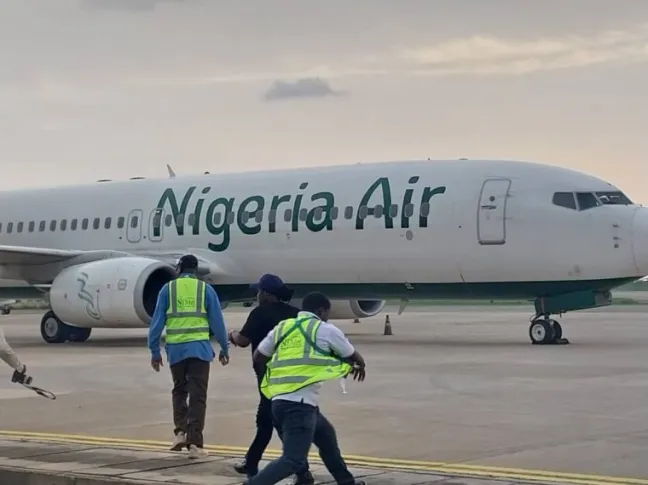
Tinubu’s airline relief package addresses a real and immediate problem. Airlines facing debt pressure and rising fuel costs need breathing room to continue operating.
Helping airlines survive is one thing. Creating a more efficient and less expensive operating environment is another.
If taxes, levies, and charges remain high, the pressure on airlines and passengers will likely continue, even with temporary interventions.
That is the bigger point behind IATA’s warning.
Nigeria may have responded to one part of its aviation challenge through debt relief and fuel talks.
But if the broader cost structure remains unchanged, travellers may continue to ask the same question they have asked for years: why is flying still so expensive?