What Does a 30% Debt Cut Actually Mean for Airlines and You?
Nigeria’s 30% airline debt cut may sound like relief, but it doesn’t touch the real crisis—jet fuel costs. Here’s what it actually means for airlines and passengers.
Nigerian skies almost went on standstill the beginning of this week and most people didn't even notice until it was almost too late. The Airline Operators of Nigeria had set a deadline of April 20, or they were going to ground everything.
There were not going to be any flights or routes. That means the Nigerian whose transport mode is the air would be stranded in their local airports.
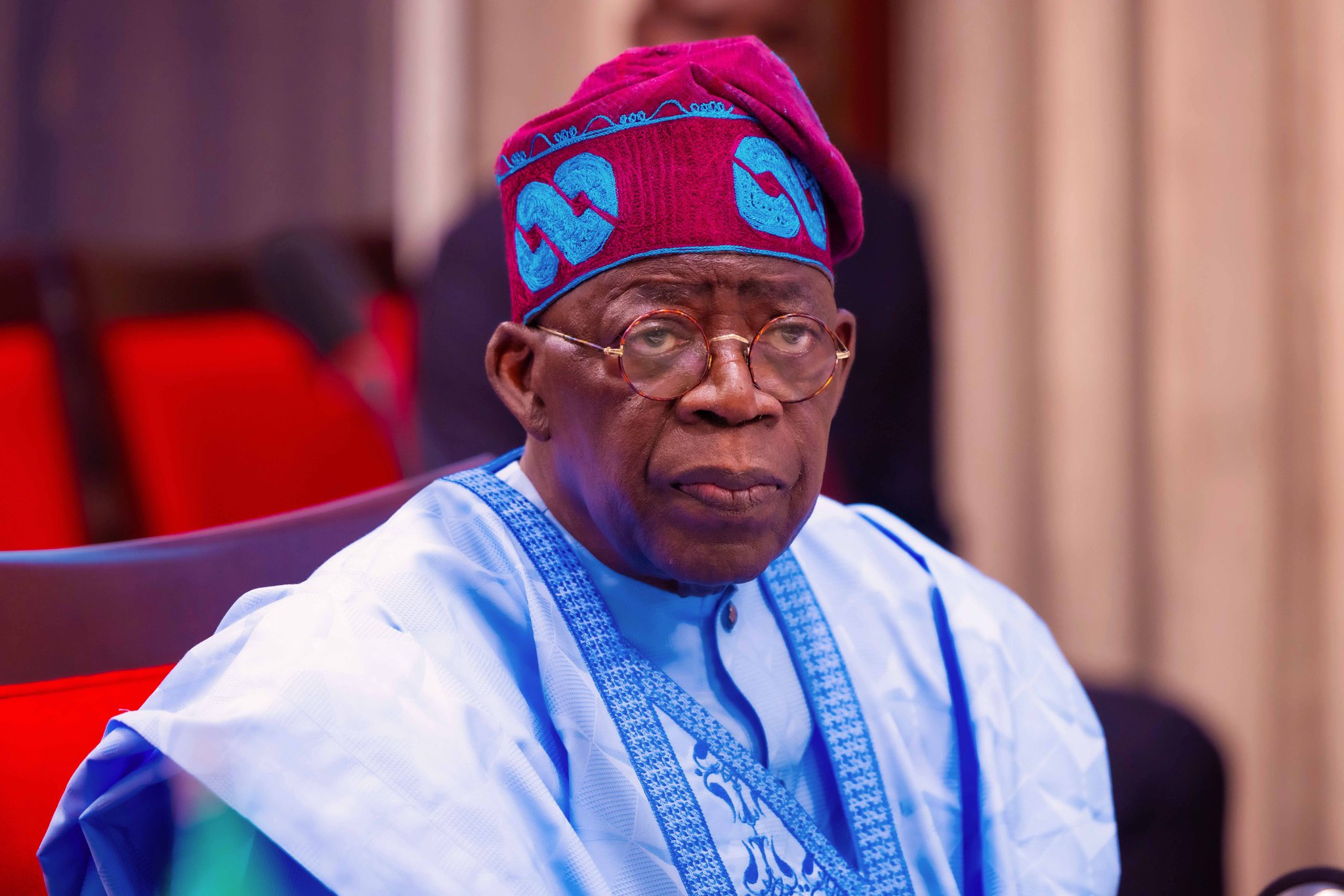
Before that could happen, Tinubu stepped in. He announced a 30% cut on what domestic airlines owe the government.
But before you celebrate, you need to fully understand what you just got.
How We Got Here
The foundation of this crisis didn’t start in Nigeria. The Iran war disrupted oil supply through the Strait of Hormuz, and global jet fuel prices skyrocketed alongside other refined crude oil products.
In Nigeria, that chaos hit harder than most places, because airlines here already borrow money at interest rates of 30 to 35%just to stay operational.

Air Peace CEO, Allen Onyema, said they were not threatening a shutdown for drama, they had simply run out of money to keep borrowing from banks to pay for fuel while everything else suffered.
The Airline Operators of Nigeria made it official and set the April 20 deadline, and that is when the federal government suddenly found urgency it didn't have before.
What the 30% Actually Covers
The 30% cut applies to agency debts, more specifically to what airlines owe FAAN for parking charges, NAMA for navigational charges and the NCAA for other regulatory fees.
It does not touch the fuel crisis that caused this whole conversation. The government essentially forgave a portion of what airlines owe it and that is fine.
However, the thing that was choking them, which is the cost of Jet A1 fuel, is still in the conversation.
To make it messier, the total amount airlines owe across these agencies has not been publicly disclosed, so Nigerians are being asked to celebrate a 30% cut on a number nobody has actually shared.
And for context, the airline operators asked for a full waiver — wipe the whole debt and suspend further payments until the Hormuz situation stabilises.
They got 30%.
The Fuel Problem Is Still Very Much a Problem
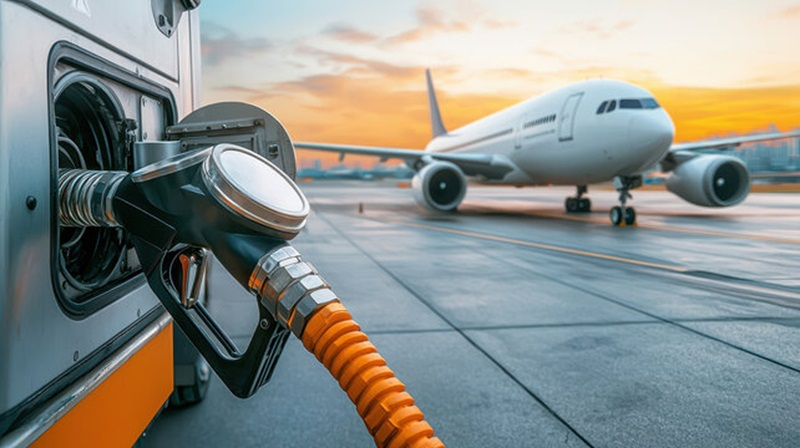
The debt cut was always the easier move. The harder one, and the one that actually determines whether Nigerian aviation survives the next few months, is sorting out jet fuel pricing.

Keyamo ordered an emergency meeting between the government, airlines, fuel marketers and regulators to agree on a "fair and reasonable" fuel price within 48 to 72 hours, with the outcome to be made public.
That meeting is still pending as of this writing. Separately, a committee is being set up to review the taxes, levies and fees charged on domestic air travel, which airline operators have been asking about for years, by the way.

The Bank of Industry also came up during the talks, because it is one of the few lenders offering near-single-digit interest rates to airlines, but it currently doesn't have enough funds to do much.
What This Means for You
If you fly domestically or were planning to, don't assume your ticket prices are about to drop.
The debt relief does not reduce what airlines spend on fuel, and fuel is the biggest cost driver in their operations right now.
If the fuel pricing talks stall, or the outcome is vague, airlines will pass those costs on to passengers the only way they legally can, which is through fares.
Route suspensions and reduced flight frequencies are also still on the table if nothing structural changes in the next few weeks.
Nigerian aviation has always worked this way and the passengers always quietly absorb every shock that the system refuses to fix.
The global crisis just made visible an underlying problem that has been here for a long time.
Relief, or Just Good Timing?
The announcement came less than 24 hours after the minister first floated the idea publicly, which is a genuinely impressive speed for Nigerian governance.
But speed is not the same as substance.
What airlines actually need is a sustainable fuel pricing framework, access to low-interest financing, and a serious review of the taxes that make Nigerian aviation one of the most expensive operating environments on the continent.
Some of that is being "discussed." Some of it has been being discussed for years. The 30% cut bought time but not stability.
And if the next 72 hours of fuel talks produce nothing concrete, Nigerians who fly will be right back here — watching the same countdown, waiting for the next last-minute intervention.