The #EndSARS Anniversary: Tear Gas, a Lekki Memorial and Six Years of Unanswered Questions
Six years after the 2020 #EndSARS shooting, tear gas disrupted the Lekki memorial as Nigerians continued to demand justice, accountability and police reform.
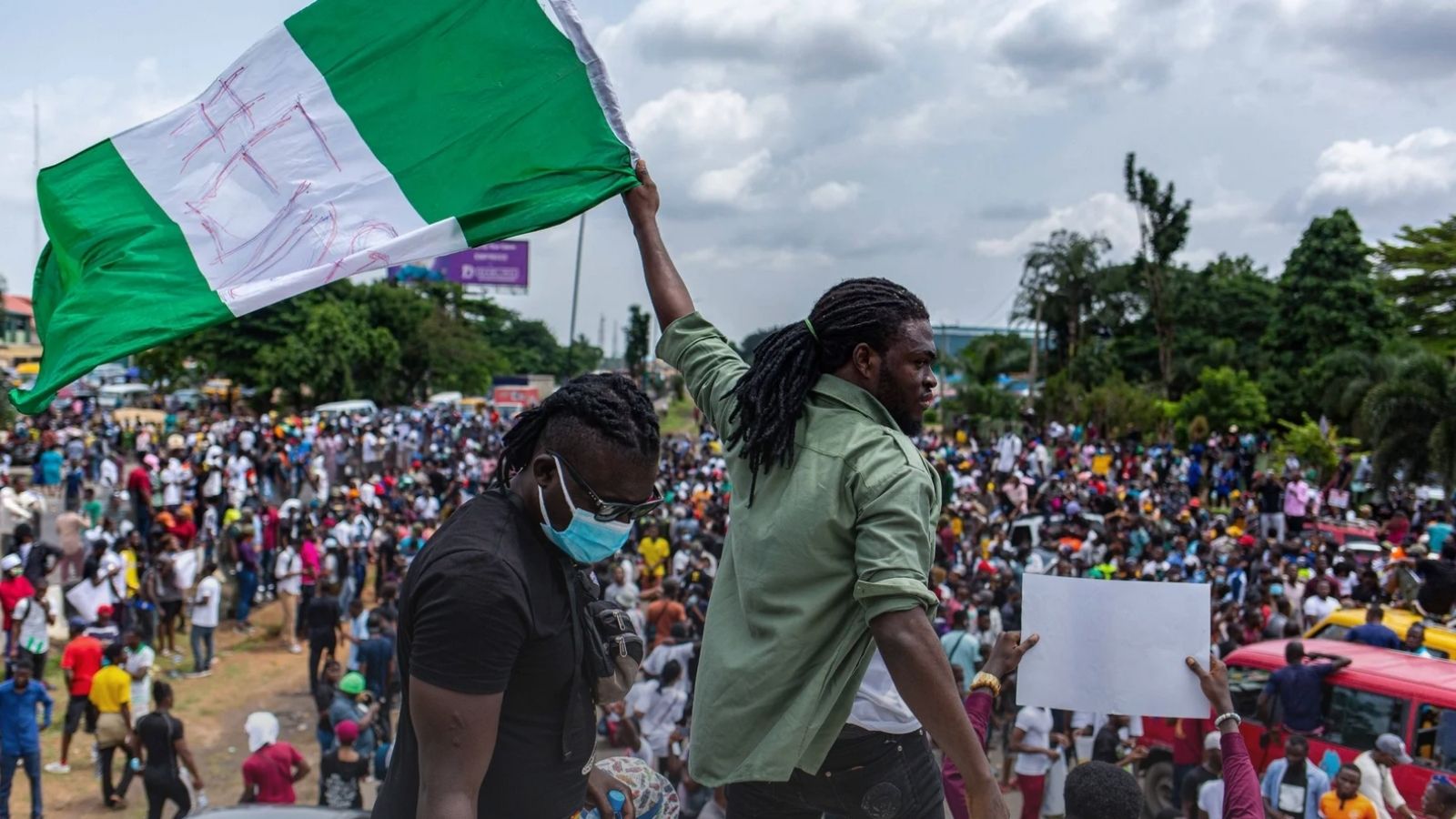
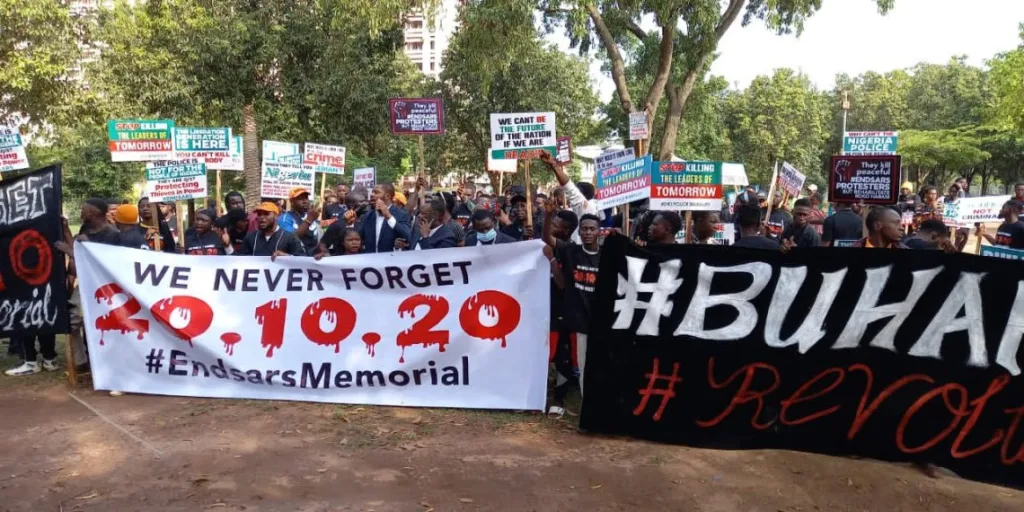
On Tuesday, October 20, 2026, police fired tear gas at people who had gathered at the Lekki toll gate in Lagos to mark six years since the #EndSARS shooting.
The memorial procession, organised by the Enough is Enough movement, was meant to include a wreath-laying for those killed in 2020. Participants ran for safety before it could happen.
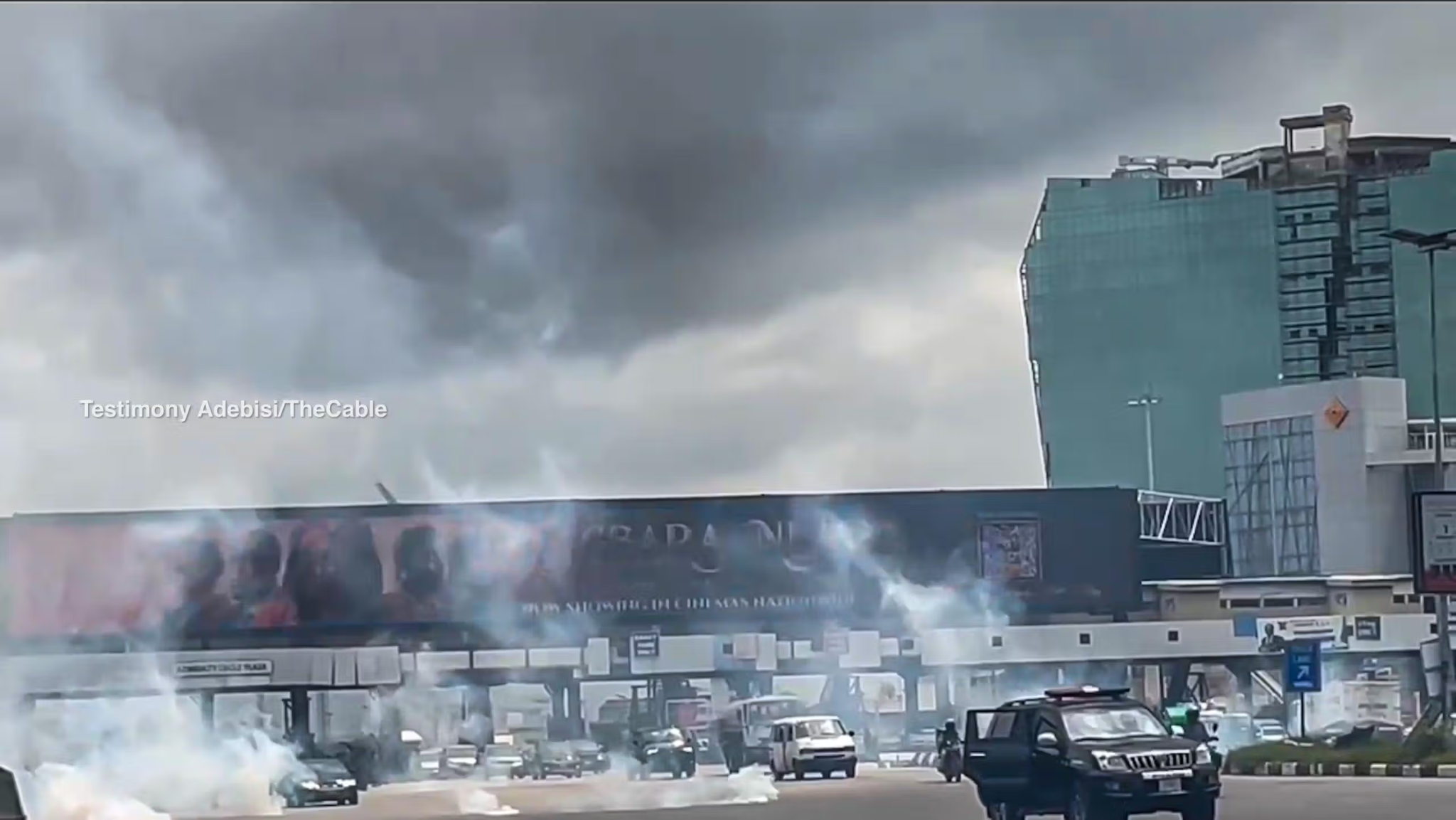
Activist Omoyele Sowore has condemned the approach, saying Nigerians are still answered with tear gas when they demand justice.
Residents, activists and journalists were caught in the crowd, alongside two Lagos governorship candidates, Gbadebo Rhodes-Vivour of the ADC and Funso Doherty of the NDC.
It was not the first time. Police also used tear gas at the 2021 and 2022 memorials, and in 2024, officers dispersed mourners and arrested 22 people, who were later released.
The EndSARS anniversary has become a yearly test of whether Nigerians can grieve in public at the place where the shooting happened.
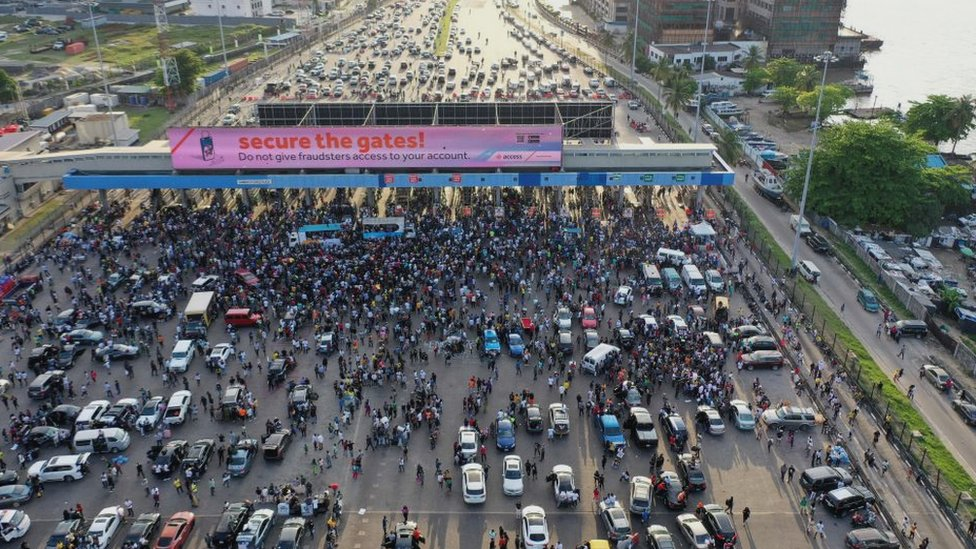
What Happened at the Lekki Toll Gate in 2020
The #EndSARS protests began nationwide on October 8, 2020. It was a protest against extortion, torture and killings by the Special Anti-Robbery Squad (SARS).
On October 11, the Inspector General of Police announced that SARS was dissolved and a new unit, SWAT, would fill the gap. Protesters doubted the promise because SARS officers were being redeployed to other units, so they kept protesting.
The protest then widened into a demand for better governance.
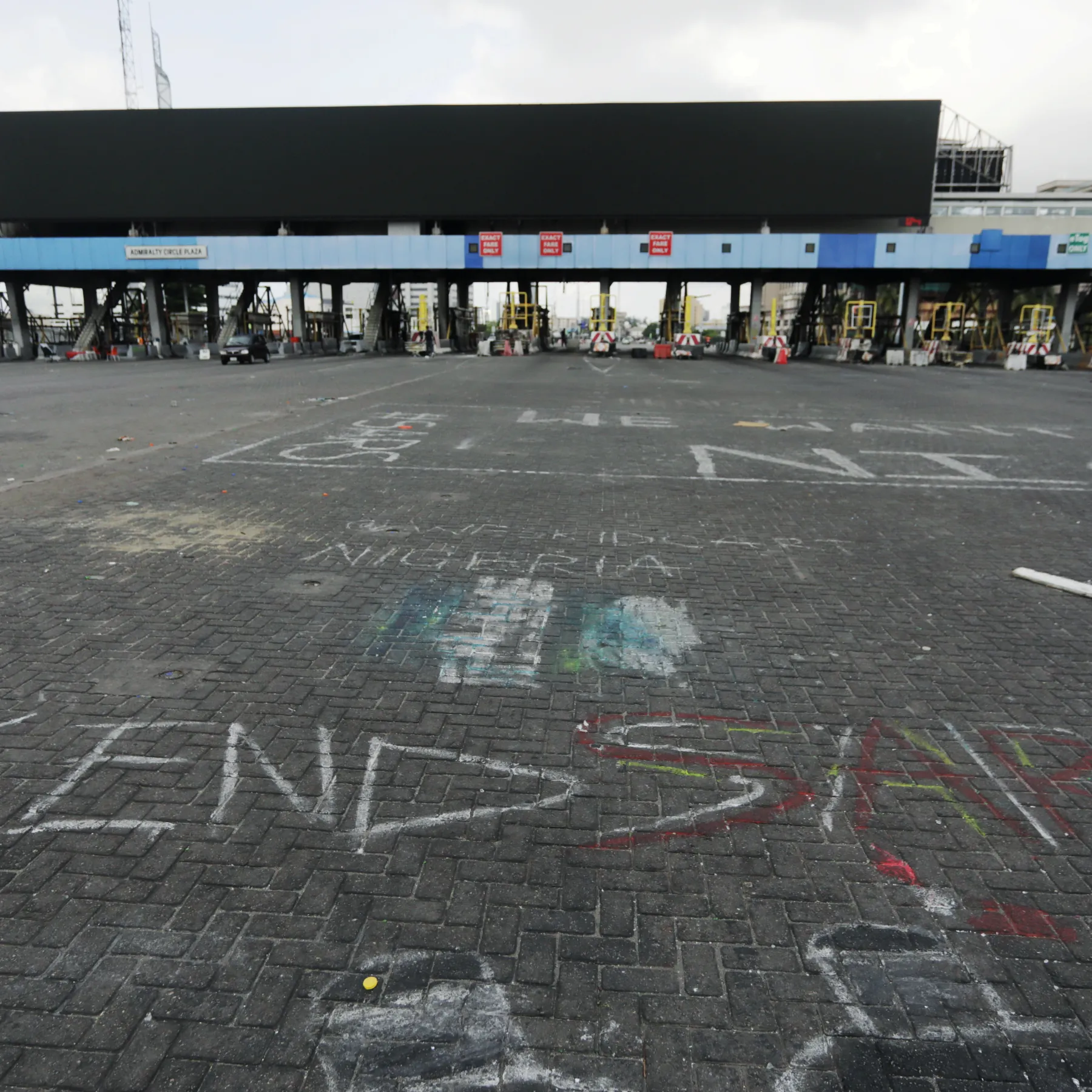
On the night of October 20, military personnel opened fire on protesters at Lekki as they waved flags and sang the national anthem.
Amnesty International found that at least 12 people were killed at Lekki and Alausa that night, and that at least 56 died nationwide during the protests, 38 of them on October 20.
Six Years of Unanswered Questions
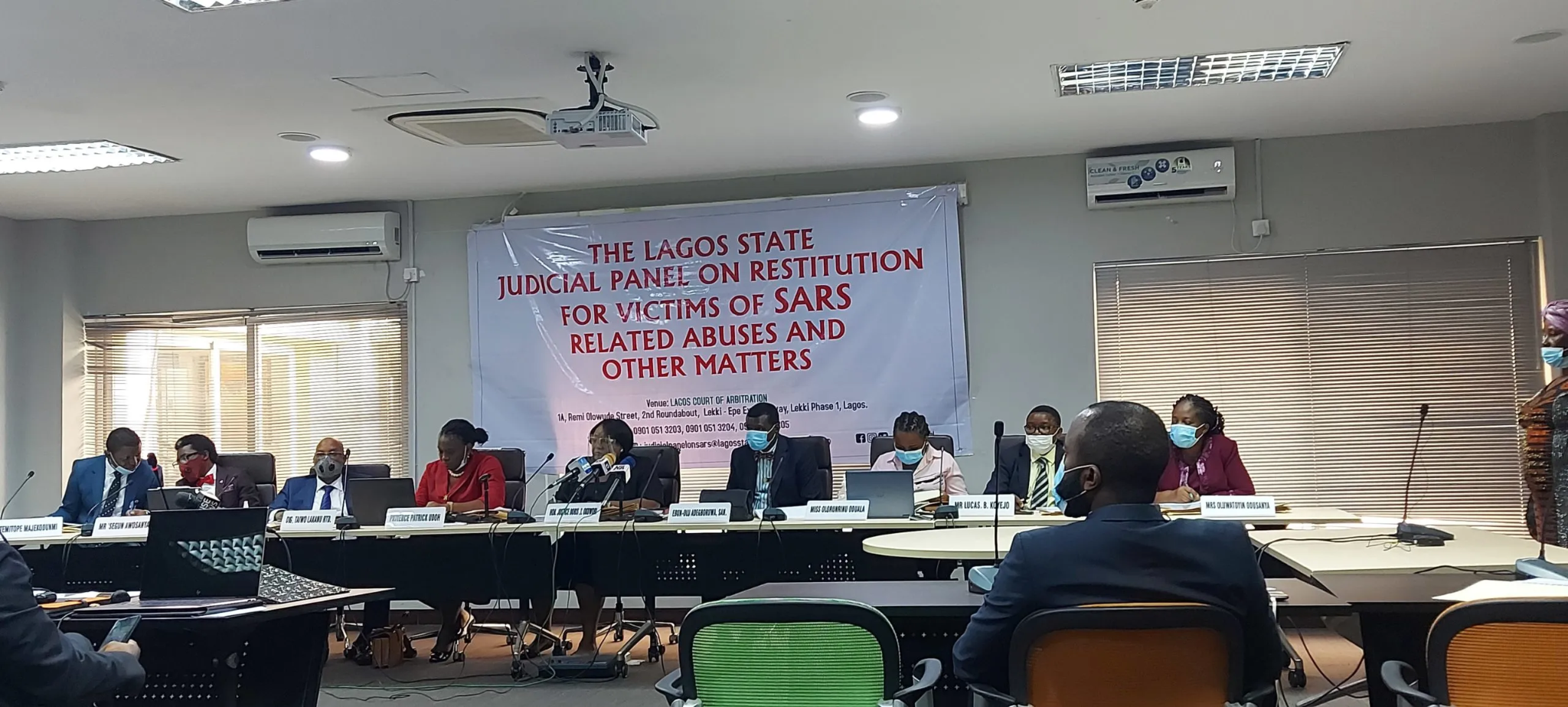
A judicial panel set up by the Lagos State Government reported in November 2021 that soldiers shot unarmed protesters without provocation. They described the killings as a massacre.
It identified 48 casualties, including 11 deaths. They also found that the army had been invited by the Lagos State Government, and recommended prosecuting some police officers.
Lagos State’s white paper then rejected the massacre finding, saying the evidence did not establish arbitrary killing of protesters. The federal government also dismissed the report.

Six years on, demands for accountability, compensation and police reform remain open. Each anniversary has brought police to the toll gate on the one day mourners want to gather there.
The panel also found that a senior army commander admitted the army went to the toll gate with live ammunition. It awarded compensation to victims, and rights groups have urged authorities to act on its recommendations.
Why France Is on the Streets
Six years after Lekki, Nigeria is not the only country watching its young people confront the state. In France, high school students have spent weeks in the streets. The trigger there is schools.
Protests began in September in the poorest suburbs of Paris over overcrowded classrooms, teacher shortages, run-down buildings and long school days. It then spread across the country.
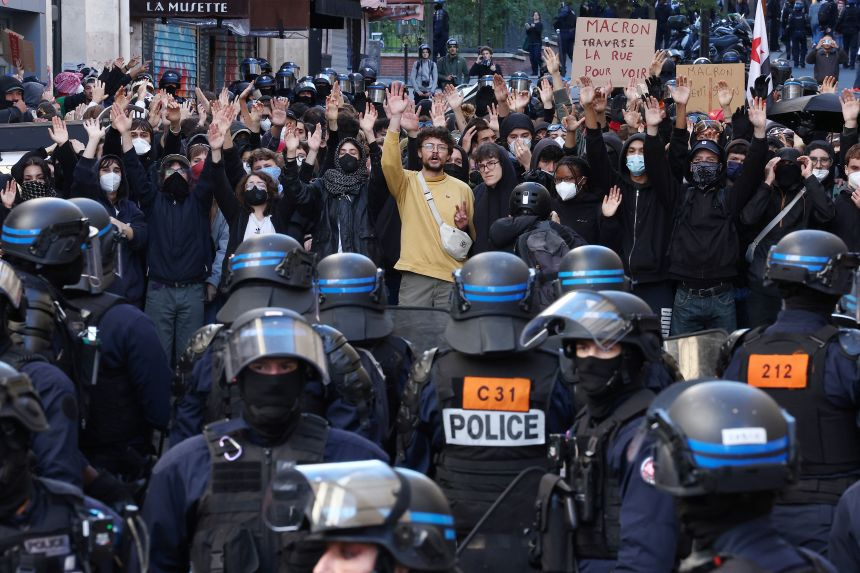
A student union said nearly 2,000 high schools were blockaded or closed on October 6, and about 480,000 people joined a later day of action.
The movement has also been destructive. Fires were set at schools and protesters clashed with riot police.
Prime Minister Sébastien Lecornu suspended high school classes for the rest of that week and pointed out that burning a school does not repair it. He said at least 215 teenagers and 715 police officers had been wounded.
More than 6,000 people have been arrested, most of them minors, and the police watchdog has opened at least 10 misconduct investigations. Students have vowed to resume after the school holidays.
EndSARS and France: Shared Anger, Different Government Responses
The parallels are real. Both movements were led by the young, began with a specific grievance and widened into anger at a state that seemed deaf.
Both saw property destroyed at the margins. In Nigeria, hoodlums burned police stations and public facilities during the 2020 protests. Both met tear gas.
However, the shared lesson is that young people take to the streets when ordinary channels fail, and what the state does next decides whether that anger becomes reform or another anniversary.
The responses diverged where it counted. Within days, French ministers were meeting students, announcing a five-point plan and opening an online platform that tens of thousands of pupils used to submit complaints.
Students called the plan insufficient and kept protesting, but the argument was happening in the open, and officials were ordered to answer student demands by the end of October.
Nigeria’s government dissolved SARS in three days, then watched soldiers fire on a crowd nine days later. The question in Lagos was whether the state would admit what it did.
Can a Protest on the Scale of EndSARS Happen Again in Nigeria?
Possibly, but with a greater cost. In August 2024, the #EndBadGovernance protests ran for ten days over the cost of living. Amnesty International documented at least 24 deaths and more than 1,200 detentions.
Seventy-six people, including minors, were charged with treason, and the treason charges against the children were dropped in November 2024 after public outcry.
This explains why EndSARS may not repeat itself exactly. Whether it happens again may largely depend on whether protesting still feels safe.
Nigerian youths have shown the appetite to protest, but a decentralised movement with no formal leadership, which gave EndSARS its energy, is also hard to protect when the response is live ammunition or treason charges.
What the Nigerian state can still choose is how it answers. France shows that a government under pressure can meet young protesters with negotiation, even while policing them hard. The Lekki memorial shows the alternative: a gathering of mourners, two opposition candidates and a few wreaths, scattered by tear gas.