Yar’Adua Won a Disputed Election in 2007. 19 Years Later, Has Nigeria Fixed What Went Wrong?
Nineteen years after Yar’Adua admitted Nigeria’s 2007 election was flawed, INEC independence, result transmission and electoral accountability remain key tests for the 2027 polls.
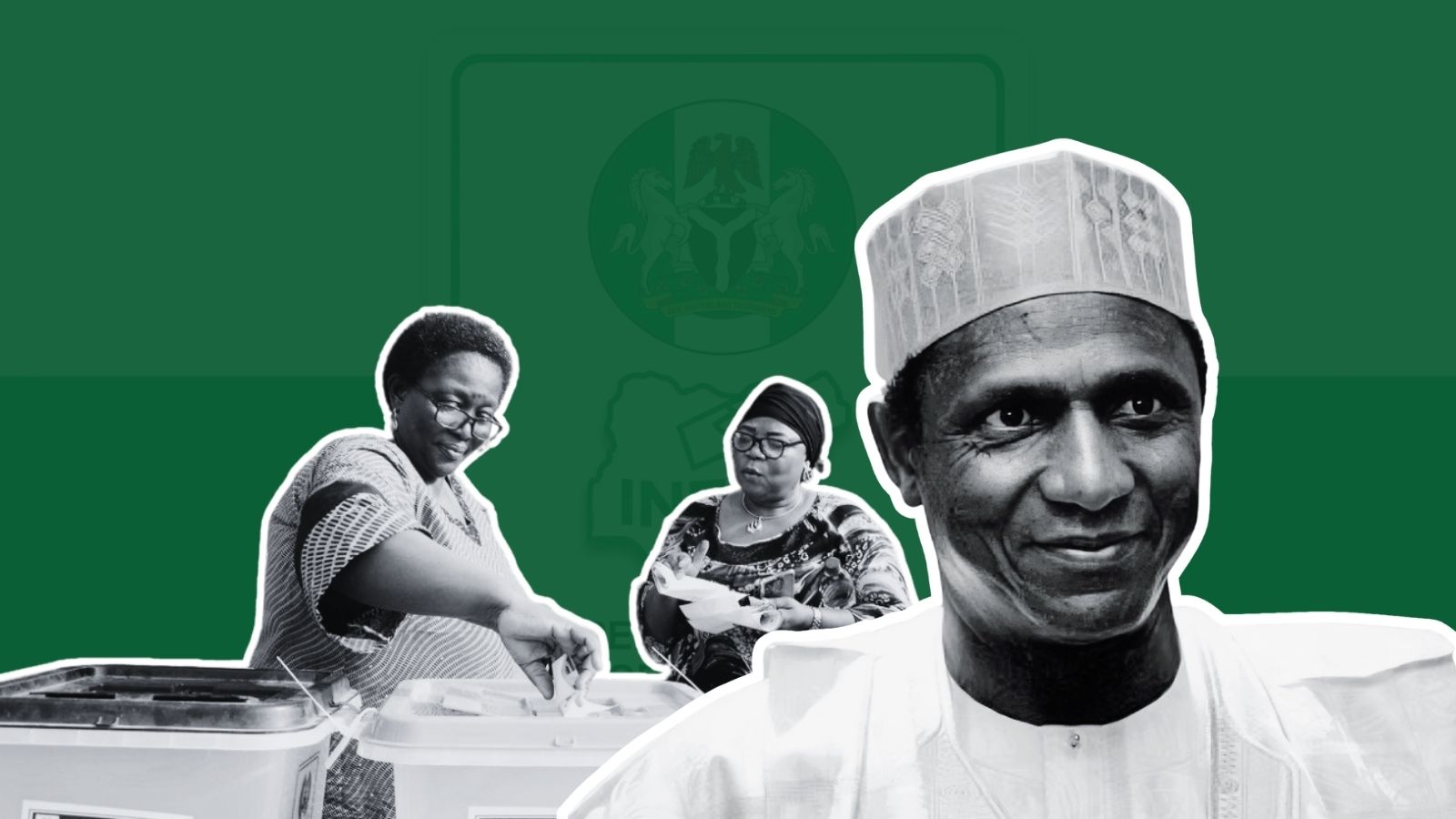
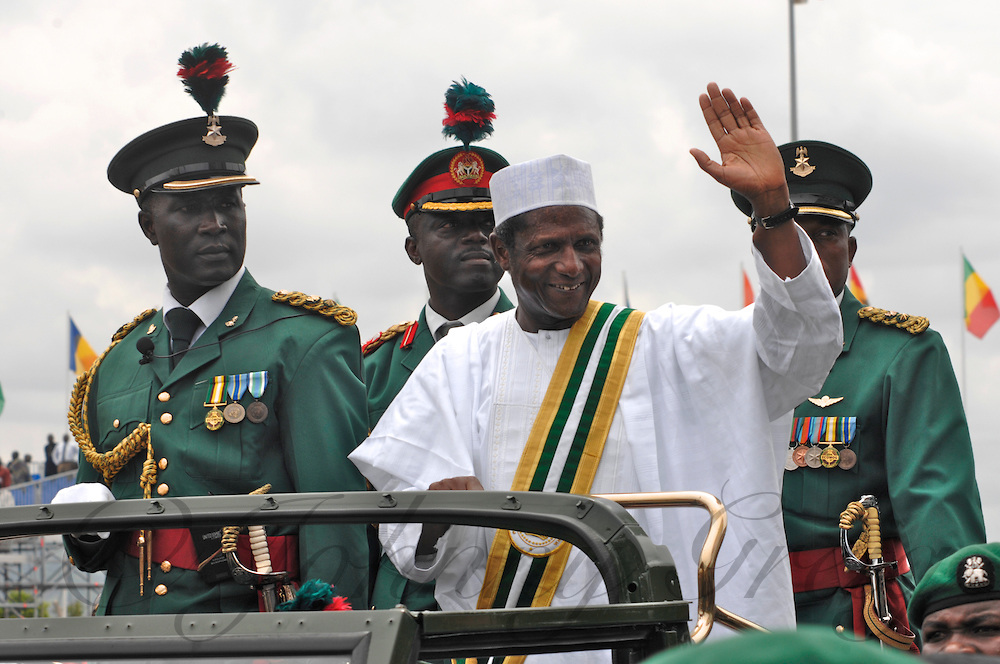
On 29 May 2007, Umaru Musa Yar’Adua took the oath as president and did something very rare, especially for a winner: he admitted his own election was flawed.
It has been nineteen years, and Nigeria is gearing up for another presidential electionwhich would hold on 16 January 2027, yet there are still the same arguments about INEC, result transmission and impunity on the table.
What exactly went wrong in 2007, what did Yar’Adua’s reform committee propose, and how much of it has Nigeria delivered?
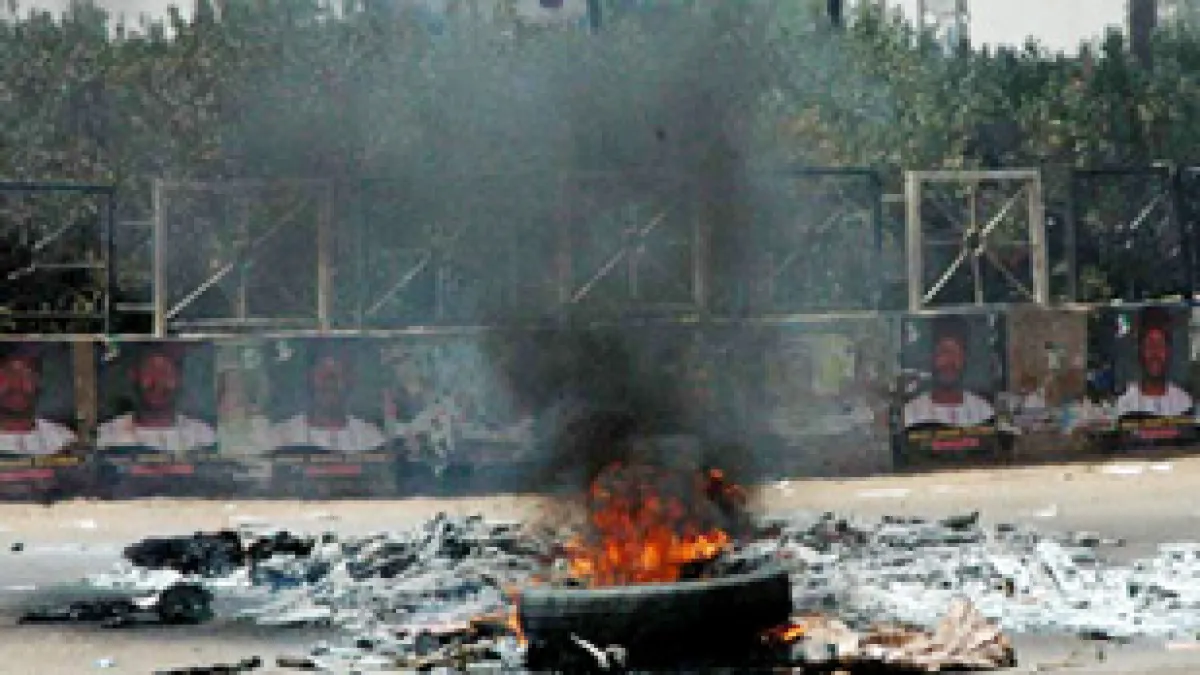
What Went Wrong in Nigeria’s 2007 Election?
INEC declared Yar’Adua of the PDP winner of the April 2007 presidential election with about 24.6 million votes. This was against the 6.6 million for Muhammadu Buhari and 2.6 million for Atiku Abubakar, who was only restored to the ballot days earlier by a Supreme Court ruling.
EU observers said the process could not be considered credible, and even the outgoing President Olusegun Obasanjo agreed the polls were not perfect. Observers counted at least 200 deaths in violence around the state and federal elections.
The failures were largely institutional. The electoral commission operated under heavy executive influence. There was last-minute legal wrangling over candidates that fed the chaos, and the offenders faced no dedicated system of punishment.
Buhari and Atiku challenged the result in court. A tribunal upheld it in 2008, and on 12 December 2008 the Supreme Court dismissed both appeals, 6-1 against Buhari and 4-3 against Atiku.
The Uwais Committee: How Yar’Adua Responded to the Disputed Election
In his inaugural speech, Yar’Adua acknowledged that the elections had lapses and shortcomings, and promised a review panel.
On 28 August 2007, he inaugurated a 22-member Electoral Reform Committee chaired by former Chief Justice Mohammed Uwais. The panel submitted its report on 11 December 2008.
Its recommendations tackled the major shortcomings of the 2007 elections: the president would no longer appoint INEC’s board; the National Judicial Council would. Commissioners would serve fixed five-year terms, and INEC’s funding would be a first-line charge on the Consolidated Revenue Fund.
A special Electoral Offences Commission would try offenders, no elected person would assume office while a case against them was pending, and the handling of election disputes would be reformed.
The agenda basically confronted the weaknesses behind his own victory.
What Happened to the Uwais Report After Yar’Adua?
Yar’Adua’s government reportedly accepted most of the recommendations, but he died on 5 May 2010 before much was done.
Under Goodluck Jonathan, the 2010 constitutional and Electoral Act amendments adopted some parts of the report, including stronger financial autonomy for INEC. However, the bigger structural weakness still existed: the president still nominates INEC’s leadership, and the Electoral Offences Commission has still not been established.

Muhammadu Buhari set up another reform committee in October 2016, declined to sign several amendment bills, and finally signed the Electoral Act 2022 on 25 February 2022. This is the bill that gave legal backing to electronic transmission of results.
Bola Tinubu’s Electoral Act 2026 is the latest attempt. The report has been used selectively and slowly, while its most politically costly parts stalled.
Has Nigeria Fixed the Problems Exposed in 2007?
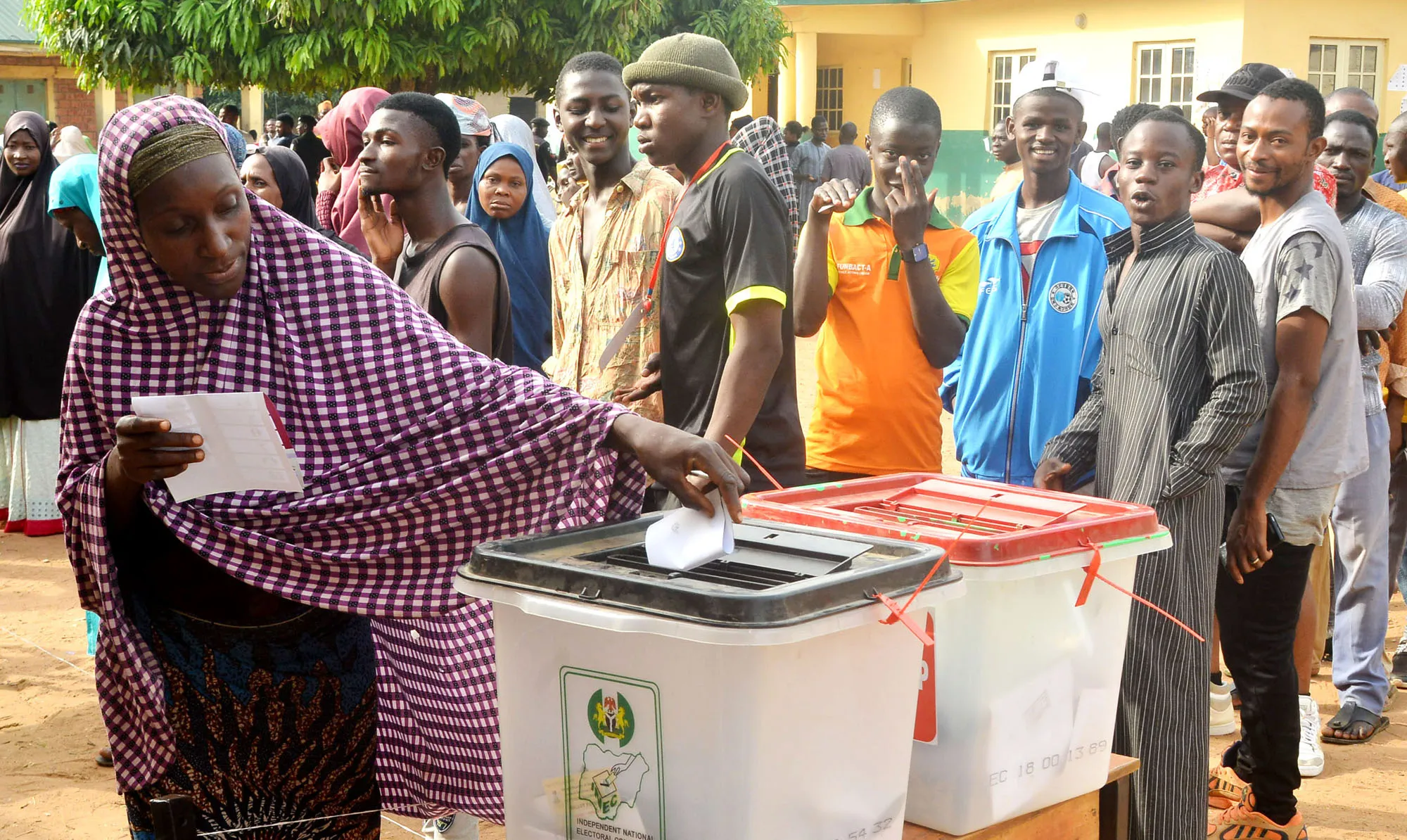
Some of the problems still exist. In 2015, an incumbent president lost and conceded for the first time, and by 2023 INEC had introduced BVAS and the IReV result portal.
However, EU observers still found that the 2023 elections eroded public trust. Results were barely uploaded to IReV in real time, turnout was the lowest since 1999, Tinubu won with 37%, and 74 people died across 101 violent incidents.
The EU’s six priorities included a publicly accountable selection process for INEC members, real-time publication of results and an end to impunity for electoral offences.
Those priorities echo the same 2007 problems: executive influence over the umpire, weak transparency and no consequences for offenders. The link is strongest on institutions and accountability. It is weaker on scale, because 2023 was not a repeat of 2007’s mass violence.
What Has Changed Under the Electoral Act 2026?
Tinubu signed the Electoral Act 2026 on 18 February 2026. This gives statutory recognition to IReV and requires polling unit results (Form EC8A) to be transmitted electronically, an obligation the 2022 Act did not impose.
It also makes BVAS accreditation mandatory, links voter registration to the National Identification Number and toughens penalties for offences such as illegal trading in voter cards.
There is still a gap. Where transmission fails because of communication failure, the manually completed EC8A becomes the primary source for collation.
Opposition lawmakers and civil society wanted that clause removed, and legal analysts note the Act provides no verification mechanism when transmission is disputed.
The new law also reshaped the calendar, and INEC moved the presidential vote from 20 February to 16 January to comply with it.
A law passed is not an institution implementing it, and implementing it is not yet measurable improvement. INEC plans to deploy about 1.4 million ad hoc staff across more than 176,000 polling units.
The commission also says it needs N873.78 billion for the 2027 elections, and reports IReV upload rates above 98% in recent polls.
The International Republican Institute’s August 2026 pre-election assessment still flagged unresolved legal ambiguities, candidate disputes, compressed timelines and concerns over transmission and collation. It named security as the most acute vulnerability.
What Does Yar’Adua’s Legacy Tell Us About Nigerian Democracy?
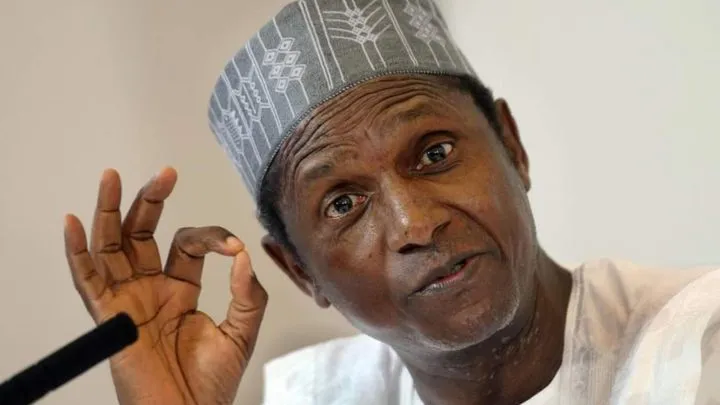
Yar’Adua is remembered for admitting what his own election lacked, which set a precedent in a country where winners rarely concede flaws. But he died after months of illness, so his reform agenda was never fully tested. Critics argued even during his presidency that the Uwais report was moving too slowly.
Much of the affection for him rests on that sense of unfinished possibility rather than on completed reforms. Later governments did build on his effort, since the 2010 changes and the 2022 and 2026 Acts all return to his committee’s concerns, but several arrived close to an election and under public pressure rather than as part of a settled plan.
Nigeria’s 2027 Elections: What Has Endured and What Has Stalled
With presidential and National Assembly elections fixed for 16 January 2027 and governorship polls on 6 February, the conclusion is mixed.
There exists stronger INEC funding, electoral technology and legal recognition of IReV and it has endured. Yet the independent appointment of INEC’s board and a dedicated Electoral Offences Commission have stalled.
The manual fallback and election security remain unresolved. Whether January delivers a credible result depends largely on implementation.