EU Pledges €20 Million to Nigeria’s Military, But Will Nigerians Finally Feel Safer?
The EU has pledged €20 million to boost Nigeria’s military, but will it finally make highways and communities safer for Nigerians?
For many Nigerians, insecurity is no longer something they only hear about on television or read in newspapers. It is the fear of travelling on certain highways, the anxiety of families living in communities vulnerable to attacks, and the uncertainty of whether loved ones will return home safely.
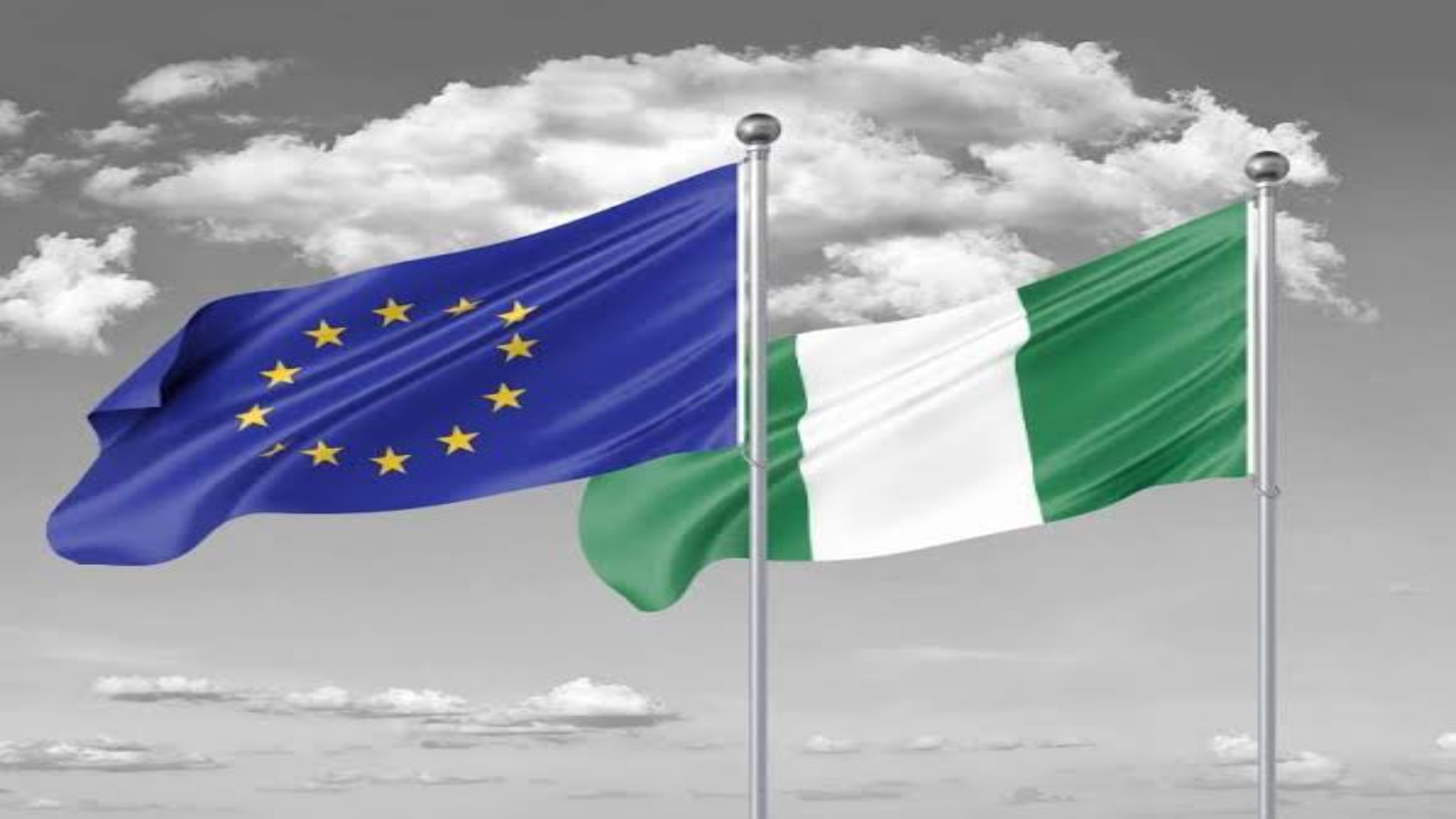
Now, the European Union (EU) has pledged €20 million in defence support to the Armed Forces of Nigeria (AFN), raising hopes that the country's fight against insecurity could receive another boost.
But beyond the announcement and diplomatic handshakes, one question matters most: Will this financial support make a noticeable difference in the lives of ordinary Nigerians?
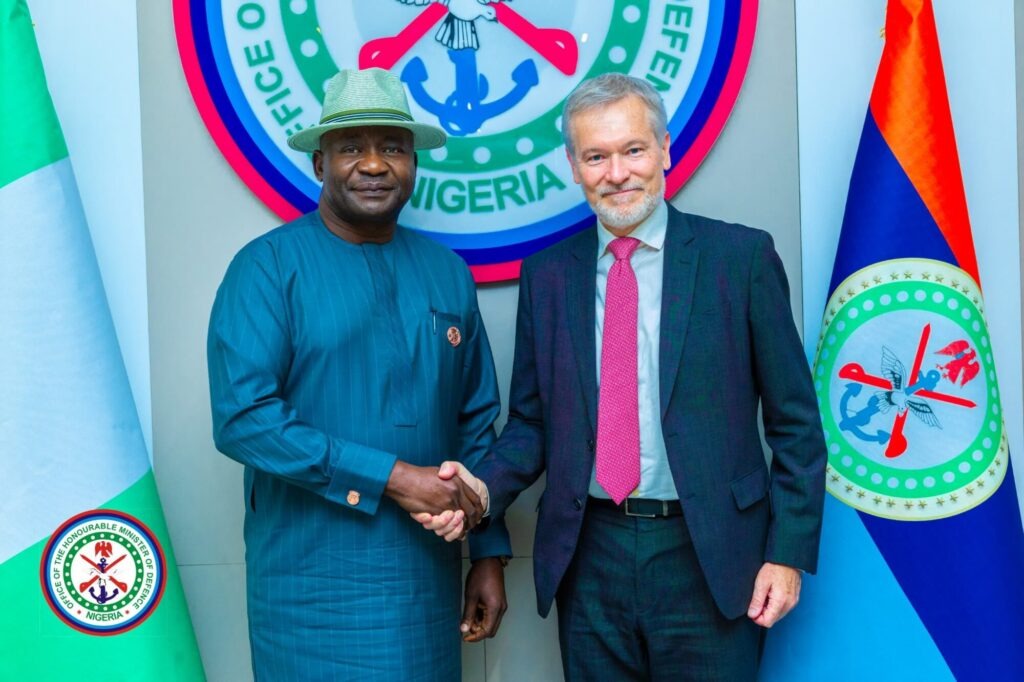
The development was announced on Saturday by Leah Katung-Babatunde, special assistant on media to the minister of defence, following a meeting between Nigeria's Minister of Defence, Christopher Musa, and the EU Ambassador to Nigeria and ECOWAS, Gautier Mignot, at the Ship House in Abuja.
The discussions focused on bilateral defence agreements, existing security cooperation and arrangements for the proposed €20 million assistance under the European Peace Facility (EPF).
While the pledge represents another step in Nigeria's security partnership with the EU, the bigger challenge will be turning international assistance into lasting improvements in public safety.
Why Is the European Union Supporting Nigeria's Military?
Nigeria's security challenges extend beyond its borders, particularly in the Lake Chad region, where terrorist activities and instability affect neighbouring countries.
This makes regional security cooperation important not only to Nigeria but also to international partners seeking greater stability in West Africa and the wider Sahel.
The EU's European Peace Facility is designed to support peace and security efforts, including assistance to partner countries and regional organisations.
In Nigeria's case, the proposed €20 million package would strengthen bilateral defence cooperation and support the Armed Forces' efforts to address security threats.
During the Abuja meeting, Ambassador Gautier Mignot reportedly commended Musa's efforts to improve Nigeria's security situation and invited him to a meeting of defence ministers in Brussels later in the year.
According to Katung-Babatunde, the ambassador also disclosed that an EU technical delegation would visit Nigeria in November to agree on the details of the assistance.
This means the pledge is an important commitment, but the precise arrangements and what the funding will cover still need to be finalised.
The EU's interest in supporting Nigeria can also be understood through the importance of regional stability. Terrorism, displacement and cross-border insecurity can disrupt trade, humanitarian operations and development across several countries.
However, the reported statement did not specify every reason behind the EU's decision or provide a detailed breakdown of how the €20 million would be spent.
For Nigerians, the most important question is whether the partnership will strengthen security operations in places where protection is urgently needed.
More Military Equipment, But Can Nigeria Tackle Its Biggest Security Threats?
During the meeting, Musa expressed appreciation for the EU's continued support and reaffirmed President Bola Tinubu's commitment to protecting lives and promoting national development.

The minister said relative peace was gradually returning to some troubled parts of Nigeria through the efforts of the armed forces and other security agencies.
However, he acknowledged that “kidnapping along major highways” and “attacks on isolated communities” remained serious challenges.
These are not distant problems for families whose livelihoods depend on travelling, farming or trading.
Better security could mean safer journeys for drivers, access to farmland for farmers and uninterrupted education for children.
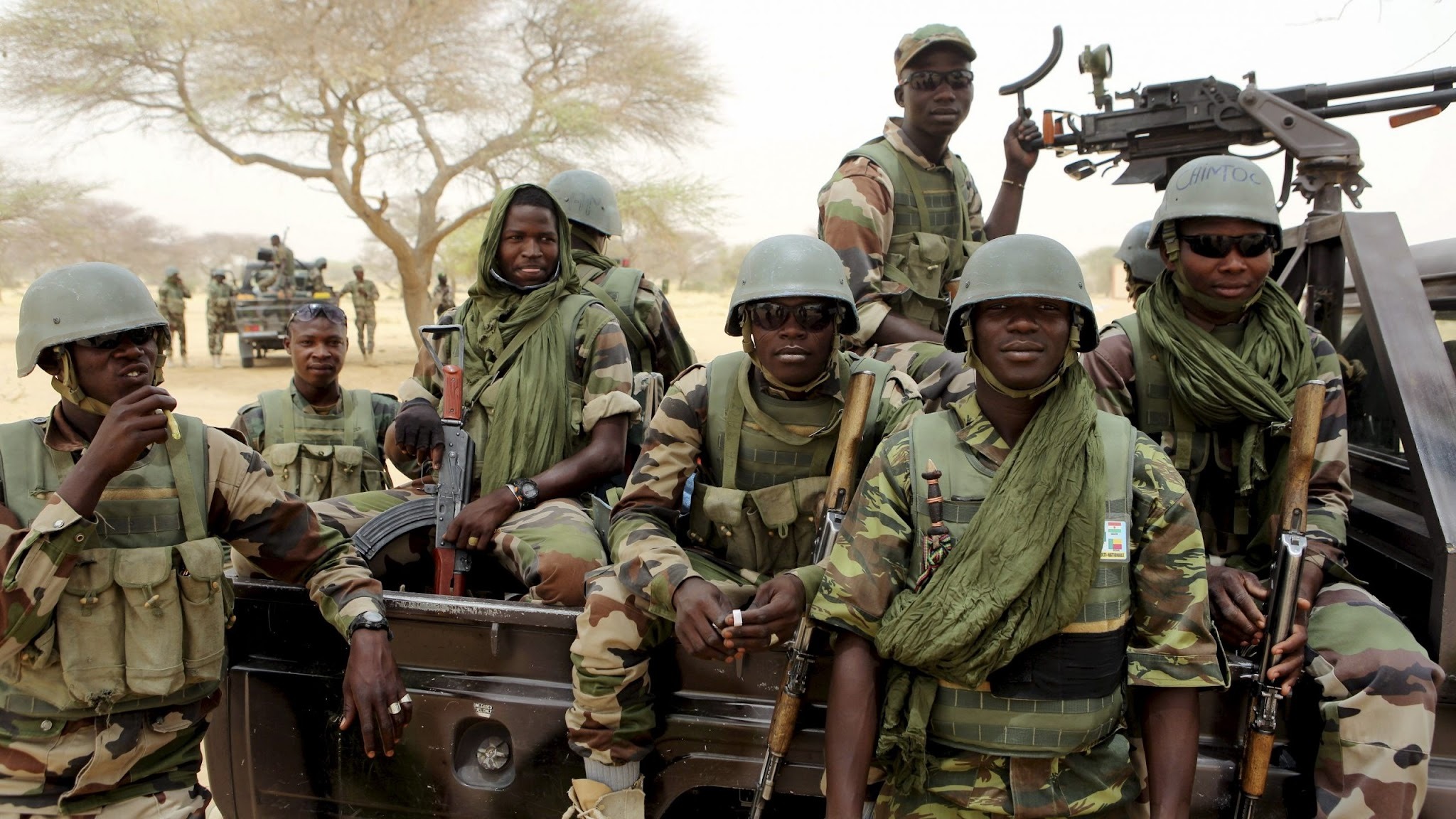
Musa also disclosed that Nigeria was expecting the delivery of 10 attack helicopters, unmanned aerial vehicles (UAVs) and other military equipment to strengthen security operations.
Such equipment could improve surveillance, intelligence gathering and the military's ability to respond to threats, depending on how it is deployed and maintained.
However, the statement did not establish that these expected deliveries were being financed through the newly pledged €20 million EU assistance.
Another major concern raised by the minister was the shrinking Lake Chad Basin, which supports more than 50 million people.
As the lake's resources come under pressure, communities that depend on fishing, farming and other livelihoods face additional difficulties. Environmental stress can worsen existing tensions and contribute to instability when combined with poverty, weak governance and armed conflict.
Musa identified denying terrorists access to holding areas on the Lake Chad islands as a key operational priority for the Multinational Joint Task Force (MNJTF).
The task force brings together regional efforts to combat insecurity around the Lake Chad Basin.
But military operations alone cannot resolve every challenge facing the region.
As the saying goes, “Prevention is better than cure.”
Disrupting terrorist activities is important, but helping vulnerable communities regain their livelihoods could also reduce the conditions that allow insecurity to persist.
What Will the €20 Million Support Mean for Nigerians in the Long Run?
A €20 million defence pledge sounds significant, but its real value will depend on what happens after the diplomatic meetings are over.
If the assistance is properly planned and used, it could contribute to stronger security operations, improved cooperation with international partners and better protection for communities affected by violence.
In the long run, improved security could also benefit Nigeria's economy.
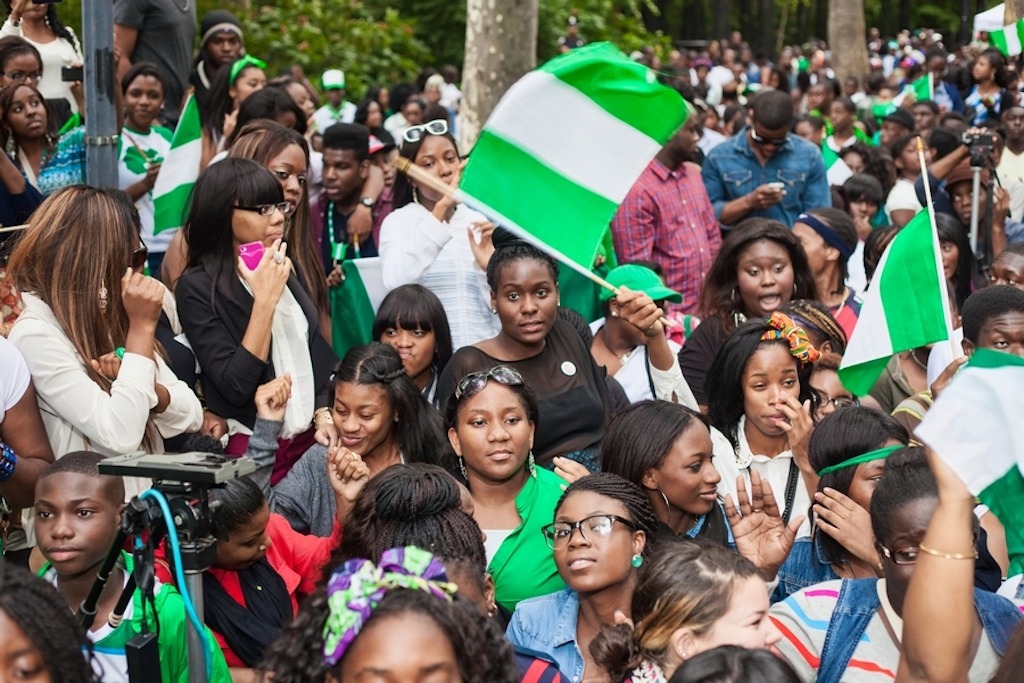
A safer roads and communities could help businesses grow, farmers return to their fields and displaced families rebuild their lives.
This could improve trade, food production and employment, but only if the promised support delivers real results.
Nigeria will need clear priorities, effective coordination and accountability to ensure the support addresses genuine security needs.
Another important issue discussed during the meeting was the disarmament, demobilisation and reintegration (DDR) programme.
Musa said the initiative would prioritise victims, including military personnel affected by the conflict.
DDR programmes help former combatants return to civilian life, but victims and affected communities also need support, and for families who have lost loved ones or been displaced, rebuilding trust takes time.
True security should be measured not just by military success, but by how safely people can return to normal life.

Financial Support Is a Start, But Lasting Peace Is the Real Goal
The EU’s €20 million pledge could strengthen Nigeria’s security, but money and military equipment alone cannot end insecurity.
The government must ensure the support is properly used to improve intelligence, protect communities, secure highways and help victims rebuild their lives.
As the saying goes, “Peace is not merely the absence of war, but the presence of justice.” True security means Nigerians can live, work and travel without fear.
In the end, the success of this partnership will not be measured by how much money is donated, but by how many lives are protected and how many communities become safe again.