Nigeria 2027 Presidential Election: Full Breakdown for First-Time Voters
Nigeria’s 2027 presidential election explained for first-time voters, from voter registration and PVCs to BVAS, IReV, election day, and results.
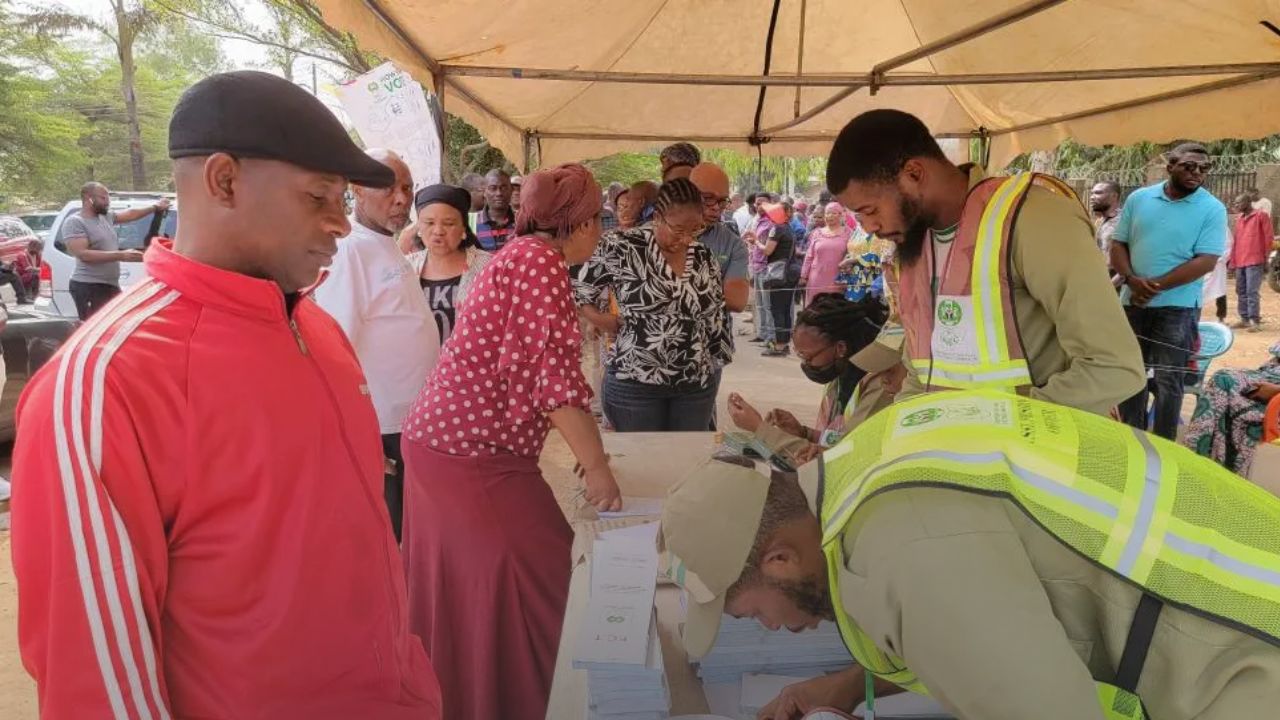
Nigeria's next presidential election is set for Saturday, January 16, 2027, with governorship and state assembly polls following on February 6, 2027. Campaigns for presidential and National Assembly candidates officially began on August 19, 2026, which means the contest for Aso Rock is now in motion.
For Nigerians who turned 18 after the 2023 election or who have never bothered with the electoral process before, this is the first real chance to vote. Here is a full breakdown of how the process works, starting from the registration up to the results day, with the 2023 election as a reference point and the new Electoral Act 2026 factored in throughout.
Who Is Eligible to Vote in the 2027 Election
Any Nigerian citizen aged 18 or older, including persons living with disabilities, is qualified to be registered as a voter. This eligibility, however, doesn’t equal being able to line up at the polls.
A person must complete the Continuous Voter Registration (CVR) exercise and be issued a Permanent Voter Card (PVC), which remains the only document INEC accepts for accreditation at the polling unit. Your National Identification Number or a Bank Verification Number does not make you a registered voter.

How Voter Registration Works Under the New Rules
Under the Electoral Act 2026, the list of documents accepted for registration has been narrowed to three: a birth certificate, a Nigerian international passport, or a National Identification Number. This is a tighter version of the requirements in the 2022 Act, that allowed a broader range of identification.
INEC also introduced a self-service online pre-registration portal, that allows prospective voters to start the process on their own devices before completing biometric capture in person at a designated centre.
This year's nationwide CVR exercise will close on August 30, 2026, so anyone who has not yet registered by the time this article is published still has little time left to run to a designated centre.
Registered voters whose PVCs are pending collection can pick them up in person at their Local Government Area office; INEC does not release voter cards by proxy.
What Changed Since the 2023 Election
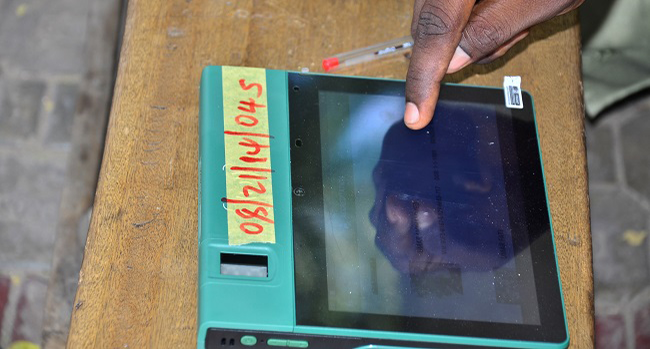
The 2023 election was defined by the introduction of the Bimodal Voter Accreditation System (BVAS) for biometric accreditation and the INEC Result Viewing Portal (IReV) for uploading polling unit results.
The problem with this was not the technology itself but the law backing it. The Electoral Act 2022 required electronic accreditation but left the transmission of results to IReV somewhat discretionary, and INEC's failure to upload results promptly on election night became one of the central disputes in the legal challenges that followed.
The Electoral Act 2026, signed into law on February 18, 2026, changes that. Section 47 now makes BVAS the mandatory method of accreditation, removing the ambiguity that existed under the old law.
Sections 60 and 62 make electronic transmission of polling unit results to IReV compulsory and the law also establishes that the physical, signed result sheet (Form EC8A) remains the primary legal record if transmission fails.
It also introduces a minimum ten-year prison term for any collation or returning officer who knowingly announces a false result. Where the number of votes cast exceeds the number of accredited voters at a polling unit, that result must be cancelled outright.
How Election Day Will Actually Work
On election day, a first-time voter should arrive at their assigned polling unit with their PVC. The presiding officer verifies identity using BVAS, checking fingerprint and facial data against the voter register.
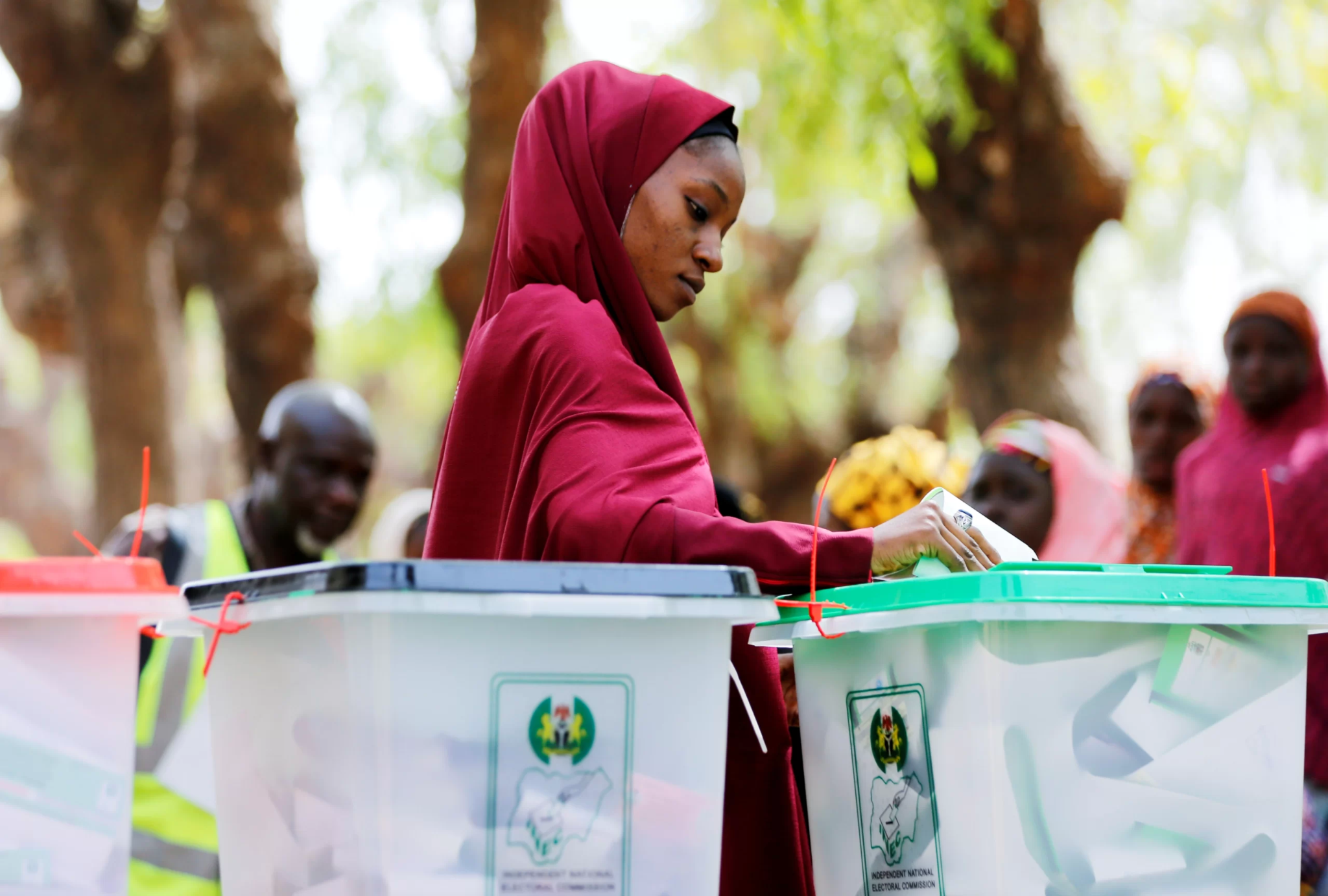
Once accreditation is confirmed, the voter is handed a ballot paper, thumbprints it in secret at a voting cubicle, and casts it in the transparent ballot box.

At the close of polls, counting happens in the open, at the polling unit, in front of party agents and observers. The result sheet is signed, a copy is given to agents, and the presiding officer is now legally required to upload the result to IReV before leaving the polling unit.
The Candidate Nomination Process
Political parties nominate candidates through direct primaries or consensus, as set out under Section 84(2) of the new Act. Party membership registers must now be maintained digitally, and courts have reduced authority to intervene in internal party disputes.
This change is aimed at speeding up candidate disputes but one that has also drawn criticism from parties who feel it limits their recourse.
As of this cycle, INEC has confirmed candidates from parties including the APC, PDP, Labour Party, NNPP, ADC, SDP, and several smaller registered parties, with more than a dozen presidential aspirants being tracked ahead of the January poll.
Why the Election Date Changed More Than Once
INEC originally scheduled the presidential election for February 20, 2027, before revising the date to January 16, 2027, following the enactment of the Electoral Act 2026. The commission said the shift gives political parties and candidates more time to complete statutory pre-election requirements and avoids a clash with the Ramadan fasting period.
If it holds as scheduled, this will be the first presidential election held in January since Nigeria's return to democratic rule in 1999.
What First-Time Voters Should Watch For
Turnout in 2023 was historically low, at roughly 27 percent of registered voters. This was driven partly by logistical failures and partly by voter apathy. The new law's stricter accreditation and transmission rules are designed to rebuild confidence in the process, but enforcement will matter more.
First-time voters should confirm their polling unit assignment ahead of time, check that their name appears correctly on the register, and understand that a PVC does not expire, so there is no need to re-register in future cycles once it is issued.
Key Takeaway
The 2027 election introduces a more codified, technology-driven process than 2023, with mandatory BVAS accreditation, compulsory result transmission to IReV, and tighter registration documentation.
For a first-time voter, the practical steps remain simple: confirm your PVC status, know your polling unit, and show up with your card on January 16, 2027.