The STI You Can Have Without Knowing: What Young Nigerians Should Know About HPV
HPV can stay silent for years and cause cancer without obvious symptoms. Here’s what young Nigerians should know about HPV, vaccination and screening.
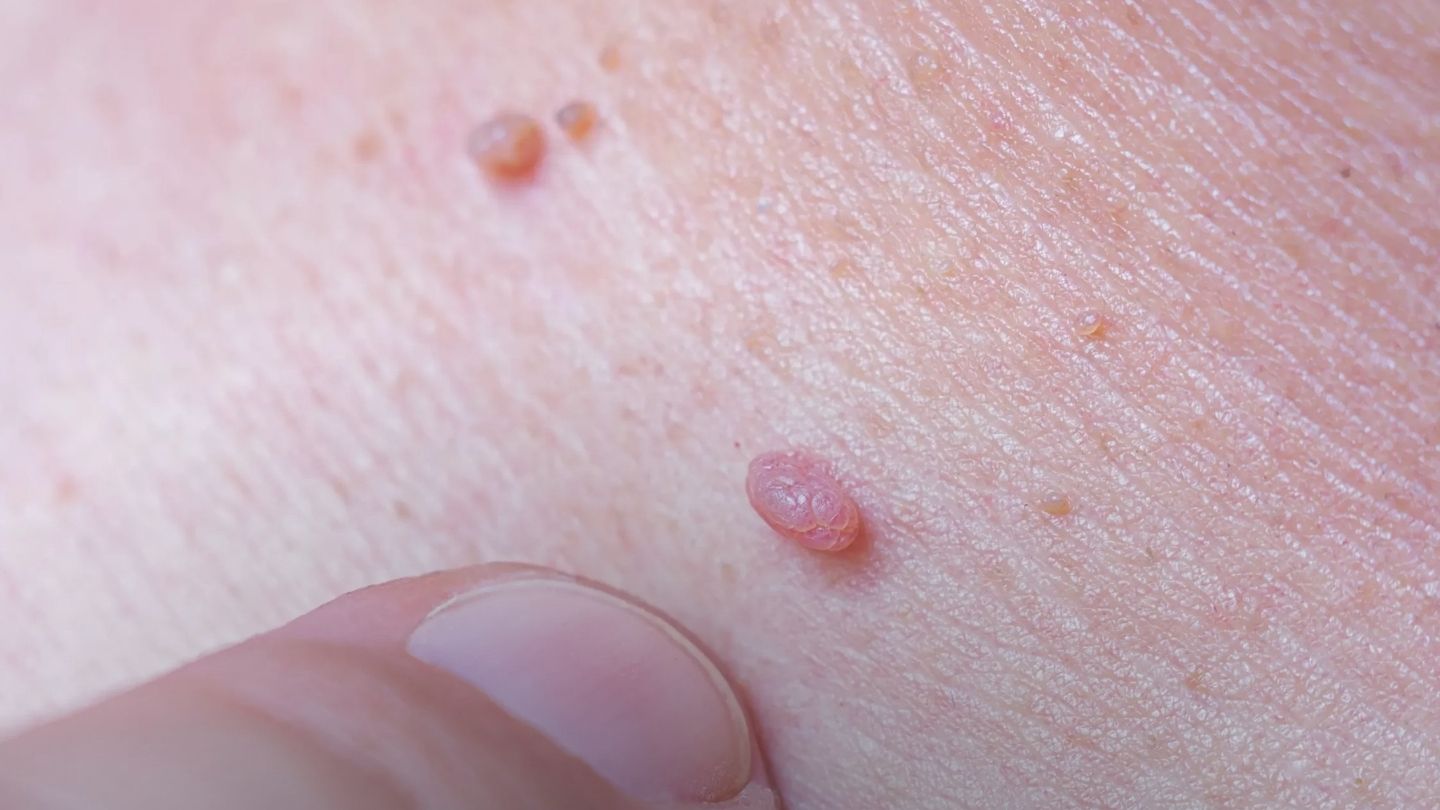
You can carry the human papillomavirus (HPV) for years, feel perfectly healthy, and pass it on without ever knowing. That is what makes HPV different from most infections young Nigerians worry about, and it is why the virus deserves far more attention than it gets.
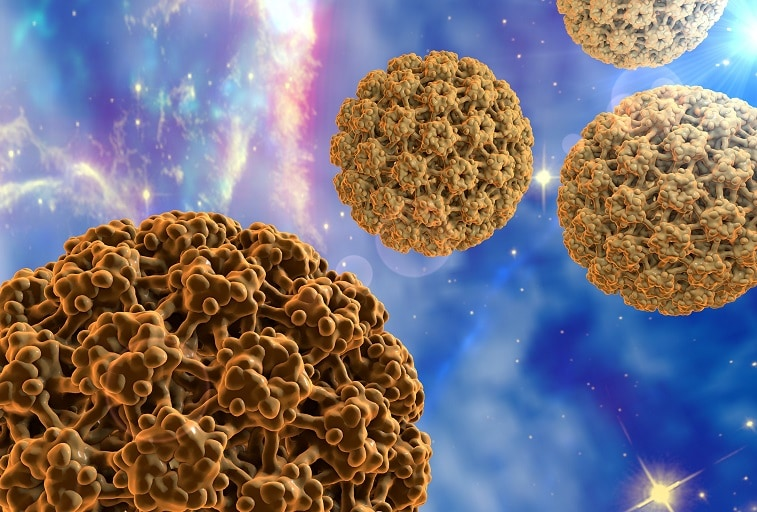
What Is HPV?
HPV is a group of more than 200 related viruses. About 40 of them spread through sexual contact and can infect the genitals, anus, mouth, and throat.
It is the most common sexually transmitted infection in the world, and most sexually active people will contract it at some point in their lives.
Many types are harmless. Others cause genital warts. A smaller group, called high-risk HPV, can lead to cancer, especially cervical cancer. Types 16 and 18 cause most cervical cancer cases worldwide.
How Is HPV Transmitted?
HPV spreads through skin-to-skin contact during vaginal, anal, or oral sex. Penetration is not required, and you do not need many partners to be exposed. One partner is enough.
This is also why condoms reduce the risk but do not completely remove it. The virus can live on skin that a condom does not cover.
HPV Symptoms: Why Most People Never Notice Them
Most HPV infections cause no symptoms at all. In about nine in ten cases, the immune system clears the virus within two years, often without the person ever knowing they were infected.
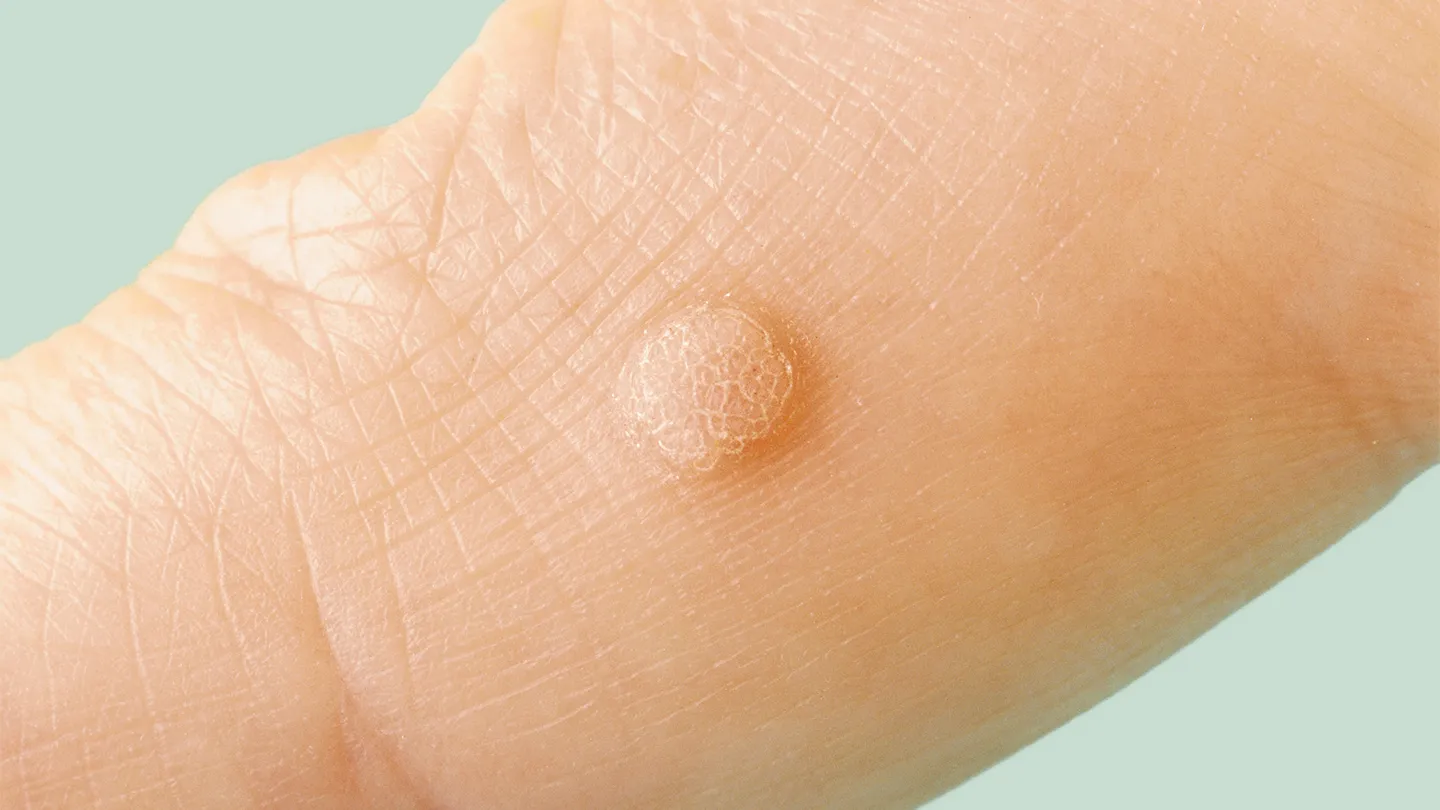
When symptoms do appear, they can include genital warts, which are small, flesh-coloured bumps or clusters around the genitals or anus. It can also appear as common warts on the hands or plantar warts on the feet.
It can come in form of unusual bleeding or discharge in women, which often shows up only after cervical changes have advanced
The dangerous part is that high-risk HPV types usually give no warning signs until cancerhas already developed.
Can HPV Stay Hidden for 15 to 20 Years?
HPV can stay hidden for 15 to 20 years. When the immune system fails to clear a high-risk infection, the virus can persist silently and slowly change the cells of the cervix.
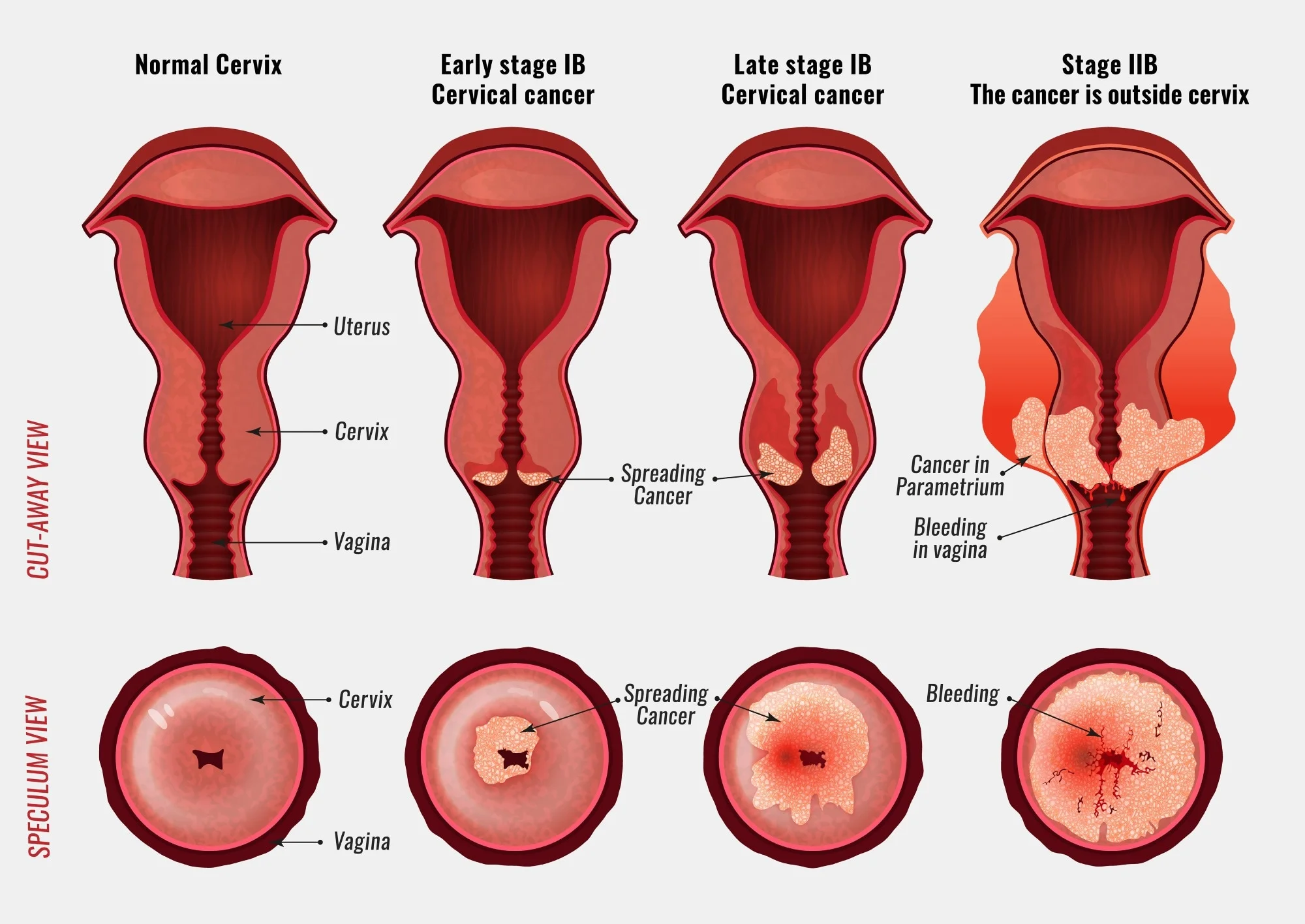
Cervical cancer typically takes 15 to 20 years to develop in women with healthy immune systems, and as little as 5 to 10 years in women with weakened immunity, such as those living with HIV.
Genital warts can also appear months or years after exposure. This means a positive result does not tell you when you were infected or by whom, so it is not automatic proof that a current partner cheated.
HPV in Nigeria: Why Young People Should Pay Attention

Cervical cancer is one of the most common cancersaffecting Nigerian women, and many are diagnosed late. Most of those women were exposed to HPV as teenagers or young adults, long before any symptoms showed.
The problem is worsened by low screening rates, limited awareness and silence around sexual health.
HPV is not only a women's issue. It can cause anal, penile and throat cancers in men too. There is no routine HPV test for men, so many carry and pass on the virus without any idea.
HPV Vaccine in Nigeria: What You Need to Know
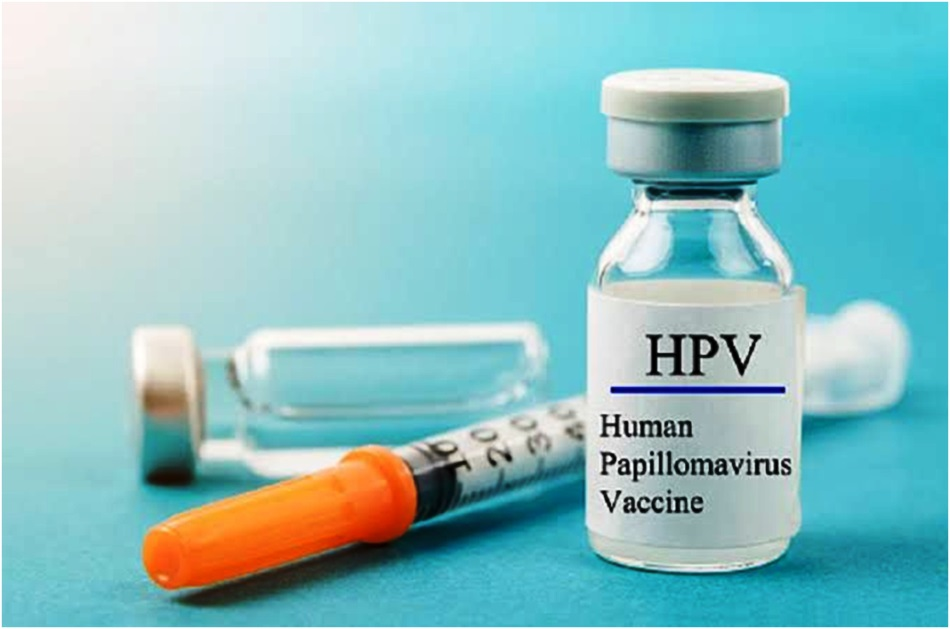
The HPV vaccine is the most effective way to prevent infection and the cancers linked to it. Nigeria added it to the routine immunisation schedule in October 2023, offering it free to girls aged 9 to 14.
It works best when given before any sexual activity, which is why that age group is the target.
Older teens and young adults, including men, can still benefit. Private hospitals and clinics offer the vaccine, though the number of doses and cost vary.
The vaccine cannot treat an existing infection, but it protects against types you have not yet encountered.
A common fear is that the vaccine causes infertility. There is no evidence to back that, and major global health bodies consider it safe.
HPV Screening: Get Tested Even When You Feel Fine
Women can be checked for HPV and early cell changes through a Pap smear or an HPV DNA test. Guidelines generally recommend starting between ages 25 and 30.
Precancerous changes found early are treatable, which is the whole point of screening. Some government hospitals and outreach programmes offer low-cost or free cervical screening.
How to Protect Yourself From HPV
To protect yourself from HPV, get vaccinated if you are eligible, and ask about it if you are not sure.
Use condoms consistently to lower your risk, and book regular cervical screening.
Speak openly with partners and healthcare providers about sexual health, and do not ignore warts or unusual symptoms, even if they seem minor.
Conclusion
HPV is common, often silent and largely preventable. Silence around it is what keeps young Nigerians exposed.
Learn the facts, ask about the vaccine, get screened, and talk about it. Nobody should learn about HPV only after a diagnosis.