Fintech Faces Wall! Nigerian Startup Blocked from Massive $7B Airtel Money IPO
Airtel Money is proceeding with its London Stock Exchange IPO, valuing the company at $7 billion, but its Nigerian fintech arm, SmartCash, is excluded due to a Central Bank of Nigeria directive. This separation highlights the unique regulatory challenges and intense competition faced by telecom-led fintechs in Nigeria, despite the country's vast mobile money market. The IPO underscores a broader trend of African telecom companies separating their mobile money operations.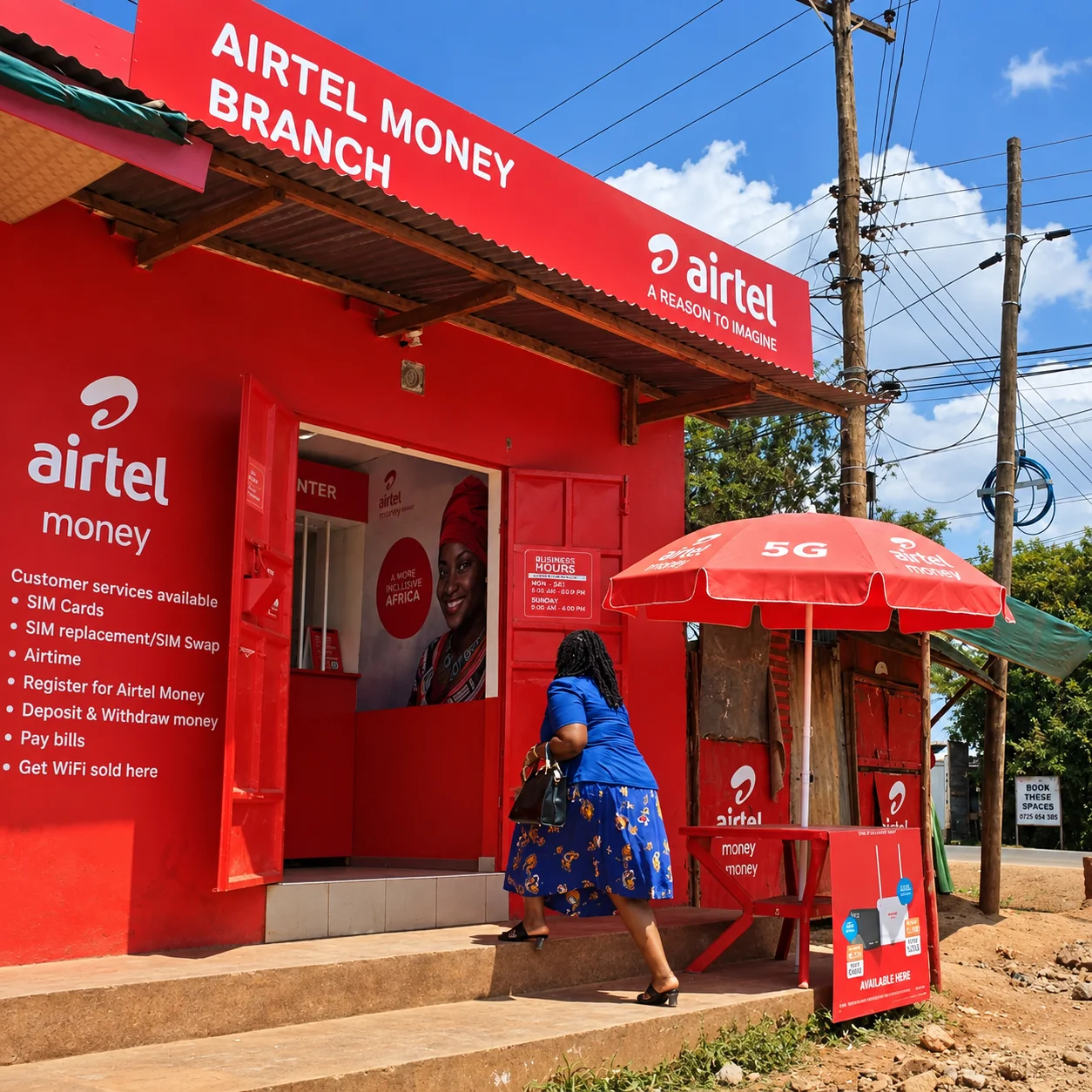
Airtel Money is set to list on the London Stock Exchange on October 14, valuing the company at an estimated £5.3 billion ($7 billion) with shares priced at £1.96 ($2.59) each. However, its Nigerian fintech business, SmartCash, will not be part of this initial public offering. This exclusion stems from a directive issued by the Central Bank of Nigeria (CBN), which mandated Airtel Money to transfer its 25% stake in SmartCash back to Airtel Networks Limited, its Nigerian telecom subsidiary. This transaction was completed for $3 million. Airtel Money operates as a pan-African fintech platform, spanning 13 African countries and serving approximately 53 million monthly active users as of June 30, 2026.
The separation of SmartCash from Airtel Money's IPO reflects a growing trend among African telecom companies to decouple their fintech ventures from core telecom operations. This approach acknowledges that mobile money services often necessitate distinct capital structures and growth strategies. While Nigeria stands as Airtel Africa’s second-largest telecom region by subscriber count, its mobile money operations contribute a relatively small fraction to Airtel Money's overall performance. As of June 2026, the Nigerian business accounted for only 1.24% of Airtel mobile money’s $404 million quarterly revenue and 6.02% of its customer base. This minimal contribution to the group being taken public is notable, especially considering Nigeria's substantial mobile money market, which processed ₦20.71 trillion ($13.49 billion) in the first quarter of 2025.
A significant impediment for telecom-led fintechs in Nigeria is the regulatory environment. The Central Bank of Nigeria's Payment Service Bank (PSB) licence restrictions, introduced in 2018, specifically limit lending activities. This restriction removes one of the most lucrative revenue streams for fintech companies, making it challenging for players like SmartCash to convert their extensive subscriber bases into dominant financial services platforms. The Nigerian fintech landscape is also intensely competitive, with agile competitors such as OPay and PalmPay gaining significant traction. These competitors often offer a broader array of services, including credit and merchant solutions, and have successfully built extensive distribution networks.
The struggles of telecom-led fintechs in Nigeria are evident when comparing their performance to independent players. Despite MTN and Airtel collectively holding 86.02% of Nigeria's telecom market with 167.62 million subscribers, their combined mobile money businesses (SmartCash and MTN's MoMo PSB) have yet to reach 10 million users. In stark contrast, OPay reported 39.3 million monthly active users in 2025 and a gross transaction value of $358 billion. MTN Nigeria's CEO, Karl Toriola, acknowledged in 2025 that initial expectations for MoMo PSB were revised due to intense competition and licence limitations, highlighting the need for additional licence capabilities to effectively evolve in the market.
Despite its current exclusion from the IPO, Airtel Money is exploring options to re-integrate SmartCash Nigeria back within the group's perimeter, aligning it with other operations. However, there is no assurance regarding the timing or outcome of such efforts, as future re-integration remains subject to regulatory approvals. Currently, Airtel Money provides limited guidance and support to SmartCash Nigeria, offering technical expertise and management services which are not considered material to the group’s present operations. SmartCash, for its part, is actively pursuing growth strategies, including a zero-fee banking model and offering a 15% annual interest rate on savings deposits. It has also integrated with multiple banks to facilitate wallet transfers and interbank transactions, aiming to capture a larger share of the transfer market amidst Nigeria's highly competitive and regulated fintech landscape.