A Man Is Paddling an Inflatable Canoe Into One of the Least Explored Forests on Earth. Here Is Why the Internet Is Worried
A TikTok creator is paddling into the Congo Basin, one of Earth's least explored forests. Here’s why the journey has sparked concern online.
A TikTok creator says he is already in the Congo Basin, and his plan is to explore it in an inflatable kayak (canoe). The comment sections have been blunt and echoed in different sentence structures about how it is a bad idea.
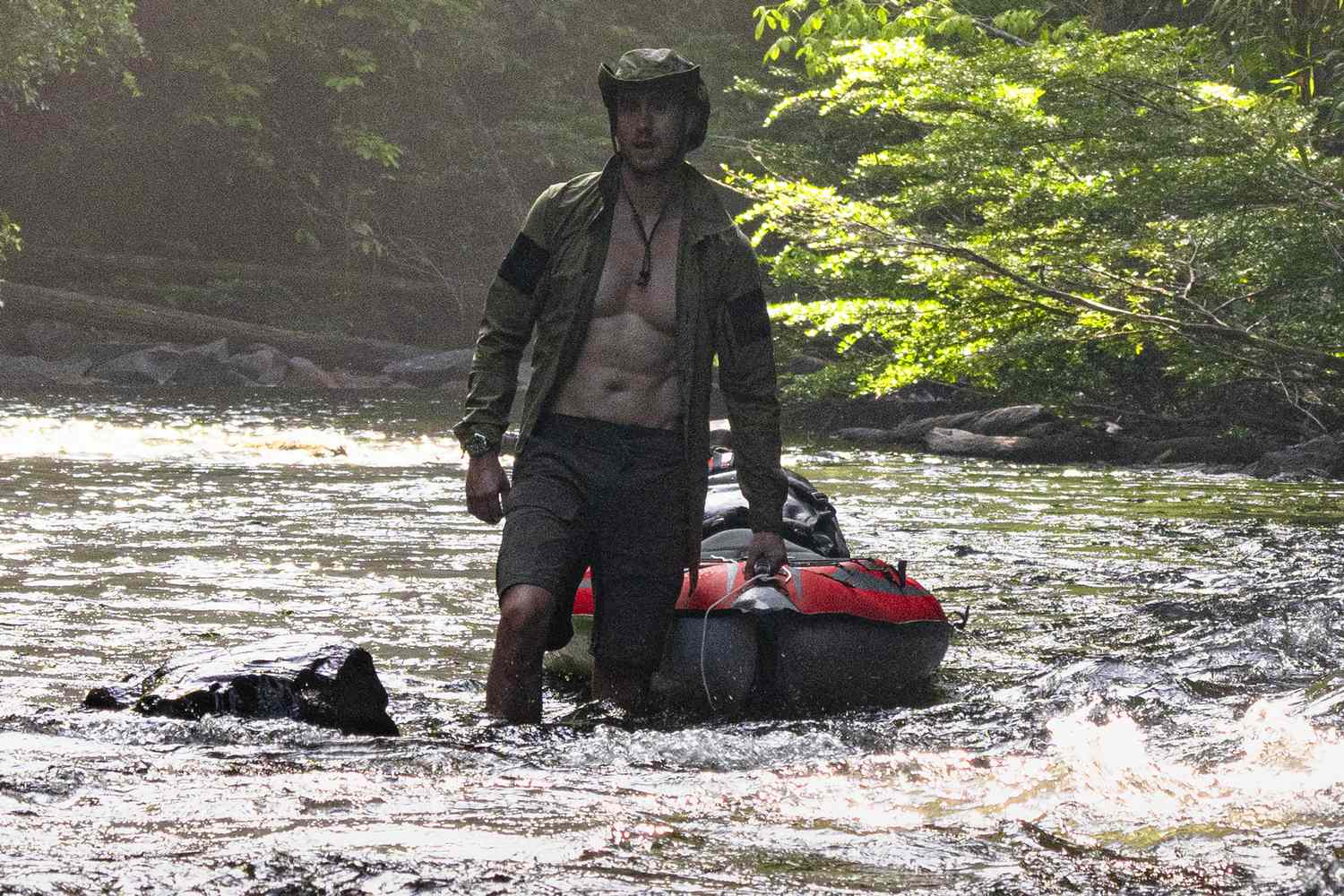
The warning that keeps coming up is that the Congo Basin has never been fully explored, and that is exactly what makes his trip so gripping to watch.
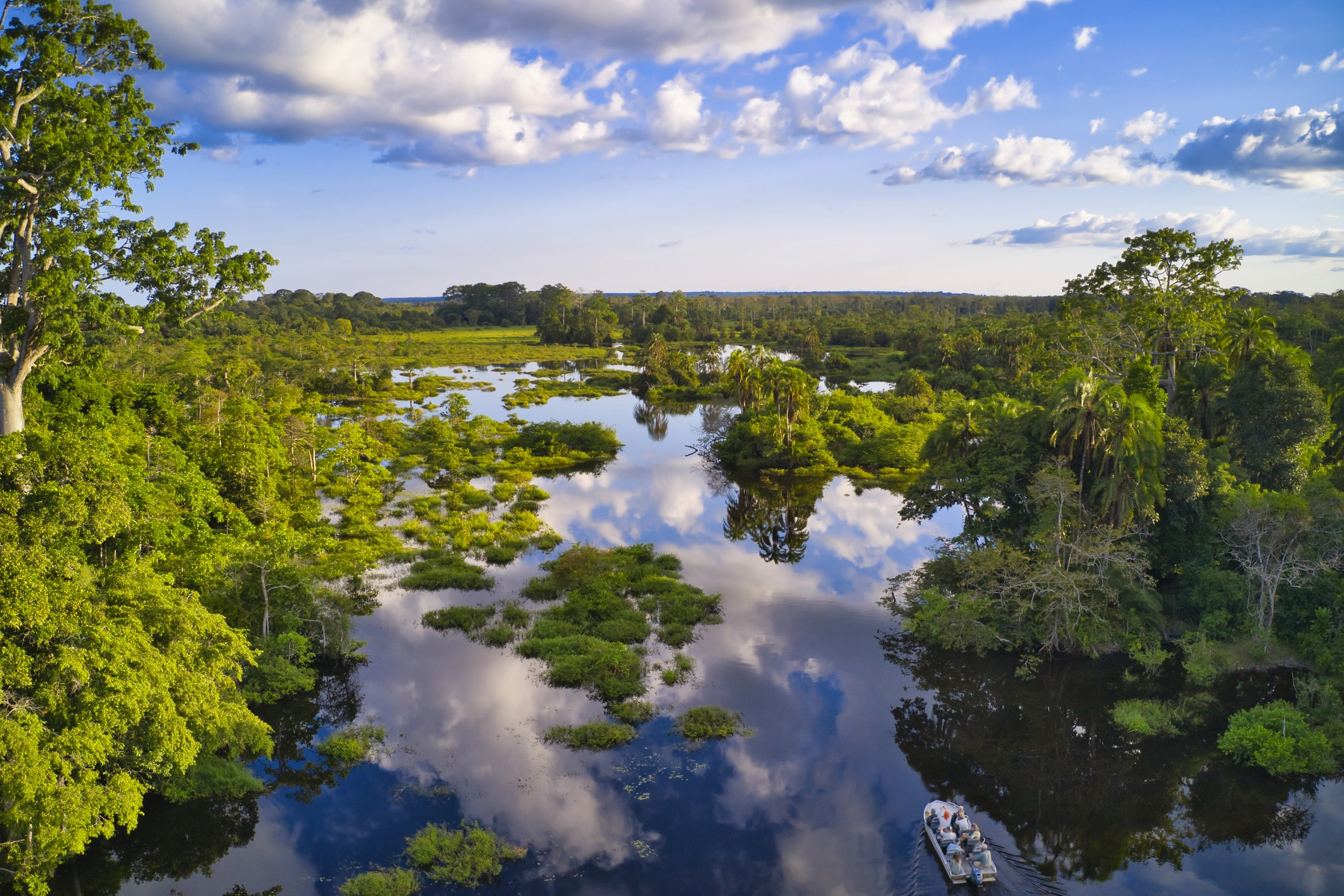
What Is the Congo Basin?
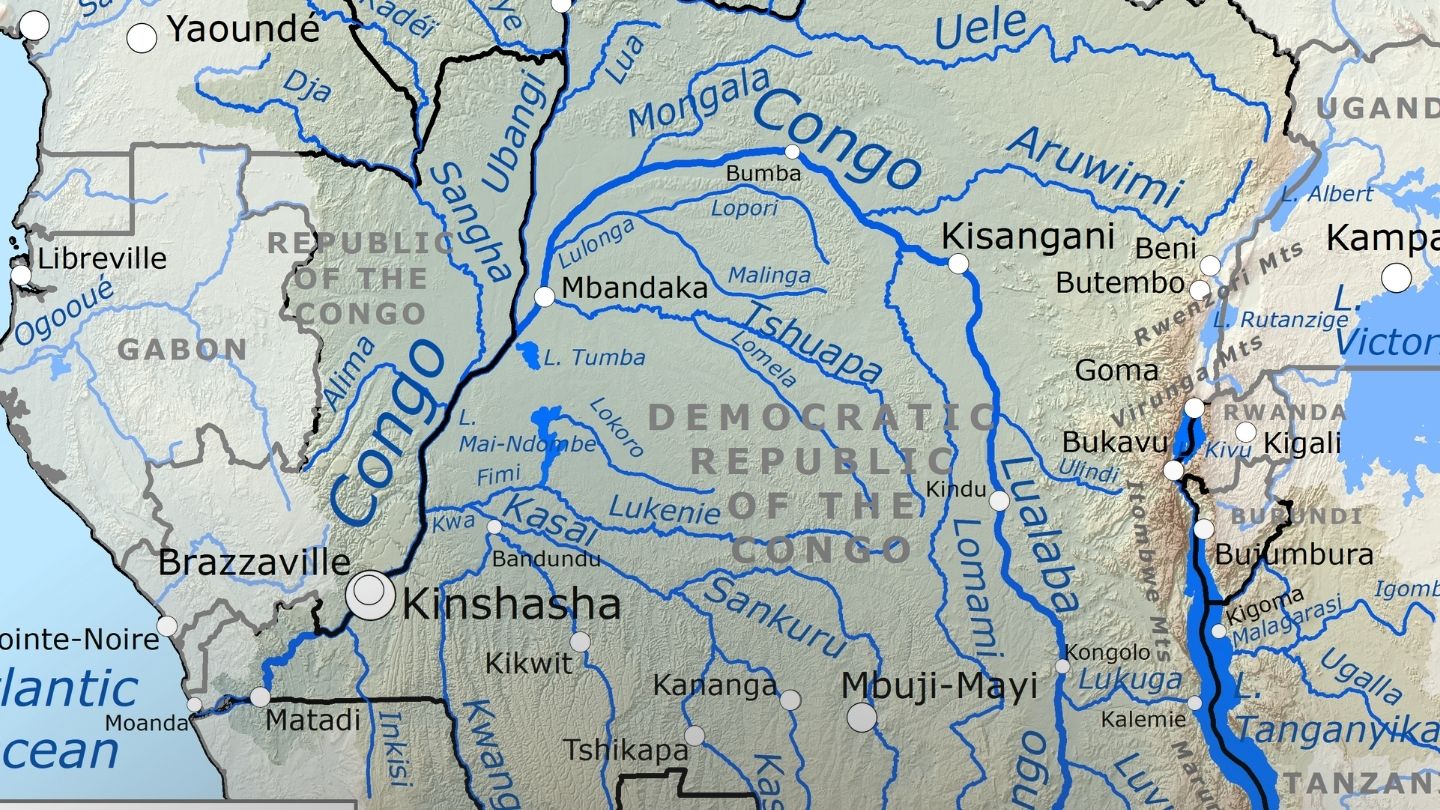
The Congo Basin is the drainage area of the Congo River in Central Africa. It holds the second largest tropical rainforest in the world after the Amazon.
The forest covers roughly 3.7 million square kilometres across six countries which include: the Democratic Republic of Congo, the Republic of Congo, Gabon, Cameroon, the Central African Republic and Equatorial Guinea. The Democratic Republic of Congo holds the biggest share.
The Congo River itself is no less scarier. It is the deepest river in the world, with sections plunging beyond 220 metres, and it is the second longest river in Africa.
By volume of water discharged, only the Amazon moves more.
Why the Congo Basin Matters
The Congo Basin is often called the lungs of Africa. Its trees and peatlands pull enormous amounts of carbon out of the atmosphere every year. This act makes the region a key buffer against climate change.
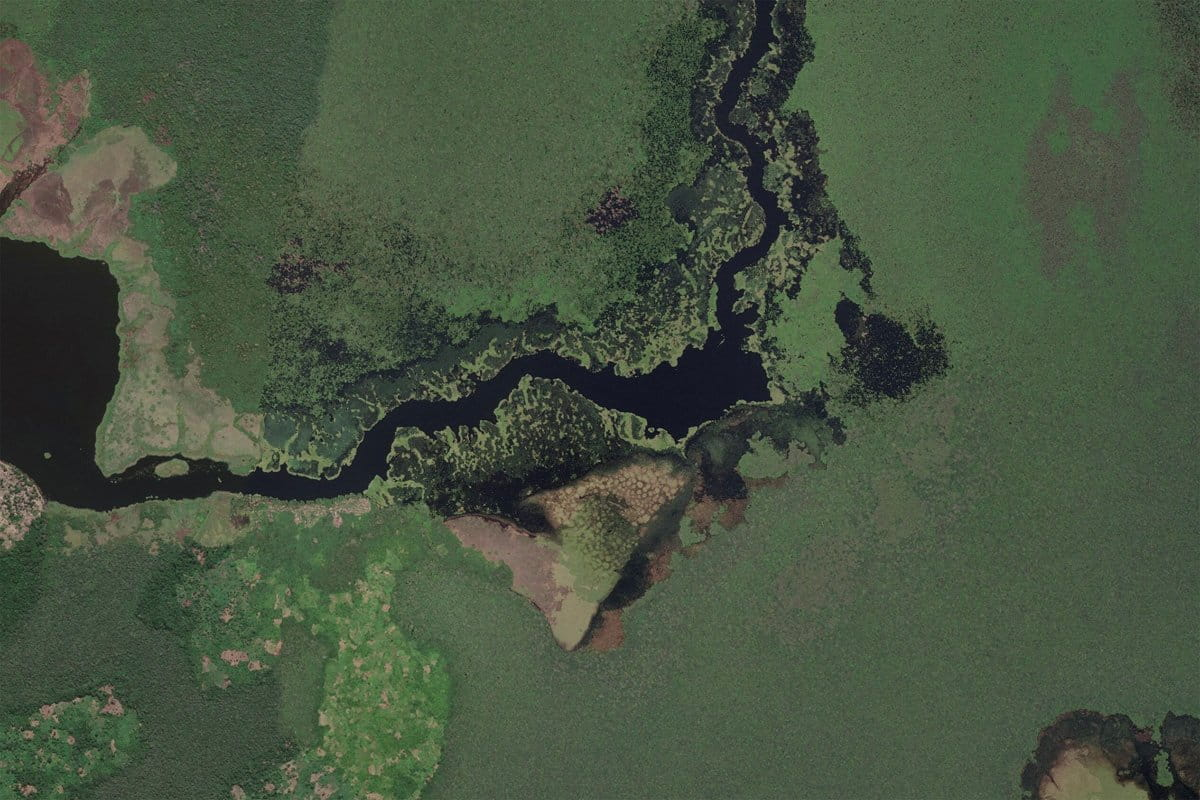
The Cuvette Centrale peatlands alone are thought to hold billions of tonnes of stored carbon.
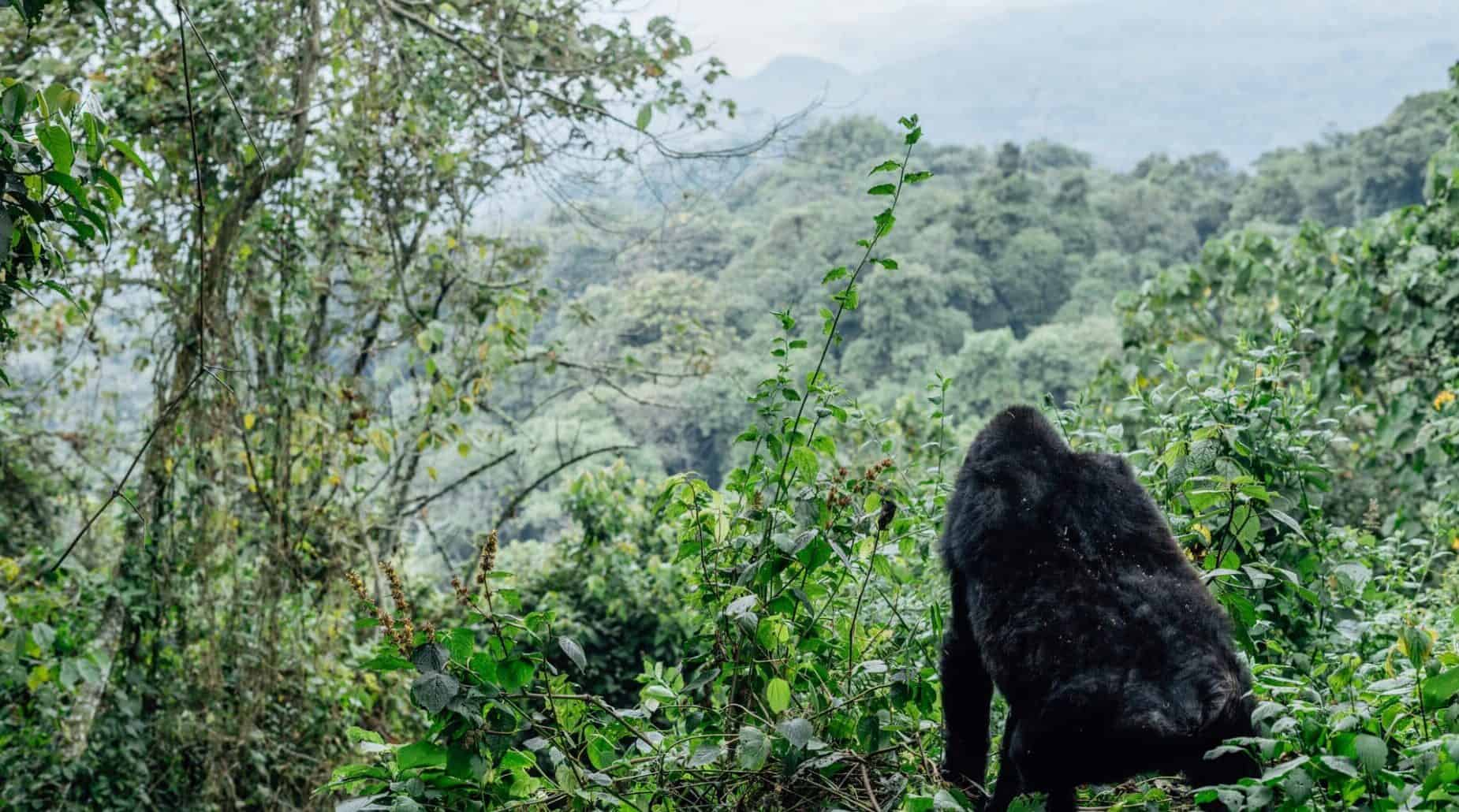
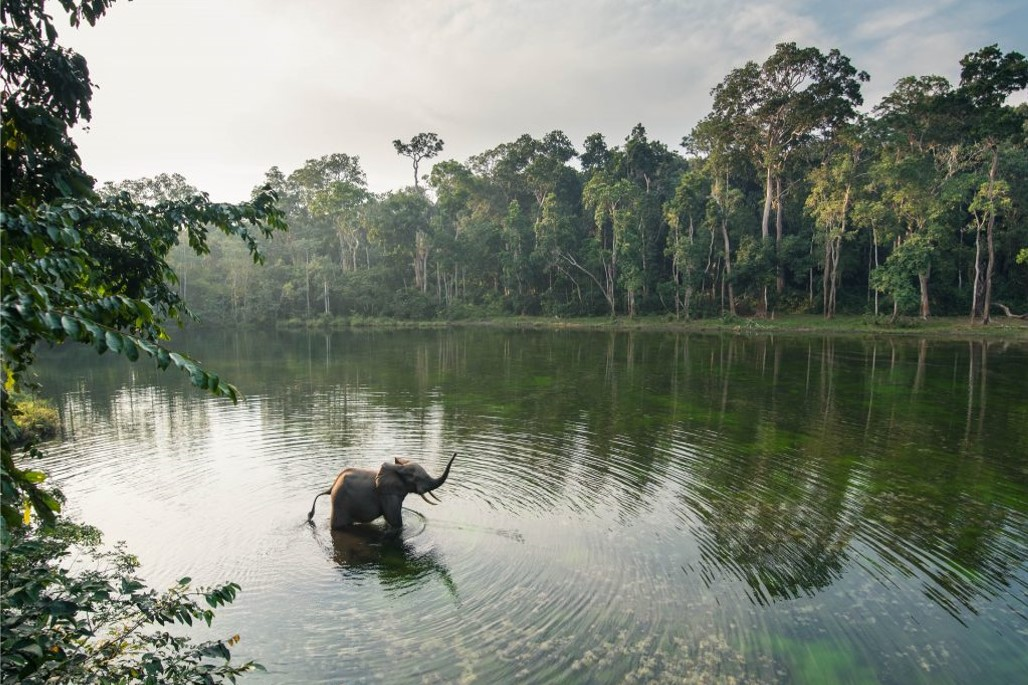
The forest is also a biodiversity hotspot. It is home to forest elephants, western lowland gorillas, chimpanzees, bonobos, the elusive okapi and thousands of plant species found nowhere else.
Millions of people live in and around it, including Indigenous communities such as the Baka, Mbuti and Batwa, who have lived in the forest for generations.
Has the Congo Basin Been Explored?
Europeans began mapping the Congo River in the 1800s, and the river has been used for trade and transport for centuries by the people who live along it.
Satellites now image every corner of the forest, and scientists run long-term research stations in places like Salonga National Park, the Ndoki forest and Odzala-Kokoua.
What remains unexplored is the detail. Huge stretches of dense forest, flooded swamp and remote tributaries have never been surveyed on the ground by scientists.
New species are still being recorded, and the full picture of the basin's wildlife, geography and peatlands is still being pieced together.
The peatlands in the Cuvette Centrale were only mapped in 2017, which shows how much was missing until recently.

So the Congo Basin is only known from above and from its riverbanks, but much of its interior is still poorly understood.
Why Netizens Think Paddling Through the Congo Basin Is a Bad Idea
The criticism of the creator rests on real dangers that come with travelling the Congo River system.
It has rapids and unpredictable water. Parts of the Congo River are punishing. The lower river has powerful rapids and falls, including the Inga rapids, with some of the most violent water on the continent.
An inflatable kayak has little protection against strong currents, submerged logs and sudden changes in water level.
There is the concern of dangerous wildlife. Hippos kill more people in Africa than most other large animals, and they are common in river systems across Central Africa. Crocodiles add to the risk.
There is also the issue of disease and medical isolation. Malaria is widespread, and the region has also seen outbreaks of Ebola and other serious illnesses. Help can be days away, and emergency evacuation from deep forest is extremely difficult.
Also, some areas of the Democratic Republic of Congo are affected by armed groups and long-running conflict. A foreign content creator travelling alone, with expensive equipment, could become a target or stumble into unsafe territory.
Lastly, moving through protected areas and community lands usually requires permission, guides and local partnerships. Many commenters argue that going without proper planning is both risky and disrespectful to the people who live there.
Adventure Content vs Real Exploration
Part of the debate is about what this trip actually is. Supporters say he is showing the world a side of Africa that rarely gets attention. Critics say the trip risks turning a complex region into a survival stunt, with the language of "unexplored" erasing the millions of people who call the basin home.
Both sides agree on one point: the Congo Basin does not forgive carelessness. Whether this journey ends as inspiring documentary content or a cautionary tale will depend on preparation, local support and plenty of luck.
Conclusion
The Congo Basin is one of the most important ecosystems on the planet and one of the hardest to travel through. The creator's journey has pulled it into the spotlight, and the conversation around it is a reminder of how little most people know about this part of Africa.
Whatever happens next, the forest is not going anywhere, and neither is the curiosity it inspires.