The Return of Lassa Fever in 2026: A Growing Public Health Concern
The return of Lassa fever in 2026 is a warning—poor sanitation, weak healthcare, and low awareness are fueling its spread, and without urgent action, it will keep threatening lives and communities.
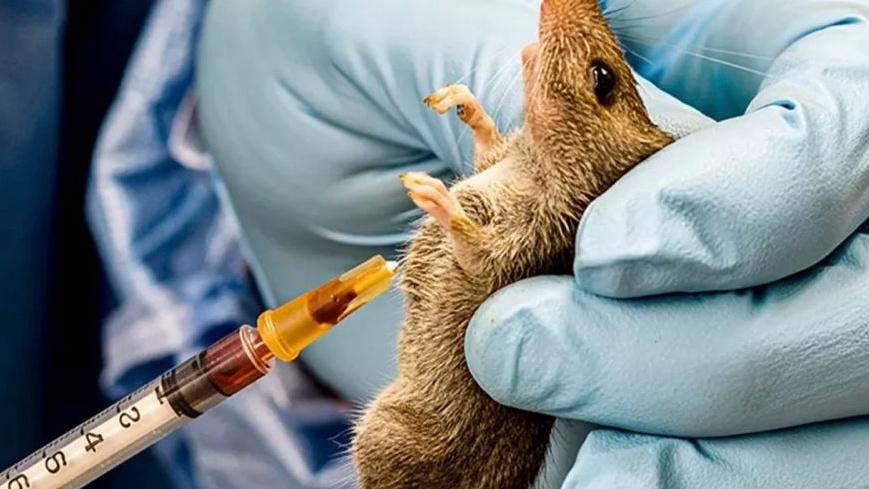
In 2026, the resurgence of Lassa fever has once again drawn widespread attention across Nigeria and parts of West Africa, revealing deeper structural challenges beyond the outbreak itself.
What used to be a seasonal and somewhat controlled disease is now spreading more widely and lasting longer. This shows that earlier efforts to control it are not enough anymore.
One major problem is weak healthcare systems., because many hospitals do not have enough equipment, testing tools, or trained staff.
Because Lassa fever symptoms look like malaria at first, it is often misdiagnosed, and this delay can make the illness worse and allow it to spread to others, including healthcare workers.
Poor living conditions also contribute to the outbreak, as the disease spreads mainly through rats that live in dirty environments or where food is not stored properly.
In many communities, especially crowded or low-income areas, people are more exposed to these risks.
Changes in weather and flooding may also increase contact between humans and rodents.
Another issue is low public awareness. Many people do not fully understand how Lassa fever spreads or how to prevent it.
Simple actions like keeping homes clean, covering food, and avoiding contact with rats are not always practiced.
The effects go beyond health, because families may lose income due to illness, and fear of the disease can disrupt schools, markets, and daily activities.
In general, the return of Lassa fever shows the need for better healthcare, improved sanitation, and more public education.
Without long-term solutions, the disease may continue to come back.
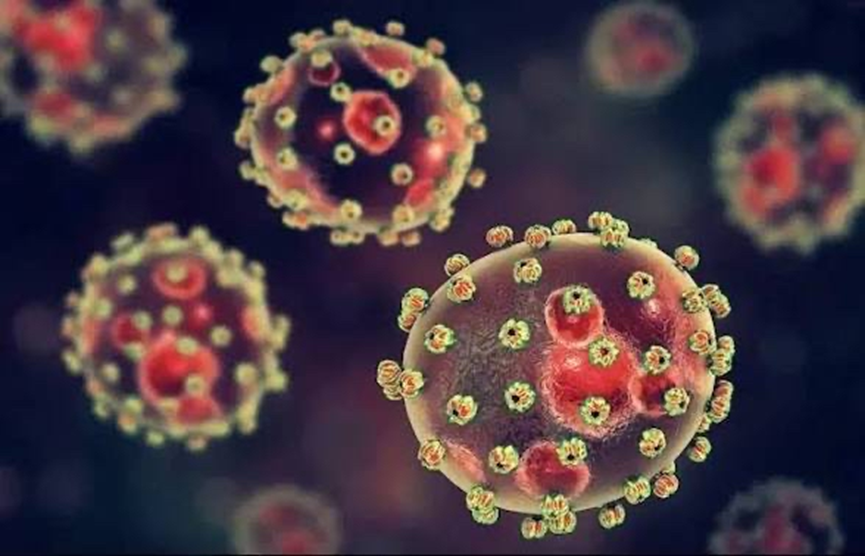
Causes Behind the Resurgence
The renewed spread of Lassa fever in 2026 is not due to a single cause but a combination of environmental, social, and system-related factors that make outbreaks more likely and harder to control.
One major factor is poor sanitation. In many communities, waste is not properly disposed of, and open dumping is common.
This creates an ideal environment for rodents, the main carriers of the virus, to breed and live close to humans.
When food is left uncovered or stored in unsafe places, it becomes easily contaminated by these rodents, increasing the risk of infection.
Another important cause is the growing rodent population, because with the changes in weather patterns, such as increased rainfall or flooding, can destroy the natural habitats of these animals, forcing them to move into homes and urban areas.
At the same time, warmer temperatures can help them reproduce faster, leading to a higher number of infected rodents in human environments.

Rapid urbanization also plays a role. As cities expand quickly, especially in developing areas, many people end up living in overcrowded settlements with poor housing conditions.
These areas often lack proper drainage systems, waste management, and clean water because such conditions make it easier for the disease to spread because people are living closer to the sources of infection.
Climate change makes the spread of Lassa fever worse because the changes in weather and seasons can affect how people live and how rodents move.
For example, when people store more food at home, it can attract rats as flooding can also carry contaminated materials into homes and communities, increasing the risk of infection.
Weak disease monitoring systems also make it harder to control outbreaks early. In some cases, infections are not reported quickly because people are not aware, testing is limited, or communication is slow.
When cases are not detected early, the disease has more time to spread before action is taken.
Poverty and low awareness increase the risk of Lassa fever, as people lack clean environments and proper information. Overall, poor living conditions and weak health systems drive its spread.
Impact on Health and Society
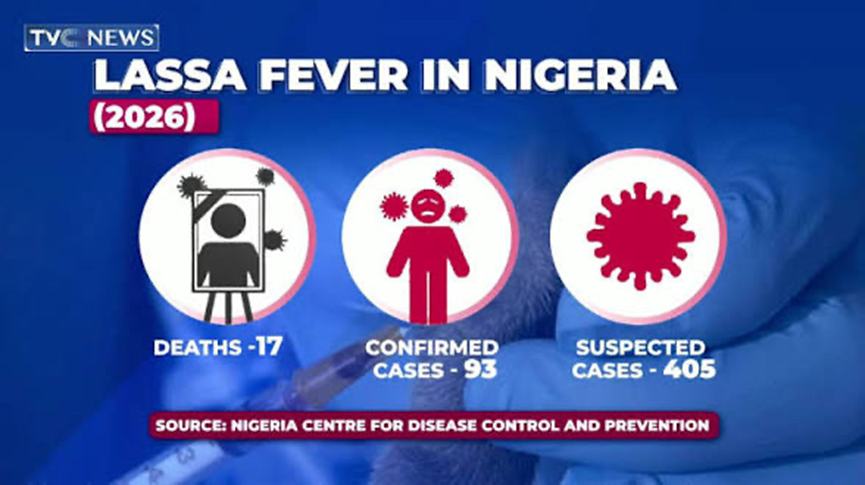
The 2026 Lassa fever outbreak in Nigeria has resurfaced with significant severity, characterized by a higher Case Fatality Rate (CFR) of over 24% as of April 2026, compared to previous years.
This seasonal, rodent-borne disease causes severe illness and death, with profound implications for individuals and the broader public health system.
Nigeria is experiencing a severe Lassa fever outbreak in 2026,with 109 deaths recorded in the first three months.
As of March, 469 confirmed cases and over 2,400 suspected cases were reported across 18 states, marking a higher fatality rate (23.2%) compared to last year.
The majority of cases are in Bauchi, Ondo, Taraba, Benue, and Edo states.
This has greatly affected the healthcare systems as well, because hospitals and clinics, especially in rural areas, often become overwhelmed during outbreaks.
Limited medical supplies, lack of isolation centers, and shortage of trained staff make it difficult to manage the situation effectively.
Healthcare workers are at high risk of infection, particularly when protective equipment is insufficient or when cases are not identified early.
This not only puts their lives in danger but also reduces the number of available workers to treat patients.
Beyond physical health, the social impact is significant, with the mindset of people for the fear of infection which can spread quickly within communities, leading to panic and stigma.
People may avoid hospitals or isolate affected individuals, sometimes unfairly, due to misunderstanding of the disease.
This fear can also disrupt normal activities, schools may close, markets may become less active, and travel may be reduced.
Economically, the burden is strong, this has led families to spend a lot on treatment or lose income if a breadwinner becomes sick.
Local businesses can suffer as fewer people go out to work or trade. At a larger scale, repeated outbreaks can slow down economic growth and force governments to spend more on emergency responses instead of long-term development.
Overall, the impact of Lassa fever goes far beyond illness. It affects health systems, social behavior, and economic stability, showing why strong prevention and response measures are essential.
Prevention and Control Measures
Preventing Lassa fever needs both government action and community effort.
Keeping the environment clean is very important, because proper waste disposal, covering food, and storing it safely can help stop rats from spreading the disease. Controlling rodents and improving housing can also reduce risk.
Education is key, but people need to understand how the disease spreads and practice good hygiene like washing hands and seeking medical help early.
Early testing and isolating infected people can stop the spread but hospitals also need better equipment and protection for healthcare workers.
Overall, prevention depends on cleanliness, awareness, and a stronger healthcare system.
Conclusion
The return of Lassa fever in 2026 is more than just another outbreak, it is a warning, and it shows that infectious diseases are still a serious threat that cannot be ignored.
Without strong awareness, better preparation, and joint efforts from both the government and the public, the cycle will continue.
If action is not taken now, Lassa fever will keep returning, putting lives at risk and slowing down national progress.