Zodiac Signs and Personality: Science, Belief, or Coincidence?
Zodiac signs are widely believed to reveal personality traits, but science says otherwise. While astrology has deep cultural roots and remains popular for self-reflection and entertainment, there is no proven link between the stars and who we are. So, are zodiac signs fact, belief, or just coincidence?
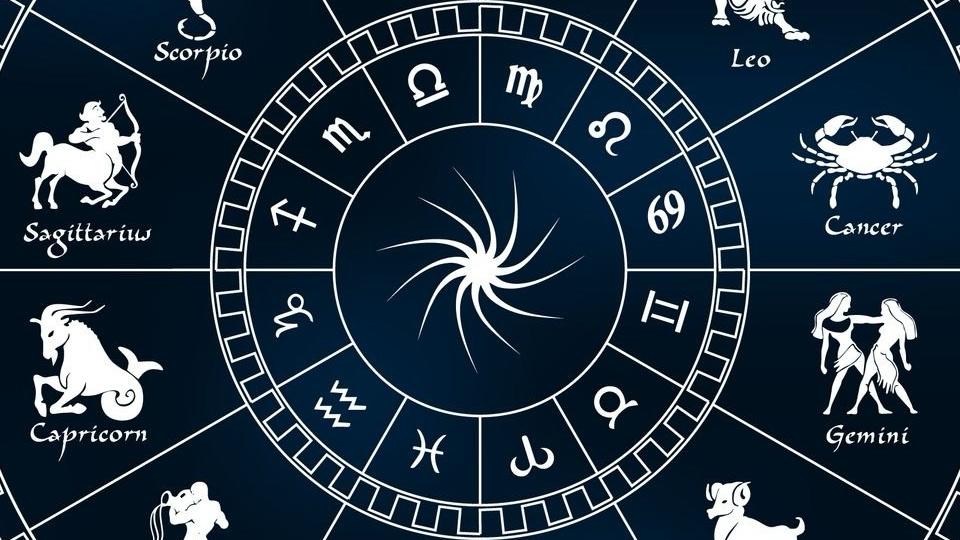
For centuries, people have looked to the stars for meaning, guidance, and a sense of identity, and from daily horoscopes to personality descriptions based on birth dates, zodiac signs remain a popular way many people try to understand themselves and others.
Some believe that the position of the stars and planets at birth can shape human behavior, while others say there is no scientific proof.
This leads to an important question: do zodiac signs really reflect our personalities, or are they just based on belief and coincidence?
Zodiac signs are appealing because they give simple explanations for complex human behavior, and they provide clear traits that people can easily relate to, making them feel understood.
For example, being called a “Leo” or a “Virgo” comes with certain characteristics that may seem accurate.
They are also popular because they help people connect, and many use astrology as a way to start conversations, understand relationships, and bond with others. It has become part of modern culture, especially among young people.
However, not everyone agrees with zodiac signs, because some people feel the descriptions fit them well, while others think they are too general.
Often, people focus on the traits that match them and ignore the rest.
In the end, zodiac signs may not be scientifically proven, but they continue to interest people, but this shows that humans naturally look for meaning and ways to understand themselves, whether through science, belief, or coincidence.

The Origins of Astrology and Zodiac Signs
Astrology dates back thousands of years, with roots in ancient civilizations such as Mesopotamia, where early astronomers carefully observed the movements of the stars and planets.
These early studies were not just for curiosity, they were believed to hold messages from the gods and were used to predict events like weather changes, harvest seasons, and even the fate of kings.
The Babylonians later built on this knowledge by organizing the sky into sections, creating one of the earliest versions of the zodiac system.
As time went on, astrology spread to Ancient Greece, where philosophers and scholars began to connect celestial patterns with human life.
Social Insight
Navigate the Rhythms of African Communities
Bold Conversations. Real Impact. True Narratives.
It was during this period that astrology started to shift from predicting events to interpreting personality traits.
Greek thinkers also helped name and structure the zodiac signs, many of which are still used today.
Their influence made astrology more systematic and widely accepted across different regions.
The twelve zodiac signs are based on constellations found along the sun’s path, known as the ecliptic.
Each sign represents a specific period of the year and is associated with certain symbols and traits, but however, in ancient times, astrology was not mainly about personality.

It was deeply connected to religion, farming, and decision-making, and leaders often relied on astrologers to guide important choices, and farmers used celestial patterns to plan planting and harvesting.
Over the centuries, astrology continued to evolve, spreading to other parts of the world and blending with different cultures.
Today, while it is mostly used for entertainment and self-reflection, its origins show that it was once a serious practice that played an important role in how people understood the world around them.

The Scientific Perspective on Zodiac and Personality
From a scientific standpoint, there is little evidence to support the idea that zodiac signs influence personality.
Fields like Psychology and Astronomy explain personality in very different ways, focusing on genetics, upbringing, environment, and life experiences rather than the position of stars at birth.
Modern research shows that personality develops over time through a combination of biological factors and social influences, not celestial alignment.
Scientists have carried out multiple studies comparing people’s zodiac signs with their personality traits, but the results have not shown any consistent or reliable patterns.
For example, people born under the same sign often have very different personalities, while those with different signs can share similar traits.
This lack of consistency makes it difficult to support astrology as a scientific explanation for human behavior.
Social Insight
Navigate the Rhythms of African Communities
Bold Conversations. Real Impact. True Narratives.
One key idea that helps explain why zodiac signs seem accurate is the Barnum Effect. This concept suggests that people tend to believe general statements apply specifically to them.
Zodiac descriptions are often broad, positive, and flexible, such as saying someone is “sometimes shy but also confident.” Because these traits can fit almost anyone, people feel personally connected to them.
Another important factor is confirmation bias, where individuals focus on information that supports their beliefs and ignore what does not.
For instance, if someone believes their zodiac sign describes them well, they are more likely to notice behaviors that match and overlook those that don’t.
This strengthens their belief, even without real evidence.
In addition, science relies on testing ideas through observation, experiments, and repeatable results.
Astrology does not meet these standards because its predictions are not consistently accurate or measurable, and this is why manyscientists consider astrology a pseudoscience rather than a proven field of study.
Overall, while zodiac signs may feel meaningful to many people, scientific research suggests that their connection to personality is more psychological than factual.
Belief, Culture, and Personal Meaning
Even though astrology has no strong scientific proof, it is still very popular today, and many people read zodiac signs for fun, comfort, or to better understand themselves.
It can help them feel more relaxed or guided, especially during confusing or difficult times.
In some cultures, astrology is taken more seriously, because it influences important decisions like choosing a partner, planning marriage, or thinking about career paths.
Because of this, astrology continues to be passed down and trusted in many families and communities.
Social media has also made zodiac signs more popular, because apps like Instagram, TikTok, and X share lots of zodiac posts, memes, and personality content that people enjoy and relate to easily.
For many people, zodiac signs are also a way to reflect on themselves, and even if they are not scientifically proven, they can help people think about their behavior, strengths, and weaknesses.
Social Insight
Navigate the Rhythms of African Communities
Bold Conversations. Real Impact. True Narratives.
In the end, astrology remains popular because it helps people feel connected, understood, and entertained, even if it is not based on science.
Conclusion
Zodiac signs remain a fascinating mix of science, belief, and coincidence that continues to spark debate around the world.
Although research has not proven any real link between zodiac signs and personality, their influence in culture and everyday life is still very strong.
People continue to read horoscopes, share zodiac traits, and find meaning in them, whether for fun or personal reflection.
In the end, astrology may not define who we are, but it does reflect something deeper about human nature, our desire to understand ourselves and find meaning in life.
Whether you believe in it or not, zodiac signs continue to capture attention, spark curiosity, and keep people thinking about who they are and why they are that way.