The History of Lagos as a Commercial Center
From a small coastal settlement known as Eko to a global economic powerhouse, Lagos has grown through centuries of trade, colonial development, and modern innovation. Its strategic location, busy ports, and thriving markets have made it Nigeria’s commercial heartbeat and one of Africa’s most important business cities.
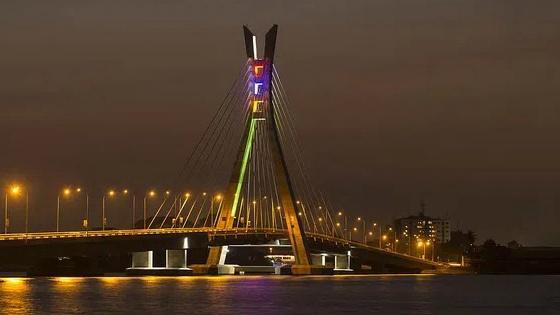
Lagos is known today as Nigeria’s economic center, but it started growing as a trading hub many years ago.
Its location by the Atlantic Ocean made it easy for people to travel, trade, and connect with others from different regions.
In the early days, Lagos was a small settlement where local people traded goods like fish and farm produce.
Over time, foreign traders began to arrive by sea, bringing new goods and ideas.
This helped Lagos grow into a busy port where both local and international trade took place.
As history moved forward, Lagos continued to change and improve, but it did not lose its importance but instead became stronger.
Traditional markets existed alongside modern businesses like banks, companies, and ports, making the economy more diverse.
The city also grew in population as people moved there for better opportunities. This increased business activities because more people meant more buying, selling, and job creation.
Today, Lagos is a major commercial center because of its good location, long history of trade, and ability to grow and adapt over time.
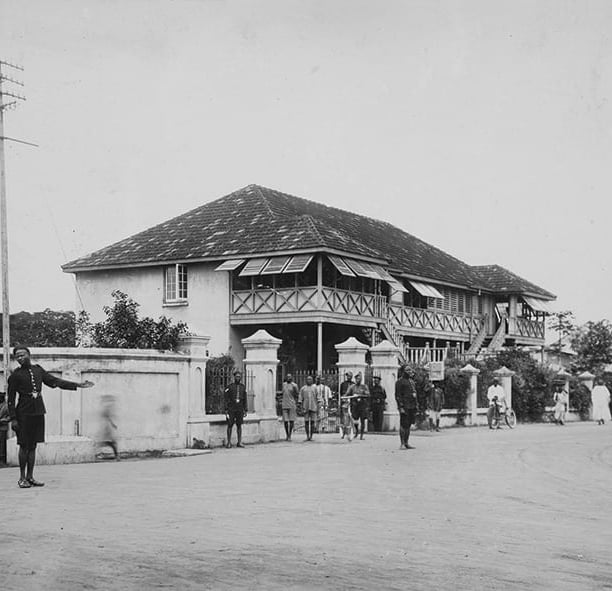
Early Trade and Pre-Colonial Economy
Before colonial rule, Lagos, then known as Eko,was already a lively and organized trading settlement.
It was mainly inhabited by the Yoruba people and ruled by traditional leaders known as Obas, who controlled trade activities and maintained order.
The Oba and his chiefs also collected taxes and ensured that markets operated smoothly, showing that Lagos already had a structured economic system.
Its location along the lagoon and close to the Atlantic Ocean made it easy for traders from inland areas and coastal regions to meet and exchange goods.
History
Rewind the Stories that Made Africa, Africa
A Journey Through Time, Narrated with Insight.
Canoes were commonly used to transport items across waterways, linking Lagos to other parts of West Africa.
This made Eko an important middle point between inland producers and coastal traders.
Trade during this period included everyday goods such as fish, salt, pepper, palm oil, and agricultural produce, with crafts like pottery, weaving, and metalwork were also exchanged. Markets were not just places for buying and selling, they were also centers of social interaction, where people shared news, culture, and ideas.
As time went on, Lagos became involved in the Transatlantic Slave Trade.
European traders, especially the Portuguese and later the British, arrived by sea to trade, and while this period was marked by human suffering, it increased Lagos’s exposure to international trade networks.

New goods such as textiles, alcohol, and firearms were introduced, changing local trade patterns.
This early contact with Europeans helped Lagos develop stronger trading connections beyond Africa.
Even after the slave trade declined, these connections made it easier for Lagos to shift into “legitimate trade” (trade in goods like palm oil and other resources).
Overall, the pre-colonial economy of Lagos built a strong foundation that later helped it grow into a major commercial center.
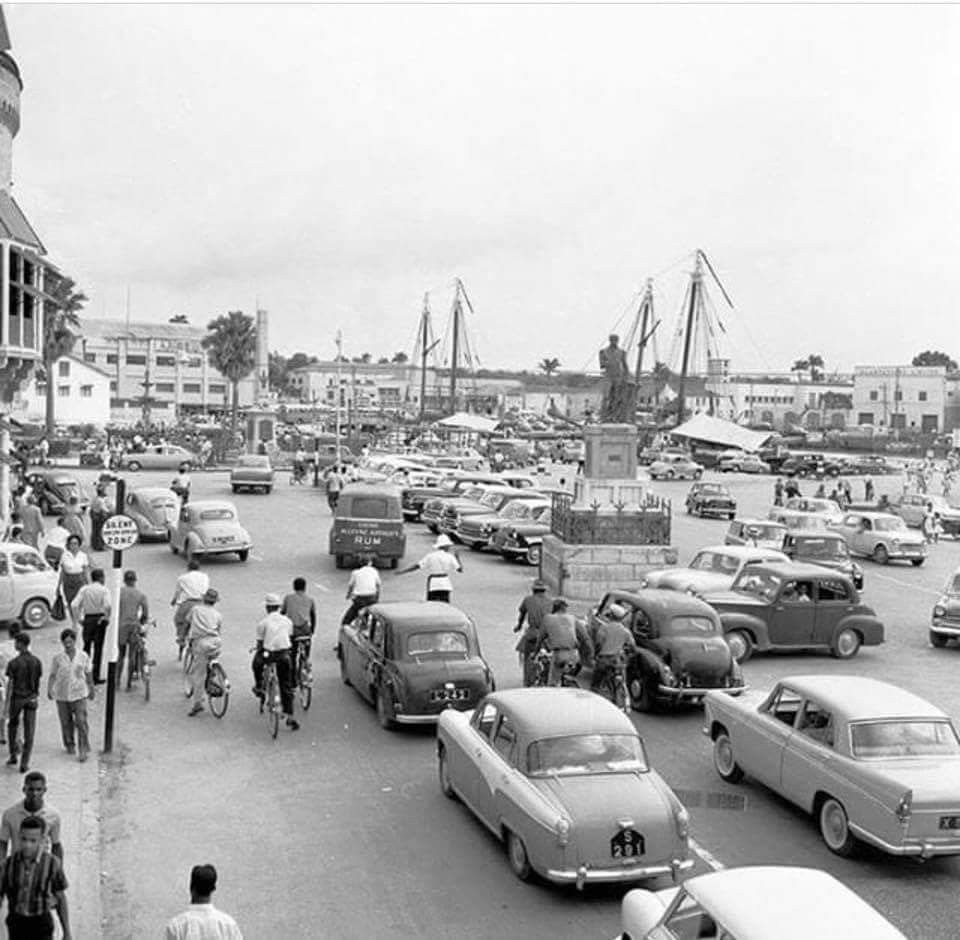
Colonial Influence and Economic Expansion
In 1861, Lagos was annexed by the British, marking a major turning point in its history. This event brought Lagos under colonial rule and significantly changed its political and economic systems.
The British were mainly interested in Lagos because of its coastal location, which made it ideal for trade and transportation.
During the colonial period, Lagos became a major export hub for cash crops produced in different parts of Nigeria.
Goods such as cocoa, palm oil, groundnuts, cotton, and rubber were collected from inland areas and transported to Lagos for shipment to Europe.
In return, imported goods like machinery, textiles, and household items entered Nigeria through the Lagos port.
History
Rewind the Stories that Made Africa, Africa
A Journey Through Time, Narrated with Insight.
This made the city a key link between Nigeria and the global economy.
The British also improved infrastructure to support trade. They built roads to connect rural farming areas to the city, railways to move goods faster, and expanded the seaports to handle more ships.
These developments made transportation and commerce much more efficient than before, as a result, Lagos grew rapidly as businesses and traders depended on its improved facilities.
In addition, Lagos became the administrative center of British colonial rule in Nigeria. Government offices, banks, and trading companies were established in the city.
This attracted more workers, merchants, and foreign businesses, further increasing economic activity. The presence of colonial institutions also introduced formal banking systems and modern business practices.
Over time, Lagos developed into the main gateway for imports and exports in West Africa. Its role in administration and trade strengthened its position as the most important commercial city in the region.
The colonial period, therefore, laid a strong foundation for the modern economic growth of Lagos.
Post-Independence Growth and Modern Commerce
After Nigeria became independent in 1960, Lagos continued to grow very fast.
It remained the capital city until 1991 and remained Nigeria’s main center for business and trade.
Many people moved to Lagos for work, and companies and banks also expanded there.
Factories were built to produce goods like food, textiles, and cement.
Banks and financial institutions grew, making Lagos the most important city for money and business in Nigeria.
Many foreign companies also opened offices in the city, helping to connect Lagos to the global economy.
Important places like Apapa Port became very busy with import and export activities, and with goods which entered and left Nigeria through Lagos, making trade faster and more active.
History
Rewind the Stories that Made Africa, Africa
A Journey Through Time, Narrated with Insight.
Roads and buildings also developed, although the city became more crowded as the population increased.
Different areas of Lagos became known for different types of business. Victoria Island and Ikeja became modern business centers, while markets like Balogun Market continued traditional trading.
Today, Lagos is also known for technology, entertainment, and new businesses. It is one of Africa’s biggest and most important commercial cities, combining both modern and traditional trade.
Conclusion
The transformation of Lagos into a commercial center is the result of its strategic location, historical trade connections, colonial development, and post-independence growth.
From a small fishing settlement to a bustling economic powerhouse, Lagos has consistently adapted and expanded its role in trade and commerce.
Today, it stands not only as Nigeria’s economic engine but also as a key player in Africa’s commercial landscape.