The Hidden Rise of Hypertension Among Young Adults and What’s Driving It
Hypertension is quietly rising among young adults, fueled by lifestyle choices, stress, and lack of awareness—making it a growing health threat that can no longer be ignored.
Hypertension, also known as high blood pressure, is a medical condition in which the force of blood pushing against the walls of the arteries is consistently too high.
Blood pressure is measured in using two numbers, which are:
Systolic pressure (the top number): the pressure when the heart beats and pumps blood.
Diastolic pressure (the bottom number): the pressure when the heart rests between beats.
A normal blood pressure reading is generally around 120/80 mmHg. Blood pressure that remains elevated over time may be diagnosed as hypertension.
For many years, hypertension, commonly known as high blood pressure, was considered a condition that primarily affected older adults.
Today, however, an increasing number of young people are being diagnosed with the condition.
Due to changing lifestyles, unhealthy diets, chronic stress, and reduced physical activity, hypertension is becoming a growing health concern among young adults.
What makes this trend particularly alarming is that hypertension often develops without noticeable symptoms, earning it the nickname "the silent killer."
However, if left untreated, it can increase the risk of serious health problems such as heart disease, stroke, kidney disease, heart failure and vision problems.
Understanding the causes, risks, and prevention methods is crucial in addressing this growing public health challenge.
Lifestyle Changes and Unhealthy Habits
One of the major factors contributing to the rise of hypertension among young adults is the significant shift in modern lifestyle habits.
Unlike previous generations, many young people today lead more sedentary lives, spending long hours sitting at work, school, or at home.
The widespread use of smartphones, computers, and streaming platforms has reduced physical activity, making it easier to spend an entire day indoors with little movement.
Regular exercise, which plays a crucial role in maintaining healthy blood pressure, is often neglected due to busy schedules or a lack of awareness about its importance.
Dietary habits have also changed dramatically, because fast food, instant meals, sugary beverages, and highly processed snacks have become a regular part of many young adults' diets.
These foods are often high in sodium (salt), unhealthy fats, and added sugars, all of which can contribute to increased blood pressure when consumed excessively.
High sodium intake, in particular, causes the body to retain more water, placing additional strain on the heart and blood vessels.

In addition, the growing preference for fast and ready-made meals has increased the consumption of foods high in salt, sugar, and unhealthy fats, which can negatively affect heart health.
Frequent intake of energy drinks and excessive caffeine to cope with work or academic pressures can also raise blood pressure and place extra strain on the cardiovascular system. .
Another concern is the rising rate of obesity among young adults, because of poor eating habits and a lack of physical activity which often lead to excessive weight gain, forcing the heart to work harder to pump blood throughout the body.
According to the World Health Organization (WHO), about 16% of adults worldwide were living with obesity in 2022, a condition that significantly increases the risk of hypertension, diabetes, and heart disease.
Without healthier lifestyle choices, more young people may develop high blood pressure earlier in life than previous generations.
The Impact of Stress and Mental Health
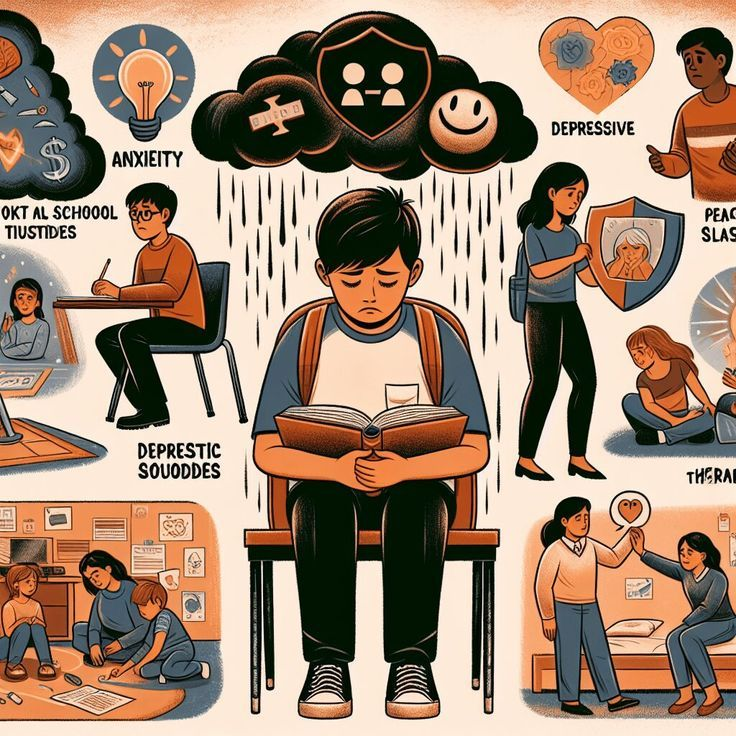
Modern life places significant pressure on young adults, and academic demands, career challenges, financial responsibilities, and social expectations can create high levels of stress.
While stress is a normal part of life, prolonged or chronic stress can have serious effects on both mental and physical health, including an increased risk of hypertension.
When a person is stressed, the body releases hormones like adrenaline and cortisol, which raise heart rate and blood pressure to help handle pressure.
However, when stress becomes constant, these levels remain high, putting extra strain on the heart and blood vessels. Over time, this increases the risk of developing hypertension.
Mental health conditions like anxiety and depression can contribute to high blood pressure and they often cause constant tension and emotional distress, which affect the heart.
Some people also cope through unhealthy habits like overeating, smoking, drinking alcohol, or inactivity, which further increase the risk of hypertension.
Poor sleep is another factor linked to high blood pressure, and many young adults sacrifice sleep because of work, studies, social activities, or excessive screen time.
Over time, insufficient sleep can disrupt the body's ability to regulate stress and blood pressure, increasing the risk of hypertension and other health problems.
Social media has also become a major source of stress for many young people with constant exposure to other people's achievements, lifestyles, and appearances can lead to anxiety, low self-esteem, and emotional exhaustion.
According to theAmerican Psychological Association (APA), reducing social media use can significantly improve body image among teenagers and young adults.
Prioritizing mental health through adequate sleep, regular exercise, and healthy stress-management habits can help reduce the risk of hypertension and improve overall quality of life.
With a report from the U.S. Surgeon General's advisory said that 46% of adolescents aged 13–17 said social media makes them feel worse about their bodies.

Lack of Awareness and Regular Health Screenings
Many young adults still believe hypertension is a condition that only affects older people.
Because of this misconception, they often ignore routine medical checkups and blood pressure screenings.
This lack of awareness is dangerous because hypertension can develop silently over time without any clear warning signs, making it easy for many individuals to live with the condition unknowingly.
When left undetected, high blood pressure can gradually damage vital organs such as the heart, kidneys, and brain.
By the time symptoms like severe headaches, dizziness, chest pain, or vision problems appear, the condition may already have reached an advanced stage.
This is why hypertension is often referred to as the “silent killer.”
Regular health screenings play a crucial role in early detection and prevention. Simple and quick blood pressure checks at clinics, pharmacies, or even community health programs can help identify problems early.
Early diagnosis gives individuals the opportunity to make lifestyle changes such as improving their diet, increasing physical activity, and managing stress before the condition worsens.
Another challenge is limited access to healthcare and the belief that checkups are only necessary when one feels sick, because this discourages many young people from seeking preventive care.
However, good health is about prevention, not just treatment. Increasing awareness through education, social media, and community health programs can help change this mindset.
When young adults understand that hypertension can affect anyone, they are more likely to take regular screenings seriously, making early detection one of the best ways to reduce its impact.
Conclusion
Hypertension is no longer a condition tied to old age, it is quietly affecting more young adults than ever before.
Behind this growing trend are everyday habits, constant stress, and a lack of awareness that allow the condition to develop unnoticed, but this doesn’t have to be the reality.
With small, intentional changes, choosing healthier lifestyles, managing stress, and going for regular health checks, young people can take control of their health early.
After all, the choices made today can determine the quality of life in the years to come.