The Benin Bronzes: Africa’s Royal Art, Colonial Loss, and the Fight for Return
The Benin Bronzes tell a powerful story of African history, colonial-era loss, and the ongoing fight for cultural justice. From the ancient Benin Kingdom to museums around the world, their journey continues to spark global debate about ownership, identity, and the return of stolen heritage.
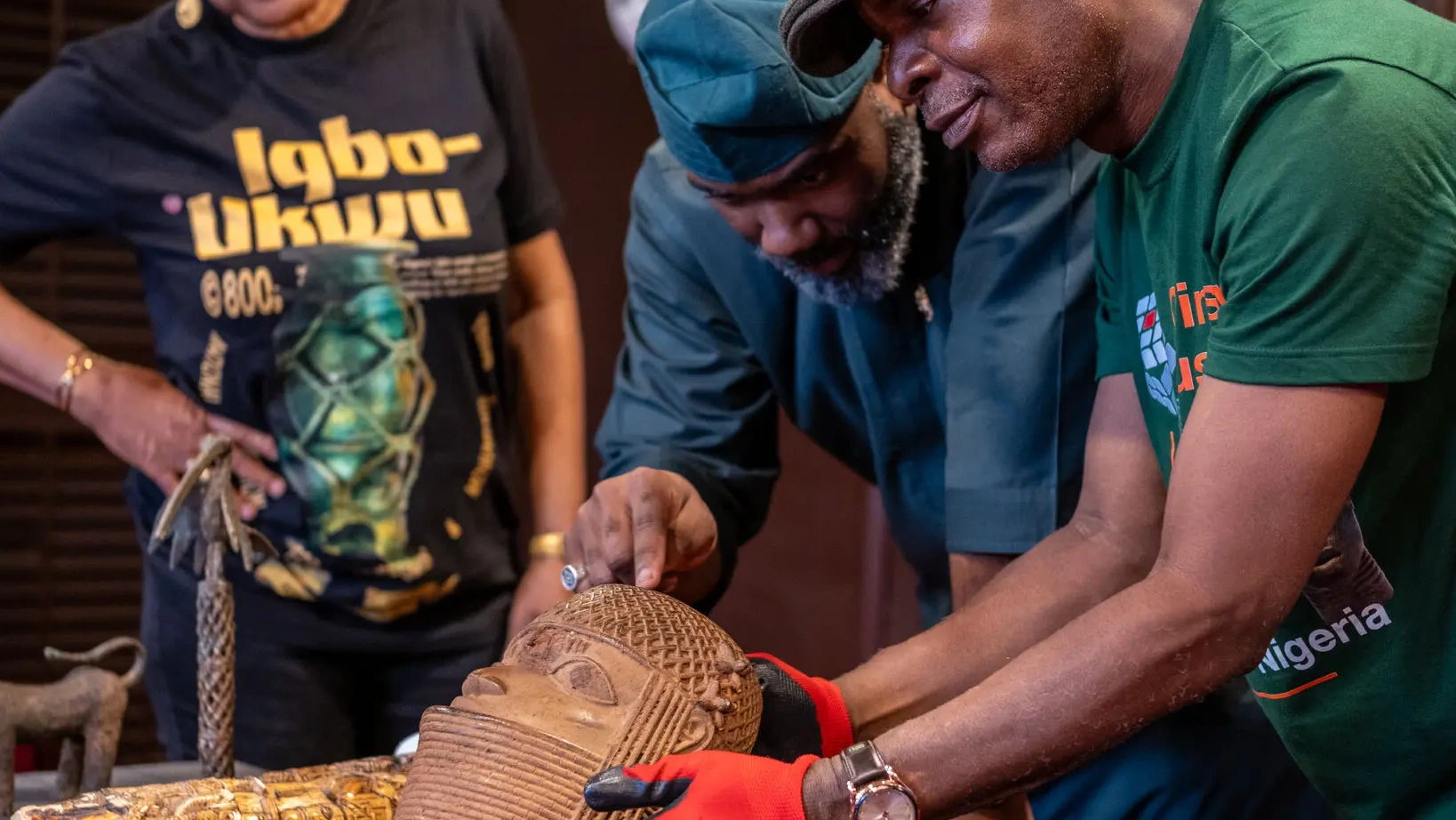
The Benin Bronzes are among Africa’s most celebrated cultural treasures, yet their history remains unfamiliar to many people around the world.
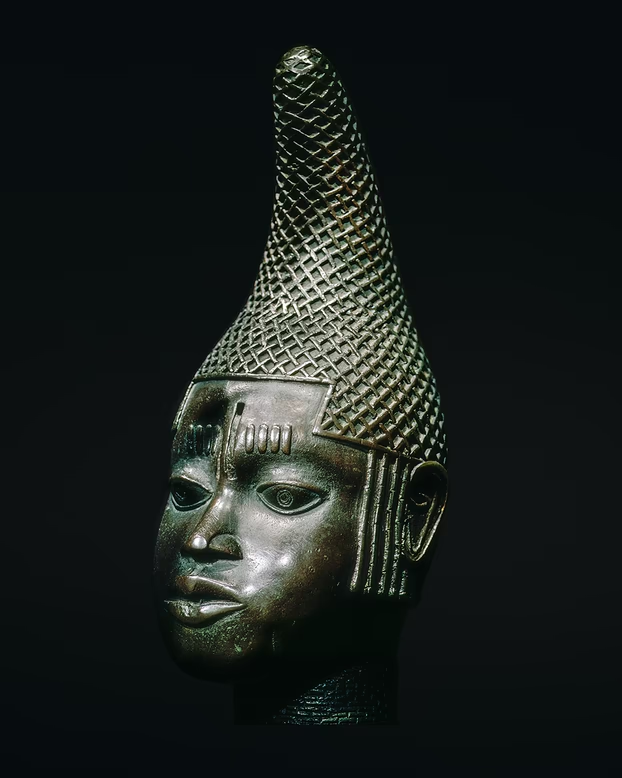
Created by highly skilled craftsmen of the ancient Benin Kingdom, these artworks were far more than decorative objects.
They served as historical records, symbols of royal authority, and representations of the kingdom’s rich cultural and spiritual traditions.
Through detailed plaques, sculptures, and ceremonial objects, the bronzes documented important events, royal achievements, and the lives of the people of Benin.
For centuries, the Benin Kingdom was one of West Africa’s most advanced and powerful states.
Its artisans developed sophisticated metalworking techniques that impressed visitors from around the world.
The remarkable quality of the bronzes challenged colonial-era stereotypes that underestimated African civilizations and demonstrated the kingdom’s artistic and technological achievements.
In 1897, British forces invaded Benin City, looting thousands of artworks that were later sold to museums and private collectors across Europe and North America.
Today, the Benin Bronzes are at the center of debates about cultural heritage and historical justice.
Nigeria has long sought their return, and in recent years, some museums have begun repatriating the artifacts.
Their story continues to raise important questions about ownership, restitution, and the preservation of African history.
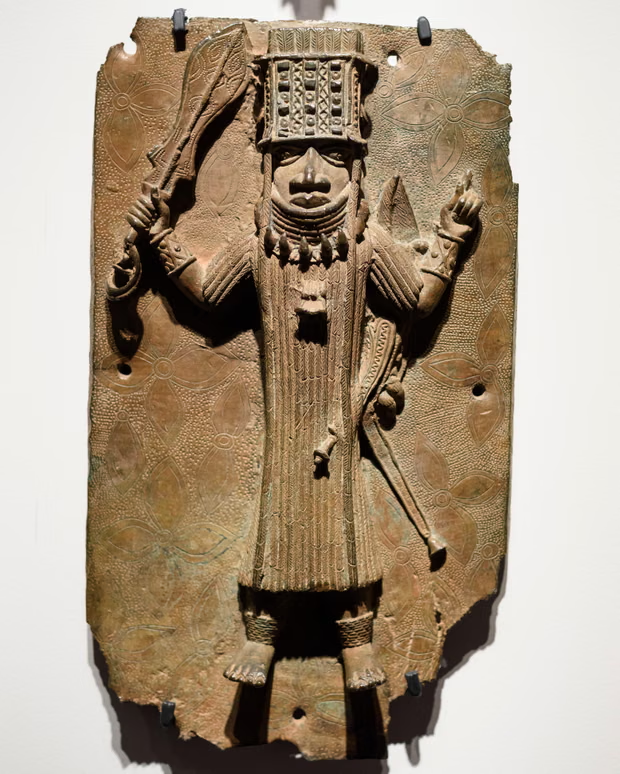
The Rise of the Benin Kingdom
Long before colonial rule, the Benin Kingdom was one of the most powerful and well-organized states in West Africa.
Located in present-day southern Nigeria, it developed a strong political system led by the Oba (king), who played a central role in governance, religion, and culture.
History
Rewind the Stories that Made Africa, Africa
A Journey Through Time, Narrated with Insight.
The kingdom was known for its stability, structured leadership, and effective administration.
Benin also became a major center for trade, connecting with neighboring African states and later European merchants.
It traded goods such as ivory, pepper, and palm oil, which helped the kingdom grow in wealth and influence.
This economic strength supported the development of its cities and artistic traditions.
One of the most remarkable features of the Benin Kingdom was its advanced artistry, and their skilled craftsmen produced bronze and ivory works that celebrated royal achievements, historical events, and spiritual beliefs.

These artworks were not only decorative but also served as important records of the kingdom’s history and identity.
Overall, the rise of the Benin Kingdom reflects a powerful civilization built on strong leadership, rich culture, and successful trade, making it one of Africa’s most influential historical empires.
The 1897 British Expedition
In 1897, British forces carried out a military expedition against Benin City in the Benin Kingdom, marking a turning point in its history.
The invasion was a response to rising tensions between the British colonial administration and the Benin leadership, but it quickly escalated into a full military attack on the kingdom.
During the expedition, Benin City was heavily looted and destroyed, and thousands of priceless artifacts, including bronze plaques, ivory carvings, and ceremonial objects, were taken from the royal palace and surrounding areas.
These items were not only valuable artworks but also important historical records of the kingdom’s culture and achievements.
After the invasion, many of the looted treasures were transported to Europe. They were later sold, exchanged, or placed in museums and private collections across Europe and North America, where they are still found today.
This widespread removal of cultural heritage significantly impacted the identity and historical record of the Benin Kingdom.
The 1897 expedition remains a major historical event, often discussed in relation to colonialism, cultural loss, and the ongoing debate over the return of African artifacts.
History
Rewind the Stories that Made Africa, Africa
A Journey Through Time, Narrated with Insight.
The Fight for Repatriation
For decades, Nigeria and cultural advocates have continued to demand the return of the Benin Bronzes, which were taken during the 1897 British expedition in the Benin Kingdom.
These artifacts are considered vital to Nigeria’s cultural identity, as they represent the history, traditions, and artistic excellence of the Benin people.
The push for repatriation has gained stronger global attention in recent years, and many Nigerian officials, historians, and activists have engaged in discussions with museums and governments around the world, arguing that the bronzes belong in their place of origin.
This movement has highlighted issues of colonial-era looting and the need to correct historical injustices.
As a result, several museums and institutions in Europe and North America have begun returning some of the artifacts.
These returns have sparked wider conversations about cultural ownership, ethical museum practices, and the responsibility of institutions to address colonial legacies.
Overall, the fight for the Benin Bronzes is not only about returning artworks but also about restoring cultural pride, preserving heritage, and acknowledging historical truth.
Conclusion
The story of the Benin Bronzes goes far beyond art, it is a powerful journey of culture, identity, and historical justice.
From the royal courts of the Benin Kingdom to museums across the world, these treasures carry the voice of a rich civilization that refuses to be forgotten.
As efforts to return them continue, the bronzes stand as lasting symbols of Africa’s heritage and resilience.
Their story reminds the world that history is not only to be remembered, but also to be restored, respected, and rightfully returned.