Ol Kalou By-Election: Ruto-Gachagua Proxy War Turns Ugly Amid Bribery, Violence and Rigging Claims
Ol Kalou MP by-election live: IEBC enforces digital-only voter ID as bribery, violence and rigging claims cloud Ruto-Gachagua proxy showdown in Nyandarua.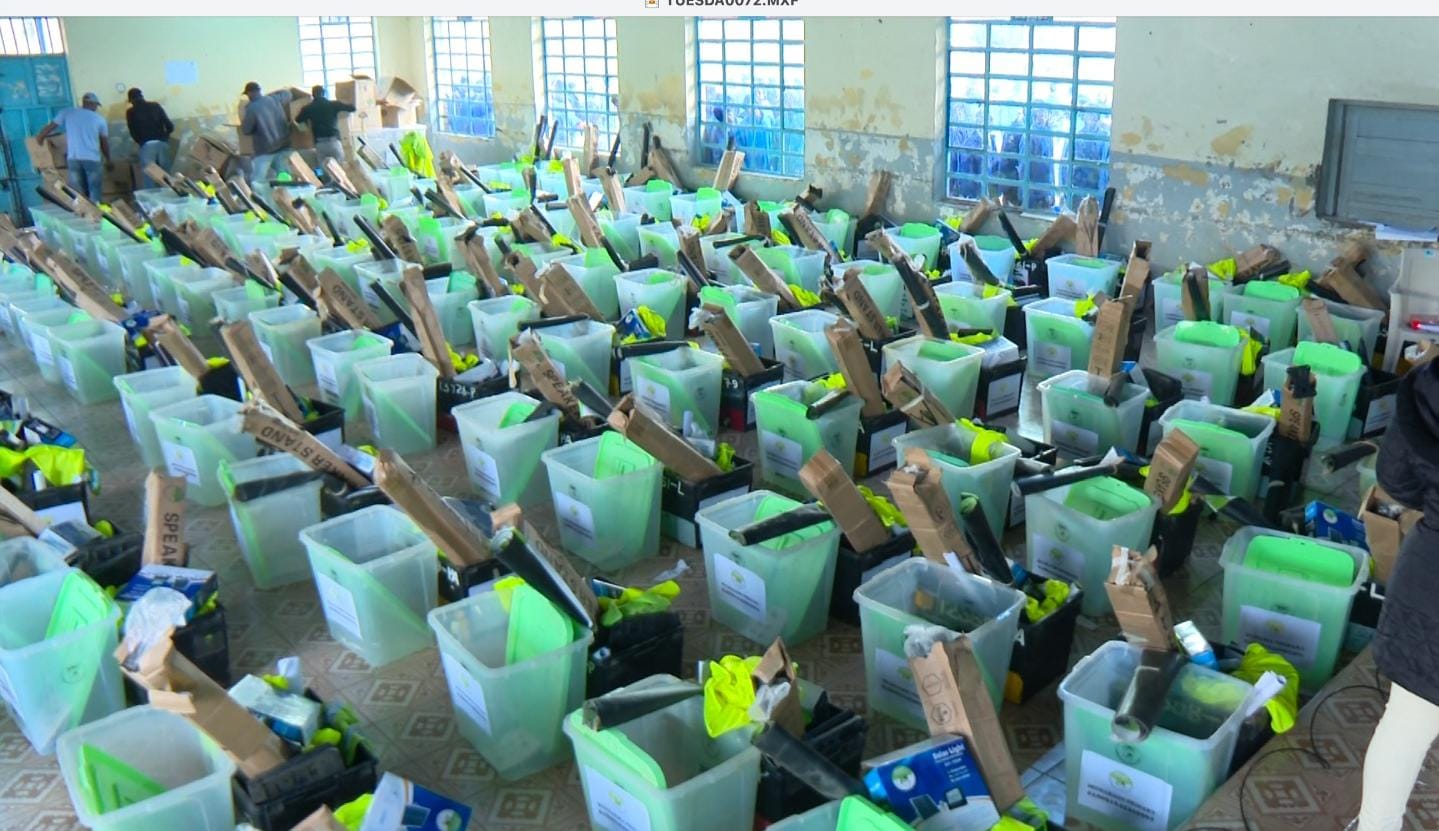
Residents of Ol Kalou constituency in Nyandarua County headed to the polls on Thursday, July 16, 2026, to elect their new Member of Parliament in a hotly contested by-election.
Triggered by the death of Jubilee Party's David Kiaraho in March, this electoral contest has evolved into a high-stakes battle, notably between the United Democratic Alliance (UDA) candidate, Samuel Muchina Nyagah, and Democracy for Citizens Party (DCP) candidate, Sammy Kamau Ngotho.
This race is widely perceived as a proxy battle between President William Ruto and former Deputy President, Rigathi Gachagua, serving as an early test of political strength in the Mt Kenya region ahead of the 2027 General Election.
The Independent Electoral and Boundaries Commission (IEBC) finalized its preparations for the by-election, announcing strict adherence to electronic identification protocols.
Commissioners Anne Nderitu and Noor Hassan Noor oversaw the inspection of election materials, with IEBC Chairperson Erastus Ethekon addressing the press on the commission's arrangements.
Polling stations across the constituency's 144 stations, serving 73,480 registered voters in five wards, opened at 6 a.m. and were scheduled to close at 5 p.m.
Crucially, the IEBC mandated that there would be no manual voter register, requiring all voters to undergo electronic identification exclusively through the Kenya Integrated Election Management System (KIEMS) kits.
Upon presenting a national identity card or passport, voters would first undergo biometric and facial verification. If these methods failed, alphanumeric identification via ID number entry into the KIEMS kit would be used.
If details appeared, a photograph holding the ID would be taken before clearance to vote; otherwise, voting would not be permitted.
Despite the IEBC's logistical preparations, the by-election has been marred by widespread allegations and controversies. Reports of violence, massive bribery, the use of public resources to induce voters and rigging claims have cast a shadow over the process.
Critics accused the electoral commission of being a "toothless bulldog" for its perceived failure to maintain order and discipline among political players and state actors, with some alleging bias and the application of double standards.
Incidents of clashes between rival supporters resulted in injuries and property damage, further escalating tensions during the campaign period.
Human rights organizations, including the Kenya Human Rights Commission (KHRC) and the Kenya National Commission on Human Rights (KNCHR), voiced significant concerns regarding the by-election's integrity.
The KHRC demanded an independent, impartial and transparent poll reflecting the will of the voters, emphasizing that the Constitution mandates such electoral conduct. It urged the National Police Service (NPS) to heighten security while ensuring officers remained professional and impartial, and to act promptly against electoral offenders.
Furthermore, KHRC raised alarms over credible reports of public resources being used for political campaigns, warning against their use to confer electoral advantage.
The commission called upon the Ethics and Anti-Corruption Commission (EACC) to investigate such claims and the Office of the Director of Public Prosecutions (ODPP) to prosecute electoral offenses irrespective of political status.
As voting commenced, hundreds of police officers were deployed to ensure security across the constituency. Once cleared, voters were required to cast their ballots in secret with strict prohibitions against taking photographs of ballot papers or any election materials inside the polling booth.
After voting, immediate departure from the polling station was mandatory. Vote counting was set to begin at 5 p.m., with only accredited officials, agents, observers, and members of the media permitted to witness the tallying process.
An Election Observation Group (ELOG) report, presented on the eve of the election, underscored the prevailing uncertainty as to whether the outcome would truly reflect the will of the voters amidst the multiple challenges.