Kogi School Kidnapping: Bandits Seize Principal, NECO Official, Four Students; Atiku Slams FG
Bandits abduct a Kogi school principal, NECO official and 4 students mid-exam; Atiku slams the Tinubu government's failure to secure schools.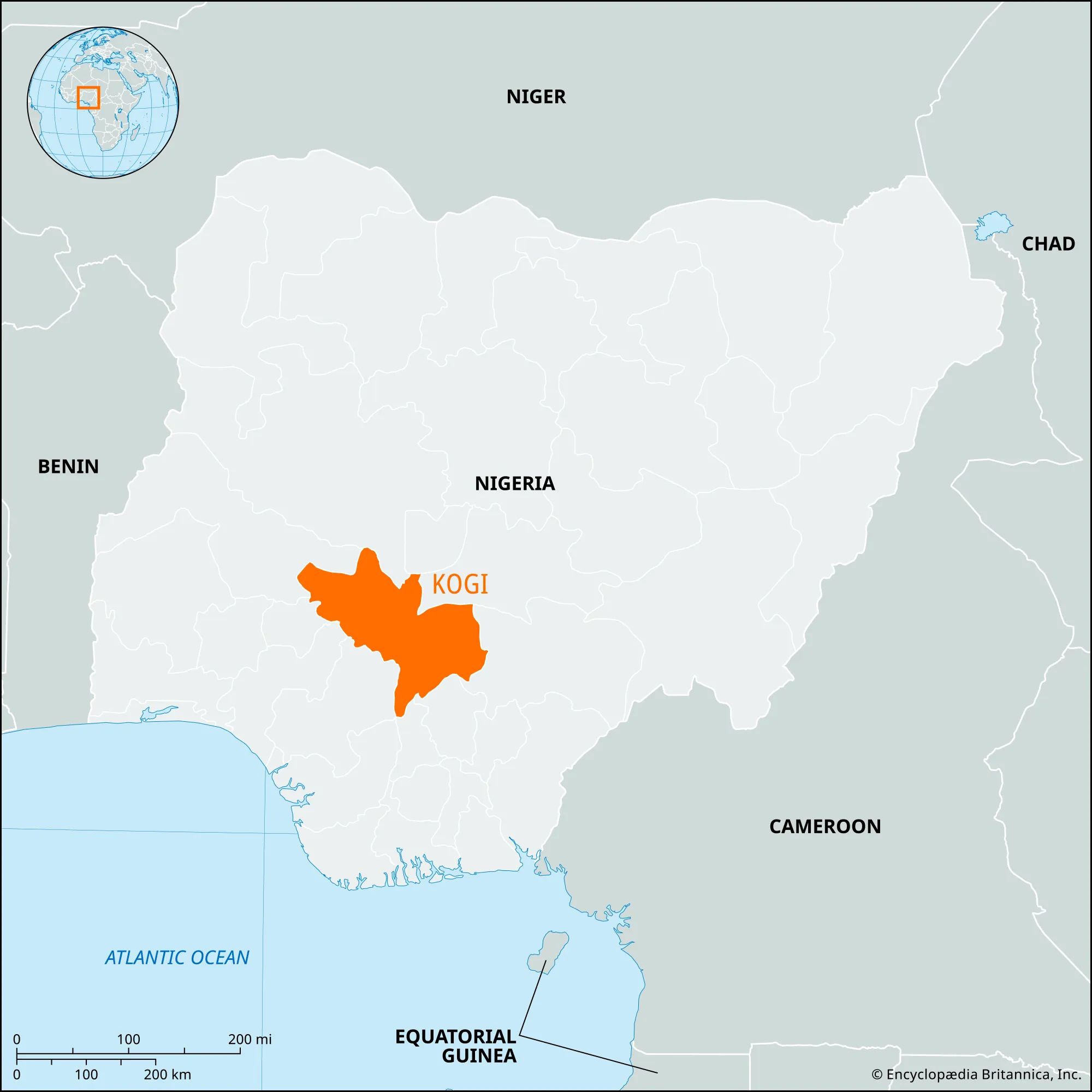
A tragic incident unfolded at Government Secondary School, Odo-Ekina (also identified as Opada-Olowa) in Dekina Local Government Area of Kogi State, where suspected bandits abducted the school principal, a National Examinations Council (NECO) ad hoc official, and four students.
The attack, which occurred around 2 p.m. on a Tuesday, disrupted an ongoing NECO examination, underscoring a grave escalation of insecurity in the region.
Former Vice President and African Democratic Congress (ADC) presidential candidate, Atiku Abubakar, vehemently condemned the abduction, describing it as further undeniable evidence that the Nigerian state has fundamentally failed in its responsibility to protect lives, safeguard education, and secure the future of its children.

In a statement released by his Senior Special Assistant on Public Communication, Phrank Shaibu, Atiku labelled the event as both tragic and disgraceful, highlighting that Nigerian children can no longer sit for public examinations without the terrifying fear of abduction by armed criminals.
“An examination hall should be a sanctuary of hope, not a crime scene. A school principal should be preparing students for the future, not negotiating with kidnappers. A NECO official should be supervising examinations, not struggling for survival in the hands of bandits. Yet this has become the grim reality under a government that has normalised insecurity,” Atiku stated.
He argued that this latest attack is not an isolated incident but part of a disturbing national pattern where schools have become prime targets because criminals no longer perceive the Nigerian state as a deterrent.
Atiku further asserted that the attack is intrinsically linked to the current administration’s attitude towards education. He criticized a government that has consistently made education more expensive through unprecedented increases in examination fees (WAEC and NECO), neglected public schools, failed to secure learning environments, and reduced education to mere campaign rhetoric.
According to Atiku, such policies have inadvertently led criminals to view schools as “abandoned territories.” He contended that government policies have conveyed a clear message: education is no longer a national priority, leading to a “double assault” on Nigeria’s future which collectively amounts to a systematic destruction of an entire generation’s dreams.
The former vice president also lambasted the Tinubu administration’s management of public finances, alleging that poor budgeting practices have contributed significantly to the deterioration of public institutions, including schools.
He emphasized that a national budget should reflect the people’s needs and priorities, not be treated as a “personal ledger of a Bourdillon local champion” filled with questionable insertions and phantom priorities, such as a purported ₦6.4 billion budgeted for an “Aso Rock Supporters Club” for the 2026 World Cup.
He argued that a budget that mysteriously allocates billions to illogical items but fails to adequately secure classrooms where children learn, creates the very vacuum that criminals exploit, thereby marking the maladministration as a defining trademark of the current government.
Atiku contended that repeated attacks on schools have emboldened criminal groups because government responses have largely been reactive and lacking urgency.
He observed that the bandits perceive a government that prioritizes political campaigns over school protection, mobilizing vast state resources for political endeavors but struggling to provide effective security for educational institutions. Every successful kidnapping, he warned, convinces another criminal gang that Nigerian schoolchildren are easy targets.
Residents recounted the terrifying moments of the attack, noting that heavily armed assailants stormed the community, firing sporadically to instill fear before invading the school.
A community leader, Sunday Alkali, mentioned that the gunmen initially retreated upon seeing many people but later returned with indiscriminate shooting.
It was only after the gunfire ceased that residents discovered the school had been attacked with examination papers scattered and no students or officials in sight. The victims were identified as Principal Mr. Nyada Daniel, NECO Supervisor Mr. Solomon Audu, and four students.
Residents believe the number of abductees could have been higher if more students were present for a core subject as only a limited number were writing Literature in English at the time.
The kidnappers have reportedly contacted relatives of the victims, demanding significant ransom sums for their release. Following the incident, a combined team of security agencies, including soldiers, police officers, local vigilantes, and hunters, was mobilized to the area to track the abductors and rescue the victims.
The Kogi State Police Command, through its Public Relations Officer, ASP Saliu Oyiza Afusat, confirmed the abduction and stated that a search-and-rescue operation was immediately launched. So far, one of the abducted students has been rescued, with ongoing efforts to secure the remaining victims and apprehend the perpetrators.

The Commissioner of Police, Kogi State Command, CP Naziru Bello Kankarofi, along with the Brigade Commander and the State Security Adviser, are reportedly en route to the scene for an on-the-spot assessment.
Residents have linked this attack to a deteriorating security situation in the area, recalling a recent farmer’s killing that prompted the community to ask herders to vacate the vicinity.
Atiku Abubakar emphasized that the collapse of school security is not merely a security failure but a collapse of governance itself, warning that “a country where children cannot safely write examinations is a country steadily surrendering its future to fear.”
He called for the immediate and unconditional rescue of all abducted victims and demanded a comprehensive review of security arrangements for all schools and examination centres nationwide.
He urged the Federal Government to move beyond routine condemnations and implement measurable security reforms capable of restoring public confidence.
Atiku concluded by stating that history would remember whether the government protected Nigeria’s children or abandoned them, asserting that no nation develops by forcing its children to choose between education and survival.
He reiterated that a government that devalues education inadvertently empowers those who seek to destroy it, stressing that Nigerian children deserve books, classrooms, examinations, and hope, as this is the minimum any responsible government owes its people.