Is the Education System Getting Better or Worse? With Modern Technology
Education is changing through technology and social media, making learning easier to access. But with growing distractions and quick information, many now question whether students are truly learning deeply.
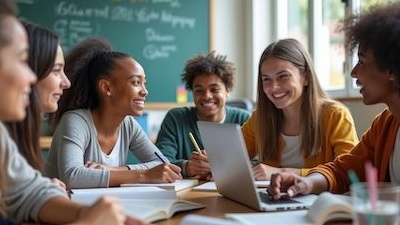
Education has existed for centuries and continues to shape individuals and societies around the world.
It is a system that has helped countless children develop knowledge, skills, and identity, preparing them for their future roles in life.
Beyond personal growth, education also contributes to society by improving awareness and helping people better understand the world around them.
Over time, it has evolved from traditional classroom learning to more modern and digital-based systems.
However, with these changes comes an important debate: is education improving, or is it losing its true value?
In today’s world, education is no longer limited to textbooks and classroom lectures. Students now have access to online courses, digital libraries, virtual classrooms, and instant information at their fingertips.
This has made learning more flexible and accessible, allowing people from different backgrounds to gain knowledge without being physically present in a traditional school environment.
At the same time, this shift has also raised concerns about how deeply students are actually learning.
With so much information available instantly, many learners focus more on quick answers rather than understanding concepts thoroughly.
This has led some educators and observers to question whether modern education is producing critical thinkers or simply fast information consumers.
Another key factor is the influence of technology and social media and while they can make learning easier and more engaging, they are also major distractions.
Many students struggle to focus due to constant notifications and entertainment, which has affected how they study and engage with schoolwork.
Despite these challenges, education remains one of the most powerful tools for personal and societal development.
It continues to open doors of opportunity, improve living standards, and shape future leaders.
Social Insight
Navigate the Rhythms of African Communities
Bold Conversations. Real Impact. True Narratives.
The real discussion, therefore, is not whether education is good or bad, but how it can adapt to modern challenges while still maintaining depth, discipline, and meaningful learning.
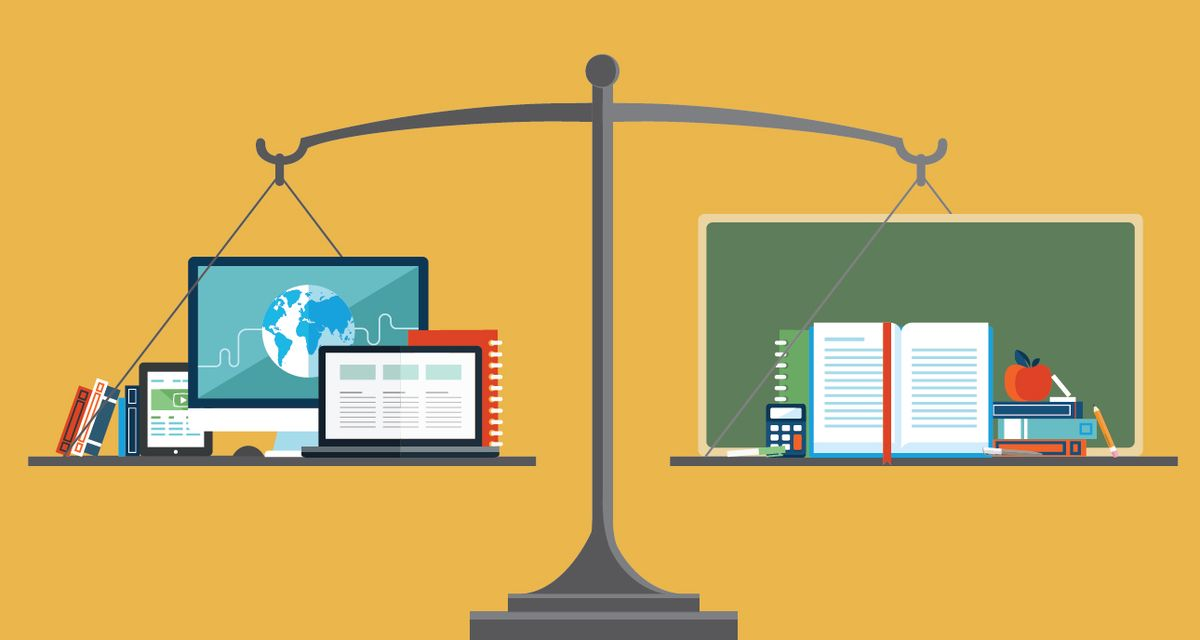
Traditional Learning vs Modern Education
In the past, education was more structured, disciplined, and focused on deep learning.
Students were expected to rely heavily on teachers, textbooks, and memorization, with less distraction and a stronger emphasis on classroom discipline.
Learning was often slower, but it allowed students to build a deeper understanding of subjects through repetition, practice, and direct teacher guidance.

However, technology has taken place far beyond we can ever imagine as it continues to develop.
Today, modern education is more flexible and technology-driven, allowing students to access information easily from multiple sources such as online platforms, digital libraries, and virtual classrooms.
This has made learning faster and more convenient, as students can study at their own pace and explore topics beyond the classroom.
However, this shift has also changed how students engage with education. While access to information has increased, some students rely more on quick searches and shortcuts rather than fully understanding concepts.
As a result, there are concerns that focus, discipline, and deep learning have reduced compared to traditional methods.
At the same time, modern education encourages creativity, independence, and interactive learning, which were less emphasized in the past.
The challenge today is finding a balance between the depth of traditional learning and the convenience of modern methods to ensure effective education.
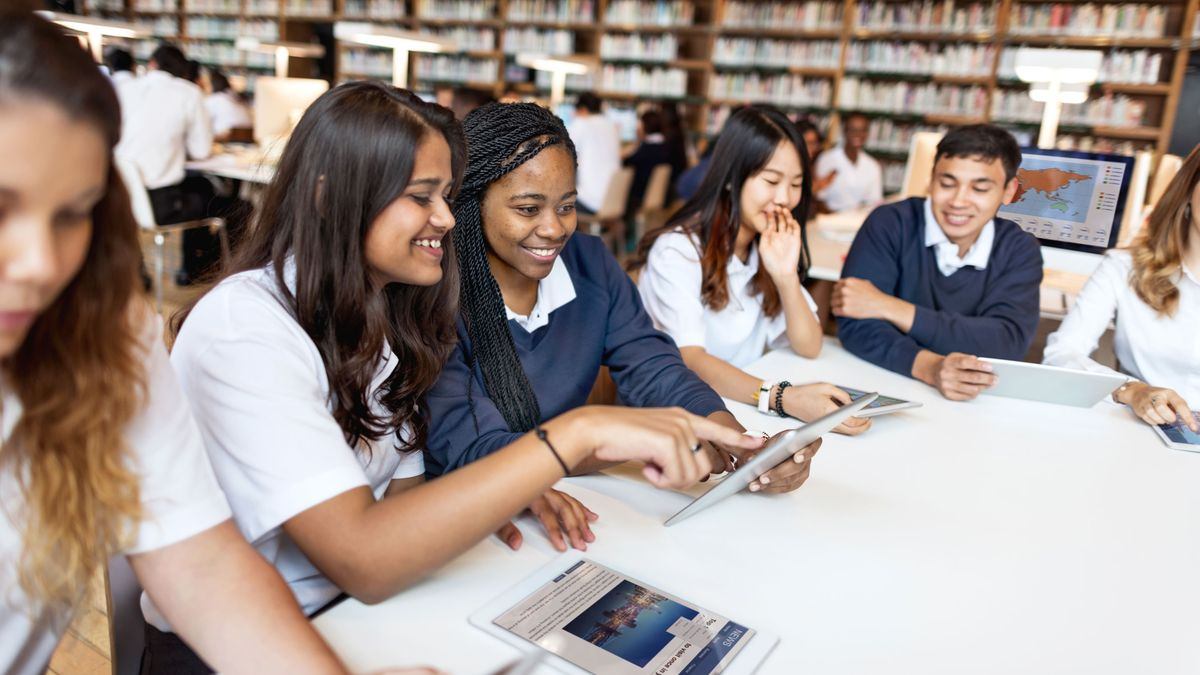
Social Media Influence on Students
Social media has become a major part of students’ daily lives, shaping how they communicate, learn, and spend their free time.
Platforms like Instagram, TikTok, X, and YouTube provide not only entertainment but also educational content, allowing students to access quick lessons, tutorials, and discussions on different subjects.
Social Insight
Navigate the Rhythms of African Communities
Bold Conversations. Real Impact. True Narratives.
In this way, social media can support learning and make information more engaging and accessible.
However, despite these benefits, it also brings significant distractions, and many students find themselves spending more time scrolling through content than focusing on their studies.
The constant flow of notifications, videos, and trending content makes it difficult to maintain concentration for long periods.
This has contributed to shorter attention spans and reduced patience for deep or complex learning tasks.
As a result, some educators and parents are concerned about how social media is affecting academic performance and seriousness in learning.
Instead of fully engaging with textbooks or classroom lessons, some students may rely on quick summaries or surface-level understanding.
This can affect their ability to think critically, analyze information, and retain knowledge over time.
At the same time, social media is not entirely negative for education. When used wisely, it can enhance learning, encourage collaboration, and expose students to global knowledge and perspectives.
The key issue is balance—how students manage their time and choose between productive learning and constant digital distraction.
Accessibility vs Quality of Education
Education is now more accessible than ever through online classes, digital resources, and global learning platforms.
Students can easily access information from anywhere, making learning more flexible and convenient.
This has created opportunities for many people who previously had limited access to education.
However, increased access does not always guarantee quality learning, because some students consume information quickly without fully understanding or applying it.
Online learning can also reduce direct interaction with teachers, making it harder for some students to stay focused and disciplined.
Social Insight
Navigate the Rhythms of African Communities
Bold Conversations. Real Impact. True Narratives.
In addition, not everyone has equal access to stable internet, devices, or a proper learning environment.
While modern education has improved accessibility, the challenge remains ensuring students gain deep understanding and meaningful knowledge, not just easy access to information.
Conclusion
Education is not simply becoming better or worse—it is evolving with the modern world.
Technology, social media, and digital learning have opened doors to endless information and opportunities, but they have also created challenges that affect focus, discipline, and deep understanding.
As classrooms continue to change, the real concern is no longer just about access to education, but about the quality of learning students truly receive.
Are students genuinely gaining knowledge, critical thinking, and life skills, or are they only adapting to a faster and more distracted system?
The future of education will depend on finding the right balance between modern convenience and meaningful learning.
If that balance is lost, education may become easier to access but harder to truly benefit from.