Suffolk County Water Authority's Top Users Drain Aquifer of Billion Gallons
Suffolk County's aquifer is under severe stress from overpumping, significantly impacted by high commercial water consumption, particularly from homeowners associations and power plants. Despite previous failed attempts, the Suffolk County Water Authority is renewing efforts to partner with major users to implement crucial conservation measures and protect Long Island's vital water supply.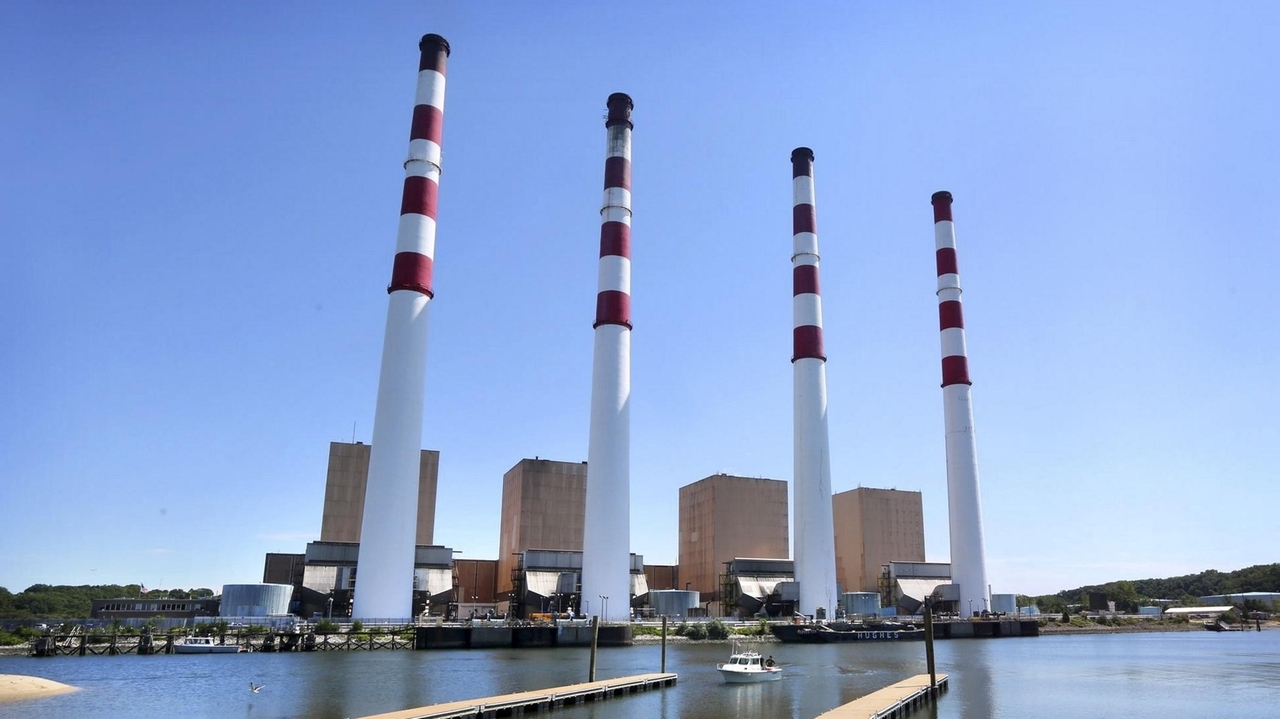
Suffolk County, Long Island, faces a critical water crisis as its sole source of fresh water, the underlying aquifer system, is experiencing significant stress from overpumping. This has led to environmental consequences such as saltwater intrusion into groundwater near coastal areas, a lowered water table, dried-up local streams, and contamination plumes moving towards drinking water wells. The Suffolk County Water Authority (SCWA) has identified major commercial customers as significant contributors to this strain, yet efforts to implement conservation measures have largely stalled.
Last year, the SCWA's top 20 commercial consumers collectively drew over a billion gallons of water from public wells. Homeowners associations (HOAs) and other residential complexes, classified as commercial customers because individual residences are not metered separately, were particularly notable, accounting for 13 of these top 20 consumers and using 570 million gallons. Despite initial promising conversations with HOAs four years ago to identify conservation methods, these efforts ultimately collapsed due to a lack of sustained participation, as expressed by SCWA CEO Jeff Szabo.
Beyond HOAs, a diverse group of large commercial entities contributed to the massive water consumption. Among the top users were four power plants: National Grid’s plant in Northport, Reworld’s waste-to-energy plants in Babylon and East Northport, and Pinelawn Power in West Babylon. National Grid’s Northport plant, the largest power plant on Long Island, was the single biggest consumer, drawing 303 million gallons last year—a threefold increase from its usage of 95 million gallons a decade prior. This gas-powered facility relies heavily on fresh water to generate steam for its turbines, though it uses saltwater from Long Island Sound for cooling equipment. Other significant industrial users included Reworld’s Babylon waste-to-energy plant (45.7 million gallons), L&S Packing (a food importing and manufacturing firm using 41.9 million gallons), Pinelawn Power (36.3 million gallons), Good Samaritan University Hospital in West Islip (32.3 million gallons), and Reworld Huntington in East Northport (31.8 million gallons).
These large consumers have varying water needs. A spokesperson for Good Samaritan University Hospital noted that their water usage supports critical functions like patient care, infection prevention, sanitation, food service, and heating and cooling. The hospital has proactively reduced its water consumption by 50% through the installation of low-flow fixtures and more efficient cooling and sterilization equipment. Reworld’s facilities require water for essential operating and cooling processes, but they strive to conserve by reusing all process wastewater and incorporating third-party treated wastewater to lessen their reliance on groundwater. National Grid spokesperson Will Brunelle indicated that their plant’s water use fluctuates based on total power generated, service hours, and fuel type, and that their "closed loop" system helps convert steam back to water for reuse.
The interconnectedness of water and energy, often termed the 'water-energy nexus,' complicates conservation efforts, especially with facilities that burn fossil fuels. Water management expert Sarah Meyland explains that generating energy demands water, and conversely, pumping and purifying water requires energy, creating a cycle exacerbated by warming temperatures. While some solutions exist, such as using treated wastewater or dry cooling systems (though these can reduce efficiency and increase emissions), and newer plants employ combined cycle systems for reduced water use, experts caution against significant investment in new water-saving infrastructure for aging fossil fuel plants. John Rogers of the Union of Concerned Scientists cited the Brayton Point coal plant, which invested $600 million in cooling towers only to shut down four years later due to economic non-viability, as a cautionary tale. He highlights that renewable energy sources like wind and solar require no water.
The issue extends beyond metered commercial use. SCWA CEO Jeff Szabo acknowledges that the authority’s figures do not fully capture water drawn from the aquifer, as many businesses and institutions, including farms and golf courses, operate their own private wells without registering with the SCWA. Meanwhile, average residential customers also contribute significantly, with a median usage of 125,882 gallons annually, primarily for summer lawn irrigation. During a period of moderate to severe drought, the authority had to instruct customers to immediately stop watering lawns to prevent critically low pressure that could impede fire departments.
Recognizing the urgency, Szabo hopes to re-engage with Suffolk County's heaviest commercial water users, aiming to "reignite" discussions and foster partnerships with the private sector to reduce overall consumption in the coming year, emphasizing the collective responsibility to protect Long Island’s sole source of drinking water.