The Early 2000s Childhood Games That Are Slowly Fading Because of Technology
Childhood used to be full of outdoor games, laughter, and friendship. Games like Suwe and Hide and Seek taught teamwork and creativity. Today, as technology grows, these simple games are slowly disappearing, but they are still an important part of our memories.
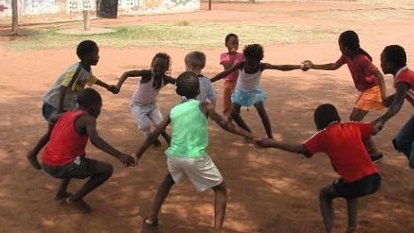
Before smartphones, video games, and social media became a major part of everyday life, Nigerian children found joy in simple but exciting outdoor games.
In an era when technology was limited and entertainment was largely created by imagination, children transformed streets, compounds, school fields, and open spaces into vibrant playgrounds.
Every evening after school, on weekends, and especially during long holidays, groups of children could be seen running around, laughing, competing, and creating memories that would last a lifetime.
Growing up in Nigeria during those years meant being part of a community where play was not confined to screens but shared among friends and neighbours.
Children eagerly anticipated the moment they could finish their chores and homework so they could join others outside.
Whether it was a game of Ten-Ten, Suwe, Boju-Boju (Hide and Seek), Police and Thief, skipping rope, or tyre racing, each activity brought a sense of excitement and adventure.
The games required little or no equipment, making them accessible to children from different backgrounds.
What made these childhood games special was their ability to bring people together, and children of different ages interacted freely, learning how to cooperate, compete fairly, and resolve conflicts.
Friendships were built on dusty playgrounds and quiet neighbourhood streets. Through play, children developed communication skills, learned the importance of teamwork, and discovered how to navigate social relationships.
The bonds formed during these moments often extended beyond childhood and became lifelong friendships.
These games taught children how to be creative and make fun out of simple things. Items like bottle tops, sticks, and old tyres became toys and game equipment.
Children learned to use their imagination and enjoy what they had.
The games also kept children active, because running, jumping, and playing outdoors helped them stay healthy while having fun with friends.
Today, many Nigerians look back on these games with fond memories. They were not just games; they helped children build friendships, learn important life skills, and create unforgettable childhood experiences.
Social Insight
Navigate the Rhythms of African Communities
Bold Conversations. Real Impact. True Narratives.
Traditional Games Built Strong Friendships and Teamwork
Traditional games in Nigeria helped build strong friendships and teamwork among children. Games like Ten-Ten, Police and Thief, Hide and Seek, and Suwe brought children together in groups where everyone had a role to play.
These games taught children how to cooperate, share responsibilities, and support one another to achieve a common goal.
They also helped children learn important social skills, and while playing, children learned how to follow rules, take turns, and accept both winning and losing.
When disagreements happened, they had to talk and resolve issues quickly so the game could continue. This helped them develop patience, respect, and understanding for others.

In many cases, children even formed small “teams” or groups that played together every day after school, and everyone knew their place in the game, and each child’s effort mattered.
The excitement of shouting instructions, chasing each other, or hiding during play created a strong sense of unity and belonging.
Even the simple act of planning the next round of a game brought children closer together.
Unlike modern digital games, these traditional games required real interaction, and children had to communicate face-to-face, run together, and make quick decisions as a team.
This strengthened their friendships and made their bonds more meaningful, as they spent quality time together in a natural and active environment.
These Games Encouraged Creativity and Physical Activity
These games encouraged creativity and physical activity in a very natural way. Most Nigerian childhood games required little or no equipment, so children learned to make use of whatever was available around them.
Bottle tops became footballs, sticks turned into race markers, and old tyres were used for racing and jumping games.
Even small stones and chalk drawings on the ground became part of exciting play activities.
Games like Boju-Boju (Hide and Seek), Ayo, Skipping Rope, and tyre racing kept children constantly moving.
Social Insight
Navigate the Rhythms of African Communities
Bold Conversations. Real Impact. True Narratives.
They ran, jumped, climbed, and chased each other for hours without feeling tired because the fun kept them going.
This helped them stay physically fit, strong, and energetic while enjoying their time outdoors with friends.
Beyond physical activity, these games also boosted creativity and imagination, and children often had to create their own rules, design playing spaces, and modify games to suit different situations.
This taught them how to think quickly, solve problems, and adapt when things were not perfect.
Every play session felt new because children could always add something different or exciting.
In the end, these simple but powerful games helped shape a generation that was active, imaginative, and resourceful.
They turned ordinary surroundings into places of adventure and learning, showing that joy does not always require expensive toys or modern technology.

Modern Technology Is Causing These Games to Fade Away
Modern technology has been slowly changing the way children grow up, and many traditional childhood games are fading away in the process.
Today, it has become more common to see children sitting indoors with phones, tablets, or video game consoles, fully absorbed in digital entertainment.
While these devices are not entirely negative, they can be educational and fun, but they have quietly reduced the time children spend outside playing with friends.
In the early 2000s, where laughter filled compounds and streets in the evenings, and now many neighbourhoods are now much quieter.
The children of the present days are no longer gathering in large groups to play games as they used to.
In many cases, even when children live close to each other, they are more likely to interact through screens than face-to-face which has made this shift becoming less likely a childhood but feel more private than less shared.
Because of this change, some of the natural lessons these games once taught are being lost.
Social Insight
Navigate the Rhythms of African Communities
Bold Conversations. Real Impact. True Narratives.
The ability to settle small disagreements quickly, to run freely with friends, to negotiate rules on the spot, and to simply enjoy the outdoors is no longer as common as it once was.
These were not just games; they were everyday experiences that shaped how children related with others and understood the world around them.
There is also a sense of nostalgia among those who grew up during the earlier years. Many adults today often remember how simple but joyful those moments were, by playing under the rain, getting muddy, and still laughing without worry.
It was the kind of feeling or shared experience that feels harder to find among today’s children but also can not go away without looking back.
Preserving these traditional games does not mean rejecting technology, but it also means that by balancing both so children can still enjoy outdoor play, friendship, and imagination.
Being outdoors does not take away from childhood—instead, it helps children grow, build confidence, and learn how to overcome challenges without becoming timid or insecure.
These games are part of Nigeria’s culture, and keeping them alive helps future children enjoy the same simple and meaningful childhood we had.
Conclusion
In stark contrast, I belong to a generation that grew up playing traditional games during childhood.
Some of my fondest memories were made outdoors with friends, especially when it rained.
Rather than staying indoors, we embraced those moments, turning rainy days into exciting adventures filled with laughter, fun, and unforgettable experiences.
Looking back, those simple moments remain some of the best memories of my childhood.
But with technology that continuously reshapes childhood experiences by being indoor, it is important to remember and preserve these traditional games so future generations can enjoy and learn from them just as previous generations did; which I intend to pass down to my future children.