You Can Only Afford To Hate Religion If Someone Else Still Fears It
If you think Nigerians would behave without religion, you haven't met the average Nigerian. No police, no courts, no regulator; just the fear of God standing between order and chaos. What actually happens when that fear disappears?
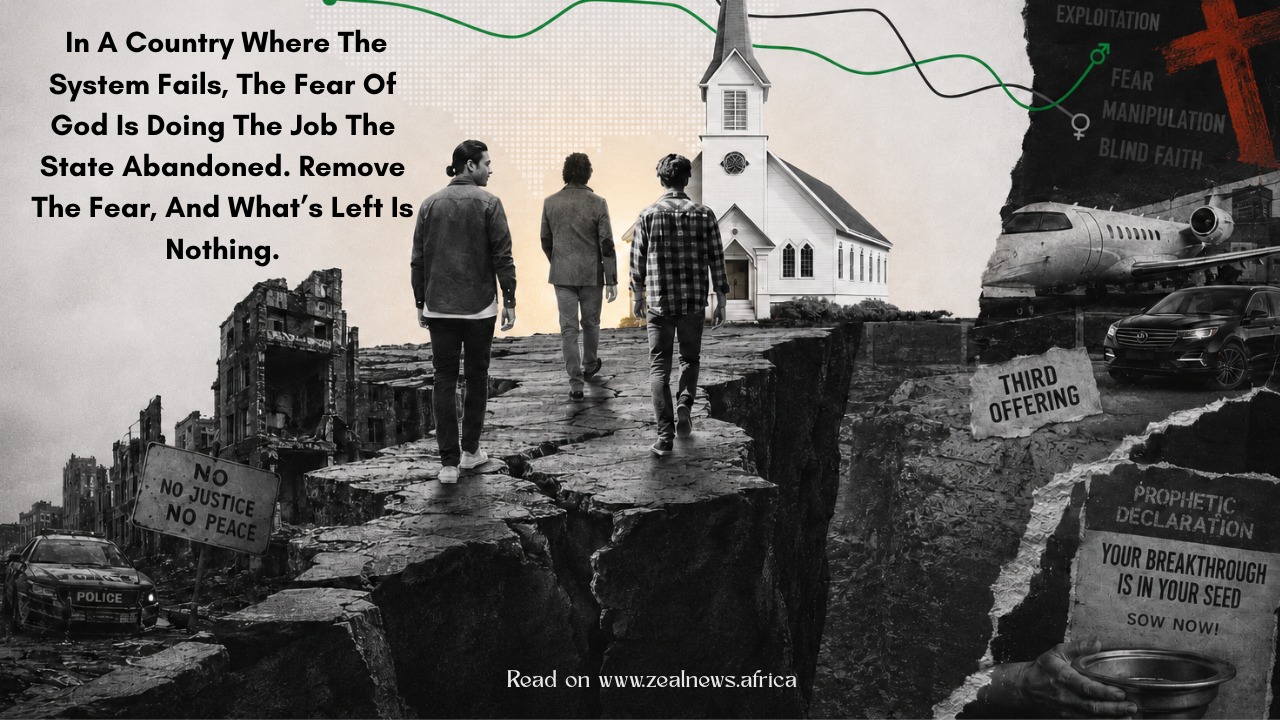
Your Deconstruction is a Luxury, Because Without Religion, We Would Eat Each Other Alive. In a country where the system fails, the fear of God is doing the job the state abandoned. Remove the fear, and what’s left is nothing.
Nigerian Twitter loves to dunk on religion, and most of the time the dunk is deserved. But strip religion out of this country entirely and what's left holding people back from each other isn't the police, isn't the courts, isn't any regulator with a functioning mandate.
It's the fear of God, and specifically the fear that God is still keeping receipts.
The Fear Filling the State's Empty Chair
That fear does more regulatory work here than the actual regulators, because it fills a gap nothing else is filling. Take the landlord who could legally get away with tripling your rent overnight, since nobody enforces tenancy law here anyway.
Some landlords still do it, but plenty don't, and the honest answer for why isn't "the market" or "his conscience" in some vague sense. It's that greed has a specific religious weight for a man who attends a church that preaches about it every week, and breaking this commandment makes him feel more guilty compared to when he passes one way on his way to work.
Or take the contractor holding your deposit. Nothing legal stops him running off with it, since a civil case here can take years to resolve, if it ever resolves.
What is actually stopping him might be that his mother and your aunty attend the same church, and if he disappears with your money, that congregation will know before any lawyer even picks up the phone.
Same logic, different setting. The police aren't recovering your lost phone. There's no functioning lost-and-found system in Lagos. So when an okada man hands it back instead of keeping it, the honest explanation isn't "the law would catch him," because it wouldn't.

It's that he's operating on a private ledger where stealing this specific item, from this specific stranger, puts something at risk he actually values: whatever spiritual standing he believes gets him through each day.
None of this means these people are good. It means they're each running a private cost-benefit calculation where "God is watching" outweighs "the law can't touch me," in situations where the law genuinely can't touch them. Remove the religious weight and the law doesn't suddenly show up to fill the space; the space just stays empty.
Compare that to what happens when the actual institutions are supposed to hold the line. A police report takes months to move, if it moves at all. A civil case can outlive the people who filed it.
A regulator tasked with checking a bank or a landlord or a company polluting a community's water supply is more likely to be negotiated with than obeyed. Nigerians have learned, correctly, not to expect consequences from the systems built to deliver them. What they still expect, rightly or wrongly, is consequences from God. That expectation is doing load-bearing work nobody officially assigned to it.
Religion, in an economy where the state barely shows up, isn't functioning as spirituality. It's functioning as the unpaid police force, the free court system, the compliance department nobody budgeted for.
Take away the sermon and you haven't liberated anyone from superstition. You've just removed the only enforcement mechanism most people were ever going to answer to, and replaced it with nothing, because nothing was ever coming to replace it.
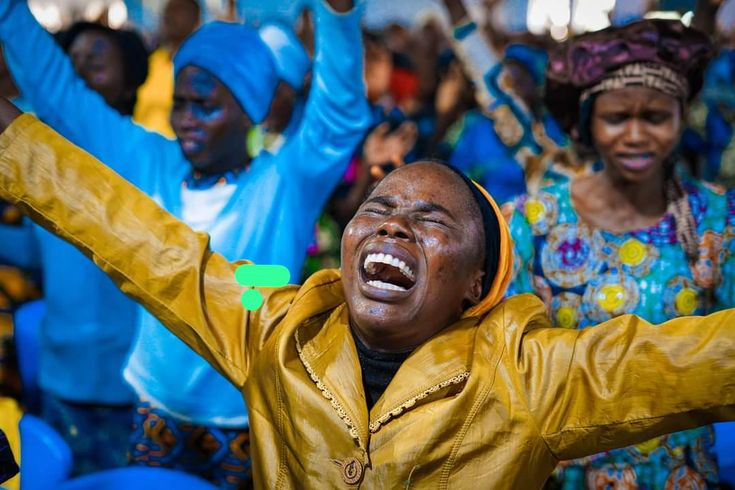
Deconstruction Has a Passport Requirement
Social Insight
Navigate the Rhythms of African Communities
Bold Conversations. Real Impact. True Narratives.
Which is what makes the deconstruction conversation, as it plays out online, feel so detached from how most Nigerians actually live. Leaving church, questioning doctrine, deciding to just "be a good person" without the theological scaffolding, is a perfectly reasonable personal journey.
But look at who gets to do it loudly and safely. It's the ones with savings. The ones with therapists, or at least the ones who've absorbed enough therapy-speak from timelines built in California to narrate their own healing.
The ones whose family won't disown them into homelessness for skipping a service, because there's a trust fund or a green card or some functioning safety net standing behind the decision either way. Deconstruction, done publicly and without consequence, is a luxury good.
And like most luxury goods in this country, it's imported, repackaged, and sold back to people who mistake the packaging for the substance.
Nobody in Ajegunle is deconstructing anything on an empty stomach with no cushion underneath them. When an uncle threatens to pull school fees over "backsliding," that isn't a metaphor for most families, it's the actual mechanism keeping a teenager in school.

When a mother says she'll disown a daughter for leaving the faith, she usually also controls the roof over that daughter's head.
For a lot of people, fear of God is the last functioning deterrent standing between being broke and doing something about being broke that lands them in Kirikiri. Nobody is choosing atheism over a warm bed. They're choosing the warm bed, and the fear of God happens to be the price of admission.
This is also why deconstruction reads so differently depending on who's doing it. When a Lagos big boy with three passports announces he's "questioning organized religion," it costs him nothing.
He still has his family's money, his exit routes, his fallback plans intact. When someone with none of that questions the same thing out loud, the consequences are immediate and material: eviction, isolation, a wedding called off, a job offer withdrawn because the extended family found out.
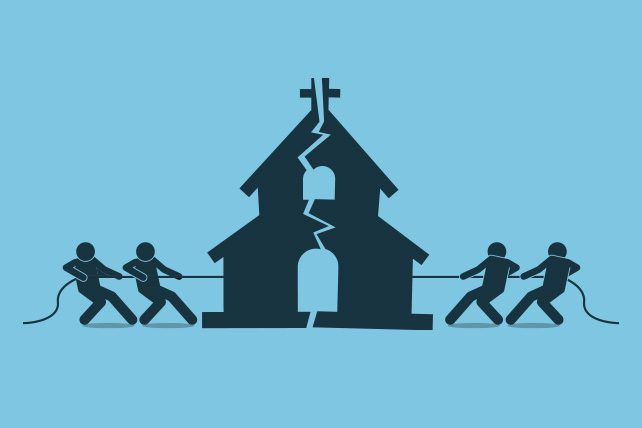
The theology is identical. The stakes are not. One version of deconstruction gets a book deal or a podcast episode out of it. The other version gets cut off financially, mid-semester, with no explanation beyond a scripture reference and a changed door lock.
Not a Defense of the Pastors
None of this is a defense of the men collecting third offerings to fund private jets, or the prophecy business preying on desperate job seekers and childless women.
That's still exploitation, still theft, just dressed in agbada instead of a suit. It isn't a defense of the pastor who tells a woman to stay in an abusive marriage because divorce is a sin, or the one who tells a sick man to stop his medication because faith alone will heal him. Those are real harms, and they deserve every bit of the criticism religion gets online.
The argument isn't that religious institutions are good. It's that religious fear, badly as it's often abused, is currently doing a job the state has abandoned. It's the reason a neighbour doesn't poison the well over a boundary dispute.
Social Insight
Navigate the Rhythms of African Communities
Bold Conversations. Real Impact. True Narratives.
It's the reason the market woman still gives correct change when she could easily short you and never see you again. It's the reason an entire apartment building can go months without a working generator contribution scandal, because everyone involved still has to sit in the same pew on Sunday and answer for it if the money goes missing.
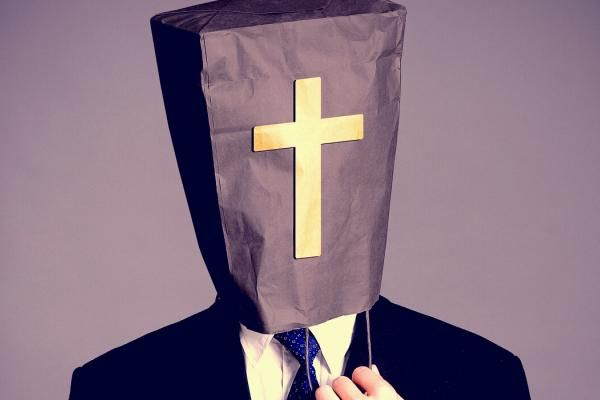
Remove that fear without replacing it with a working justice system or an enforceable social contract, and what's left isn't a country full of enlightened secular humanists. It's everyone for themselves, except now nobody's even pretending God is watching.
And a country where nobody, human or divine, is watching, is not a country most people are prepared to survive.
The church still deserves the side-eye. The offering basket still owes people forty minutes of their lives back. But the whole thing stopped being just superstition wasting Sundays a long time ago, and pretending otherwise is easiest for the people who were never going to need the deterrent in the first place.
Some people can afford to deconstruct because somebody else, somewhere, is still holding the floor up out of fear of hellfire. Try removing the floor before celebrating the flight.