Two River Niger Crossings, One Gas Grid: The Biggest Infrastructure Move Nigeria Has Made in Decades
Nigeria’s gas infrastructure is gradually improving, but each “breakthrough” reflects both progress and the long-running challenge of turning resources into reliable national energy delivery.
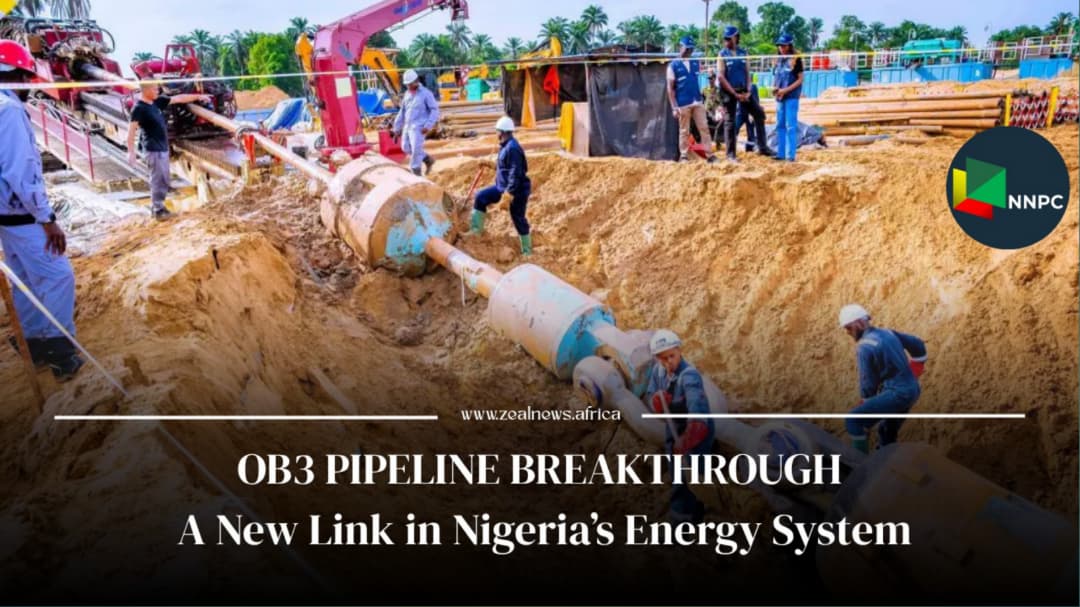
Nigeria’s energy conversation often returns to a familiar tension: abundant natural gas reserves, but a system still working to move them efficiently across the country.
That challenge frames the latest development on the Obiafu-Obrikom-Oben (OB3) Gas Pipeline, where NNPC Limited has completed the River Niger crossing, one of the most difficult parts of a long-running national gas project.
Beneath the announcement lies more than engineering progress.
It shows a pattern that has defined Nigeria’s energy landscape for years: Nigeria’s energy system is still being built step by step, not fully in place yet.
A River Crossing That Carried More Than Engineering Weight
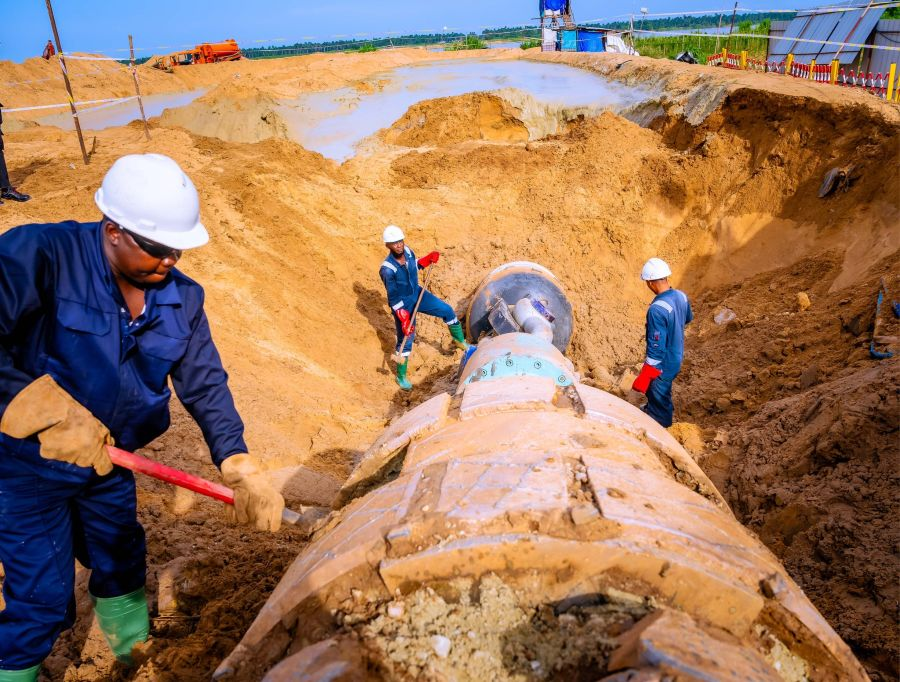
The OB3 pipeline is not new in ambition or design.
It is a 130-kilometre infrastructure project designed to move gas from production areas in eastern Nigeria to other parts of the country where it is needed more.
Within that system, the River Niger crossing stood out as one of the most complex barriers. For years, it represented a physical gap in an otherwise strategic national link.
That gap has now been closed.
Instead of digging through the river, engineers used a method called Horizontal Directional Drilling. This allowed them to go deep under the riverbed and pull the pipeline through safely, about two kilometres beneath the surface and integrated into the wider system.
It is a technical achievement, but also a structural one because it connects two ends of a network that had long remained partially separated.
It may sound technical, but the result is simple: gas can now move more freely through a system that was partly blo cked before.
Nigeria’s Gas Challenge: Movement, Not Just Availability
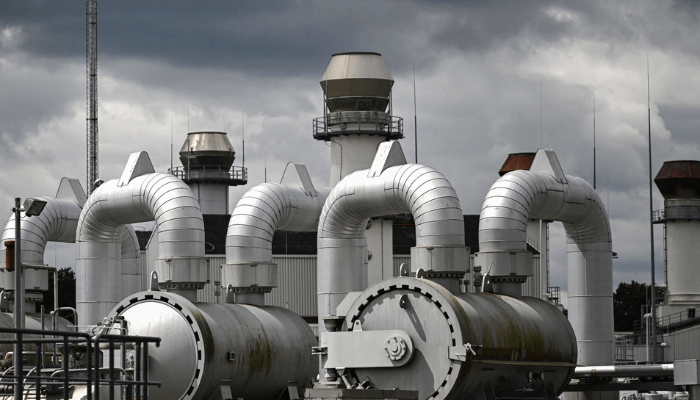
Nigeria’s gas story is often misunderstood as a question of resources.
Nigeria has large gas reserves, but many industries and power plants still struggle with steady supply. The problem is not always lack of gas, it is often how it is transported.
Projects like OB3 sit directly in the middle of that challenge.

They are designed to improve how gas travels across the country, connecting production zones to industrial and power demand centres.
When gas flows more smoothly across the country, it can support:
power stations that depend on gas
factories and manufacturing plants
businesses that rely on stable electricity and fuel supply
For many industries and households indirectly tied to gas-powered electricity and production systems, the impact is not immediate or direct. But improvements in gas infrastructure can slowly influence how stable electricity and production become over time.
Still, it is important to be clear: one completed project does not fix the entire energy system. It simply improves the conditions for better supply in the long run.
A System Still Under Construction
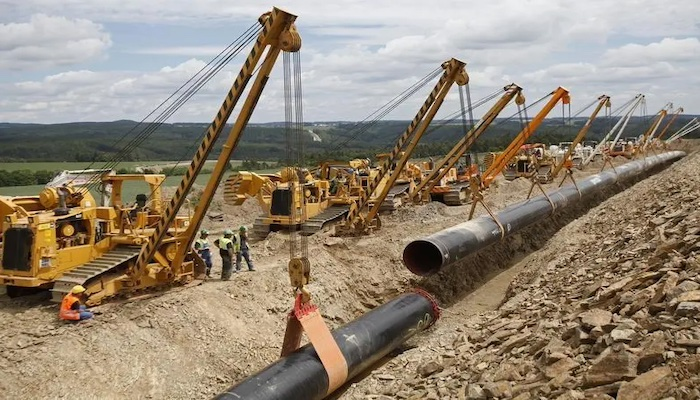
The OB3 pipeline also sits within a wider national effort to build a more integrated gas network across Nigeria.
Another major project, the Ajaokuta-Kaduna-Kano (AKK) pipeline, is also part of this long-term plan to link gas production areas with demand centres across the country.
The goal is simple: instead of separate pipelines working in isolation, Nigeria is working toward a more connected system where gas can move more freely between production and demand zones.
But systems of this scale do not transform overnight. Each completed section adds progress, but it also shows how much more still needs to be done before the network is fully complete.
The River Niger crossing is one of those important steps forward.
How Infrastructure Progress Is Seen
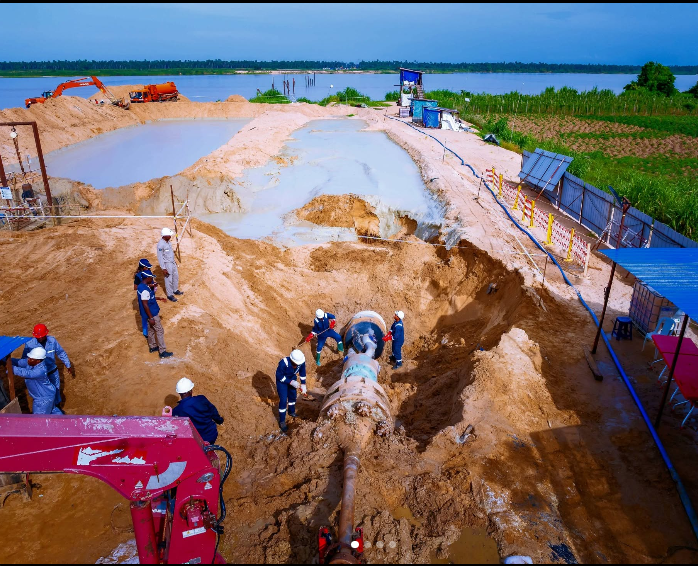
This also reflects a gradual improvement in Nigeria’s ability to deliver complex engineering projects.
Each completed phase adds to growing experience in handling large-scale infrastructure, even if the work itself remains largely unseen until it reaches critical points.
At the same time, large infrastructure projects like OB3 often take shape quietly over long periods. Much of the work happens away from public attention, with progress only becoming visible at major milestones when key stages are completed.
What is eventually seen is usually the outcome, not the long process that produced it.
Conclusion
The completion of the River Niger crossing on the OB3 Gas Pipeline removes a major technical barrier and strengthens the system designed to move gas across the country more efficiently.
At the same time, it reflects a broader reality that continues to define Nigeria’s energy landscape: progress is real, but it is incremental. Each milestone adds strength to the system, while also highlighting how much of it is still being built in stages.
In that sense, the OB3 breakthrough is less about arrival and more about continuation, a reminder that Nigeria’s gas infrastructure story is still unfolding, one connection at a time.