US Proposal to Restrict Aid to Nigeria Highlights Growing Pressure Over Insecurity
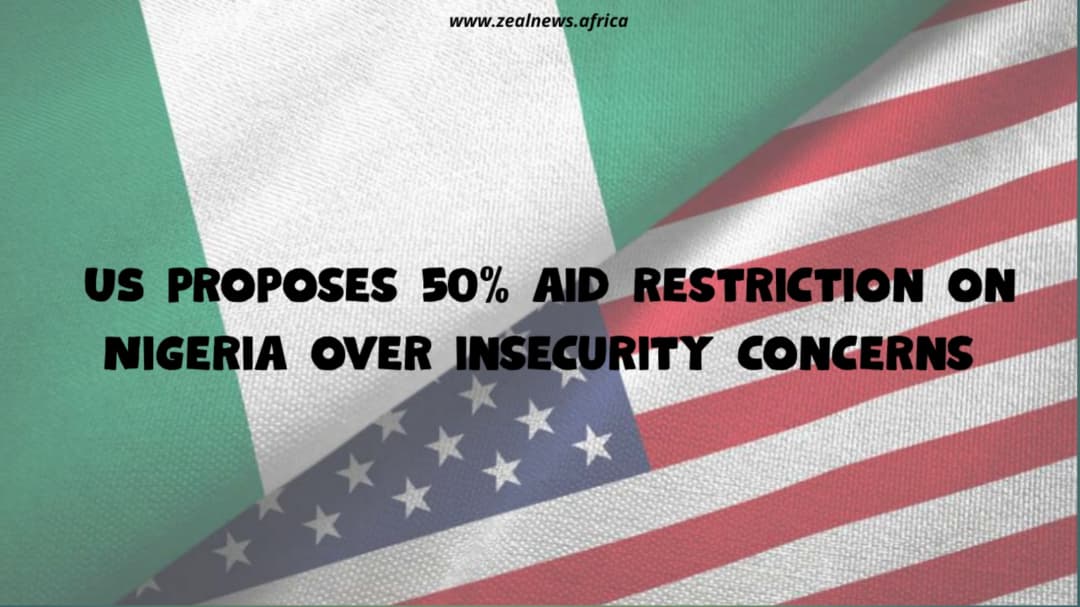
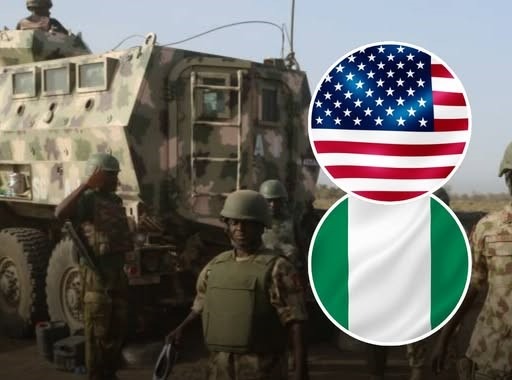
A US House proposal to restrict 50% of aid to Nigeria over insecurity concerns highlights growing international pressure on Abuja, even as the government rejects claims of religious persecution and insists violence is driven by terrorism and internal conflict.
For years, Nigeria’s insecurity has been discussed in familiar terms: concern from foreign governments, warnings from international bodies, and repeated calls for stronger action from Abuja.
But now, US lawmakers are now pushing a proposal that could directly affect funding to Nigeria’s central government. And while it is still at the bill stage, the message behind it is already clear, concern is being replaced with pressure.
That shift is what makes this development worth paying attention to.
What Exactly the US Is Proposing
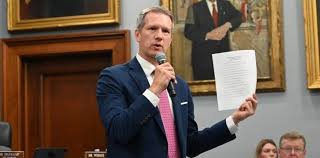
At the center of the discussion is a new appropriations bill introduced in the US House of Representatives.
The proposal suggests that 50 percent of US aid directed to Nigeria’s central government should be withheld unless certain conditions are met.
Those conditions focus mainly on security and accountability.
Nigeria would need to show clearer steps in preventing violence, holding attackers accountable, supporting victims and displaced communities, and helping affected areas recover and rebuild.
Importantly, the proposal does not block all US support.
Humanitarian assistance delivered through NGOs and independent organisations is not included in the restriction.
The focus is specifically on direct government-to-government funding.
Why This Move Matters Beyond Funding
On paper, this is about aid, but in reality, it is about trust.
Aid restrictions are rarely just financial decisions, they show how confident one country is in another’s ability to handle a serious problem.
In Nigeria’s case, that problem is insecurity.
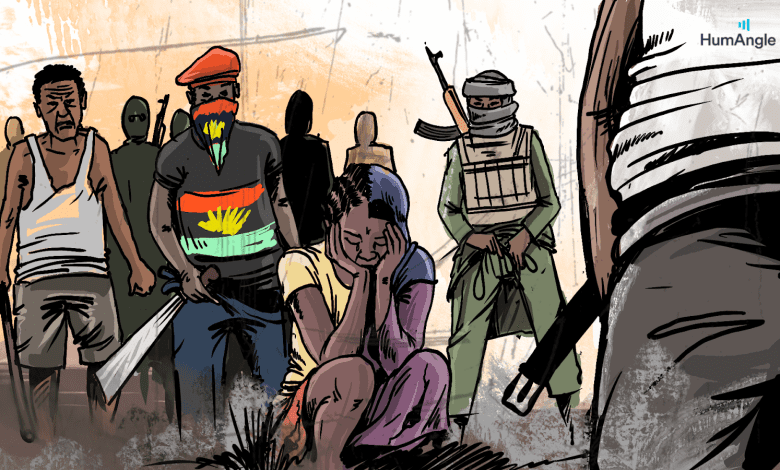
Over the years, the country has faced repeated waves of violence, from insurgency in the North-East, to bandit attacks in the North-West, to communal clashes in the Middle Belt, and other forms of armed violence across different regions.
These crises have been discussed globally for a long time, but mostly through diplomatic language: concern, engagement, partnership, and support.
What is changing now is the tone.
By linking aid to specific conditions, US lawmakers are essentially saying that concern alone is no longer enough, they want measurable results.
And that is where pressure begins to replace dialogue.
Nigeria Does Not Agree With the Framing

Nigeria’s government has consistently pushed back against how some foreign actors describe the country’s security situation.
Officials reject the idea that violence in Nigeria should be understood through a single lens, especially claims that it represents state-backed or targeted religious persecution.
Instead, the government argues that the situation is far more complex.
Nigeria is dealing with multiple overlapping crises like terrorism, armed banditry, farmer-herder conflicts, communal disputes, and other forms of organized violence.
Each of these problems has different causes and operates in different regions, which makes the situation harder to reduce to one explanation.
What This Says About Nigeria’s Security Problem
Whether or not the US proposal becomes law, it reflects something important: Nigeria’s security challenges are no longer being viewed as only internal matters.
They are now shaping how external partners respond.
When insecurity becomes persistent over many years, it does more than affect daily life at home. It also begins to affect perception abroad, how stable a country looks, how effective its institutions appear, and how reliable its government seems in managing crises.
That perception matters in diplomacy.
It influences how partnerships are negotiated, how aid is structured, and how much trust exists between governments.
In Nigeria’s case, the concern from Washington suggests that frustration may be building alongside that perception gap.
On one side, there is Nigeria’s position that the crisis is complex and multi-layered. On the other, there is growing external pressure for clearer progress and accountability.
Those two positions do not easily meet in the middle.
And that is why this moment stands out.
It is not just about aid levels or legislative proposals. It is about how long-standing insecurity is now starting to shape the terms of Nigeria’s relationships with other countries.
Where This Leaves the Conversation
The proposal is still part of a legislative process, and many things can change before anything becomes final.
And for Nigeria, that raises a larger question that goes beyond this specific bill:
How long can internal security challenges remain unresolved before they start reshaping how the country is engaged internationally?
That question is now sitting quietly underneath developments like this one, and it is not going away soon.